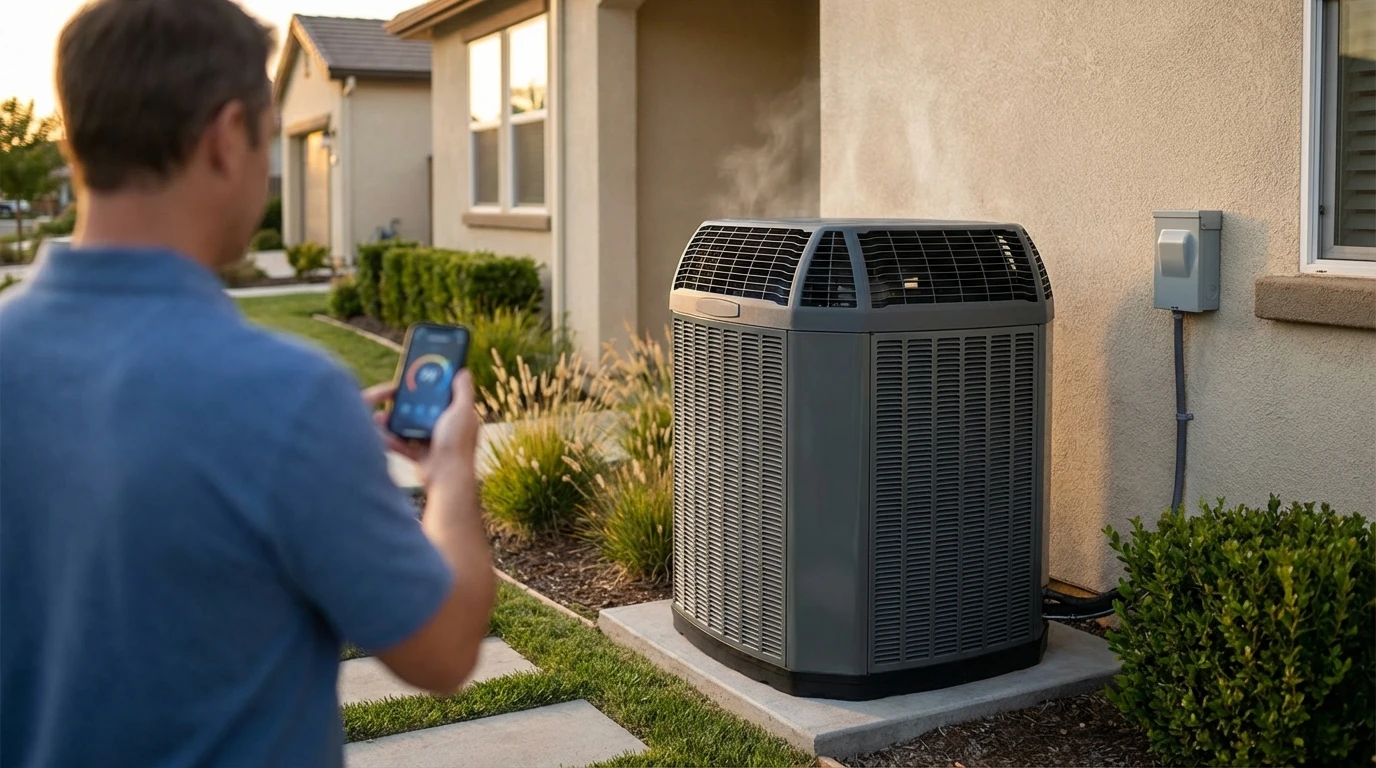





 heating
 state by state
Why State-by-State Heating Preferences Matter for Comfort, Cost, and Policy
Which heating system your state prefers is not just a curiosity, it shapes day to day comfort, winter reliability, monthly energy bills, indoor air quality, and how long equipment lasts. We have seen preferences shift as energy prices fluctuate and electrification incentives expand. Climate, fuel infrastructure, housing stock, and local policy drive very different choices from one state to the next.
In this state by state analysis we outline the dominant technologies: natural gas and oil furnaces, boilers, electric furnaces, air source and ground source heat pumps, propane systems, and wood or pellet heat. You will see why gas furnaces remain prevalent across the Midwest and West, why oil and propane persist in parts of the Northeast and rural areas, and how heat pumps lead in the Southeast and are expanding into colder regions with cold climate models.
We compare systems on comfort factors like evenness of heat and humidity control, on efficiency and bills using AFUE and HSPF or SEER2, on indoor air quality from combustion byproducts to ventilation and filtration, and on lifespan with proper maintenance. The aim is clear, practical guidance that balances comfort, costs, and health.
America's Preferred Heating Systems: Scope, Audience, and What This Analysis Covers
America's Preferred Heating Systems: A State-by-State Analysis explains which options residents favor in each state and how patterns differ across the map. It is written for homeowners planning replacements, contractors reality checking recommendations, and property or facility managers comparing markets. The tone is informative, data-driven, and conversational, with clear definitions and minimal jargon. Scope is limited to preference snapshots by state, quick context for why a choice is common, and short takeaways to support practical decisions.
When Common Heating Choices Fall Short: Honest Tradeoffs and Alternatives
In our field work, heating disappointments usually trace back to assumptions like bigger is better, SEER is the only spec that matters, or gas is always cheaper. Those shortcuts ignore load, ducts, climate, and utility rates.
- Very cold states with high winter electric rates or limited electrical capacity: a heat pump only setup may not be optimal. Dual fuel, a heat pump paired with a gas furnace, or a high AFUE furnace with properly sized cooling can lower peak costs while preserving comfort. Modern inverter heat pumps still handle shoulder seasons well.
- Mixed humid or coastal climates with humidity complaints: oversized furnaces or single stage heat pumps short cycle, leaving air clammy and rooms uneven. The better path is right sizing, inverter driven equipment, and supplemental heat only for rare extremes, not more tonnage.
- Like for like replacements on aging ductwork: swapping to higher SEER without Manual J and duct evaluation often underdelivers. Fix duct losses, consider modestly exceeding code in your climate, and weigh heating metrics like HSPF2 and AFUE alongside SEER2.
One more truth we see daily: maintenance is not optional, it protects efficiency and system life.
Five Core Themes Driving State Heating Preferences
States pick systems like drivers pick tires for the season: match the gear to weather, roads, and budget. In our experience at Budget Heating (BudgetHeating.com), choices track five themes.
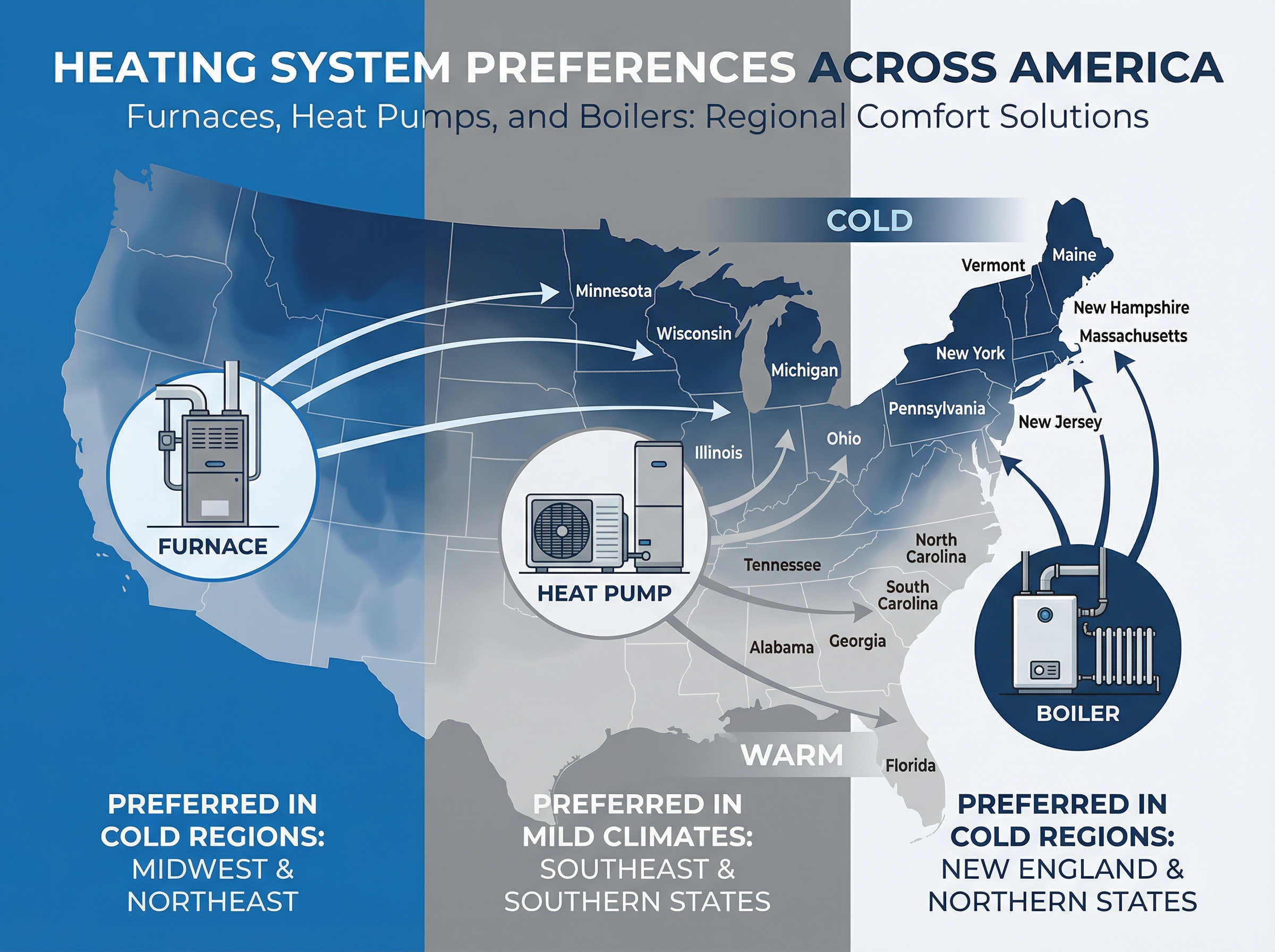
- Climate tailored comfort: North and Midwest lean on high output gas furnaces, with some oil or propane, for fast heat through ducts. South and coasts favor air source heat pumps for heat, cooling, and humidity control. Mountain and mixed zones use cold climate heat pumps with electric strips or dual fuel backups.
- Operating cost control: High AFUE furnaces and high SEER2 heat pumps lower bills when properly sized and installed. Hot states prize cooling efficiency, cold states watch AFUE and HSPF2 or SCOP, especially where power is clean or inexpensive.
- Electrification: West Coast, Northeast, and parts of the Mid Atlantic promote heat pumps and limit new fossil hookups, speeding the move from oil or propane to electric and consolidating to one system.
- Indoor air quality: Combustion adds byproducts and needs venting and CO monitoring. Sealed furnaces reduce risk. Electric heat pumps avoid on site combustion and pair well with high MERV filtration and dedicated ventilation.
- Longevity and maintenance: With filter changes, annual checks, clean coils or heat exchangers, and verified refrigerant charge, systems often reach 15 to 20 years. Rebates and lifecycle cost now matter more than sticker price.
Understanding SEER, SEER2 and Efficiency Metrics That Affect State Decisions
We use SEER to describe how much seasonal cooling a system delivers per kilowatt hour. Higher SEER means the same comfort with fewer kWh. Since Jan 1, 2023, SEER2 is the test method, using higher static pressure, so numbers run slightly lower for the same unit, roughly 15 SEER ≈ 14.3 SEER2, 14.5 ≈ 13.8, 14 ≈ 13.4.
Minimums depend on region. North split AC: 13.4 SEER2. Southeast and Southwest: under 45,000 Btu must hit 14.3 SEER2, 45,000 Btu and up must hit 13.8 SEER2. Heat pumps nationwide: split 14.3 SEER2 and 7.5 HSPF2, package 13.4 SEER2 and 6.7 HSPF2. The Southwest also requires EER2 for high temperature performance.
Typical market: code minimum 13.4 to 14.3 SEER2, mainstream mid to high teens, premium variable speed or mini splits above 20. Bills drop roughly in proportion to SEER. Moving from SEER 14 to 17 saves about 18 percent, to 20 about 30 percent. Hot, humid states see quicker payback above code, cooler states benefit more from right sizing and solid installation.
How Climate, Codes, and State Policy Shape Heating Choices
The 2023 shift to SEER2 and HSPF2 set regional floors that match climate. In the North, split AC must be at least 13.4 SEER2. In the Southeast and Southwest, units under 45,000 Btu/h must hit 14.3 SEER2, and larger units 13.8 SEER2. The Southwest also layers EER2 for high temperature performance, such as 11.7 EER2 or 9.8 EER2 at higher SEER2 tiers for smaller units. Heat pumps nationwide must reach 14.3 SEER2 and 7.5 HSPF2 for split systems, or 13.4 SEER2 and 6.7 HSPF2 for packaged. In our experience at Budget Heating (BudgetHeating.com), those minimums steer the market: warmer states lean to heat pumps and high efficiency AC, while colder states need heat pumps that hold output in deep cold.
That is why technology mixes vary by region:
- Hot dry Southwest: variable speed AC and heat pumps sized for long cooling seasons, often with modest gas or electric backup.
- Mixed humid Mid Atlantic and Midwest: variable capacity systems, careful right sizing, and dual fuel alongside efficient heat pumps.
- Cold northern and mountain states: cold climate heat pumps that keep at least 70 percent of rated capacity at 5 F and about 15.2 SEER2, plus planned auxiliary heat.
- Northeast: gas where available, with oil or propane in rural areas, and policy and incentives shifting toward cold climate heat pumps.
- West Coast: a strong policy push for all electric new construction favors heat pumps across a wide range of homes.
Typical Costs and Savings: How Much Heating Choices Can Affect Your Bills
Regional patterns matter. In DOE North states, new central AC minimums sit near SEER 14 (≈13.4 SEER2), a moderate summer baseline. In the Southeast and Southwest, higher minimums, 15 SEER (≈14.3 SEER2) for smaller systems and 14.5 SEER (≈13.8 SEER2) for larger ones, trim electricity use versus older equipment, which pays off in long cooling seasons.
Relative savings scale with efficiency. Cooling energy is roughly inversely proportional to SEER, so upgrading from SEER 10 to SEER 16 can cut cooling electricity about 35 to 40 percent, and moving from SEER 14 to SEER 20 is roughly a 30 percent drop for the same load. In our field experience, hotter, humid states turn those percentages into larger dollar savings and faster payback, while cooler states see longer payback on the same percentage gains.
Heating fuel choices shift the math. In gas served northern and Midwestern areas, high AFUE furnaces often beat electric resistance or older oil on operating cost where gas is inexpensive and winters are long. In milder or high electric rate states with strong electrification support, efficient air source heat pumps can compete well, especially since one system covers heating and cooling.
Lifecycle view: Most states layer federal, state, or utility incentives that offset higher upfront cost. Over 15 to 20 years, total cost usually favors right sized, above minimum efficiency in high load climates, and quality installation plus envelope upgrades in milder zones. Exact dollars depend on local tariffs, home size, and usage, and state energy offices or utilities provide the best calculators and rebate details.
A Practical Homeowner Checklist: How to Pick and Install the Right System for Your State
- Confirm climate and design conditions: identify your state's category, get local 99 percent winter and 1 percent summer temperatures, and target 40 to 60 percent RH.
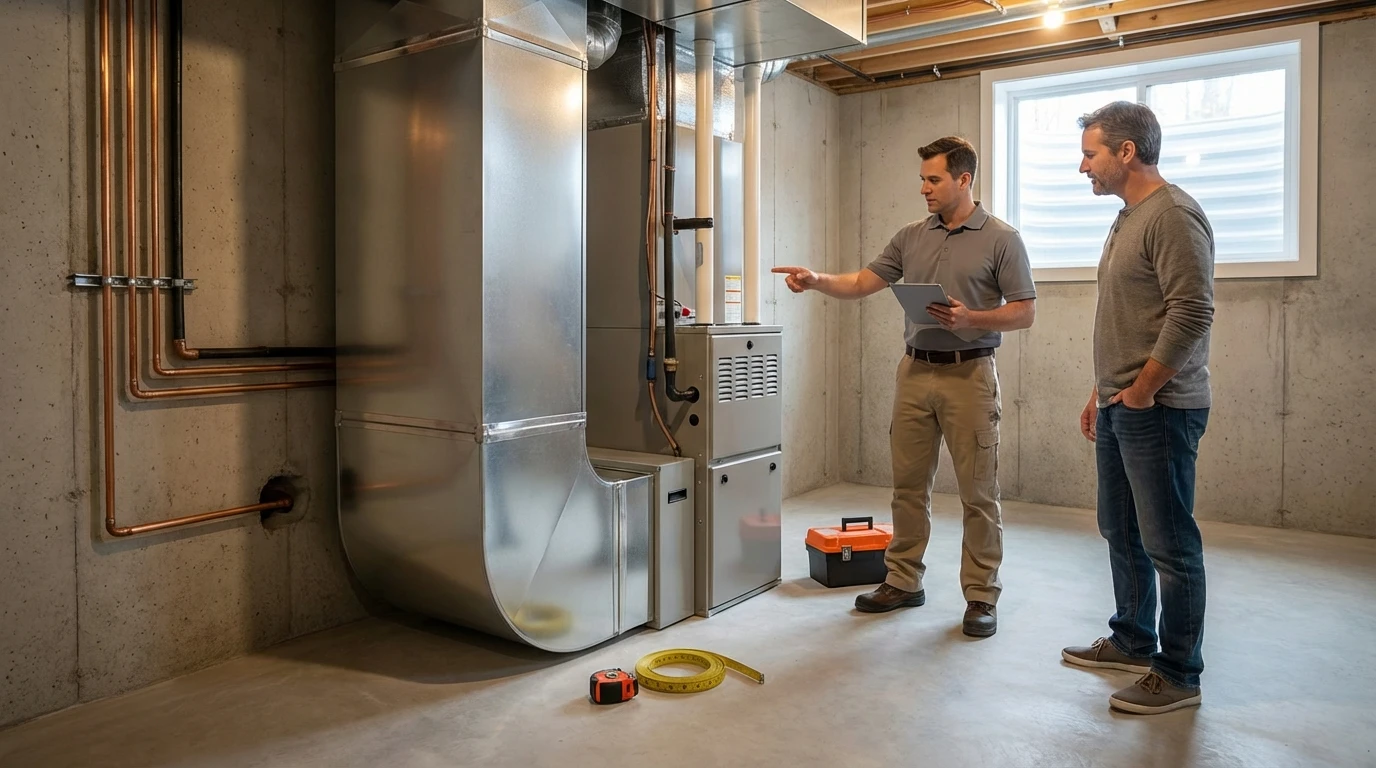
- Require proper engineering: a room by room Manual J load, then Manual S for equipment and Manual D for ducts. We treat Manual J like tailoring, the fit drives comfort and cost.
- Match system to region: hot dry often fits mini splits or right sized heat pumps, mixed humid favors inverter heat pumps or dual fuel, cold climates need cold climate heat pumps with planned auxiliary heat, West and Northeast compare gas to heat pump based on rates and incentives.
- Size and stage correctly: avoid oversizing, prefer variable speed or two stage, use zoning for multi story homes.
- Ductwork matters: seal and insulate, verify sizing and returns, target 350 to 450 CFM per ton and acceptable static; go ductless if ducts are constrained.
- Cold climate checks: verify capacity tables at 47, 17, and 5 F, confirm capacity at your 99 percent point, set balance and lockout temps, plan outdoor placement for snow and drainage.
- Installation and commissioning: confirm clearances, line set limits, condensate safeties, breaker and wire sizes, then verify airflow, static, refrigerant charge, and controls.
- Paperwork and efficiency: obtain the AHRI match, confirm SEER2, EER2, HSPF2 or AFUE, and gather detailed written proposals, warranties, and maintenance expectations.
Safety, Maintenance, and Longevity: Protecting Comfort and Investment Across States
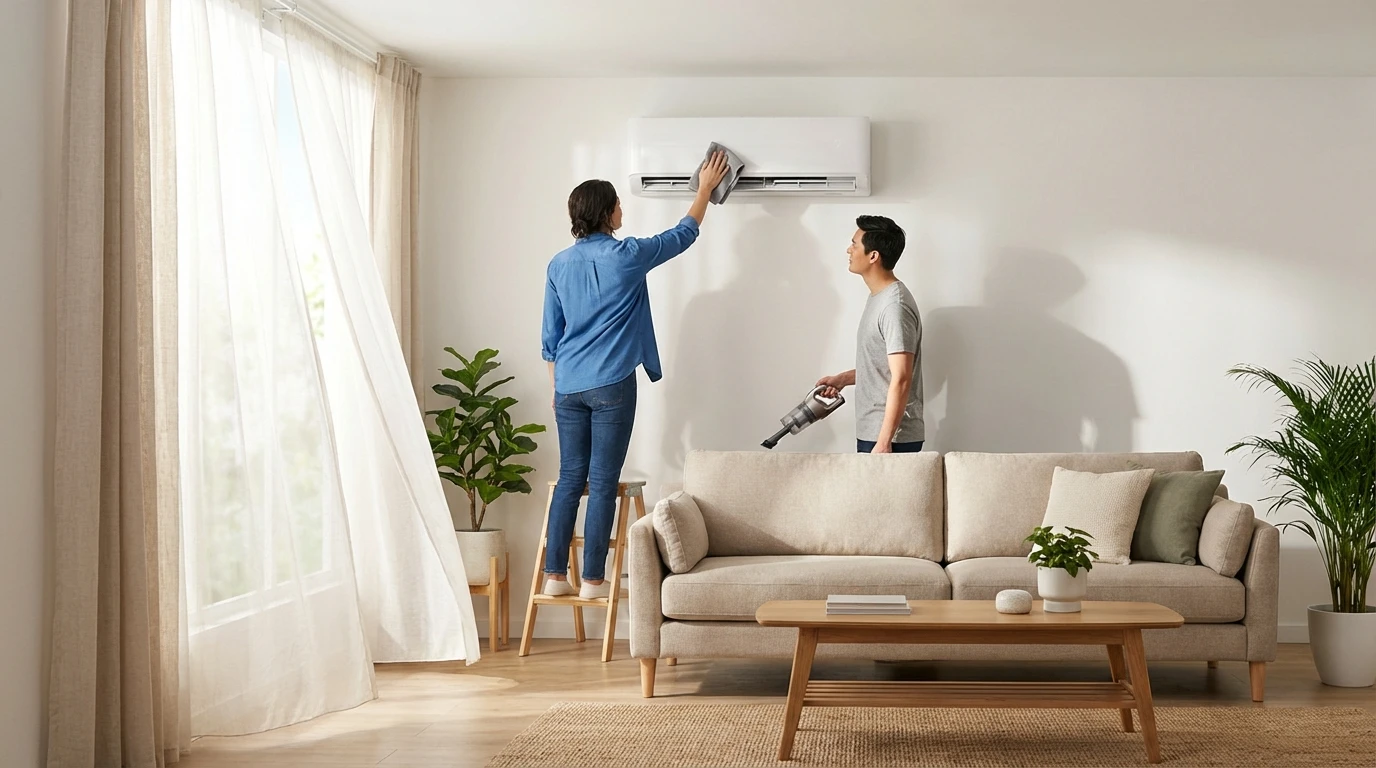
We start with the basics: permits, code compliant electrical, gas, venting, and condensate; safe clearances; tested smoke and CO detectors. Replace or clean filters every 1 to 3 months, schedule annual tune ups, keep outdoor units clear. Hydronics: check pressure and purge air.
Fuel specifics: gas, oil, propane need sound flues and combustion air; shut down if soot, odors, or flame rollout appear. Wood or pellet: clean chimneys, burn seasoned fuel. Electric or heat pumps: correct breakers and tight connections. Regional tips: cold states raise heat pumps and route defrost water; coastal or humid areas protect coils from corrosion and keep them clean.
Key Takeaways: What State Patterns Mean for Homeowners, Contractors, and Policymakers
Heating preferences follow climate, fuel infrastructure, housing age, urban rural patterns, and policy. The North and Midwest largely run natural gas with oil and propane pockets in New England, the South leans heat pumps and electric, the Mountain West is mixed, the West Coast is moving faster to all electric while gas remains common, and remote regions often rely on diesel, propane, or resistance. The trajectory is steady: higher efficiency and more electrification as cold climate heat pumps improve, new SEER2 and HSPF2 standards take hold, and incentives grow. Homeowners should compare utility rates, ducts, and comfort goals and consider cold climate heat pumps or dual fuel in harsher zones. Contractors should stock efficient heat pumps, dual fuel options, and lead with incentive guidance. Policymakers should pair rebates with grid upgrades and weatherization. We know every decision is local and budget sensitive, and our team can run load calculations and operating cost comparisons to right size your system.
- Get a Custom Quote for heat pumps, gas furnaces, or dual fuel systems.
- Talk to Our Team, U.S.-based phone support backed by 30+ years and 200,000+ orders.
- Shop Heat Pumps, Gas Furnaces, and Ductless Mini Splits at wholesale pricing to the public.
- Fast shipping from PA and TX distribution centers, financing with Affirm available.
 Cooling
 Learning Center
 Money Saving Tips
 Product and Brands Insights
 Buying Guides
 HVAC Systems