




 buying guides
 heating
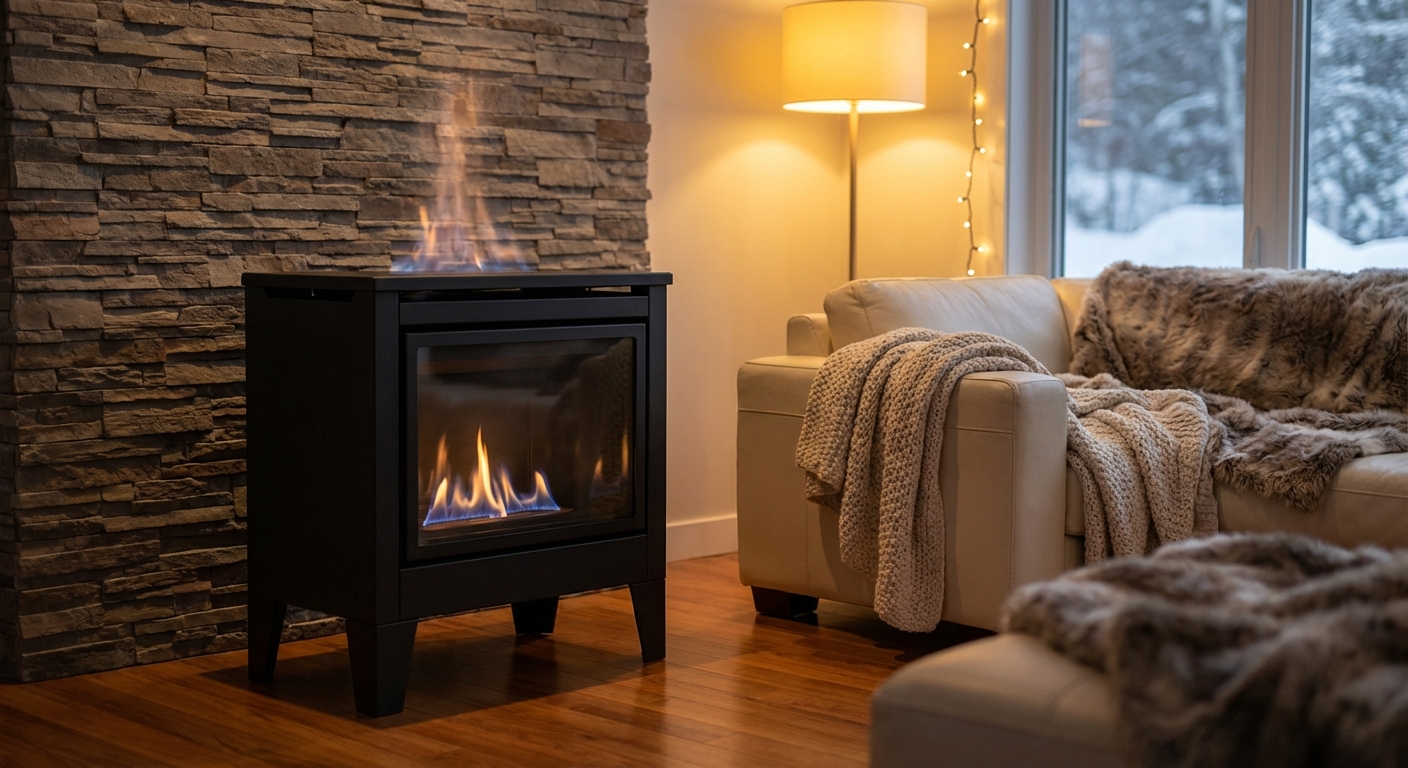
You want that instant, cozy fireplace heat without paying for a chimney, cutting into walls, or committing to a major remodel. Then you see ventless models advertised as "up to 99% efficient," and it reads like the easiest comfort upgrade you can buy.
It is also a purchase that deserves more discipline than impulse. A ventless (vent-free) stove can make a room feel exceptionally warm fast, but you are choosing an appliance that runs indoors, so safety, code compliance, and indoor-air considerations belong at the center of the decision.
A vent-free (unvented) room heater is a gas-fired room heater designed to operate without a chimney or exterior vent, which is exactly why it feels so attractive, but it also means the unit releases combustion products into the living space under a safety listing.
That "up to 99% efficient" claim is easy to misread. It largely reflects no flue loss, since there is no vent sending heat outdoors, not a blanket promise of seasonal or whole-home efficiency.
These appliances are governed by ANSI/CSA Z21.11.2, a recognized safety standard used for testing and listing unvented room heaters, and legality still varies by location. California has a statewide ban on ventless fireplaces, and New York City prohibits the installation of unvented gas-fired space heaters, logs, fireplaces, and inserts.
Before you shop, confirm local rules and plan for safe, code-aligned use. It also helps to compare vent-free heat against other options on delivered-heat economics and any incentives you may be able to apply.
How Ventless Gas Stoves Work
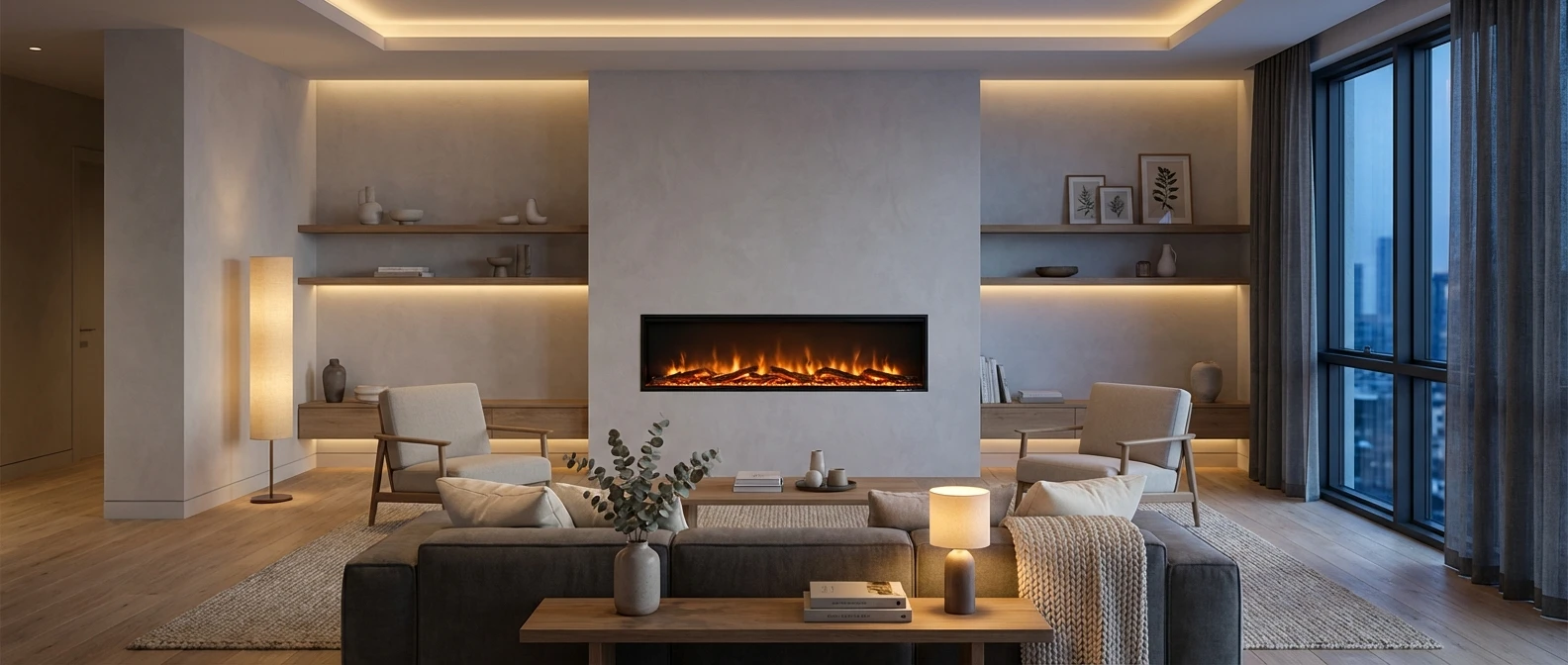
Vent-free stoves feel unusually warm because the heat stays with you. With no flue pulling hot exhaust outdoors, vent-free designs keep nearly all the combustion heat in the room, which is why they can feel like a space heater that happens to look like a fireplace.
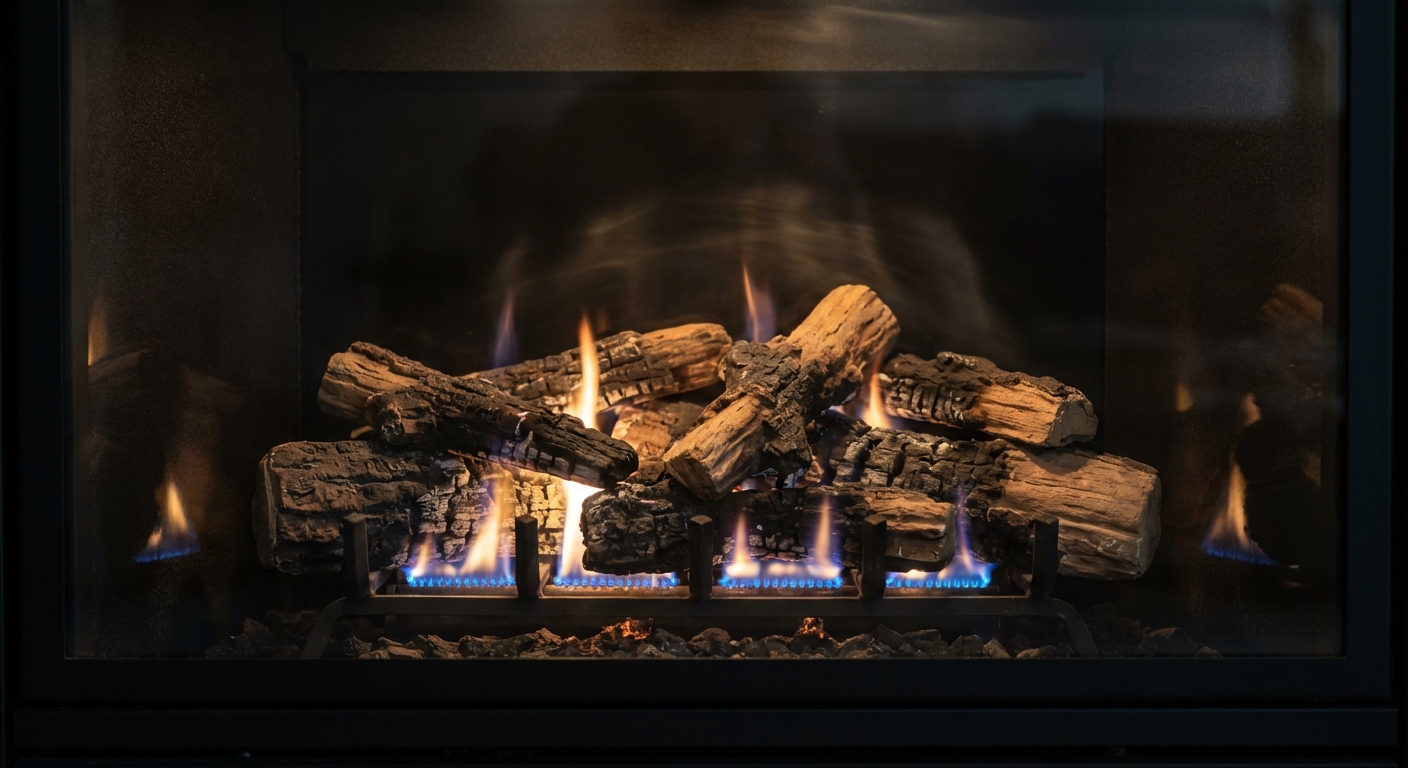
That heat comes from real combustion happening indoors, and combustion has predictable outputs. A clean burn produces carbon dioxide (CO2) and water vapor, and for natural gas, the exhaust stream is typically about 20% water vapor by volume. If the burn becomes incomplete because the flame is starved for oxygen or the air-to-fuel mix is off, the chemistry shifts, and you start seeing byproducts like carbon monoxide (CO) and aldehydes. The warmth is the point, but the "indoors" part is the tradeoff: heat, moisture, and combustion products all stay in the living space.
Virtually all modern vent-free heaters and fireplaces include an Oxygen Depletion Sensor (ODS), a safety pilot that shuts the gas off when room oxygen drops to about 18 to 18.5% from normal air around 21%. An ODS is a low-oxygen shutoff, not a carbon monoxide sensor.
BTU (British Thermal Unit) ratings matter because BTU per hour is a heat rate, the number you feel as the room warms. Vent-free units are commonly limited to 40,000 BTU input and are intended primarily for supplemental heat, not whole-home duty. For a familiar benchmark, a 1500W electric "fireplace" is about 5,100 BTU/hr.
Compared side by side, vent-free keeps heat and exhaust indoors, vented gas sends a significant share of heat up the vent and outdoors, and electric adds heat with no combustion byproducts in the room. Vented sets often trade usable heat for a more realistic flame look.
Treat it as zone heating: targeted comfort where people actually sit. Size your expectations to one occupied room and its layout, not a uniform temperature across the whole house.
Pros, Cons, and the Best Rooms for Vent-free Comfort
Those fundamentals explain both the appeal and the tradeoffs: you keep the heat, and you also keep what comes with combustion. The best outcomes come from matching vent-free heat to the right room and expectations.
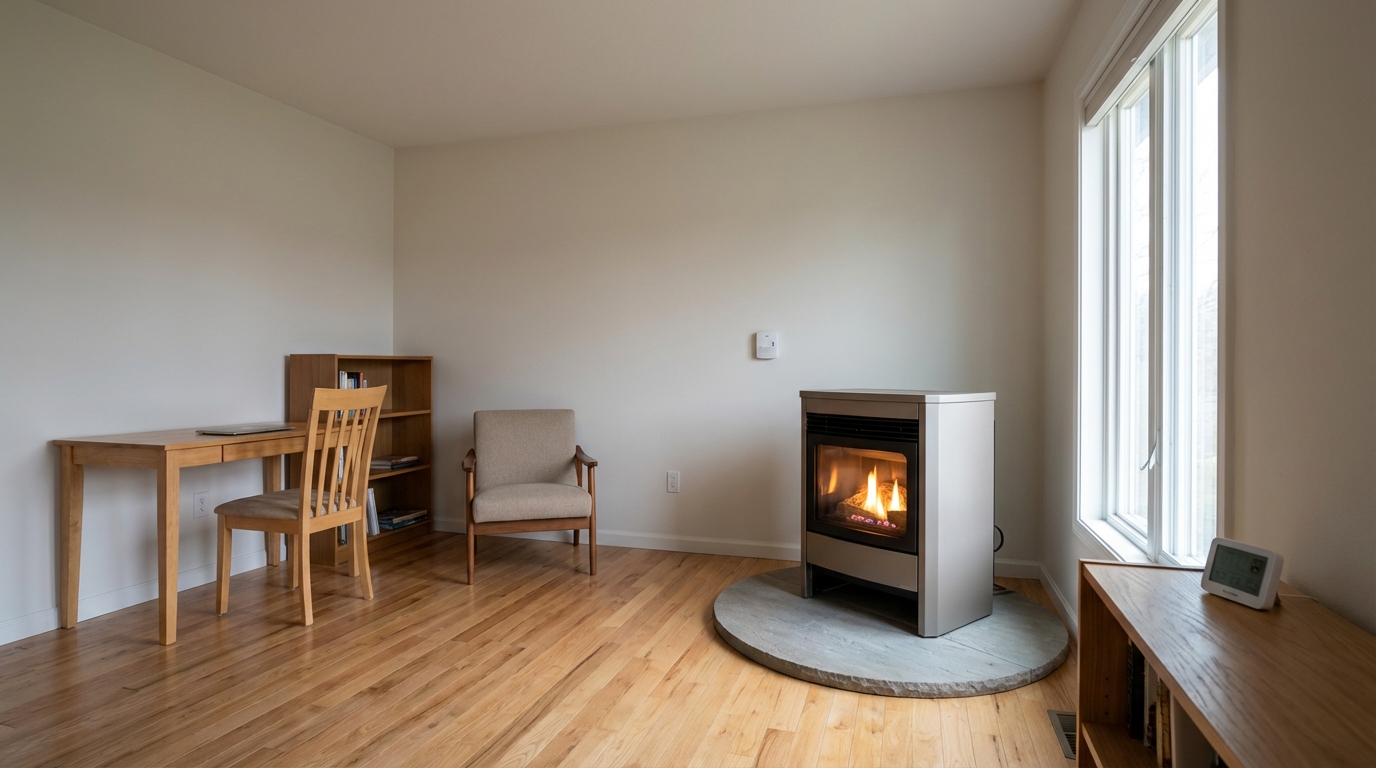
Comfort speed is the headline: a vent-free stove delivers immediate, localized warmth that you feel in the occupied zone, which is exactly why people use it for zone heating (occupied-room heating) instead of trying to rebalance the whole house.
Installation friction is lower than vented options because there's no chimney or flue to route, and manufacturer guidance commonly positions vent-free units as supplemental heat for open living spaces. The same no-flue design also drives the high apparent efficiency story: heat stays in the room instead of leaving with exhaust, so these appliances are often described as approaching 100% efficiency on paper.
Ambiance is the other payoff. Flame presentation and radiant comfort change how a space feels, not just its thermostat reading, which is why homeowners put them where people actually sit.
Vent-free combustion adds water vapor directly to indoor air. That moisture has to go somewhere, and when humid air meets cool surfaces like windows, exterior walls, or uninsulated corners, condensation forms and can degrade building materials and insulation performance.
Indoor-air concerns are equally concrete: elevated indoor concentrations of carbon monoxide (CO) and nitrogen dioxide (NO2) have been documented in homes using unvented combustion appliances, including unvented gas fireplaces and space heaters. Odor and sensitivity complaints track with that reality, especially in tighter homes with limited ventilation.
EPA guidance is consistent on the moisture side: prevent excessive indoor humidity and limit condensation and moisture absorption into cool surfaces (and understand when dehumidification may be needed).
In practice, the room choice matters as much as the product choice, because the whole value proposition is targeted comfort rather than whole-house heat.
An open living area used mostly in the evenings: you want quick comfort and flame ambiance right where people gather, without heating unused bedrooms.
Shoulder-season backup: you need targeted warmth for an hour or two, not a whole-home cycle.
A room your central system never quite serves: a bonus room over a garage or a far corner that's chronically cool.
The same logic also points to where vent-free is a poor fit, because moisture and byproducts become harder to manage.
Homes with respiratory sensitivities or odor intolerance: prioritize a vented or whole-home solution that keeps combustion byproducts out of the space.
Already-humid houses: if you fight window sweating now, adding water vapor is the wrong direction.
Tight envelopes with weak ventilation: the same "cozy" room can accumulate moisture and pollutants faster.
For rough context only, common rules of thumb use about 20 to 25 BTU per square foot for heating, and simplified HVAC capacity guidance often lands around 400 to 600 square feet per ton. Both are assumption-heavy shortcuts that ignore insulation, air leakage, ceilings, and climate.
Decide based on occupant sensitivity, moisture tolerance, and whether you truly need supplemental zone heat. If any of those are a poor fit, a vented appliance or whole-home HVAC upgrade is the cleaner answer.
Safety, Codes, and Indoor Air Quality
The pros and cons only matter if the installation is legal and the room can support the appliance safely. Vent-free heat is only defensible when safety and code compliance are treated as design constraints, not optional accessories. If your room, fuel supply, clearances, and monitoring can't satisfy the guardrails, the correct move is simple: don't install it.
Any home with combustion sources needs carbon monoxide (CO) alarms because indoor air pollution events are a known failure mode for unvented combustion appliances, including documented cases of elevated indoor CO and NO2. The CPSC (as cited by EPA) recommendation is clear: have at least one CO alarm that meets the most recent UL requirements. If you choose a combination alarm, look for units listed to UL 217 (smoke) and UL 2034 (CO) and follow the manufacturer's placement and replacement instructions, including end-of-life indicators on the CO sensor.
Clearance-to-combustibles is not a suggestion. It is the minimum separation that prevents slow overheating of framing, trim, mantels, furniture, and finishes. The only legal way to reduce a clearance is when the product's listing and the manufacturer's instructions explicitly permit that reduction. If the manual does not allow a reduction, the code does not allow you to invent one.
Codes use room volume because oxygen is a finite input. An "unconfined space" is defined as at least 50 ft³ per 1,000 Btu/h of aggregate appliance input (also expressed as 4.8 m³/kW in some codes). That "aggregate" piece matters: multiple fuel-burning appliances stack their demand. Tight homes change the risk profile because air sealing reduces natural infiltration, so a room that looks large on paper can still behave like a confined space in practice.
Burning fuel adds water vapor to indoor air. When indoor humidity rises, condensation shows up on cold windows, exterior corners, and behind furniture, and that moisture drives mold and material damage. Treat ventilation as part of the design: you need a plan to manage indoor humidity levels and pollutant buildup, not just a heat source.
If alarms, clearances, and combustion air adequacy are hard to satisfy, a vented appliance or a heat pump is often the safer path because it reduces indoor pollutant loading from combustion sources that are widely cited as indoor air quality risks.
Follow the listing and manufacturer instructions exactly, and use a licensed professional when gas work is involved, especially where LP-gas rules and equipment requirements apply.
Choosing the Right Heating System
Once you apply the code and indoor-air guardrails, the decision becomes clearer: you are choosing between targeted comfort and whole-home infrastructure. Choose by the job: spot comfort vs whole-home reliability. A ventless stove, a heat pump, and a furnace can all "heat a house," but they solve different problems, and the economics live in cost per delivered heat, not fuel-price headlines.
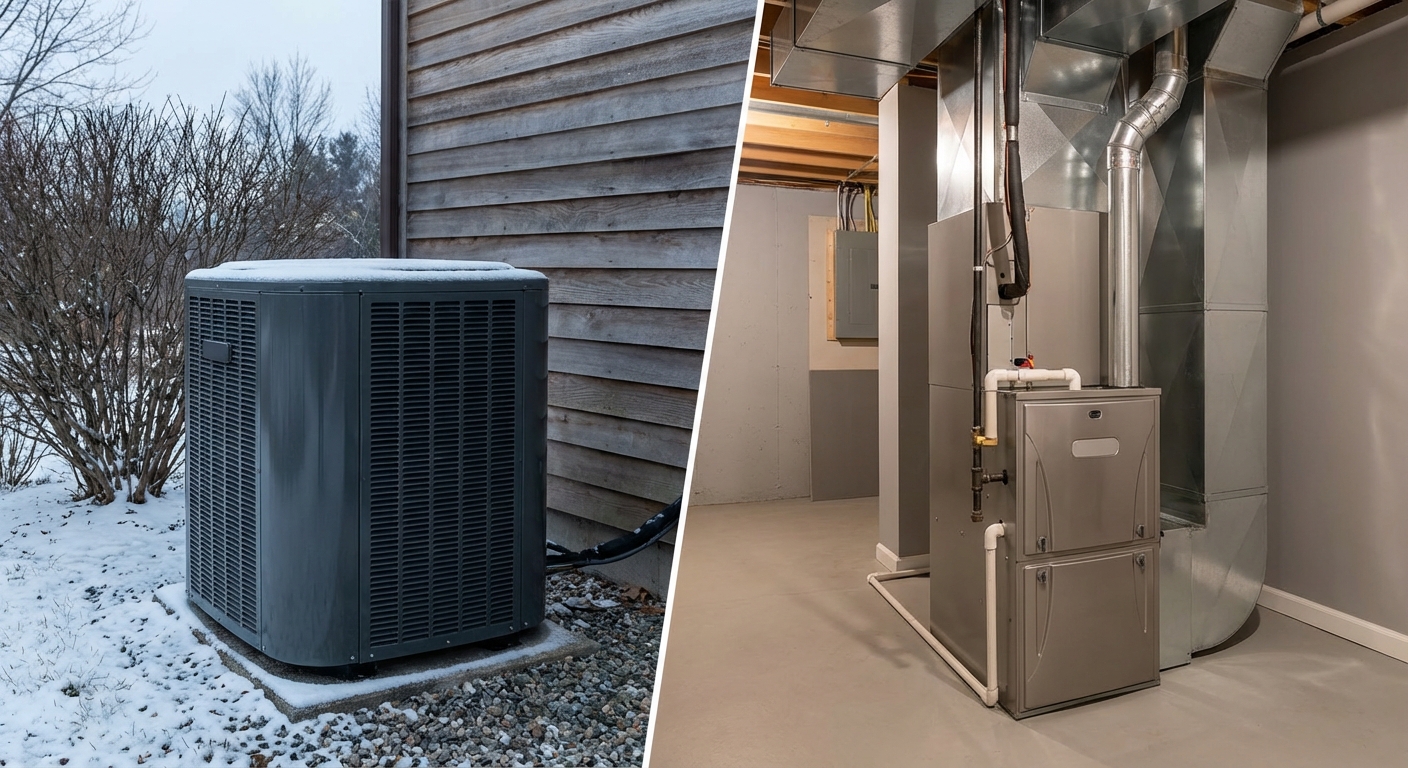
A ventless stove is the cleanest answer to a targeted comfort problem: quick zone heat where you actually sit. These appliances are designed as supplemental heat, sized for a room rather than a whole-home plan. The tradeoff is that indoor air quality and moisture become decision factors, not afterthoughts.
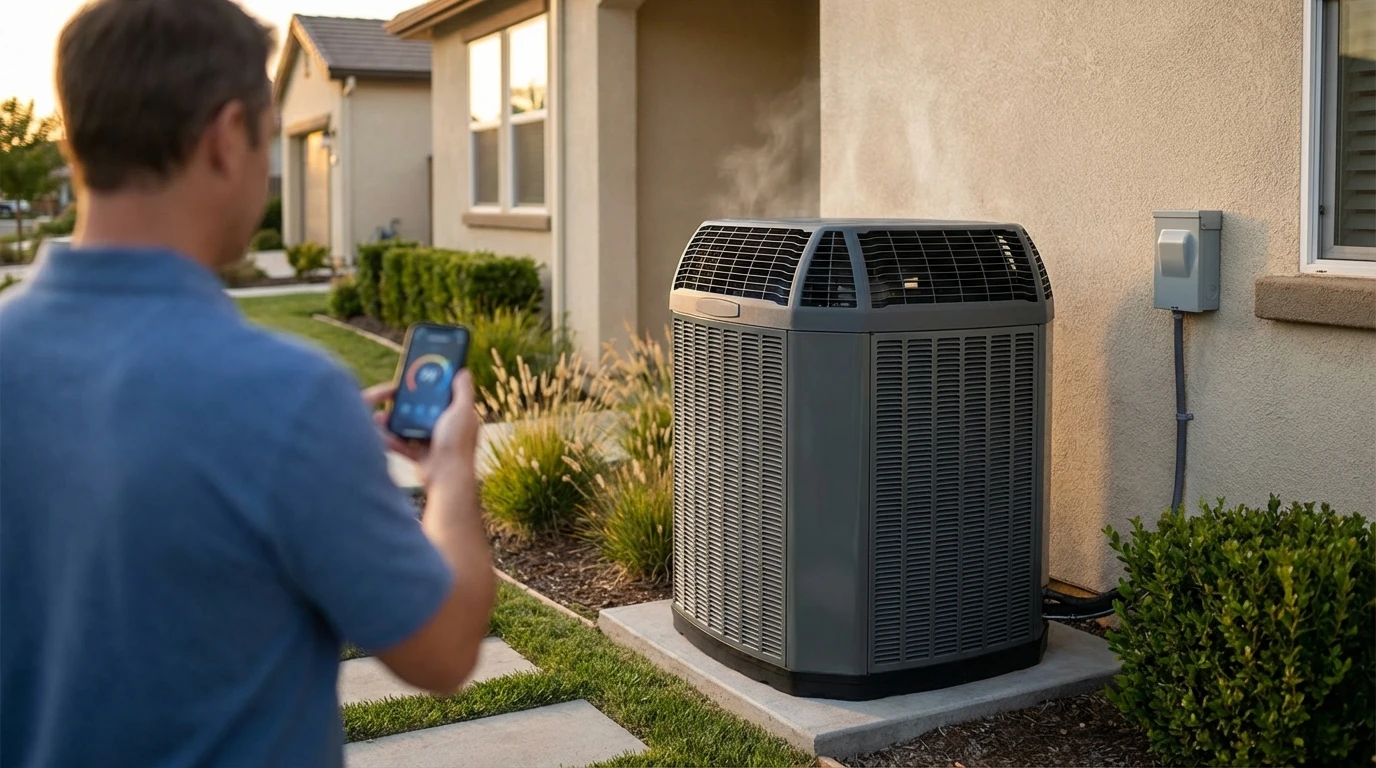
A heat pump is the whole-home efficiency play when your climate and house support it, and it gives you tight comfort control because it modulates output instead of cycling hard. The catch is that its Coefficient of Performance (COP), meaning heat delivered divided by electrical energy consumed, changes with conditions, especially outdoor temperature, so performance and operating cost are climate-sensitive.
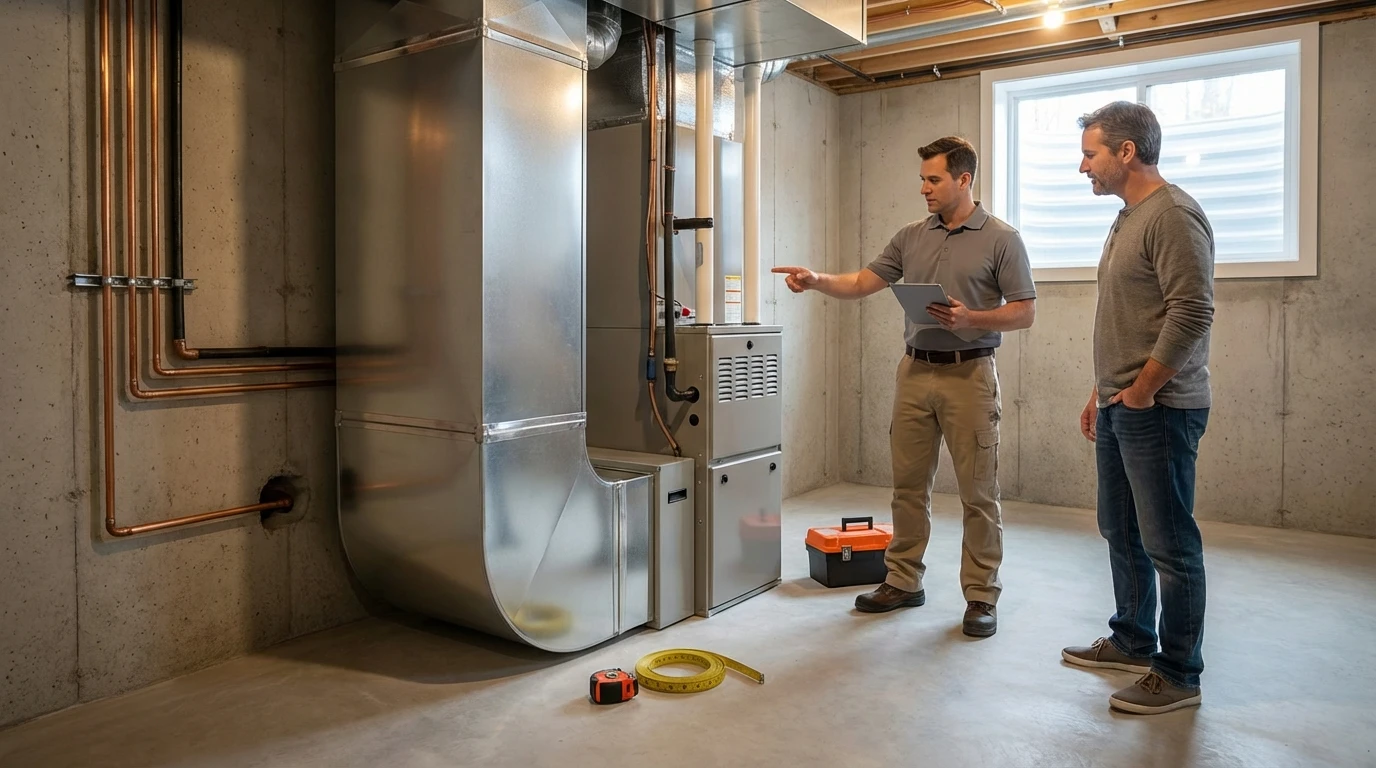
A furnace is the high-output, dependable primary heat option when you want strong capacity in cold snaps. It requires a fuel source and proper venting, and it usually wins on straightforward "blast heat" capability—especially with a high-efficiency vented gas furnace.
Sketch a simple table with systems as columns (ventless stove, heat pump, furnace) and rows for: upfront cost, operating cost, comfort (temperature stability and zoning), installation complexity, maintenance, and indoor-air implications. Fill it using quotes and spec-sheet assumptions, then rank the rows by what you care about most.
For operating cost, think in $/MMBtu. Published charts commonly compare propane, natural gas, and electricity (heat pump) by converting unit prices into delivered heat using efficiency or COP assumptions. Change the assumption and the winner changes.
Actionable takeaway: start with a home energy audit and then get load-informed sizing and quote-based pricing, because your envelope and climate drive real operating cost. A supplier like Budget Heating can request a custom quote for the right-sized system so you can choose the one that matches your primary objective, not a one-size-fits-all conclusion.
Buying, Setup, and Ownership Tips
Even a well-chosen system can go wrong if the details don't match the space or the fuel. Most buyer regret happens before purchase: the unit you want isn't the unit your controls, fuel, or clearances actually support. Start at the top with a sensible BTU range for the space's job (zone heating, not whole-house). Then confirm the control style you expect, and the ignition you're buying: millivolt (continuous pilot/CPI) uses a standing pilot and does not require external electrical power, while IPI (intermittent pilot ignition) does not keep a continuously burning pilot.
Next, read the nameplate and manual, not the listing title. Manufacturers typically label NG vs LP on the nameplate and state whether the appliance is field-convertible, often citing specific conversion kit numbers. Then verify the manual's stated clearances and any room restrictions, and keep the warranty terms and support contact info handy. Budget Heating presents itself as a wholesale direct-to-consumer HVAC supplier with trusted brands, fast shipping, and support resources, including Spanish-language support.
Each season, inspect for dust buildup, follow the manual's cleaning steps, and watch indoor humidity. If you notice performance changes, unusual odor, or sooting, stop using the unit and call a qualified professional. If the nameplate/manual and your space don't align, don't force the purchase.
Conclusion
ventless gas stoves deliver immediate, cozy supplemental heat, but they only make sense with disciplined, code-aligned ownership.
That "99% efficient" claim is largely a no-flue-loss context, and legality still varies by jurisdiction. The reason they feel so warm is simple: the heat stays in the room, and so do combustion byproducts and added moisture, so treat the stove as zone heat, not a whole-home plan. Keep the guardrails non-negotiable: UL-listed CO alarms, proper clearances, and enough combustion air based on unconfined-space logic.
Before you buy, compare delivered heat using $/MMBtu thinking and climate-sensitive heat-pump COP, especially if your original goal was cozy comfort without a major remodel. Then check incentives: residential efficiency tax credits have an overall annual limit of $3,200, including up to $1,200 for eligible home envelope improvements, and use the rebate center, then compare systems to find location-based savings and get help choosing the right supplemental or whole-home system.
Wrapping Up
A ventless gas stove can be a satisfying way to add instant, fireplace-like warmth without the cost and complexity of a chimney or major renovation. The reason it feels so effective is also the core tradeoff: with no flue, the heat stays in the room, and so do moisture and combustion byproducts, which is why the "up to 99% efficient" claim needs to be read as "no flue loss," not as a guarantee of whole-home performance.
The smartest way to use vent-free heat is as supplemental, room-by-room comfort, sized for the space and matched to where people actually spend time. Keep the guardrails non-negotiable by verifying local legality, following the listing and manual for clearances and room requirements, planning for adequate combustion air, and using properly listed CO alarms as part of safe ownership.
Next, compare your options using delivered-heat economics and your home's comfort goals, then choose the system that fits your space, your sensitivity to indoor air factors, and the way you actually live.
 Cooling
 Learning Center
 Money Saving Tips
 Product and Brands Insights
 State by State
 HVAC Systems