




 buying guides
 heating
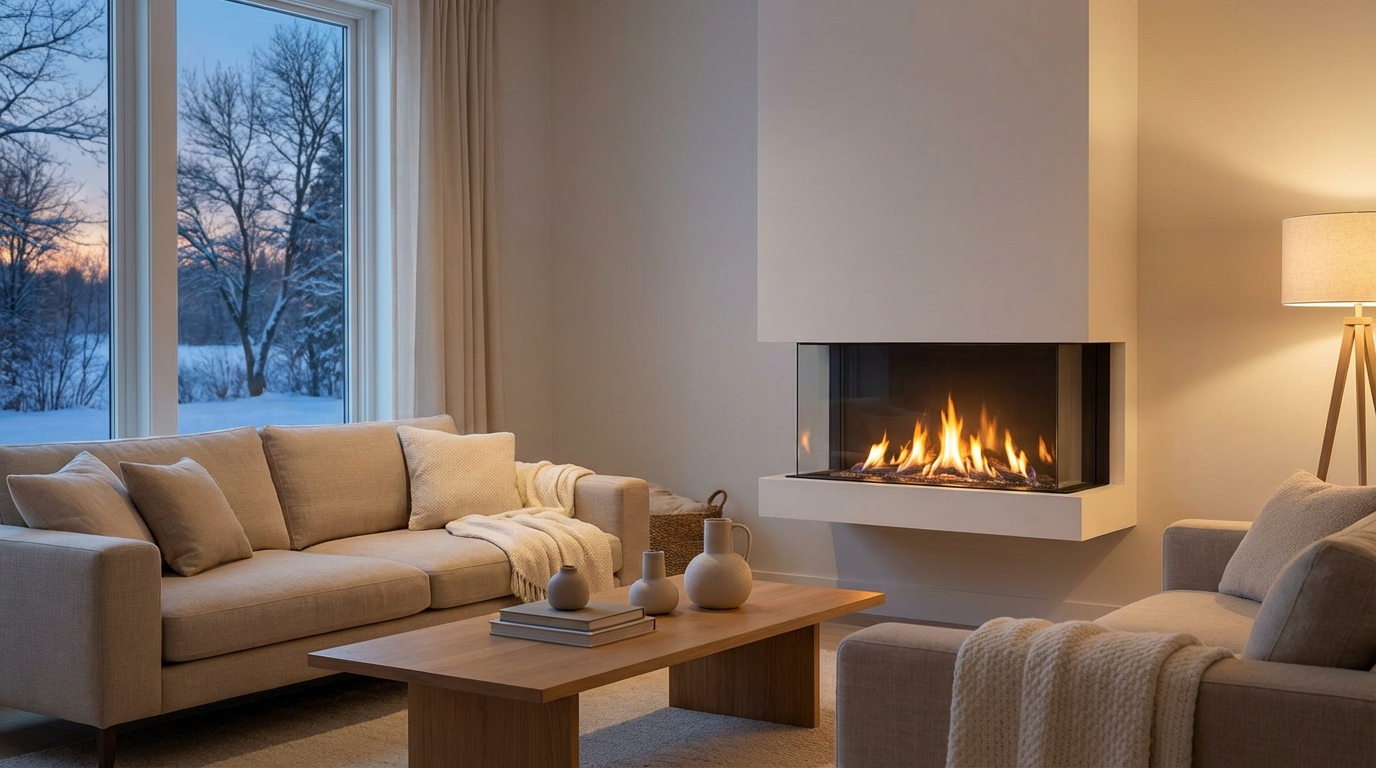
You want real heat and a real flame look in 2026, but you don't want to open walls or ceilings to run a chimney or flue. The hang-up is never the product photo. It's the permit counter question: "Is this even allowed here?" followed by the day-to-day worry that the room will feel stuffy, damp, or uncomfortable once it's running.
Ventless units look like the simple answer because installation can be fast and the footprint is small. Buyers still get pinned between convenience, local restrictions, and modern expectations for indoor comfort.
The tradeoff is straightforward: flexibility and speed on one side, and legality, safety expectations, and correct sizing and usage on the other. International Codes (I-Codes, including IFGC) are the most widely adopted model codes and are implemented in all 50 U.S. states, but enforcement is local. I-Codes are updated on a three-year cycle; 2024-2026 language updates and local amendments can change what's allowed and what installers will sign off on. Your buying lens stays consistent: confirm what your jurisdiction permits, evaluate built-in safety features, size for the space, choose the right fuel, and keep alternatives on the table.
You'll leave with a clear framework to buy the right ventless option, or pivot confidently to a heat pump, mini split, or high-efficiency furnace when it's the better match.
Ventless Gas Fireplace Basics (and 2026 Considerations)
A ventless (vent-free) gas fireplace feels like an easy purchase because it heats fast without a flue, but in practice it is a comfort-and-permissions decision, not just a style choice. The whole point is that combustion products are delivered to the room instead of being routed outdoors, which is why these units can feel powerful for zone heat and why your indoor-air tolerance matters every time you run it.
Manufacturers market ventless sets around clean, complete combustion, using burners designed to burn fuel cleanly enough to eliminate the need for a vent. That design choice is also why marketing leans hard on "up to 99%" type efficiency language: heat stays in the room instead of going up a vent.
In 2026, the pass-fail item is the listing. Unvented room heaters must be listed in accordance with ANSI Z21.11.2 (CSA) and installed according to the conditions of their listing, meaning the exact fuel, configuration, and installation limits on the data plate and manual are the rules you and your installer are held to.
ANSI Z21.11.2 requires vent-free (unvented) heaters be equipped with an Oxygen Depletion Sensor (ODS), a safety shutoff that trips on low oxygen. Treat an ODS as a minimum safety device, not a comfort or indoor-air-quality solution.
Efficiency claims also tie back to test requirements: the referenced CSA/ANSI standard requires measurement and recording of fireplace efficiency and heat output at maximum rated input and at reduced input, which is why spec sheets often show performance at more than one firing rate.
Combustion of natural gas or propane produces water vapor as a byproduct. In a real room, that moisture load often shows up as rising humidity, warmer-but-clammier air, and a higher chance of window condensation on cold glass.
Indoor moisture can be reduced by diluting indoor air with drier outdoor air or by condensation on cold surfaces. The first option is intentional ventilation; the second is your building acting like a dehumidifier in the worst way, by wetting the coldest parts of the envelope.
- Confirm local acceptance before you shop, because restrictions vary by jurisdiction and local amendments change what an inspector will approve.
- Insist on an ANSI Z21.11.2 listed appliance with an ODS and follow the listing conditions exactly.
- Plan for your humidity behavior: if you will not ventilate during use, do not expect "dry heat" comfort.
- Pick a heat pump or dual-fuel system when you need whole-home heat, want cooling in the same equipment, run heat daily, or anyone in the home is sensitive to humidity and indoor-air contaminants.
Once you've confirmed the appliance category makes sense for your space and your local rules, the next make-or-break factor is output. Ventless units can feel "too strong" in the wrong room, and that's a sizing problem more often than a product problem.
Sizing & BTU
Sizing is where most ventless regrets come from. Correct output keeps you in the comfortable zone; the wrong output leaves a room stuffy, too hot, or suddenly dealing with window condensation.
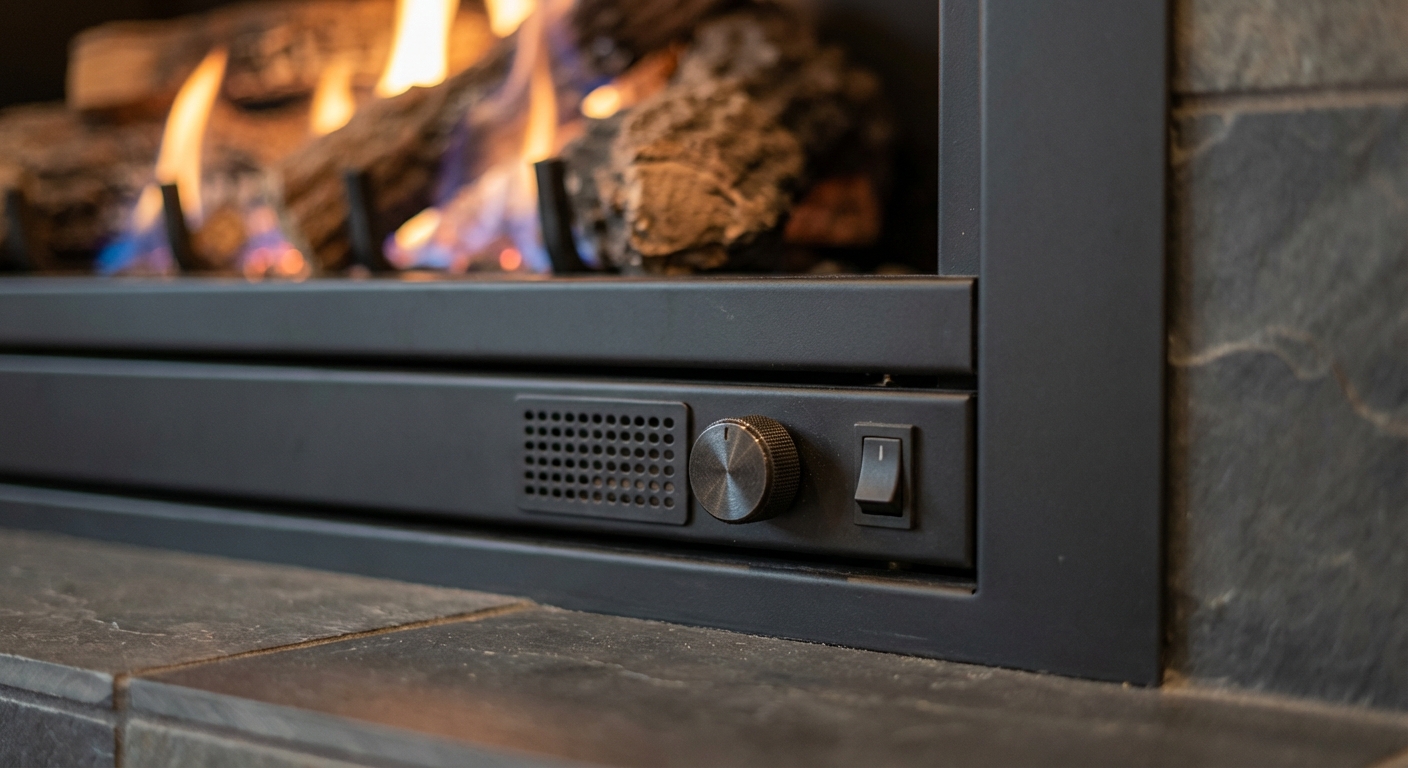
Shop by BTU/hr, the heat input or heat output rate models are rated in, because that number determines how fast a zone heats up and how hard it is to keep it stable. The friction is real: open layouts behave like one big zone, and ceiling height quietly adds volume that your square-foot estimate misses.
Oversizing backfires in comfort terms: the room hits "too warm" quickly, you end up cycling the unit in short, uncomfortable runs, and the moisture and condensation side effects become more noticeable.
- Define the heated zone: a single closed room, or an open concept area that shares air freely.
- Measure approximate square footage and ceiling height (8 ft vs 10-12 ft changes the result).
- Select a starting range: ~20 BTU/sq ft baseline; 20 to 30 BTU/sq ft for most living rooms and bedrooms; 30 to 40 BTU/sq ft for kitchens and bathrooms. Adjust upward for colder climates or weaker insulation, which is why most BTU calculators ask for both climate and insulation inputs.
- Sanity-check with the room volume rule before you commit to a model.
- Choose an output level by usage intent: lower output for occasional ambiance, higher output for frequent supplemental heat where you expect real temperature lift.
Use the commonly cited combustion-air sizing rule: 50 cubic feet of room volume per 1,000 BTU/hr of total appliance input. It exists because a unit that is "fine on paper" by square footage can still be ill-suited or disallowed in small rooms once you account for actual air volume.
If your room volume check fails, treat it as a stop sign: downsize BTU/hr, expand the zone (doors open to connected volume where permitted), or choose a different heat source for that space.
Condensation surprises people because it is not only about "more moisture." At the same water vapor pressure, a colder room has higher relative humidity (RH) than a warmer room, so cold glass and exterior-wall corners reach the dew point first.
One practical mitigation that actually moves the needle: keep surfaces warmer, especially windows, using better air sealing and insulation at the window assembly so the inside glass temperature rises.
Before you shop, have these three numbers written down:
- Room square footage
- Ceiling height
- Your target BTU/hr range plus the room-volume rule pass/fail result
In most homes, this keeps ventless aligned to what it does best: zone and supplemental heat. When you need whole-home, even-temperature coverage across many rooms, the central system is the correct tool.
After sizing narrows your options to a realistic BTU range, the remaining deal-breakers are practical: the fuel you can supply, the safety devices you can verify, and the installation details an inspector and installer will accept.
Fuel Type, Safety Features, and Installation Realities
The wrong fuel or missing safety verification is the fastest way to a failed install. Fuel choice and safety verification determine whether a ventless purchase is serviceable, approvable, and safe to live with.
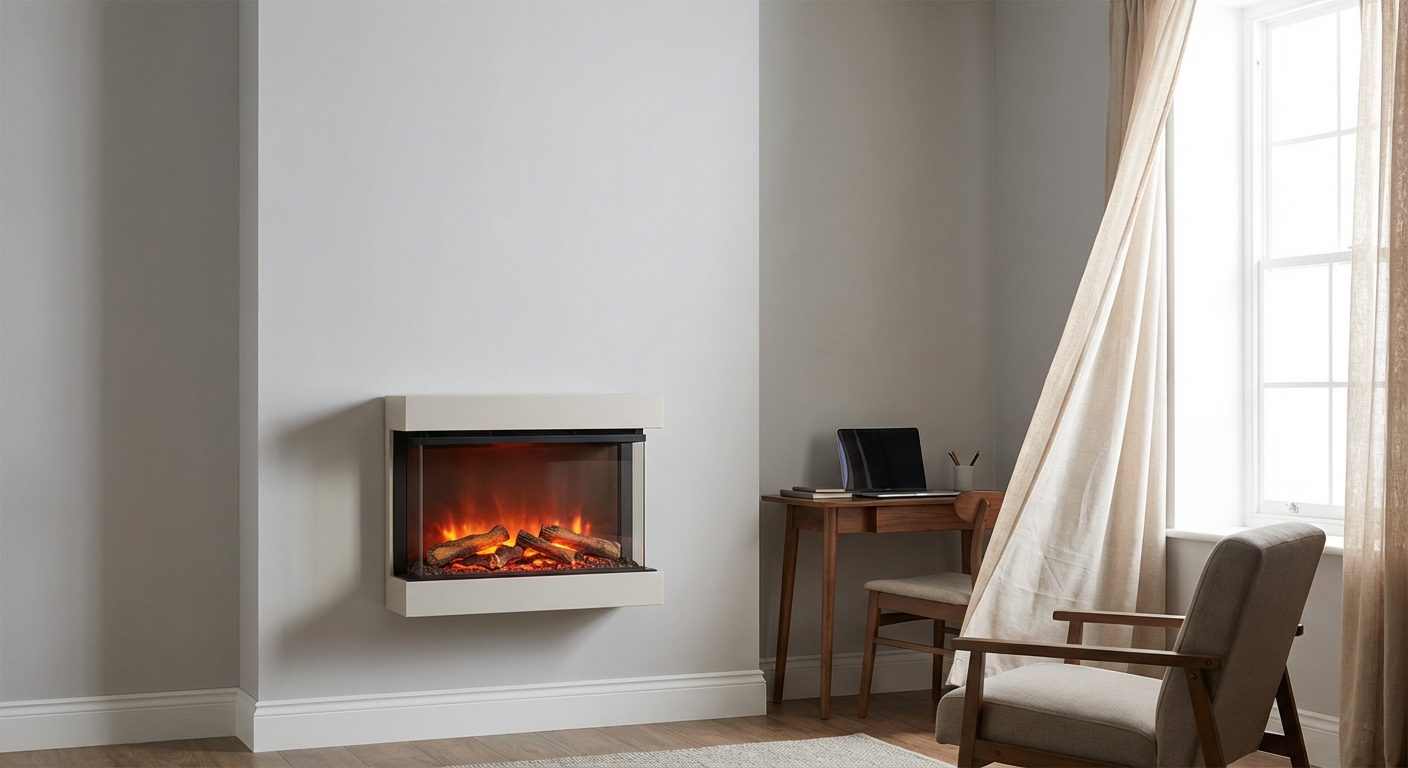
Natural gas (NG) is a utility-line decision: if you have a meter and adequate capacity, supply is simple. Propane (LP) is a tank decision: you are responsible for tank placement, refills, and access. Performance expectations also change because NG runs about 1,030 BTU per cubic foot, while propane runs about 2,516 BTU per cubic foot, so propane delivers more than twice the energy per cubic foot. The practical implication is straightforward: at the same BTU rating, LP typically needs less volume of gas flow, but you are managing stored fuel instead of a continuous utility feed.
Order the correct fuel model up front. You cannot legally or realistically convert gas vented fireplaces (natural vent/B-vent or direct vent) into ventless/ventfree/unvented units. Even within gas appliances, conversion is often restricted or one-way; AO Smith, for example, allows conversion on certain water heaters only from LP to natural gas. Treat "convertible" as a listing-specific claim, not a default feature.
A CO detector targets carbon monoxide, not oxygen concentration. Verify the unit is listed, confirm what external safety equipment is required, and ask your installer what shutoff valve and connector approach they expect to meet code and the appliance listing. CO alarms tied to installed systems must comply with ANSI/UL 2075 (and consider a smoke and carbon monoxide alarm as an added layer of protection).
CO detector placement reminder: EPA guidance is to place a carbon monoxide detector on a wall about five feet above the floor (about eye level).
- Is ventless allowed by local code here, and is a permit or inspection required?
- Will you install this exact model as listed, without field modifications?
- Do I have adequate gas supply and pressure at this location, or do you need a site check first?
- What clearances does the listing require, and do they block my planned placement (mantel, TV, built-ins, corners)?
- What shutoff and connector details do you require for sign-off?
Order the right fuel model, require listing compliance, and schedule a pro site check before purchase if anything is uncertain.
Once you know what you can install and how it will be supplied safely, the decision turns into a cost question: not just the unit price, but what you'll actually spend to run it in your usage pattern.
Costs in 2026
Operating pattern determines value more than sticker price. If you want zone ambiance a few evenings a week, a ventless unit can pencil out. If you plan to heat daily or you also need cooling, the "best value" in 2026 usually comes from pricing the entire system you will actually run most hours.
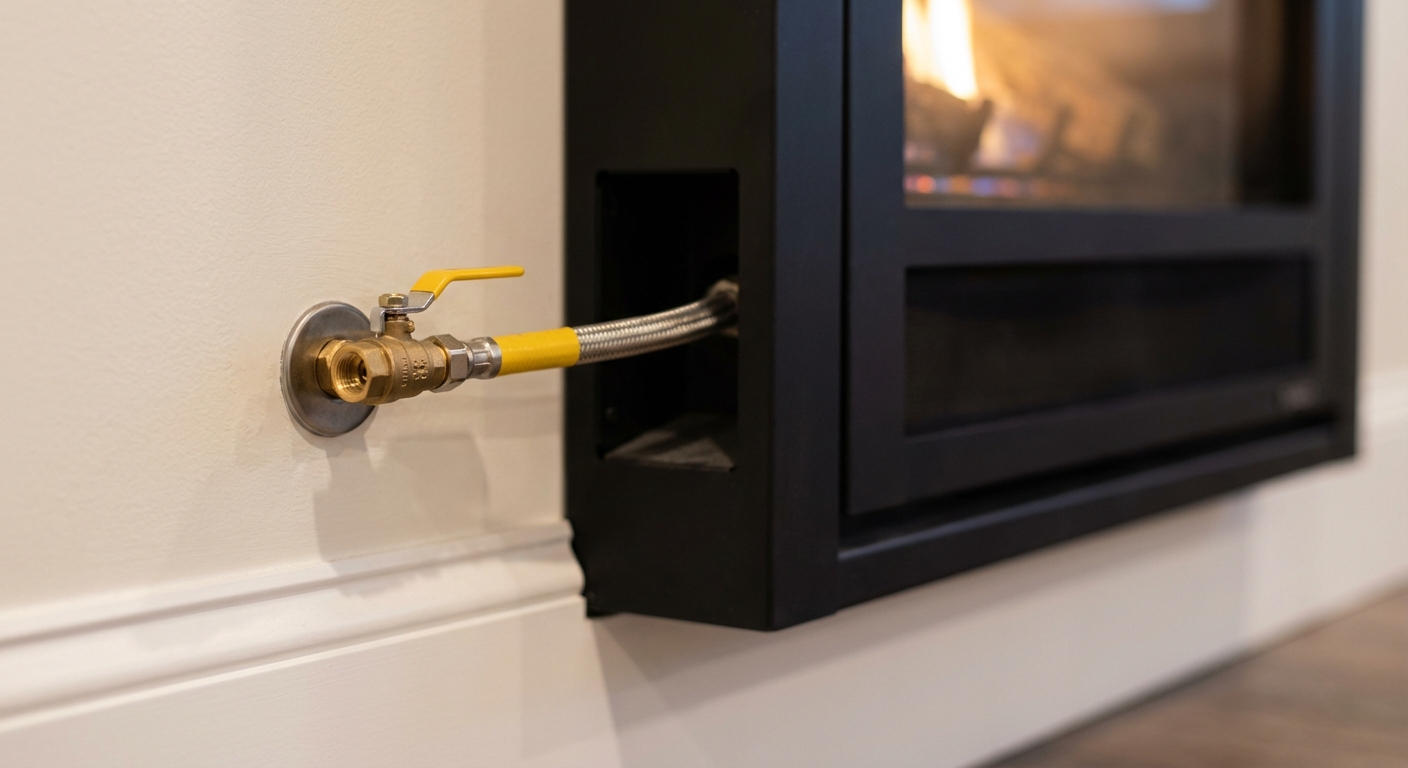
Budget in four buckets: (1) the unit price, (2) accessories that change usability and comfort (blower, remote or thermostat controls, plus mantel or surround depending on format), (3) gas line work and installer labor as a variable you only learn from an on-site quote, and (4) ongoing fuel-cost exposure, because future price swings drive real cost of ownership more than a one-time purchase.
Propane is generally more expensive than natural gas, often ranging from slightly more to up to about 2x or more, so the same BTU hour of heat typically costs meaningfully more on LP than on NG.
If you will run heat most days and you want cooling too, a ductless mini split wins on operating economics because heat pumps can use up to 65% less energy than standard electric resistance heating.
If you care about whole-home comfort and consistent room-to-room temperatures, a heat pump split system beats a single-room heater; compare heating performance using HSPF2 (seasonal heating output per watt-hour in newer test conditions) and COP (delivered heat divided by electric input), with COP around 3.24 as a realistic reference point for some systems.
If winters are cold but you still want heat pump efficiency most of the year, dual-fuel setups switch to a furnace when the heat pump's COP drops, protecting comfort and cost (and in some homes, modulating furnace benefits can further improve efficiency and comfort).
- Request an installed quote that itemizes unit, accessories, and gas work.
- Collect your fuel type and local $/therm or $/gallon, plus your electricity $/kWh.
- Compare against a heat pump option using HSPF2 and COP, especially if you need cooling.
- Price-check heat pumps and mini splits and request quotes so you can compare pricing, billing, and financing options.
The same themes from the beginning still decide whether a ventless unit is the right call: whether it's allowed where you live, whether it's sized for your actual room volume, and whether your safety plan is built on verified requirements instead of assumptions.
Final Checklist
The right ventless purchase in 2026 is the one your jurisdiction accepts, that fits your room's safe BTU and minimum room-volume constraints, and that comes with a real safety plan, not the one with the most features.
- Confirm local acceptance: Ask your AHJ if unvented appliances are permitted under the current I-Codes cycle plus local amendments, and what permit or inspection path applies.
- Verify the listing: Buy a newly produced unit listed to ANSI Z21.11.2; installation, service, and combustion and ventilation air provisions must conform to local codes and the National Fuel Gas Code (ANSI Z223.1).
- Run the sizing sanity-check: Match BTU output to your heating goal, then confirm the manufacturer's minimum room-volume requirement is met (no guessing, no "close enough").
- Lock fuel type: Choose Natural Gas or LP up front, and confirm the exact factory configuration and any required conversion parts.
- Plan alarms, not symptoms: Install at least one UL 2034 CO alarm (the household portable CO alarm standard); CPSC guidance cited by EPA recommends every home have at least one CO alarm meeting the most recent UL standard, and UL 2034 sensitivity testing is based on 10% COHb, which can be imperceptible or feel like a slight headache.
- Validate safety devices: Treat the ODS as a minimum shutoff device, and keep the CO alarm as the carbon monoxide layer.
- Confirm placement and clearances: Verify the exact mounting style and clearance specs for your wall, floor, mantel, and nearby openings.
- Know your full installed cost: Include gas piping, shutoff, electrical if required, finishing materials, permits, and startup.
Get two or three installed quotes, confirm the listing and permit pathway, then shop with confidence. For supported ordering and quotes, you can track your order status once your model, fuel type, and clearances are confirmed.
Wrapping Up
A ventless gas fireplace can be a smart 2026 upgrade when you want fast, real-flame zone heat without the disruption of adding a flue, but it is never just a décor decision. The essentials are practical: confirm local acceptance with your AHJ, choose a unit listed to ANSI Z21.11.2, follow the listing conditions exactly, and treat the ODS and a properly placed CO alarm as baseline safety layers, not optional extras.
Comfort hinges on sizing and expectations. Matching BTU output to your actual zone, including ceiling height and the 50 cubic feet per 1,000 BTU room-volume rule, helps avoid the most common regrets like overheating, short cycling, and humidity-driven window condensation. From there, fuel choice, clearances, and total installed and operating costs determine whether ventless is the best fit, or whether a heat pump, mini split, or dual-fuel system better serves whole-home comfort and efficiency.
Take your room measurements, verify code and listing details, then compare a few installed quotes so you can move forward with confidence.
 Cooling
 Learning Center
 Money Saving Tips
 Product and Brands Insights
 State by State
 HVAC Systems