




 how to guide
 learning center
How to Make Sure You're Getting the Best Price on Your HVAC Unit
Getting the best price means total value, not the lowest number. In our experience, it blends upfront cost, correct system sizing, efficiency that meets your region's SEER2 or HSPF2 rules, reliability, and solid warranty coverage. SEER2 and HSPF2 are the MPG labels for HVAC. Smart shoppers compare total installed value: right capacity, code compliant efficiency, quality installation, and realistic energy and maintenance expectations. Below we outline the drivers that raise or lower quotes and how to balance them.
Key Strategies to Lower Your Total HVAC Cost (What to Prioritize First)
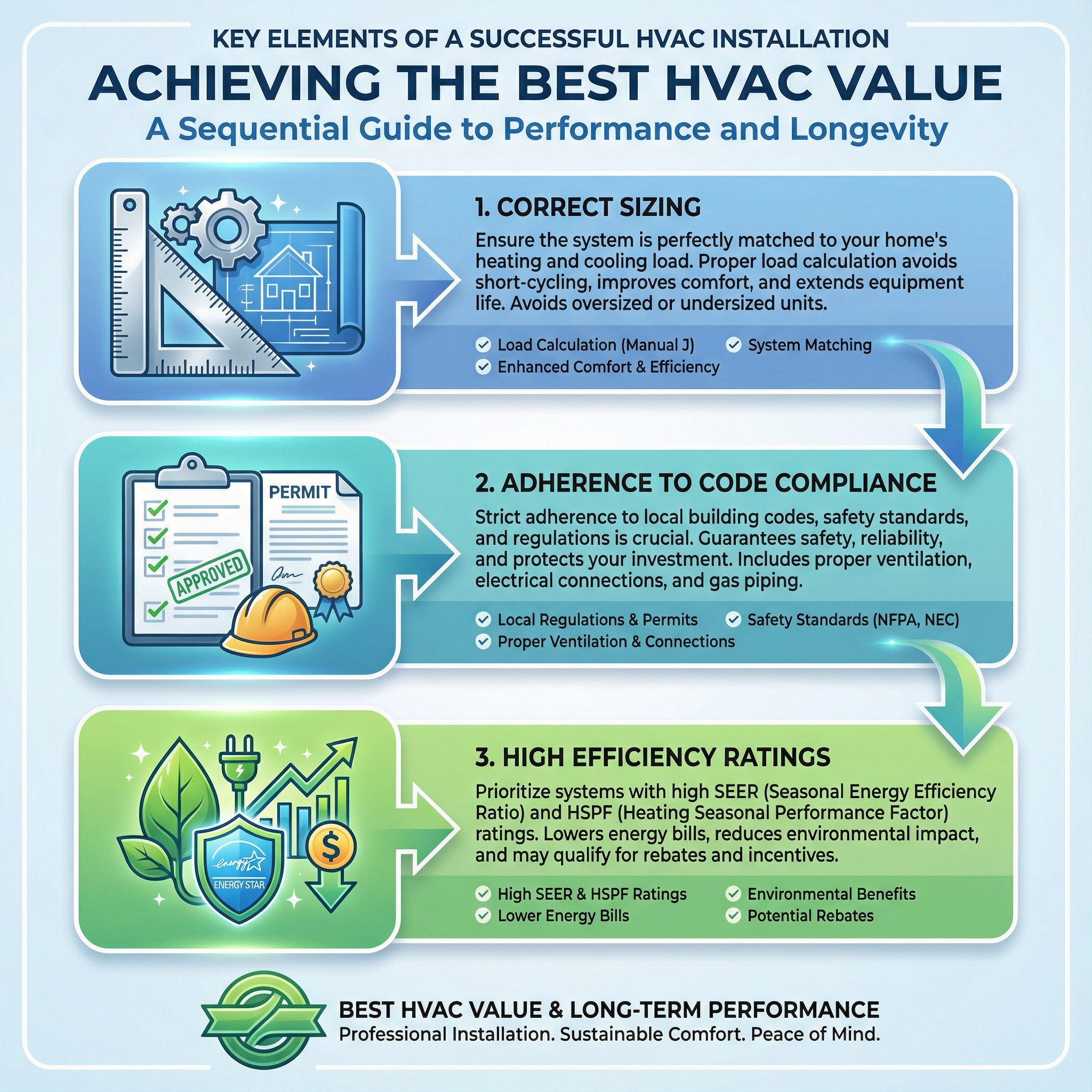
Start with a Manual J load calculation that sizes room by room and factors climate, insulation, windows, and duct losses. It avoids oversizing that short cycles and undersizing that labors. Compare total installed cost: equipment, labor, permits, ductwork, accessories. Balance SEER2 and HSPF2 against payback, mid to high efficiency is often best value. Shop shoulder seasons and use rebates. From our field experience, installation quality and strong warranties beat high ratings installed poorly. Make apples to apples bids, matching capacity, efficiencies, and scope. Treat the home as a system: seal ducts, insulate, air seal to cut load and possibly downsize.
Before You Request Quotes: A Practical Homeowner Checklist
We recommend lining up the basics so every contractor is bidding the same job. Use this checklist to make quotes comparable and reliable.
- Gather home info: square footage, insulation quality, existing equipment type and age, and recent energy bills.
- Set priorities: lowest upfront cost or long term savings, target noise levels, and desired features.
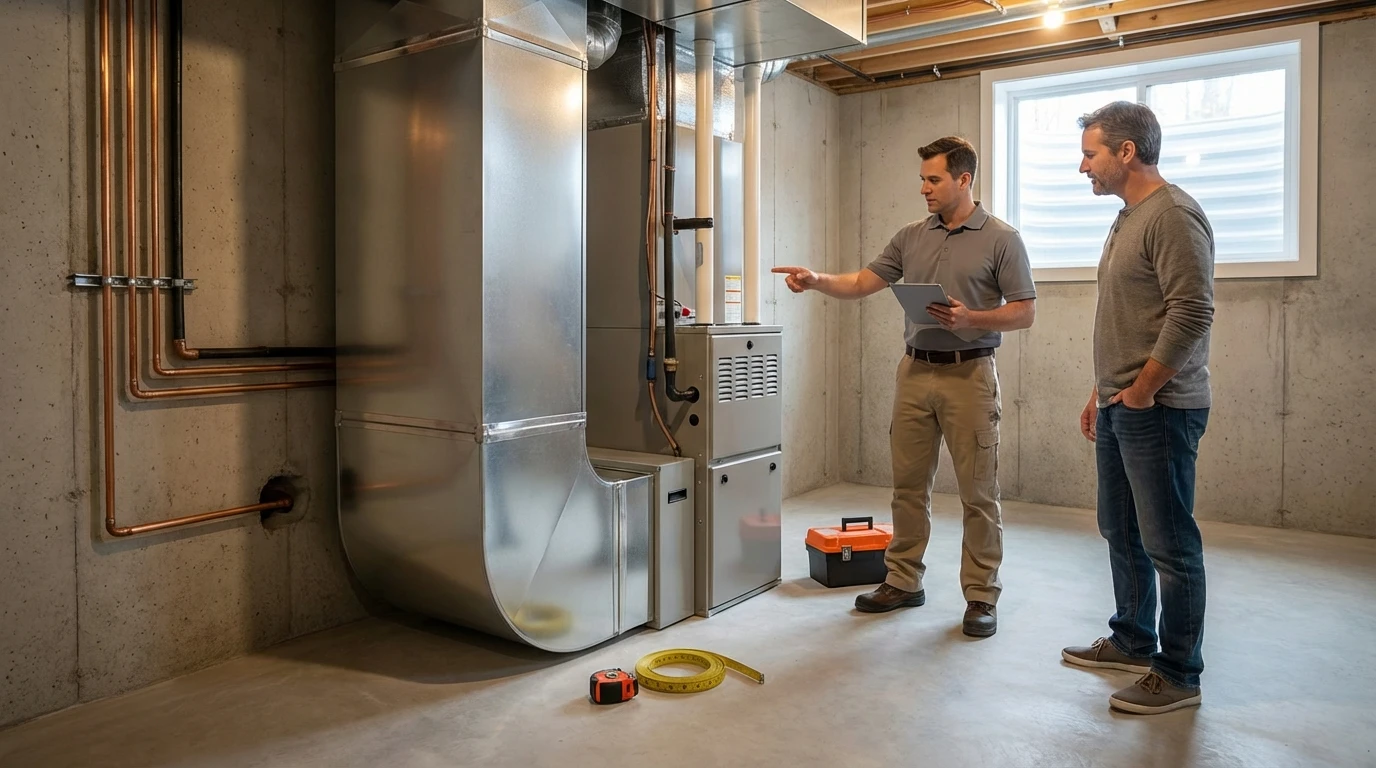
- At meetings: confirm licensing and insurance, require a Manual J or equivalent, and have the ducts inspected.
- Compare proposals: get at least three written, itemized quotes listing capacity in Btu or tons, efficiency ratings (SEER2, EER2, HSPF2), and model numbers.
- Ensure itemization: labor, permits, ductwork, line sets, electrical, accessories, haul away, and operating cost estimates.
- Pricing and warranties: ask about rebates, compare parts and labor coverage length and transferability, and review payment or financing terms.
- Before signing: confirm start and finish dates, removal and cleanup, and that permits and inspections are the contractor's responsibility.
- After installation: request startup and commissioning reports, warranty registration, manuals, and schedule the first maintenance.
Red Flags and Common Myths (When a Low Price Really Costs More)
From years spent troubleshooting HVAC systems, we see the costliest problems start with myths that sound right but are not.
- Bigger is better: oversizing short cycles, hurts humidity control, and raises costs. It is like flicking a light switch over and over, nothing settles.
- Highest SEER always pays: returns depend on climate and run time, not just the label.
- Cheapest installer is lowest cost: poor installation can wipe out rated efficiency and comfort.
- Add refrigerant every year: that usually masks a leak.
- Close vents or shut the system off completely: both often backfire on comfort and costs.
- Skip maintenance: small issues snowball into bigger ones.
There are times when a premium system is not the best move. If the home is leaky or poorly insulated, spend on duct sealing or insulation before upsizing equipment. In some climates or special cases, a properly matched furnace or a ductless system can be a better fit than a high end option.
To avoid paying twice, require proper load calculations (Manual J), ask for itemized bids, get startup and commissioning documentation, and plan routine maintenance.
How to Evaluate Efficiency: SEER2, HSPF2 and the Sweet Spot for Your Home
SEER and SEER2 measure cooling efficiency like miles per gallon. SEER2 is the newer M1 test from 2023, and the same unit will show a lower SEER2 than its old SEER. Always compare SEER2 to SEER2.
- Baseline: about 13.4 to 14.3 SEER2
- Mid tier: about 15.2 to 18 SEER2
- Premium: 18 SEER2 or higher
Higher SEER2 costs more up front but uses fewer kWh. The hotter or more humid your climate and the more hours you cool, the quicker mid or premium tiers pay back, especially with high electric rates. In our experience at Budget Heating (BudgetHeating.com), most homes find best value in mid tier, while light-cooling regions do fine near baseline.
Understand Cost Components: Equipment, Installation, and Hidden Extras
Focus on total installed cost, not just the box price. Think of it like a car out the door price, not the sticker. What drives that number:
- Equipment type: heat pump vs straight AC, and efficiency tier.
- Installation complexity: ductwork changes, line sets, electrical upgrades, condensate handling, and tight access.
- Region and local regulations that affect baseline equipment and code costs.
Ask every bidder for the estimated annual operating cost for the proposed system, using your local utility rates and stated usage assumptions. Compare the installed price plus 10 to 15 year energy costs. Treat rebates and tax credits as reductions to your effective upfront cost.
Use negotiation levers: request good, better, best options, then use well documented competing bids to improve price, added value like a thermostat or extended warranty, or terms. In our experience at Budget Heating (BudgetHeating.com), this beats chasing the absolute lowest number.
Research Local Prices and Regulations: What to Check in Your Area
Regional rules shape what you can buy and what a fair price looks like. Since 2023, the DOE uses SEER2, EER2, and HSPF2, and raised minimum efficiencies. Heat pumps increased nationwide, while AC minimums vary by region, with extra EER2 thresholds in hot-dry areas. We routinely see quotes that ignore these limits. If a system misses your area's SEER2 or EER2 minimum for its capacity, it cannot be legally sold or installed. The 2023 transition also pushed suppliers to refresh product lines, which affects pricing.
- Confirm your DOE region.
- Check AHRI certificates or manufacturer spec sheets for SEER2, EER2, HSPF2.
- Verify the proposed capacity meets your region's minimums.
- For hot-dry areas, confirm any added EER2 requirement.
- Reject quotes that are not compliant.
Protect Your Investment: Safety, Maintenance, and Warranty Essentials
We recommend yearly pro tune ups, twice yearly for heat pumps, to protect efficiency and warranty. Techs should check refrigerant charge, electrical connections, safety controls, condensate drains, and airflow. For gas furnaces, inspect combustion and venting to prevent carbon monoxide, and keep drains and disconnect accessible. Skipping maintenance raises bills and void risk. A $150 tune up under a service plan can prevent a $1,200 blower or $2,000 compressor.
Why This Guide Matters: Your Next Steps to a Fair HVAC Deal
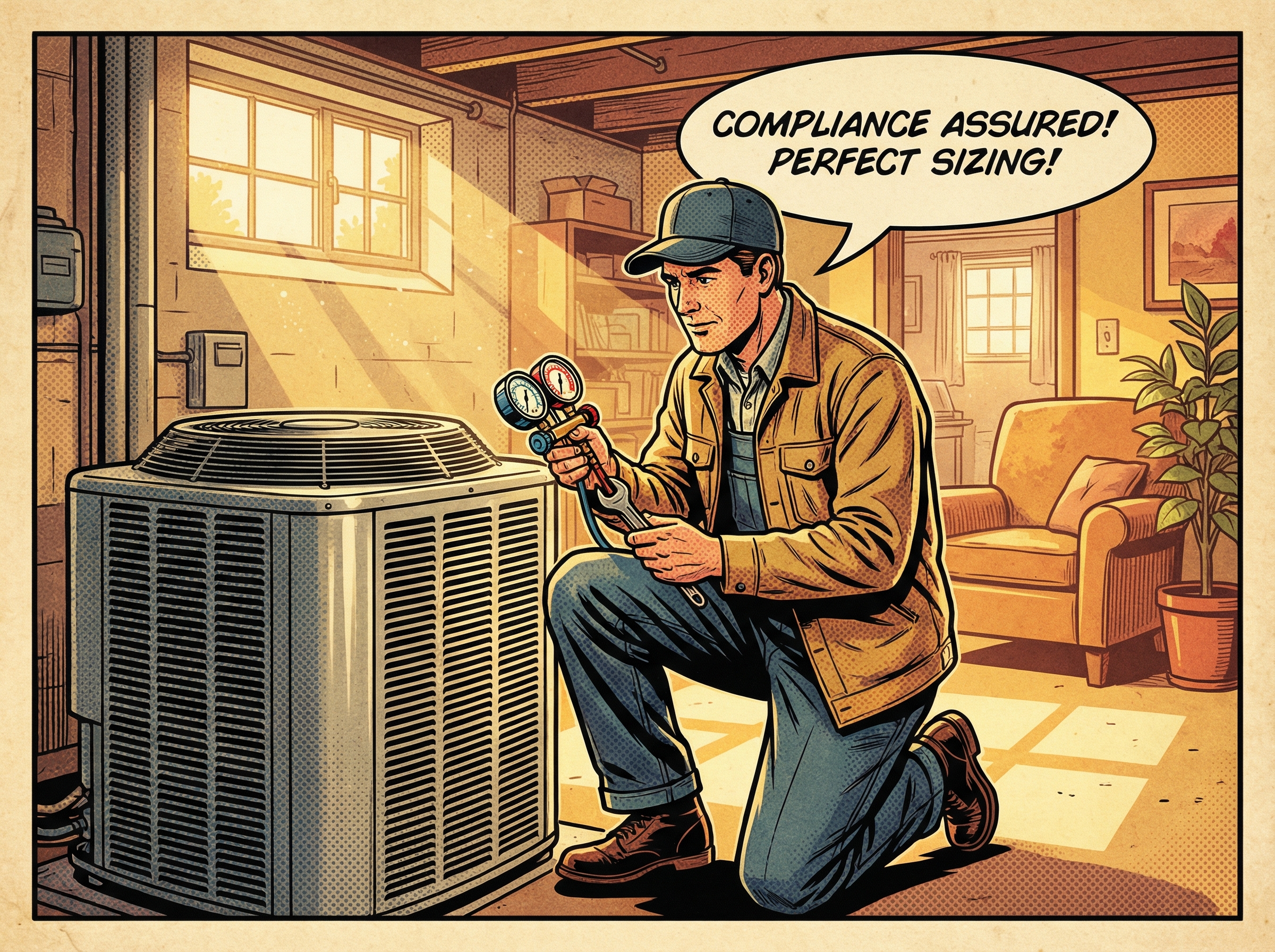
This guide, How to Make Sure You're Getting the Best Price on Your HVAC Unit, treats the purchase as a total value decision: correct sizing, code and warranty compliance, installation quality, and lifetime costs. It exists to help homeowners, landlords, and small businesses compare bids, negotiate clearly, and secure a fair installed price without losing reliability or efficiency. Next steps: gather apples-to-apples quotes, verify load calculations and scope in writing, and prioritize installer quality over the lowest sticker number.
Final Checklist and Action Plan to Secure the Best HVAC Price
To lock in the best price and long term value, treat this as a whole system investment. Verify proper sizing and region appropriate SEER2, EER2, HSPF2. Get three itemized bids from licensed, insured contractors, then compare total installed cost. Weigh efficiency by lifetime energy cost, use rebates and off peak scheduling, and prioritize install quality, warranties, and maintenance. We know this is a big decision. Lean on our 30 plus years and in stock inventory to make the next step simple.
- Get a Custom Quote, our team will size and spec the right match at wholesale pricing.
- Talk to Our Team by phone for U.S.-based technical guidance before you buy.
- Shop Heat Pumps, AC, and Furnaces with fast shipping and Affirm financing.
 Cooling
 Heating
 Money Saving Tips
 Product and Brands Insights
 Buying Guides
 State by State
 HVAC Systems