




 buying guides
 cooling
 learning center
A fitness studio that runs packed classes at 6 a.m. and sits empty by noon can swing from dripping windows to bone-dry walls in the same day, yet you are still being asked to pick a single "pints/day" unit.
You are on the hook for a number that fits the budget and actually holds performance, because if humidity wanders you own the callbacks, the complaints, and the damage.
Right-sizing is about control and protection, not chasing a label. CDC/NIOSH commonly recommends "moderate" indoor RH around 40% to 60%, and EPA moisture guidance is blunt: control moisture to prevent building problems, because elevated RH drives surface condensation and increases mold likelihood. Published ratings rarely match your outdoor air, door traffic, and real run hours, so mistakes show up fast: oversizing causes short-cycling; undersizing cannot hold the target RH; both drive higher energy use and comfort or IAQ complaints; and low loads or low temperatures can trigger icing and defrost issues.
You will document indoor setpoint (temperature and RH), outdoor air and ventilation, infiltration from doors and leakage, internal moisture sources, and runtime goals, then translate it into a quote-ready capacity target in pints/day or lbs/hr.
Understand the Key Sizing Metrics
Pints/day is a condition-specific rating, treat it like a speed rating, not a constant. Dehumidifier sizing only works when you match three numbers, capacity, airflow, and the target humidity condition, to the same operating conditions you expect in the space.
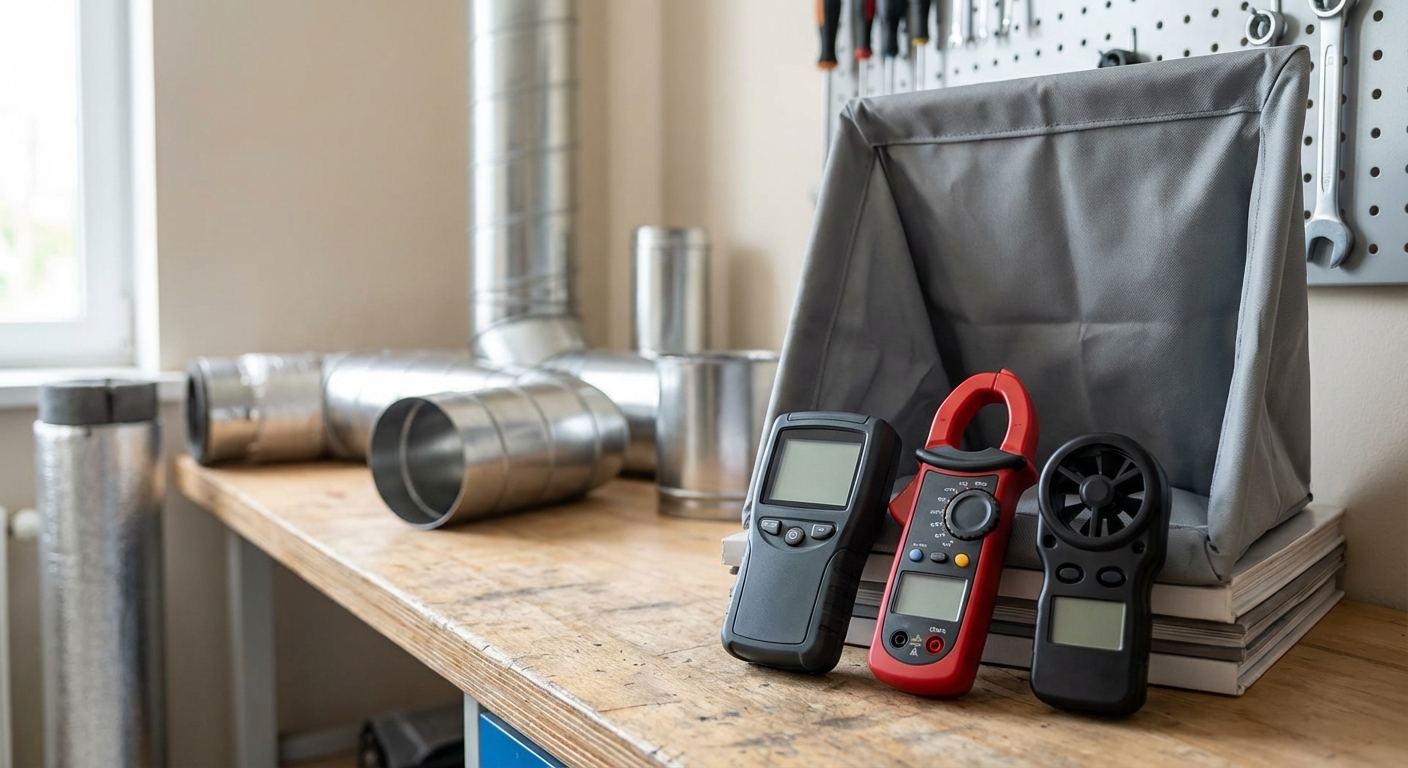
Capacity (pints/day) is the amount of water a unit removes in 24 hours at specified inlet air test conditions set by DOE test methods. Those test points are fixed, but your building is not, so the same unit's real pints/day changes as entering air temperature and moisture level change. For certain categories, rating standards also exist, for example AHRI 910/911 for indoor pool dehumidifiers, which reinforces the same point: published capacity is inseparable from the inlet condition. When you need lbs/hour for load math, use the correct conversion: a pint of water weighs about 1.04 lb, so 1 lb of water is about 0.96 pints.
Airflow (CFM) is the volume of air moved, and it limits how much moisture the machine can actually process per hour. The latent removal relationship used for sizing is: HL = CFM × 0.68 × ΔWgr, where ΔWgr is the grains difference between entering and leaving air.
Relative humidity (RH) is a percentage tied to temperature, so the same moisture content can "read" differently as the space warms or cools. Dew point directly predicts condensation risk on surfaces, which makes it the cleaner control target when sweating is the failure mode. Humidity ratio (W), the mass of water vapor per mass of dry air, stays stable for load math even when temperature shifts.
Spec-sheet takeaway: ask, "At what inlet condition is this capacity stated, and does it resemble my space and control target?" If you're comparing against what air conditioning can (and can’t) do for humidity control, it helps clarify when a dedicated unit is needed.
If you’re ready to compare dehumidifier product options by category, use your target inlet condition, capacity, and airflow to shortlist models that actually match your space.
Gather Your Inputs
Those metrics only become useful once you pin down what is actually driving moisture in the space. Commercial dehumidifier size is rarely "mystery moisture"; it is the sum of moisture coming in from outdoors plus moisture generated inside by people, processes, and wet surfaces/materials.
Outdoor-air (OA) latent load is driven by airflow and humidity ratio difference: moisture load ∝ CFM × (Wout − Win) (W is moisture per dry air). Get the ventilation CFM from mechanical schedules or TAB reports, then pair it with your target indoor condition and a design outdoor condition (ASHRAE design weather is the standard source).
Infiltration is the other half of "outdoor air," and doors often dominate it in real buildings. Treat total infiltration as structural leakage + door-open events, not one or the other.
- Estimation approaches to use when you lack data: ACH-based estimate for structural leakage; door-opening or door-CFM approximations for traffic. Add them together for total infiltration.
- Occupants: latent gain varies by activity; example table values include 245 Btu/hr per person (office work) and 580 Btu/hr per person (heavy manual factory work) from EngineeringToolBox human heat gain tables.
- Processes: cooking, dishwashing, laundry, wash-down, curing/drying, steam kettles, humidifiers.
- Wet materials/inventory: stored wet product, porous packaging, new concrete/wood drying in place.
- Open water surfaces: pools, tanks, sumps; evaporation depends on surface area, water temperature, room air temperature, and room-air RH, and DOE tables exist for pool evaporation rates.
If you have an open water surface, write down water area and temperatures plus room-air targets, because those variables control the evaporation rate.
| Space type | Dominant moisture drivers |
|---|---|
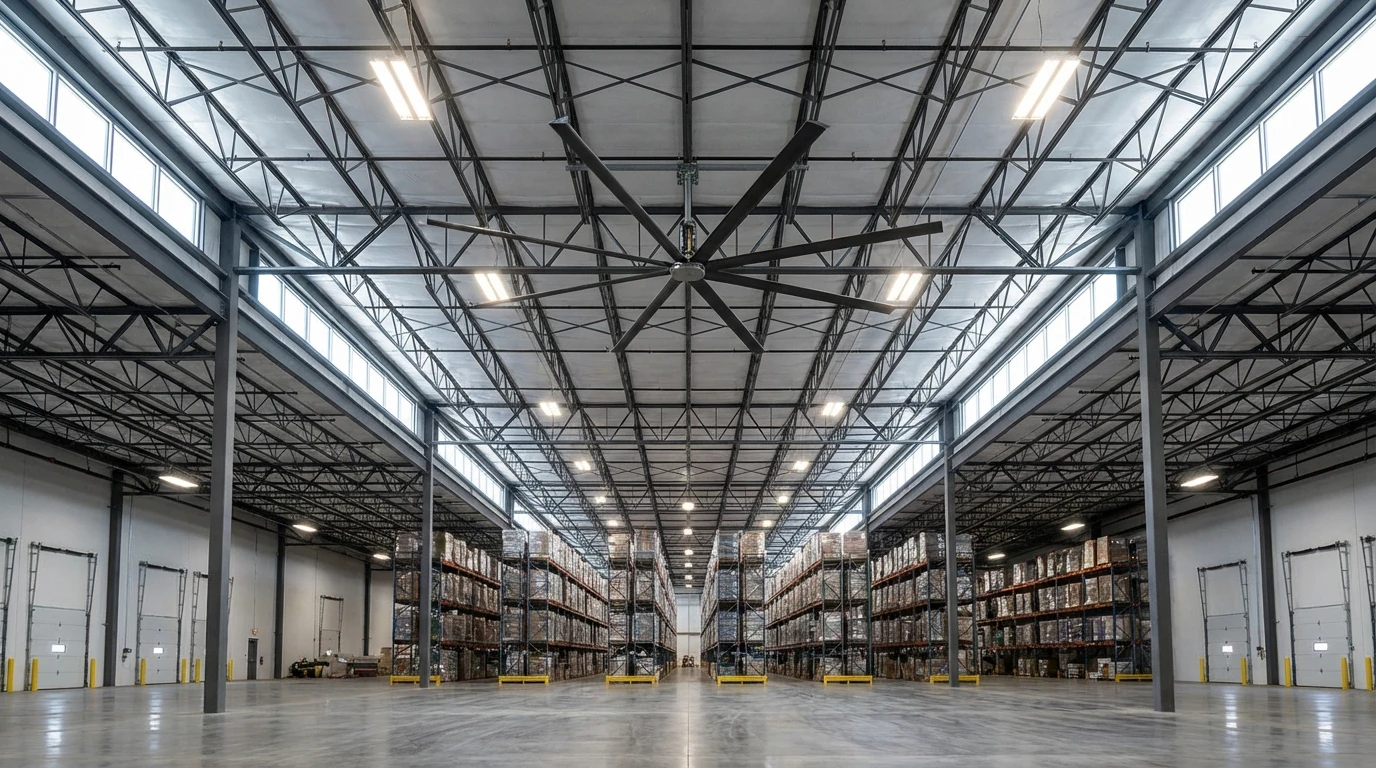
| Warehouse | Infiltration from doors, OA ventilation, wet pallets/product |
| Gym | High occupant latent load, ventilation requirements, showers |
| Commercial kitchen | Cooking/boil-off, dishwashing, make-up air |
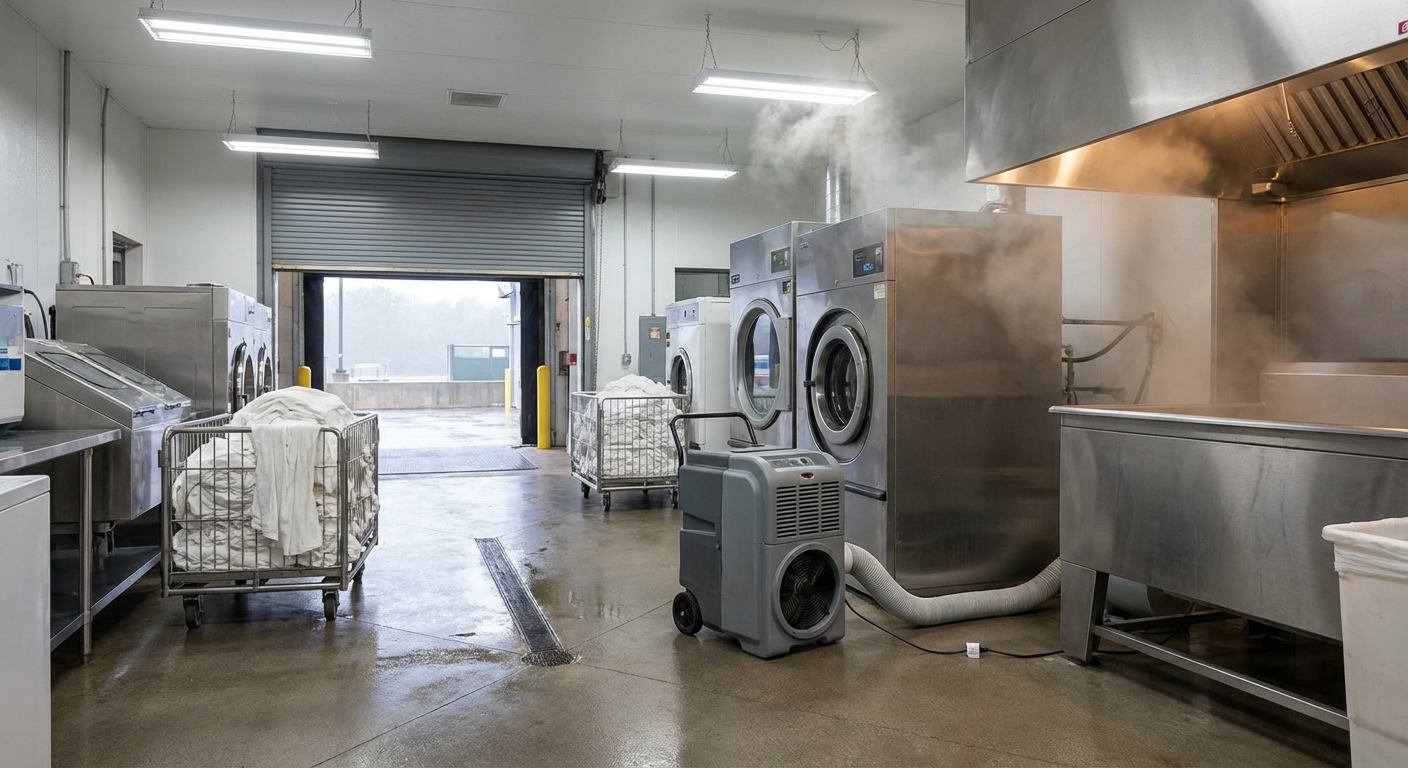
| Laundry | Dryers and wash water, exhausted air, damp inventory |
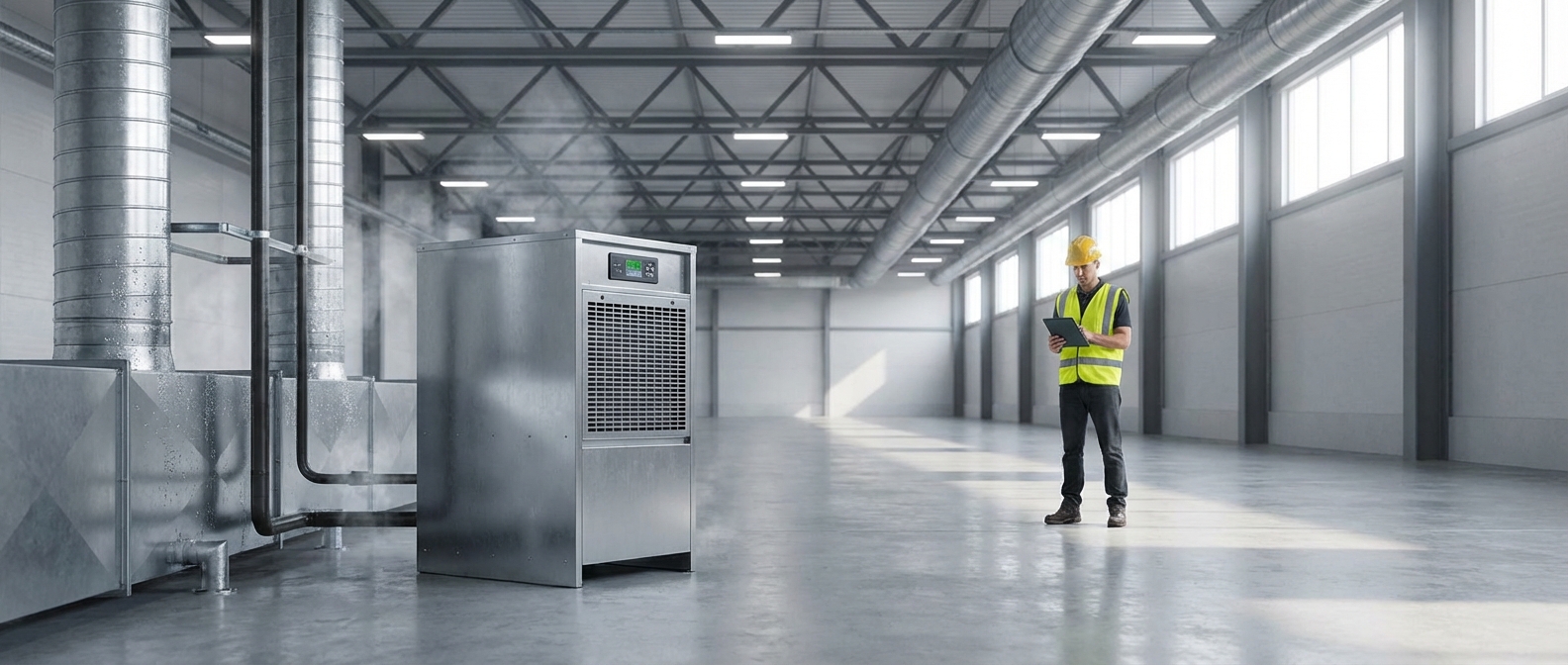
| Indoor pool room | Pool evaporation, ventilation air, door traffic |
| Archive/storage | OA/infiltration control, minimal internal generation |
- Record must-haves: ventilation CFM, target indoor condition, design outdoor condition, a basic infiltration assumption (ACH plus doors), and any major internal moisture drivers.
- Collect nice-to-haves: door-open counts/schedules, production moisture rates, and logged indoor/outdoor humidity data (DB/WB/RH inputs convert cleanly to W in standard psychrometric tools).
- State every assumption in one line (source: TAB, BAS trend, spot measurements, or engineering estimate) before you run any math, especially if you’re relying on mini-split humidity control considerations rather than dedicated dehumidification.
A Simple, Repeatable Sizing Method
Once the inputs are documented, the sizing math becomes straightforward and repeatable. A defensible dehumidifier size comes from a defensible latent moisture load, not a rule-of-thumb guess, and you can get that load with the same repeatable 4-step workflow on most commercial spaces (similar in spirit to this quick sizing guide for air conditioners).
- Use 75°F with a chosen RH as your baseline design point (50% to 60% is common in sizing examples). Pick one number and stick to it, because it pins down your indoor humidity ratio (Win) and defines the target you are actively holding. In this example, use 75°F and 55% RH, which corresponds to Win = 0.010 lbw/lbda. The lbs/hr result you calculate later is the latent moisture load, meaning the rate of water vapor you must remove to hold this condition.
- Pull your outdoor design condition from published design weather (ASHRAE design conditions or equivalent) and size to near worst-case humidity so you do not run out of capacity on the muggiest days. For a copy-and-paste example, use Wout = 0.016 lbw/lbda. Add up the airflow that brings outdoor moisture inside: mechanical ventilation plus infiltration. Infiltration can be estimated with standard crack/air-change methods, and door infiltration is commonly handled as CFM per door times number of doors, then summed with structural leakage. Worked example (small warehouse): 100 CFM of outdoor ventilation air plus 50 CFM of infiltration = 150 CFM total outdoor air equivalent (see practical considerations for HVAC systems for warehouses and other large spaces). Worked example (small warehouse): 100 CFM of outdoor ventilation air plus 50 CFM of infiltration = 150 CFM total outdoor air equivalent. Use this equation exactly for the outdoor-air latent load:
lbs water/hr = CFM × 60 × 0.075 × (W_out − W_in) (with W in lbw/lbda). Plug in the numbers:
lbs/hr = 150 × 60 × 0.075 × (0.016 − 0.010)
= 150 × 60 × 0.075 × 0.006
= 4.05 lbs water/hr This is the part that surprises people: even "small" outdoor airflows dominate the load when the outdoor humidity ratio is far above your indoor target. - Only include sources you can justify with an assumption basis. Occupants are a clean example because moisture-generation estimates are commonly taken from ASHRAE-type data tables. Assume 4 staff in light activity at 0.20 lb/hr each = 0.80 lb/hr. (Other sources like process water, open sumps, wet product, or washdown belong in the prior checklist and should be added when they exist.) Total latent load so far = 4.05 + 0.80 = 4.85 lb/hr.
- Planning guides and restoration-style sizing references (including IICRC initial dehumidification factors) treat runtime and uncertainty as real constraints, not rounding errors. Use that mindset: assume the unit does not deliver full-nameplate removal 24 hours per day due to cycling, defrost, door events, and control deadbands, and carry a modest margin. Complex facilities still require engineered design. Assume 20 hours/day effective runtime (0.83 of the day): 4.85 / 0.83 = 5.84 lb/hr required while running. Apply a 15% planning margin: 5.84 × 1.15 = 6.72 lb/hr. Capacity range to carry into equipment selection: 6.0 to 7.5 lb/hr. Convert to pints/day using the water conversion of about 1.04 lb per pint:
pints/day = (lb/hr × 24) ÷ 1.04 So 6.0 to 7.5 lb/hr becomes:
6.0 × 24 ÷ 1.04 = about 138 pints/day
7.5 × 24 ÷ 1.04 = about 173 pints/day
You now have a load number in lb/hr and an equivalent pints/day range you can reuse with your own CFM and W values, then compare directly against equipment capacity ratings and performance tables.
Choosing the Right Dehumidifier Type and Integrating It With Your HVAC System
The load number is only the starting point, because selection still has to match real entering-air conditions and how the unit will be installed and controlled. Hitting a required pints-per-day number is meaningless if the equipment cannot deliver that latent removal at your actual entering-air dew point and temperature while fitting your airflow, controls, and condensate constraints.
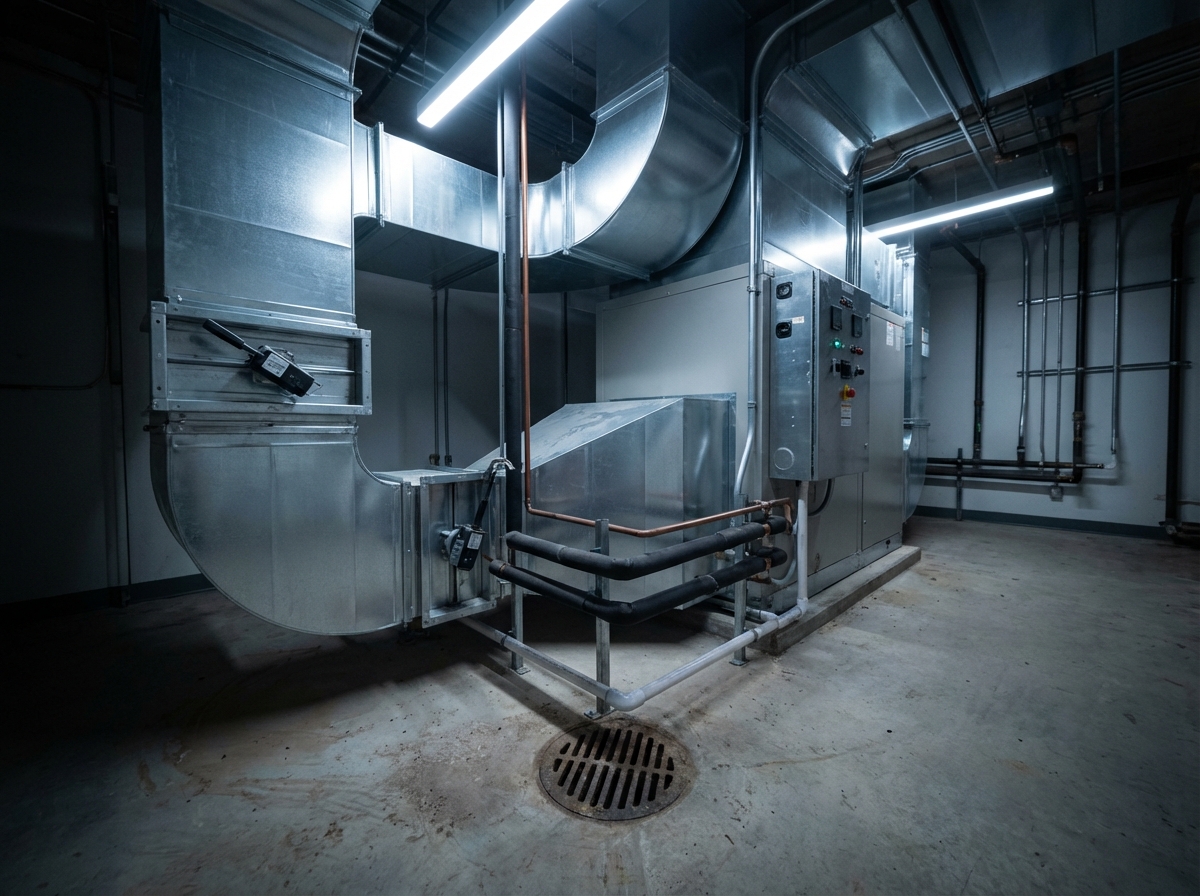
Portable and commercial spot units solve zonal problems fast, but they stay married to the room they sit in and rarely integrate cleanly with duct distribution or central control. Ducted whole-building dehumidifiers earn their keep when you need even conditions across multiple zones and want the unit tied into return and supply paths for predictable mixing and control. If the dominant moisture source is outdoor air, select a ventilation-handling approach and consider a DOAS (dedicated outdoor air system) so the ventilation airstream is dried intentionally instead of hoping the main cooling system runtime lines up with the latent load.
Refrigerant (DX) dehumidifiers are generally efficient at moderate dew points, commonly above about 50°F. When you need lower dew points, colder entering air, or tighter process control, desiccant and refrigerant systems split into different operating ranges and use cases, so you select on the entering condition and target dew point, not nameplate capacity.
Ducted integration lives or dies on airflow (CFM) and external static pressure because static pressure governs how air moves through the ducts, and airflow determines how much air you actually deliver to the space.
Parallel devices are where projects go sideways: adding roughly 100 CFM for a parallel ERV and about 200 CFM for another device on a 1200 CFM system is a common planning concept, but it only works if measured external static pressure and duct cross-sectional area support the added flow (typical target velocities are about 700 to 900 fpm). Controls should be specified as humidistat control versus dew point control, with interlocks to ventilation or DOAS and an optional reheat strategy to protect comfort while you pull moisture. Short HVAC runtimes, especially with variable-speed heat pumps, leave latent load unmet unless the dehumidifier has its own call and airflow path.
- Confirm published performance at your entering-air temperature and dew point, not just a headline rating.
- Verify required process airflow (CFM) and allowable external static pressure against the actual duct system.
- Specify control points (humidistat vs dew point), interlocks with ventilation or DOAS, and any reheat intent.
- Detail a condensate route with a realistic lift, drain location, and overflow protection.
Avoid These Sizing Mistakes + A Quick Commercial Dehumidifier Sizing Checklist
Even solid load math can get undermined at submittal and install if the application details are ignored. Most commercial dehumidification failures are preventable because they come from predictable application mistakes: ratings misread, low-temperature operation ignored, and condensate handling underplanned.
The #1 error is treating published "pints/day" as a constant. That number is tied to specific inlet conditions, and manufacturers publish performance tables or maps showing capacity varies with temperature and RH (capacity derating is expected). If you size off the wrong condition, you buy a unit that cannot hit the target.
Outdoor air (OA) latent load is the next miss. A small ventilation rate can dominate the moisture budget, so ignoring OA makes the calculated load look artificially easy. Doors and traffic patterns finish the job: infiltration spikes are real, and "average" assumptions fail in spaces with frequent openings.
Low-temperature operation gets skipped in submittal review. Refrigerant-based units ice at low entering-air temperatures, so minimum entering-air temperature matters. Defrost and hot-gas bypass strategies exist to reduce freezing and short cycling, but only if the unit is selected and controlled for that envelope.
Controls also get mis-coordinated: if HVAC airflow and runtime are inconsistent, humidity drifts because the dehumidifier is not seeing stable air volume or return conditions.
Condensate management is not "just plumbing." Route to an approved drain, follow manufacturer trap requirements, and insulate drain lines to prevent sweating and drips. Size condensate pumps at roughly 3x the normal rate, and include a float-switch shutdown so a clog does not become a ceiling repair.
- Confirm design inlet air temperature and RH (rated condition).
- Pull the manufacturer performance table/map at your inlet condition.
- Verify OA ventilation rate and its latent impact is included.
- Account for door openings, dock activity, and pressure relationships.
- Check minimum entering-air temperature and the defrost strategy.
- Confirm available airflow (CFM) through the unit matches the submittal.
- Align the control sequence with AHU runtime and fan operation.
- Require clear setpoints, deadbands, and sensor locations in the submittal.
- Provide an approved condensate discharge location and routing plan.
- Specify traps per manufacturer instructions; insulate drain lines.
- Size condensate pump about 3x normal rate; add overflow safety shutoff.
Summary and Next Steps
Confidence comes from comparing like-with-like: dehumidifier ratings only mean something at the same inlet conditions, outside air and door-driven infiltration usually dominate the latent load, and "drop-in" installs still live or die on airflow, static pressure, controls, and condensate routing. That is the same practical problem you started with: real spaces swing, and a single nameplate number does not protect you unless it matches the conditions you are actually managing.
The fastest path is a repeatable workflow: confirm capacity, airflow, and your humidity target; document ventilation, infiltration, and internal moisture; calculate a required capacity range; then choose the right configuration and integrate controls and condensate. For quotes, document these inputs: indoor setpoint (temp/RH or dew point), ventilation CFM, infiltration assumption, internal moisture sources (lb/hr), operating schedule, and control/monitoring needs (humidistat/BMS).
If you want help normalizing submittals at matching conditions, Budget Heating & Air Conditioning can support spec and quote comparisons with educational HVAC resources, broad HVAC inventory, fast-shipping emphasis, factory warranties, and U.S.-based technical support.
Wrapping Up
Commercial dehumidifier sizing gets easier when you stop treating pints per day as a fixed truth and start matching capacity, airflow, and your target condition to how the space actually runs. The most reliable results come from documenting setpoints, ventilation and infiltration, and internal moisture sources, then converting that latent load into a realistic lb/hr and pints/day range that includes runtime and a sensible margin.
Just as important, selection does not end with the number: performance at your entering-air dew point and temperature, duct pressure and CFM, control strategy, and condensate routing often determine whether a system holds 40% to 60% RH without comfort complaints, icing issues, or wasted energy.
Use the workflow from this guide to write down your assumptions, run the load once, and compare submittals at matching conditions so you can move forward with a confident, quote-ready size.
 Heating
 Money Saving Tips
 Product and Brands Insights
 State by State
 HVAC Systems