




 buying guides
 hvac systems
 money saving tips
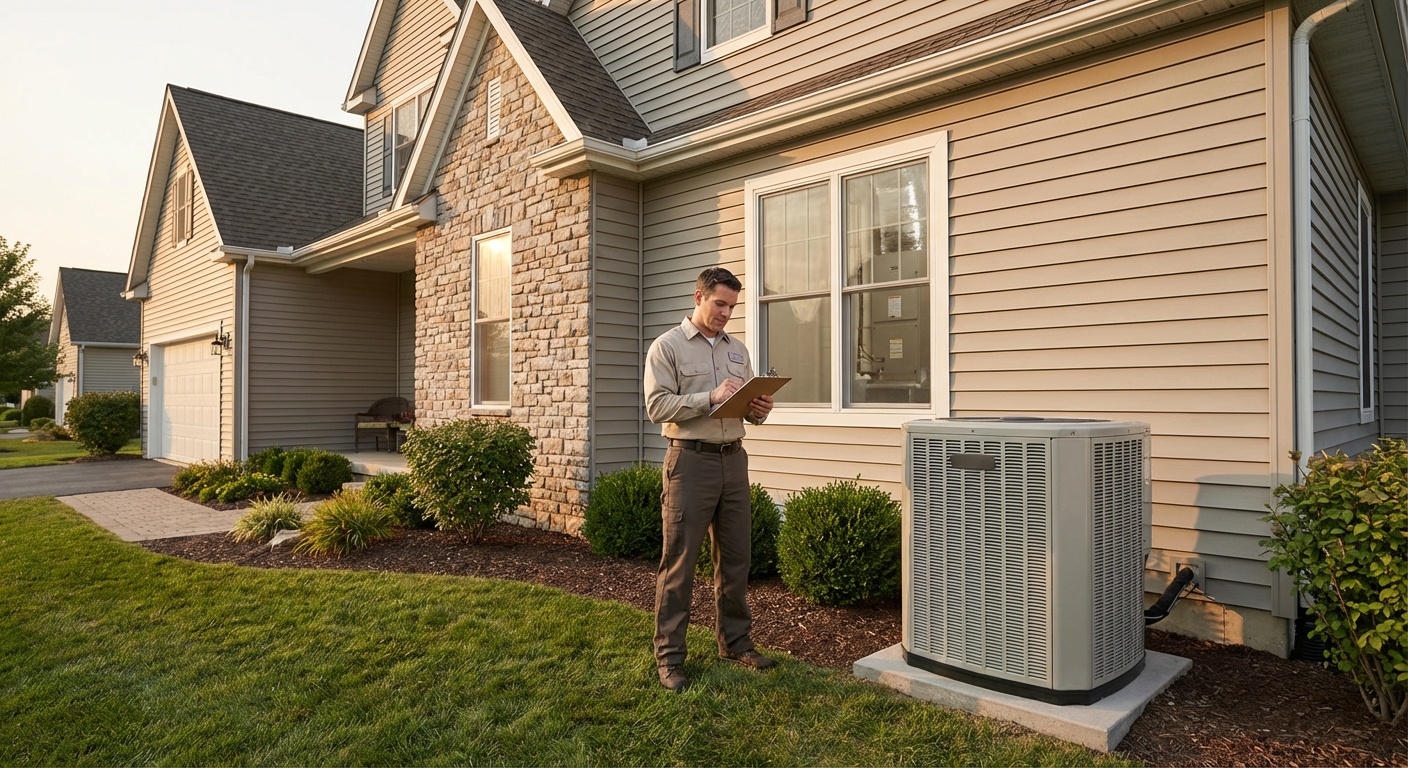
You get three quotes for a split-system heat pump, same tonnage, and the totals still don't match. The gap usually isn't magic; it's scope.
A ducted split-system heat pump pairs an outdoor unit with an indoor air handler or a furnace plus evaporator coil tied into your ductwork, linked by refrigerant lines. Quotes also mix efficiency metrics: SEER2 for seasonal cooling, EER2 for cooling at a fixed test condition, and HSPF2 for seasonal heating; about 15 SEER2 is the standard-to-mid tier. Pricing is shifting as manufacturers move from R-410A to A2L refrigerants such as R-32, which affects model availability and inventory.
This guide helps you ballpark real-world costs by separating equipment, installation labor, accessories, and any electrical or ductwork work, and it flags why ductless mini-splits follow a different pricing curve.
Typical Heat Pump Split System Costs by Size, Efficiency, and Scope
Installed price bands get predictable fast once you sort quotes by (1) size (2-, 3-, or 4-ton), (2) efficiency tier (about 15 SEER2 vs 16+ SEER2), and (3) whether you're looking at equipment-only pricing or a fully installed job.
| Common ducted size | Installed benchmark (consumer baseline) | What pushes you up or down inside the band |
|---|---|---|
| 2-ton | 2-ton replacement commonly $8,500-$12,500 installed. | 15 SEER2 systems anchor the low end; 16+ SEER2 typically prices higher. Full pairing (outdoor + indoor coil/air handler) prices higher than outdoor-only replacement. |
| 3-ton (36,000 BTU) | 3-ton ducted air-source heat pump often ~$9,000-$13,000 installed. Standard-efficiency 2.5-3 ton quotes cited at $8,930-$14,160. | Efficiency tier is the cleanest separator: about 15 SEER2 vs 16+ SEER2. Outdoor-only swaps can look cheaper, but complete pairings are more consistent for performance and program eligibility. |
| 4-ton (48,000 BTU) | $11,000-$16,000 installed is a practical bracket for many ducted change-outs. | Higher-capacity equipment and higher SEER2 tiers stack cost quickly. Quotes jump when you move from replacing only the outdoor unit to buying a complete equipment pairing. |
Online and wholesale pricing is almost always equipment-only, which is why the numbers can look dramatically lower than installed quotes. For common sizes, listings typically span multiple SEER2 tiers, roughly ~14 SEER2 up through ~17+ SEER2, and pricing moves with that tier. One concrete example: a 3-ton Flexx Ultra 18 SEER2 system was advertised at $7,225 and sold at $4,795, a $2,430 spread inside equipment-only pricing. At the lower tier, a 3-ton Goodman 15 SEER2 heat pump has been listed on sale for $3,195.
Rebates and many warranty terms are written around a matched system (AHRI-rated match), meaning a certified indoor and outdoor combination, not just a compatible-looking swap. If your quote switches from outdoor-only replacement to a specific indoor-outdoor pairing to meet an AHRI match, your price and eligibility can change even when the tonnage stays the same.
Use the bands above to sanity-check the installed number first, then confirm you're comparing the same tonnage, the same SEER2 tier, and the same AHRI-matched pairing before you rank bids.
What Drives the Final Price?
Those bands tell you where a "normal" job tends to land; the remaining spread between quotes is usually the work required to make the system fit your home and pass inspection. The final installed number is driven less by brand mystique and more by scope: labor difficulty, your home's constraints, and the long tail of parts and code-compliance steps that every "complete" install needs. At a high level, installed price is equipment plus labor plus misc (accessories, permits, refrigerant handling, disposal) plus home-specific complexity that changes the hours and materials.
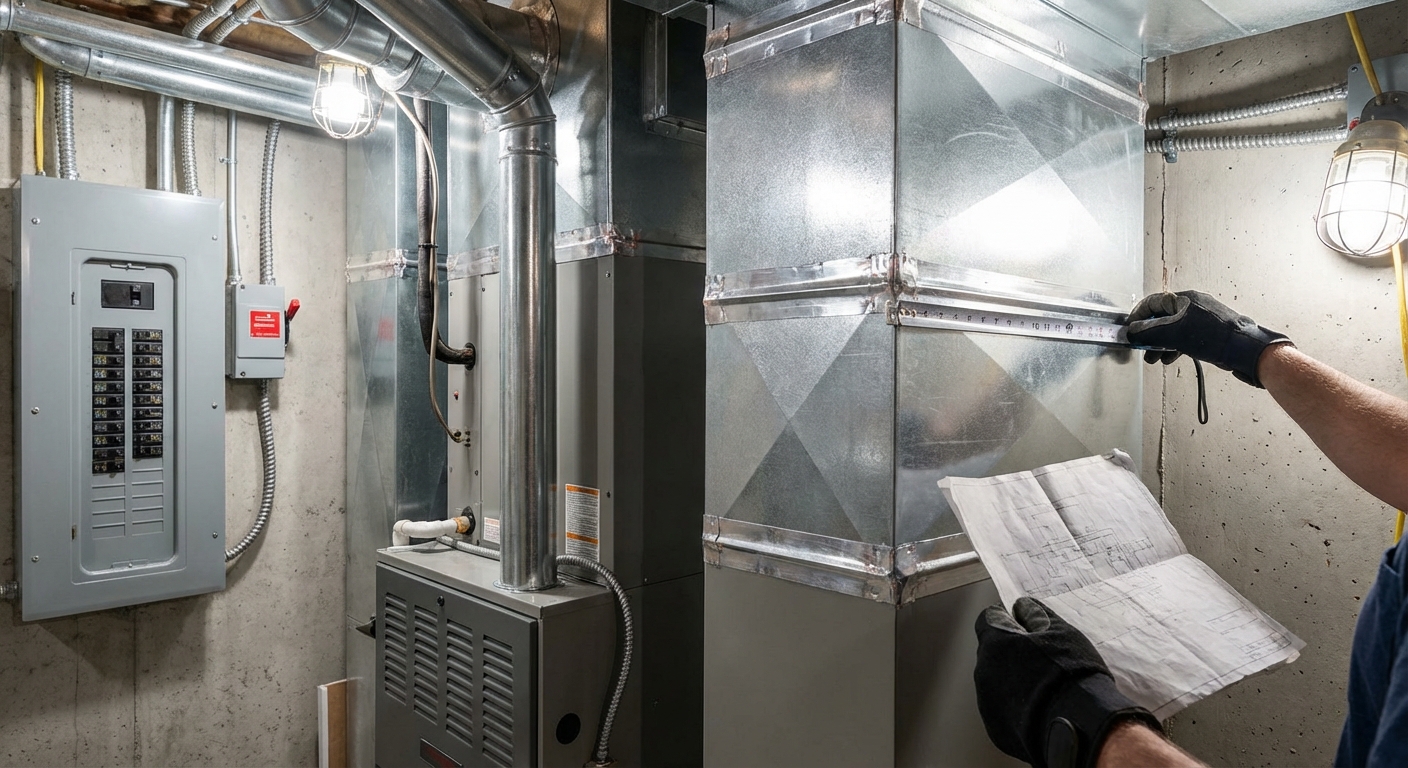
Typical HVAC labor rates often run about $75 to $150 per hour, and the hours are what move totals, not the name on the box. The catch is timing: after-hours diagnostic fees commonly land at $150 to $300, and overtime or emergency work is often billed at 1.5x to 2x. If two bids have similar equipment, the one with clearer labor scope usually wins on value because you can see what you're actually paying for.
Accessibility drives labor fast: attic and crawlspace air handlers, long equipment carries, tight mechanical rooms, and blocked service clearances all add time. The line set, the pair of copper refrigerant lines connecting the outdoor unit to the indoor coil, is a key variable because routing and replacement change both materials and hours. "Standard" runs are commonly 16, 30, or 50 ft, and 3/8-inch plus 3/4-inch is a common sizing; longer or harder routes mean more brazing, protection, and finish work.
Because line sets are sold in common lengths like 30-foot insulated 3/8-inch by 3/4-inch sets and 50-foot 3/8-inch by 3/4-inch sets, distance and routing show up directly in installed scope.
Electrical capacity is the other hidden driver: panel or service upgrades commonly run $1,200 to $2,000 (about $1,600 on average to 200A in one dataset), and a higher reported 2026 range runs $4,800 to $7,004 depending on market and scope. Duct condition also matters in plain terms: damaged returns, undersized filter grilles, leaky plenums, and transitions that do not match the new coil force real fabrication and sealing work.
A serious quote usually includes a refrigerant line set, condenser pad, disconnect and whip, float switch, drain pan, filter drier, surge protector, thermostat, permit and inspection fees, refrigerant recovery and recharge, and haul-away, because the installer is pricing a system that starts, drains, protects itself, and passes inspection, not just equipment on a pallet.
Ask the installer to justify scope, not the bottom line: "Are you reusing or replacing the line set, where is it being routed, what duct pieces are being modified, what electrical work is included (circuit, disconnect, panel), and which permit, refrigerant-handling, and disposal steps are covered in writing?"
Brand & Model Examples
Once you know what the job includes, brand and model choices mostly come down to features and control requirements rather than a mysterious difference in "basic heating and cooling." Brand tier matters most because it dictates the feature set you are buying, not because it rewrites the physics of heating and cooling. Value-tier equipment prioritizes basic staging and standard thermostats; premium-tier systems charge for tighter comfort, quieter operation, communicating controls (when the system needs them to deliver variable capacity), and longer, more conditional warranty terms.
Variable-speed is where the money goes. A variable-speed compressor and blower ramp output to match demand instead of a single-stage unit running full capacity. In daily use, that means smaller temperature swings, steadier humidity control, and fewer loud start-stop cycles. It also drives the price up, because the inverter-driven hardware and matched controls cost more, even though some sources peg energy reductions around 25 to 40% versus single-stage.
Goodman is a familiar value example with big headline coverage on eligible products: a Lifetime Compressor Limited Warranty and Lifetime Heat Exchanger Limited Warranty. The catch is administrative: to receive the 10-Year Unit Replacement Limited Warranty and 10-Year Parts Limited Warranty, warranty coverage and feature details for this value-tier lineup typically assume online registration is required within 60 days of installation.
Refrigerant can also steer your options: higher-efficiency R-32 systems exist, but regional rules and distributor stock decide what is actually available this season. Pick the tier that matches your comfort and sound goals, then confirm your quote includes the required controls and the exact warranty conditions you will complete.
Split System vs Ductless Mini Split
That scope-first thinking applies to ductless too, but ductless systems tend to scale differently because you add capacity by adding indoor units and running more lines. Neither a ducted split system nor a ductless mini split is "always cheaper." The deciding factor is simple: how many distinct areas you want to condition independently versus how much you will spend extending, repairing, or replacing ducts versus adding multiple indoor heads.
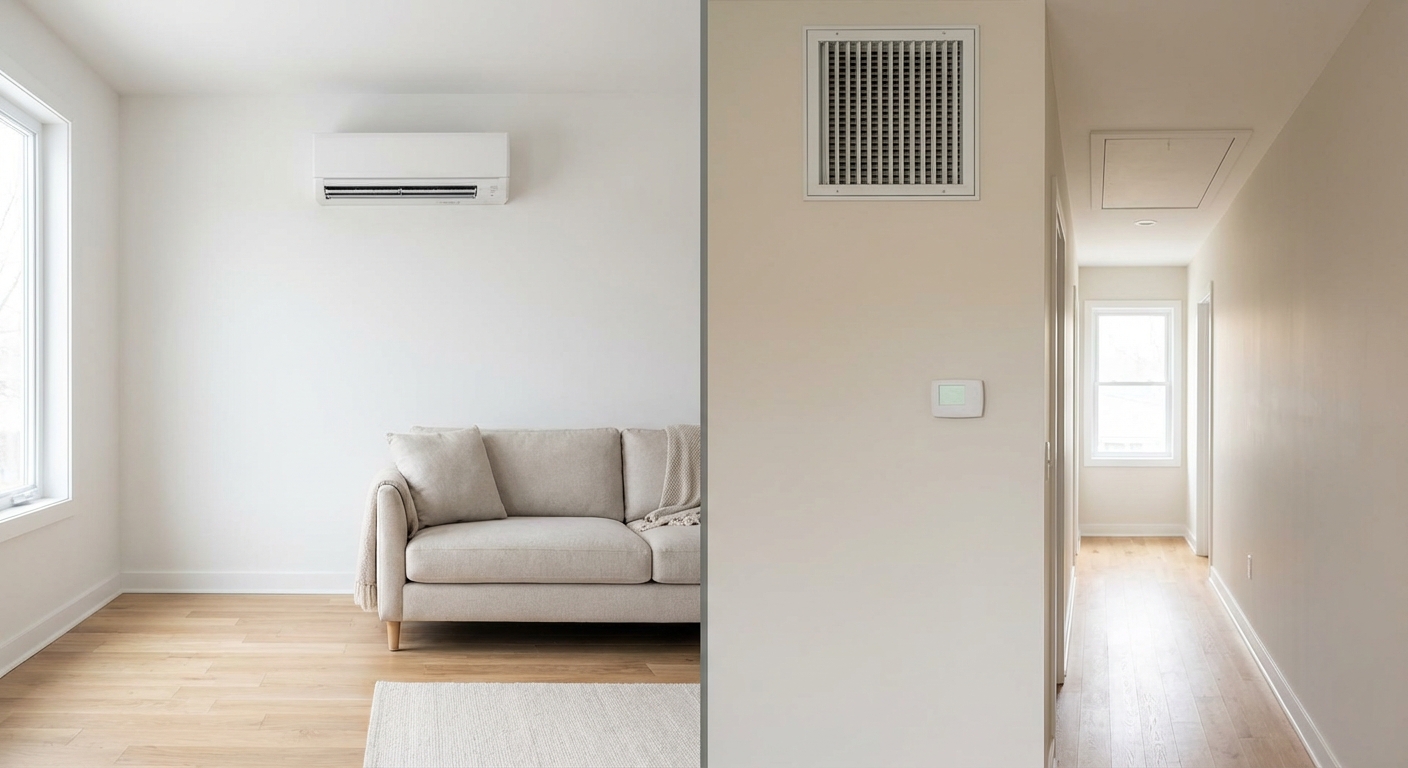
Ductless pricing climbs fast once you move past a single zone. A single-zone 12,000 BTU mini split is commonly quoted at about $2,000 to $3,200 installed in 2025 (MinisplitsForLess), and it’s often compared against single-zone 6K–12K BTU mini split heat pump systems. Step up to a multi zone mini split and each additional indoor head adds equipment plus labor: another indoor unit, more line set and control wiring, another condensate plan, and more time on the wall.
Indoor unit type also shifts the bill. Wall mounts are typically the least expensive. Ceiling cassette mini split heads and concealed-ducted indoor units usually cost more because the equipment is pricier and the install is more invasive.
Those add-ups explain why EnergySage reports an average ductless mini-split cost of $19,556 in 2025 after state and local incentives, with the final number driven by the home and zone count.
Ducted installs get expensive when the duct system is undersized, leaky, poorly routed, or inaccessible. The equipment can be straightforward, but duct repair, new returns, and chase work turn "simple replacement" into a construction job.
MRCOOL DIY kits commonly include the major components and pre-charged, connect-ready line sets, which cuts out specialized refrigerant tools. You still pay for electrical work, you still need correct placement decisions (a quick Manual J is the standard), and DIY mini split installation considerations still depend on how the system is installed.
Actionable takeaway: sketch your comfort zones first, then assess your duct condition, then request quotes built around the same zoning layout so you are comparing real totals, not mismatched designs (including multi-zone mini split systems where applicable).
Adding a Furnace or Going Dual Fuel
If your quote includes a furnace-either as part of a split system air handler replacement or as a true dual-fuel design-the equipment list is only part of what changes. Adding a gas furnace to a heat pump, or configuring a true dual-fuel setup, raises the project total compared to a heat-pump-only swap. In return, you buy a control strategy that protects comfort in colder weather by giving the system a second heat source when outdoor conditions punish heat pump output and runtime.
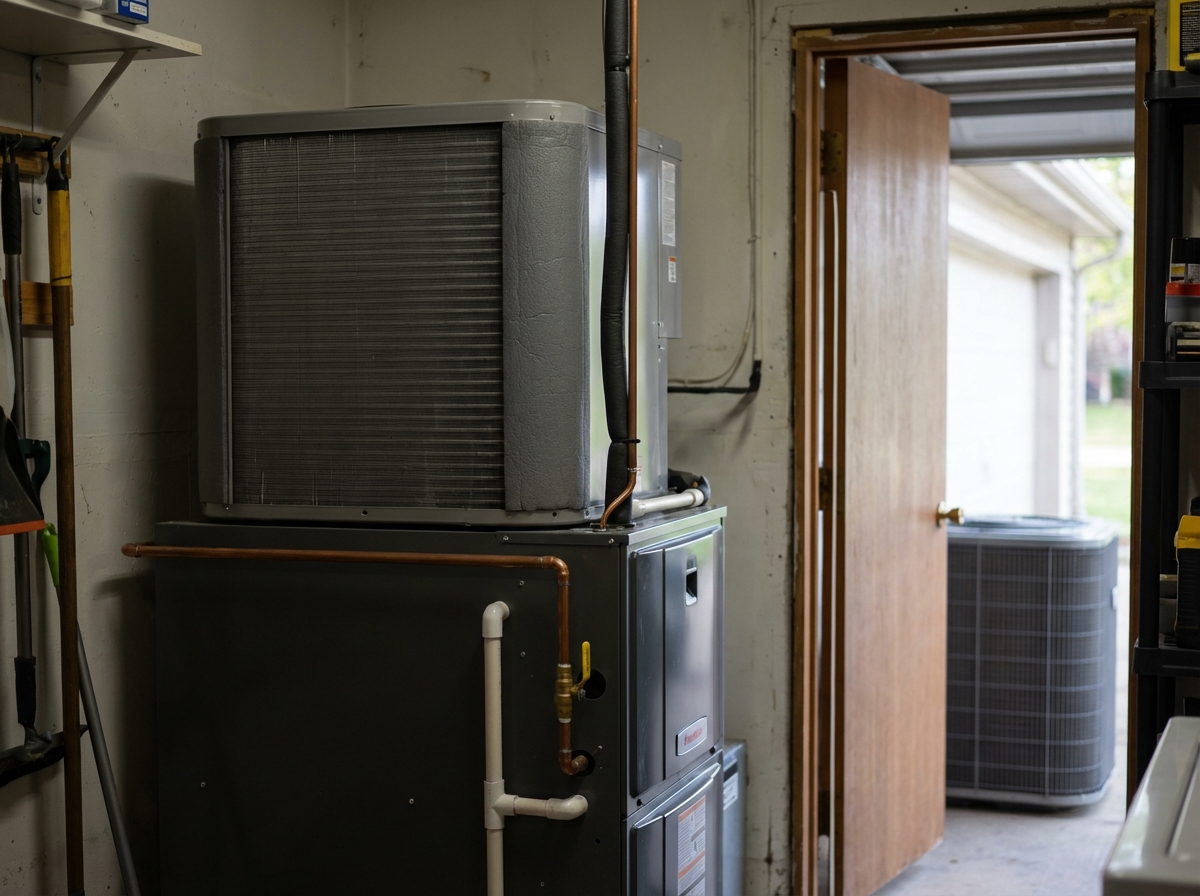
What changes is scope: you are installing a furnace, tying in a coil, running additional low-voltage control wiring, and programming dual-fuel logic. Dual fuel often needs additional controls, specifically a thermostat that supports heat pump plus gas backup and sometimes an outdoor sensor or balance-point control for temperature-based switching. As a cost anchor, the average total install cost for a Goodman 96 AFUE furnace runs $4,500 to $8,000 depending on size and labor; equipment-only pricing is about $2,200 to $2,800 for a GRVT961005DN. Homeowners typically shop around specs like 96 AFUE, 80,000 BTU, 100,000 BTU, two stage, and variable speed.
The economic balance point is the outdoor temperature where it becomes cheaper to run the backup furnace than the heat pump. With natural gas backup it typically lands somewhere between 25 F and 45 F, and with propane closer to 15 F to 20 F, since propane costs more per delivered BTU. That number is not universal; gas and electric rates plus the heat pump's cold-weather performance drive it. Ask your contractor to set and document the lockout and balance-point strategy using your local utility rates, not a generic default.
How to Lower Your Heat Pump Split System Cost
The same levers that push quotes up-scope, access, and design decisions-are also the levers you can control before the install starts. The cheapest heat pump project is the one sized correctly and scoped correctly the first time. You lower total cost most reliably by eliminating sizing mistakes and scope surprises, not by chasing the cheapest equipment and hoping the install works out.
A Manual J load calculation, the standardized room-by-room heating and cooling load method, prevents the two costliest errors: oversizing (higher equipment cost, worse comfort) and undersizing (call-backs, add-ons, and unhappy rooms). Lock the scope early so you are buying the right capacity and the right efficiency tier for your climate, then plan the job to avoid extras you can control like blocked access, messy line-set routes, and multiple mobilizations.
- Right-size the system using a Manual J result (or a mini-split sizing BTU calculator as a starting point), not the old unit's tonnage.
- Select an efficiency tier that has a clear payback for your home and climate.
- Plan access, clear routes, scheduling, and combined work to cut avoidable install extras.
- Buy equipment smart, including online or wholesale, while keeping installer and warranty requirements intact.
- Collect documentation up front so incentives are actually claimable.
Online pricing can be real savings, but it is still equipment-only and it does not erase installer requirements. The catch is warranty language: manufacturer manuals and warranties often require installation and service by a "qualified installer/service agency," and full terms can depend on timely homeowner registration.
Do not budget around Federal Section 25C. The One Big Beautiful Bill Act terminated that credit for equipment placed in service after December 31, 2025, so a heat pump installed today gets no federal 25C credit regardless of its efficiency ratings. Utility and state programs are where the remaining money is. Rebate programs are paperwork-driven: many request an AHRI Certificate of Product Performance (or AHRI Certified Reference Number), model numbers, and an installer invoice. IRA-funded programs (HOMES/HEAR) can require extensive application requirements, so do not assume instant availability without checking your state's rollout.
Before you sign, request: the Manual J result, the AHRI match reference, an itemized scope, and invoice language that lists exact model numbers and installed cost.
Summary
Installed cost starts with tonnage and efficiency, then shifts up or down with labor scope, electrical constraints, duct conditions, and optional dual-fuel pairing.
A basic change-out reusing existing ducts typically costs between $5,000 and $11,000; mid-range installed HVAC systems commonly quoted at $9,000 to $11,000; high-end installations including attic work and duct repair commonly reach $12,000 to $15,000 or more.
If you go dual fuel, set the switchover around the economic balance point so the system runs the cheaper heat source as conditions change.
Because quotes can diverge even at the same tonnage, insist on apples-to-apples documentation: AHRI match documentation (certificate/reference number) and a Manual J load calculation deliverable. Those two artifacts make bids comparable and protect you from mismatched equipment, wrong sizing, and scope gaps that show up later as change orders.
Get a properly sized recommendation and a quote for an AHRI-matched system from Budget Heating.
Wrapping Up
Heat pump split-system pricing only starts with tonnage and efficiency. Once you separate equipment-only numbers from installed quotes, the real differences usually come from scope: whether you are replacing the full indoor and outdoor pairing, the SEER2 tier you choose, and the labor tied to access, line-set routing, electrical capacity, and duct condition.
The most reliable way to judge a quote is to make it apples-to-apples. An AHRI-matched system can change both performance and rebate eligibility, and a Manual J load calculation helps prevent costly sizing mistakes that lead to comfort problems and change orders later.
Before you commit, gather the Manual J results, the AHRI match reference, and an itemized scope for each bid, then choose the option that best fits your home, budget, and comfort goals.
 Cooling
 Heating
 Learning Center
 Product and Brands Insights
 State by State