




 learning center

Your HVAC system just made a noise it's never made before. It sounds like a raccoon fighting a blender inside your walls. Or maybe the AC stopped cooling entirely on the hottest day of the year, because of course it did. Before you panic and call the first technician who answers (while fanning yourself with a pizza box), understanding HVAC repair basics can save you hundreds of dollars and help you communicate effectively with contractors.
This guide covers everything homeowners need to know about HVAC repair in 2025, from typical costs and common problems to DIY troubleshooting steps and red flags that demand professional attention. Whether you're dealing with a minor issue or facing a major system failure, you'll know exactly what to expect. And hopefully, you'll learn it before your system decides to test your patience.
Average HVAC Repair Costs in 2025
The cost of HVAC repair varies dramatically based on what's wrong, where you live, and when you need the work done. Most homeowners pay between $150 and $450 for standard repairs, though complex issues can push costs much higher. Your wallet is about to have feelings about this section.
Service call fees typically run $75 to $250 just to get a technician to your door. Think of it as a cover charge for the privilege of having someone tell you what's broken. This diagnostic fee often gets applied toward the total repair cost if you hire that company. Hourly labor rates range from $65 to $150 depending on the technician's experience and your location. Urban areas and regions with high costs of living charge more than rural communities.
Here's what specific HVAC repairs typically cost:
Minor repairs ($100-$400): Thermostat replacement runs $150 to $400. Capacitor replacement costs $120 to $250. Replacing contactors falls in the $150 to $350 range. These components fail regularly and most technicians can handle them quickly. This is the "it could have been worse" category.
Moderate repairs ($400-$1,000): Blower motor replacement costs $500 to $1,000. Condenser fan motor repair runs $300 to $600. Refrigerant leak detection and repair typically falls between $200 and $1,500 depending on leak location and severity. This is where you start questioning your home ownership decisions.
Major repairs ($1,000-$3,000+): Compressor replacement is the big one, ranging from $1,200 to $3,000 or more. Heat exchanger replacement in furnaces costs $1,500 to $3,000. At these price points, you should seriously evaluate whether replacement makes more financial sense than repair. This is also when homeowners suddenly become very interested in ceiling fans.
Emergency HVAC repair costs significantly more. Expect to pay $140 to $210 per hour minimum for after-hours service, with some companies charging $400 to $600 per hour for nights, weekends, and holidays. If your system fails on Christmas Eve, that repair bill will reflect it. Santa's not the only one making a list and checking it twice.
Common HVAC Problems and What Causes Them
Understanding common HVAC problems helps you describe symptoms accurately to technicians and recognize when something needs attention. Most issues fall into predictable categories, which is reassuring until you realize your house has found all of them.
System Won't Turn On
When your HVAC system refuses to start, the cause is often simpler than you'd expect. Check the thermostat batteries first, as dead batteries prevent the system from receiving signals. Yes, sometimes the solution really is "did you try turning it off and on again." Verify the thermostat is set to the correct mode: heating in winter, cooling in summer. A tripped circuit breaker is another common culprit. Find your electrical panel and look for breakers in the middle position or labeled "HVAC."
If basic checks don't solve it, the problem could be a faulty thermostat, failed capacitor, or blown fuse in the air handler. These require professional HVAC repair.
Weak or No Airflow
Poor airflow from your vents usually traces back to one of three issues. Dirty air filters are the most common cause, and technicians will tell you this approximately 47 times during every service call. A clogged filter restricts airflow, forcing your system to work harder while delivering less comfort. Check and replace filters every 30 to 90 days depending on your household. Pets, allergies, and dusty environments require more frequent changes. If you have three dogs and a cat, maybe check weekly.
Ductwork problems also restrict airflow. Leaky ducts can lose 20 to 30 percent of conditioned air before it reaches your rooms. That's like paying for a large pizza and only getting a medium. A failing blower motor produces weak airflow as well, often accompanied by unusual noises.
Uneven Heating or Cooling
When some rooms feel like saunas while others stay frigid, your HVAC system isn't distributing air properly. Family arguments about thermostat settings intensify. This happens for several reasons. Blocked or closed vents prevent air from reaching certain areas. Furniture, rugs, or curtains covering vents compound the problem.
Thermostat placement matters too. If the thermostat sits near a heat source or in direct sunlight, it reads temperatures incorrectly and cycles the system inappropriately. Multi-story homes often experience temperature variations simply due to physics, as hot air rises and cool air sinks. Your upstairs bedroom being 10 degrees warmer than advertised isn't a mystery; it's science being inconvenient.
Strange Noises
A healthy HVAC system hums quietly. When you hear something else, pay attention. Your house is trying to communicate, and it sounds concerned. Banging or clanking indicates loose or broken internal components, possibly a disconnected rod or crankshaft in the compressor. Rattling often means loose screws, panels, or debris in the system. Squealing or screeching points to belt issues or motor bearing problems. Hissing suggests a refrigerant leak. Clicking when the system starts and stops is normal, but continuous clicking indicates relay problems or a failing thermostat.
Metal-on-metal grinding sounds warrant immediate attention. Turn off the system and call for HVAC repair before further operation causes additional damage. That grinding noise is not the system "working through it."
Short Cycling
When your system turns on and off every few minutes without completing a full cycle, it's short cycling. Think of it as your HVAC having commitment issues. This wastes energy, increases wear on components, and fails to properly heat or cool your home. Causes include an oversized system, dirty air filter, low refrigerant, or thermostat problems. Short cycling shortens equipment lifespan significantly and should be addressed promptly.
Unusual Odors
Smells from your HVAC system tell you something important. A musty or moldy smell indicates moisture problems and potential mold growth in ductwork or the air handler. Your house shouldn't smell like a forgotten gym bag. Burning odors suggest overheating components or electrical issues. These warrant immediate investigation. A rotten egg smell from a gas furnace could indicate a gas leak. Turn off the system, leave your home, and call your gas company immediately. This is not the time to investigate further.
DIY Troubleshooting: What You Can Fix Yourself
Before spending money on a service call, try these basic HVAC troubleshooting steps. Many common problems have simple solutions that don't require professional help. Your inner handyman is about to feel very accomplished.
Check and replace the air filter. This single step resolves a surprising number of HVAC problems. Locate your filter (usually in the return air duct or air handler), check its condition, and replace it if dirty. If your filter looks like it's growing a small ecosystem, that's too dirty. A clean filter improves airflow, efficiency, and indoor air quality.
Verify thermostat settings. Confirm the mode matches the season, the temperature is set appropriately, and batteries are fresh if applicable. Try switching to a different temperature to see if the system responds. Smart thermostats occasionally need a reset: remove the unit from the wall, wait 30 seconds, and reinstall it. Even smart devices have dumb moments.
Check circuit breakers. Find your electrical panel and look for any breakers in the tripped position. Reset them firmly by switching off first, then back on. If breakers trip repeatedly, you have an electrical issue requiring professional diagnosis. At that point, step away from the panel.
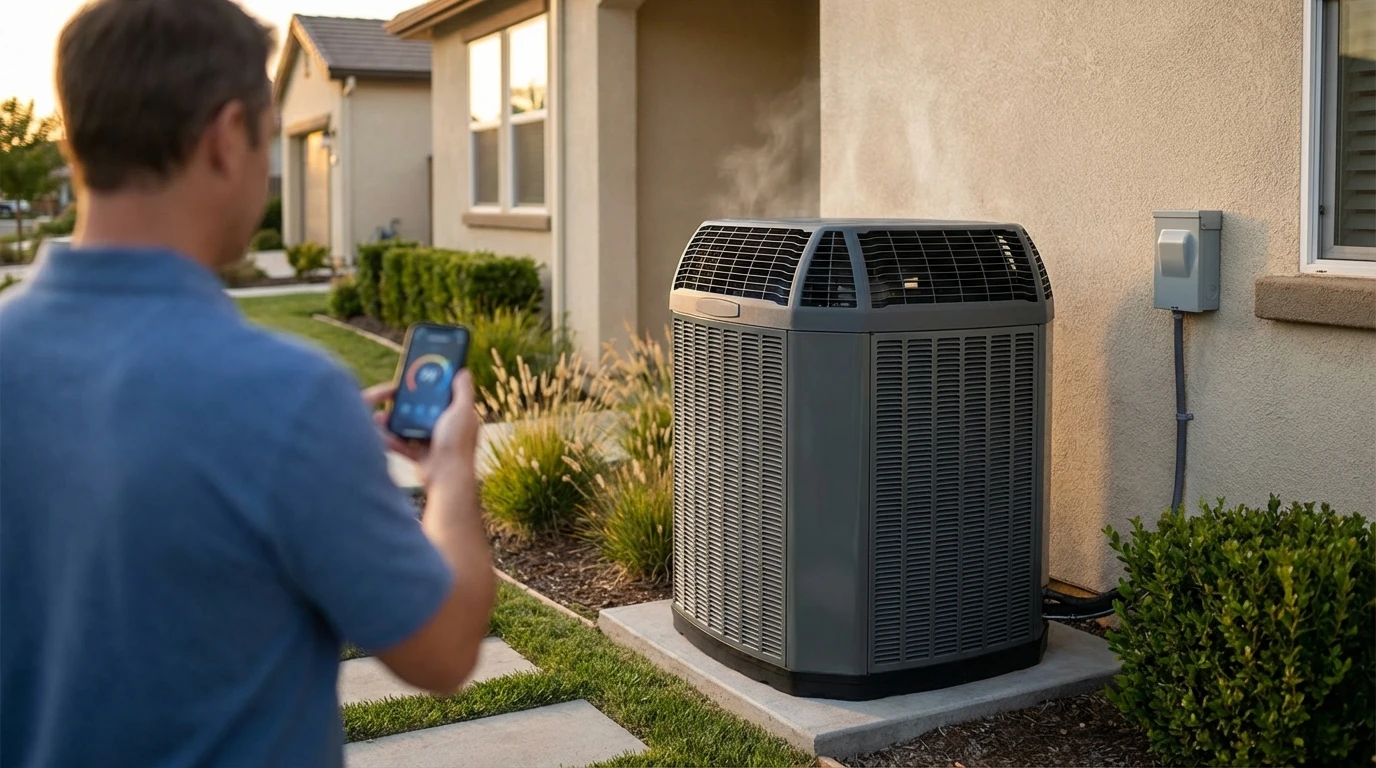
Clear debris from the outdoor unit. Leaves, grass clippings, and dirt accumulate around condenser units and restrict airflow. Turn off power to the unit first, then gently remove debris and hose off the coils. Maintain at least two feet of clearance around all sides. Your outdoor unit needs personal space.
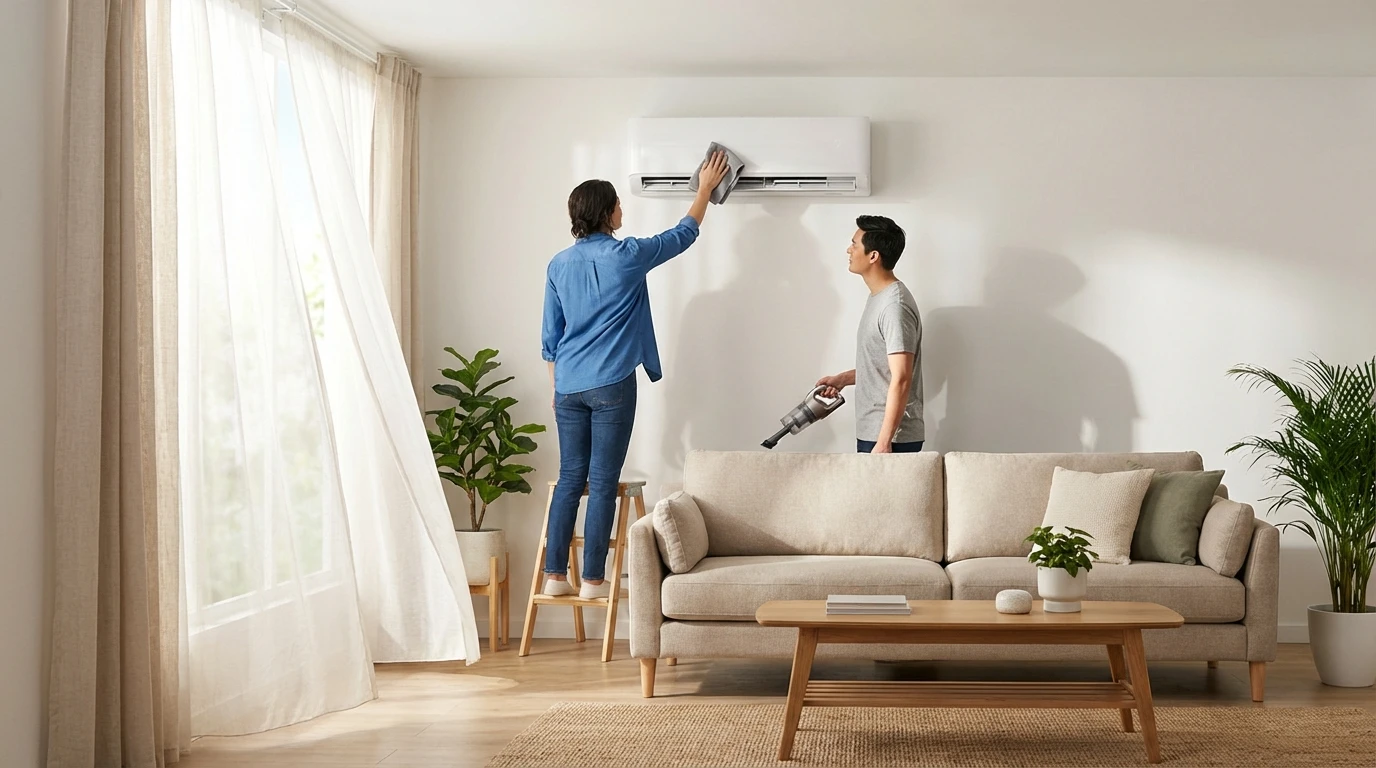
Open and clean vents. Walk through your home checking every supply and return vent. Ensure none are closed, blocked by furniture, or covered by rugs. Vacuum dust from vent covers to improve airflow. That couch blocking the vent isn't helping anyone.
Check the condensate drain. Air conditioners produce condensation that drains through a line, typically to an exterior location or floor drain. Clogged condensate drains cause water backups and can trigger safety shutoffs. Locate the drain line and clear any visible blockages.
When to Call a Professional for HVAC Repair
Some HVAC problems require professional expertise, specialized tools, or legally mandated certifications. Attempting these repairs yourself risks injury, property damage, and voided warranties. Your DIY spirit is admirable, but these are times to admire from a safe distance.
Refrigerant issues: Handling refrigerant requires EPA Section 608 certification. It's illegal for uncertified individuals to purchase or work with refrigerants. If your system is low on refrigerant, leaking, or needs recharging, call a licensed HVAC technician. YouTube tutorials won't help you here.
Electrical problems: Burning smells, repeatedly tripping breakers, visible wire damage, or systems that won't power on despite good breakers all indicate electrical issues. HVAC systems involve high-voltage connections that can cause serious injury or fire if mishandled. Electricity doesn't care about your confidence level.
Gas furnace problems: Any issue involving your furnace's gas supply, ignition system, heat exchanger, or flue requires professional attention. Gas leaks and carbon monoxide exposure are life-threatening risks that demand immediate expert response. This is absolutely not a "let me just try one thing" situation.
Compressor failures: The compressor is the heart of your air conditioning system. When it fails, the repair involves recovering refrigerant, replacing the component, and recharging the system. This is complex work requiring professional equipment.
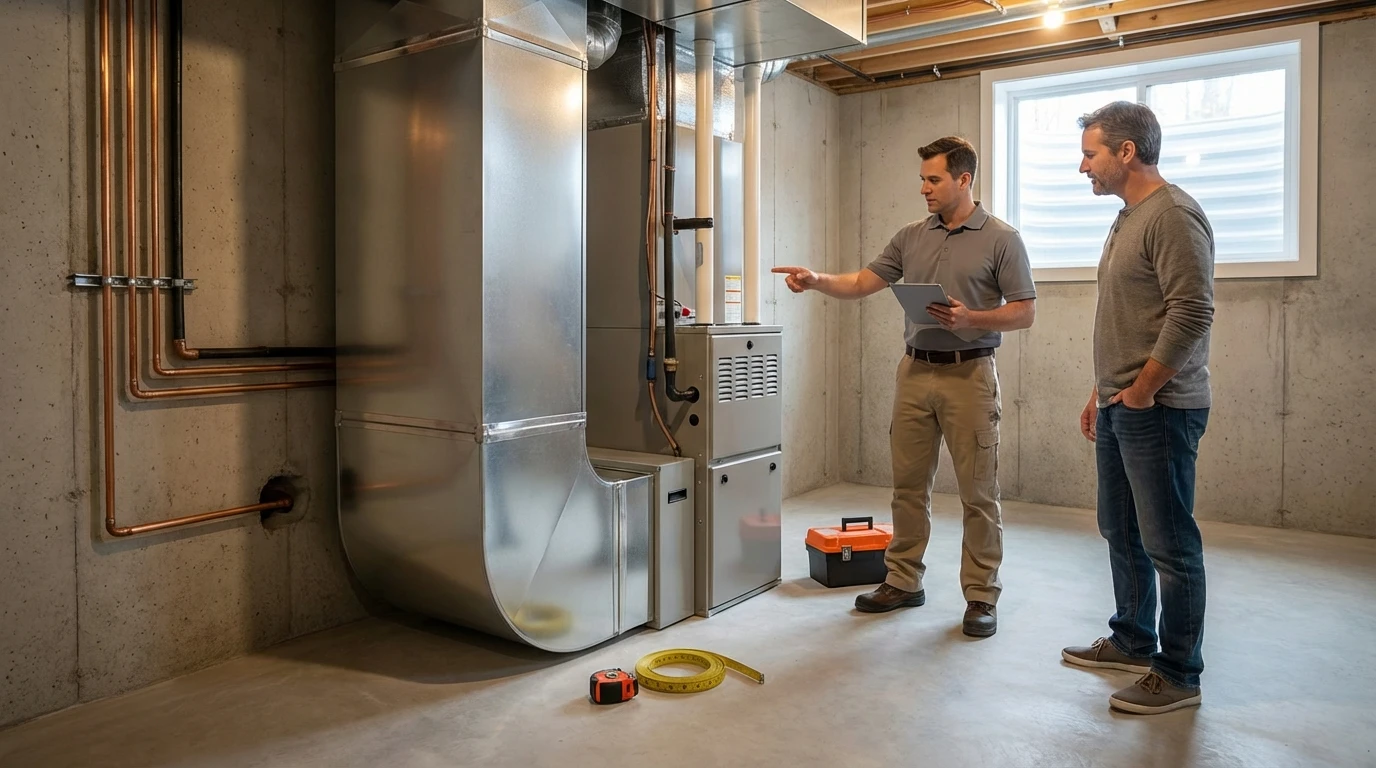
Persistent problems after troubleshooting: If you've tried basic fixes and the problem continues, stop guessing. A $150 diagnostic visit is cheaper than damaging your system through trial-and-error attempts. Sometimes admitting defeat saves money.
Annual maintenance: Even without obvious problems, schedule professional HVAC maintenance once or twice yearly. Technicians catch developing issues, clean components you can't access, and verify safe operation. Spring is ideal for air conditioning tune-ups; fall for heating systems. Think of it as a checkup for your house.
Warning Signs Your HVAC System Needs Immediate Repair
Some symptoms indicate serious problems that shouldn't wait. Delaying HVAC repair in these situations can cause additional damage, safety hazards, or complete system failure. Your procrastination skills won't serve you well here.
Complete loss of heating or cooling: If your system runs but produces no temperature change, something significant has failed. Running a broken system wastes energy and may cause further damage. The definition of insanity applies here.
Ice on refrigerant lines or evaporator coil: Ice formation indicates low refrigerant levels, airflow restrictions, or other problems that prevent proper heat transfer. Your air conditioner making its own ice isn't a feature. Turn off the system and call for HVAC repair.
Water leaking near the indoor unit: While some condensation is normal, pooling water indicates a clogged drain, frozen coil, or other issues. Water damage to floors and walls compounds repair costs quickly. Indoor pools should be intentional.
Burning smells or visible smoke: Shut off the system immediately. These symptoms indicate electrical fires, overheating motors, or other dangerous conditions. Don't restart the system until a professional inspects it. Smoke is never a normal operating feature.
Carbon monoxide detector activation: If your CO detector alarms while the furnace runs, leave your home immediately and call emergency services. A cracked heat exchanger or improper combustion can release deadly carbon monoxide into your living space. Take this one very seriously.
Sudden spike in energy bills: A dramatic increase in utility costs without corresponding usage changes signals system inefficiency. The cause could be failing components, refrigerant leaks, or ductwork problems that a technician should diagnose. Your utility company isn't suddenly greedier; something's wrong.
How to Find a Reliable HVAC Repair Technician
Finding a trustworthy HVAC technician before you need emergency service prevents desperate decisions and potential scams. Sweaty desperation makes people agreeable to questionable quotes. Here's how to identify qualified professionals.
Verify licensing and insurance. Most states require HVAC technicians to hold specific licenses. Check your state contractor licensing board to confirm validity. Contractors should carry both general liability insurance and workers' compensation coverage. Without insurance, you're liable for accidents on your property. Ask for proof. Legitimate contractors won't be offended.
Look for certifications. NATE (North American Technician Excellence) certification indicates technicians have passed rigorous industry exams. EPA Section 608 certification is legally required for anyone handling refrigerants. Manufacturer certifications from brands like Trane, Carrier, or Lennox show specialized training. Certifications are like gold stars for adults.
Check reviews and references. Online reviews provide insight into customer experiences. Look for patterns in feedback, both positive and negative. Ask contractors for references from recent jobs and actually call them. Questions about timeliness, cleanliness, professionalism, and satisfaction help gauge what to expect. One bad review is a data point. Twenty bad reviews is a pattern.
Get multiple estimates. For non-emergency repairs, obtain written quotes from at least three companies. Estimates should detail labor costs, parts costs, and any warranties. Be wary of quotes significantly lower than others, as this often indicates inexperience, cut corners, or hidden fees. If a deal seems too good to be true, your future self is about to learn why.
Ask the right questions. Before hiring, ask: How long have you been in business? Do you guarantee your work? What's included in the service call fee? Will you provide a written estimate before starting repairs? Are your technicians employees or subcontractors? The answers reveal professionalism and accountability.
Avoid high-pressure tactics. Legitimate contractors explain options and give you time to decide. Anyone insisting you must decide immediately, offering special pricing that expires in minutes, or creating artificial urgency is using sales tactics that don't serve your interests. "This price is only good if you sign right now" is a red flag, not an opportunity.
HVAC Repair vs. Replacement: Making the Right Decision
At some point, HVAC repair costs approach or exceed the value of installing new equipment. The "$5,000 rule" provides a useful framework: multiply the repair cost by your system's age. If the result exceeds $5,000, replacement often makes more financial sense. Math might actually save you money here.
For example, a $600 repair on a 10-year-old system equals $6,000 using this calculation. Since that exceeds $5,000, replacement deserves serious consideration. A $400 repair on a 5-year-old system equals $2,000, suggesting repair is the better choice.
Other factors influence this decision. Systems approaching 15 to 20 years of age are nearing the end of their expected lifespan regardless of current condition. They've had a good run. Older systems using R-22 refrigerant face expensive and increasingly difficult recharges as this refrigerant is phased out. Frequent repairs signal systemic problems that won't stop with the current fix.
Modern HVAC systems operate at significantly higher efficiency than equipment from even 10 years ago. A system from 2010 might run at 60 to 75 percent efficiency, while current models achieve 95 percent or higher for furnaces and 20+ SEER2 for air conditioners. The energy savings from a new system can offset replacement costs over time. Sometimes new really is better.
Federal tax credits through the end of 2025 provide additional incentive for upgrading. High-efficiency air conditioners, heat pumps, and furnaces qualify for credits of $600 to $2,000, reducing the net cost of replacement. Uncle Sam wants you to be comfortable.
Preventing HVAC Problems: Maintenance Tips
Regular maintenance reduces HVAC repair frequency, extends equipment life, and maintains efficiency. Most tasks are simple and inexpensive. Future you will appreciate present you for reading this section.
Change filters regularly. This single habit prevents more problems than any other maintenance task. We're going to keep mentioning it because it's that important. Standard filters need replacement every 30 to 90 days. High-efficiency filters last longer but check manufacturer recommendations. Set a phone reminder. Tape a note to your forehead. Whatever works.
Keep outdoor units clear. Trim vegetation to maintain two feet of clearance around condenser units. Remove leaves, grass clippings, and debris after mowing. Gently rinse coils with a hose annually to remove accumulated dirt. Your condenser shouldn't look like it's hiding from predators in the underbrush.
Schedule professional maintenance. Annual tune-ups catch problems early, when repairs cost less. Technicians clean components you can't access, check refrigerant levels, test electrical connections, and verify safe operation. Many companies offer maintenance plans with priority scheduling and repair discounts. It's like a gym membership you'll actually use.
Monitor performance. Pay attention to how your system runs. Note unusual sounds, odors, or comfort changes. Track energy bills for unexpected increases. Catching problems early typically means cheaper, simpler repairs. Your HVAC system talks to you; learn to listen.
Seal ductwork. Leaky ducts waste 20 to 30 percent of conditioned air. Professional duct sealing improves comfort and efficiency. Even taping visible gaps at joints and connections helps. Stop air conditioning the space between your walls.
Install a programmable thermostat. Smart thermostats optimize operation, reducing unnecessary wear. They also alert you to potential problems and remind you about filter changes. Let technology nag you so your HVAC system doesn't have to break down to get your attention.
Final Thoughts on HVAC Repair
Dealing with HVAC repair doesn't have to be overwhelming, even though it sometimes feels like your house is personally testing you. Understanding common problems, knowing what you can troubleshoot yourself, and recognizing when professional help is necessary puts you in control of the process. A little knowledge helps you communicate effectively with technicians, evaluate recommendations critically, and make informed decisions about repair versus replacement.
Build a relationship with a reliable HVAC technician before you need emergency service. Regular maintenance reduces unexpected breakdowns and extends your system's lifespan. When problems do occur, address them promptly. Small issues become expensive ones when ignored, and your HVAC system isn't known for patience.
Your heating and cooling system represents a significant investment in home comfort. Protecting that investment through proper maintenance, timely repairs, and smart decisions about replacement ensures your HVAC system serves you reliably for years to come. And remember: change your filters. We're not going to stop saying it.
 Cooling
 Heating
 Money Saving Tips
 Product and Brands Insights
 Buying Guides
 State by State
 HVAC Systems