




 learning center
HVAC vs Air Conditioning: Why the Difference Matters for Comfort, Cost and Air Quality
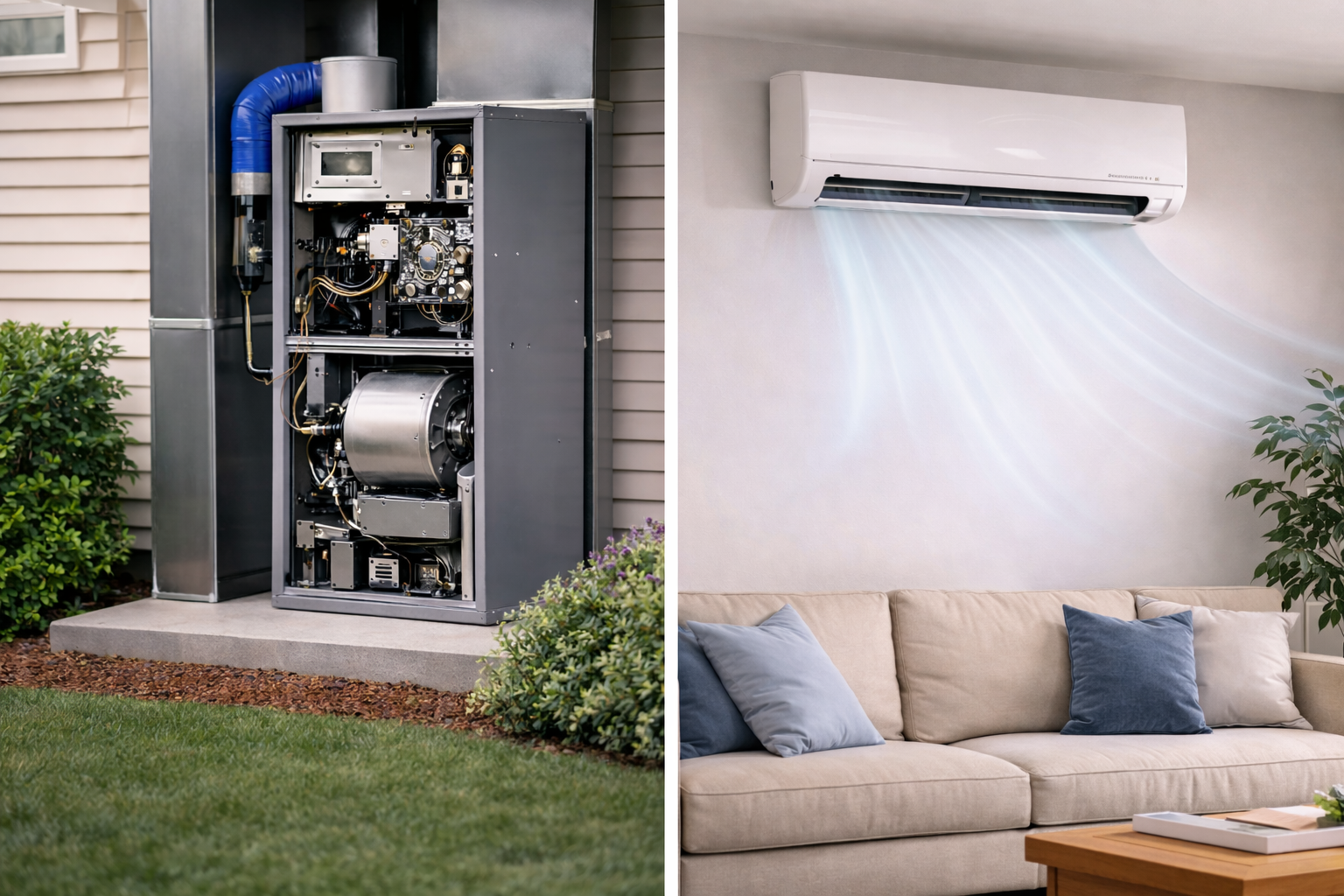
Many people use HVAC and air conditioning interchangeably, but they are not the same. HVAC is a whole-home system that includes heating, ventilation, and air conditioning. AC refers only to cooling. Think of HVAC as the full toolbox, and AC as one tool inside it. Every HVAC setup includes air conditioning, but a standalone air conditioner is not a complete HVAC system.
Understanding the difference affects real outcomes in a home. Ventilation and filtration in an HVAC system shape indoor air quality and humidity control, which influences comfort and health. The equipment mix also drives energy use and utility bills, and the maintenance plan you choose will influence lifespan and reliability. From years in the field, we see homeowners save frustration and money when they match the system to climate, home size, and comfort goals. In this guide we set expectations clearly: definitions and core components, when to choose AC versus a full HVAC system, typical cost factors, the maintenance that keeps systems running, and a simple checklist to support a confident decision.
What Is HVAC? Definitions, Typical Components and What It Actually Does
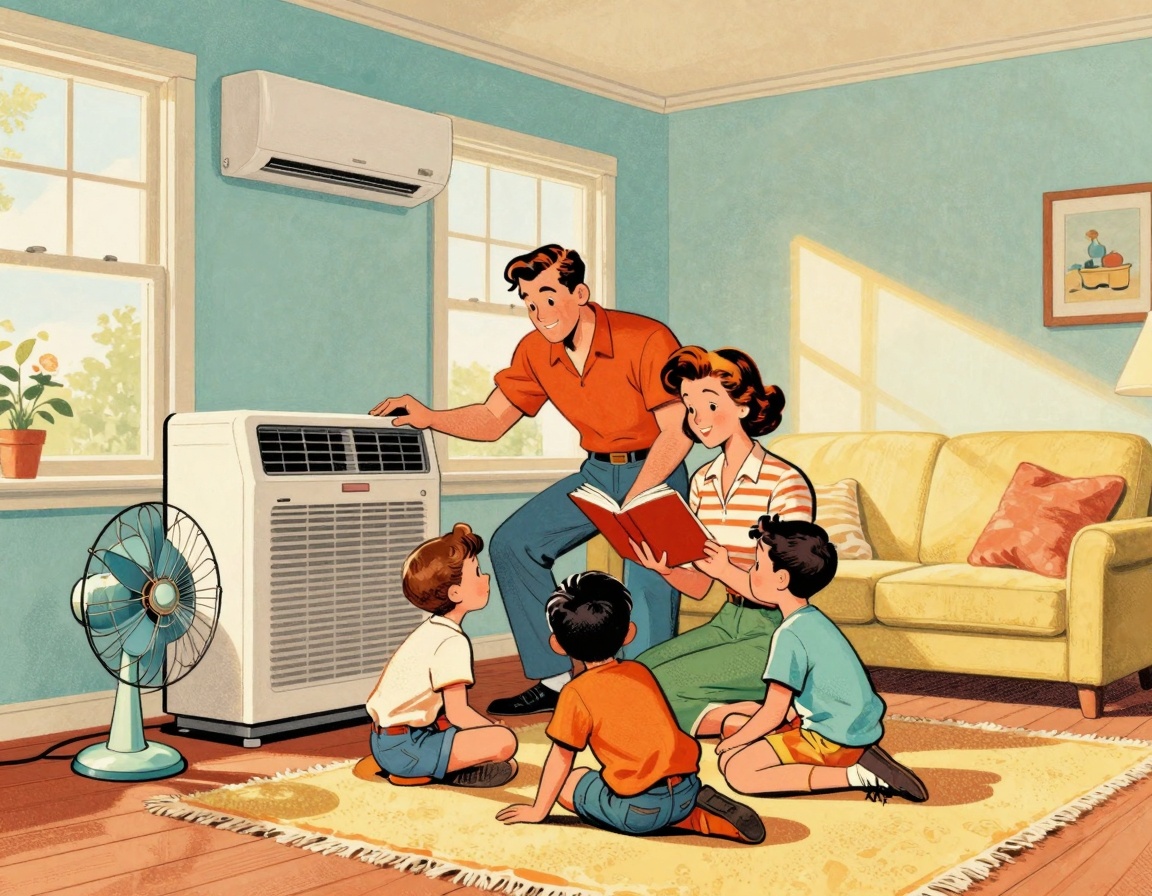
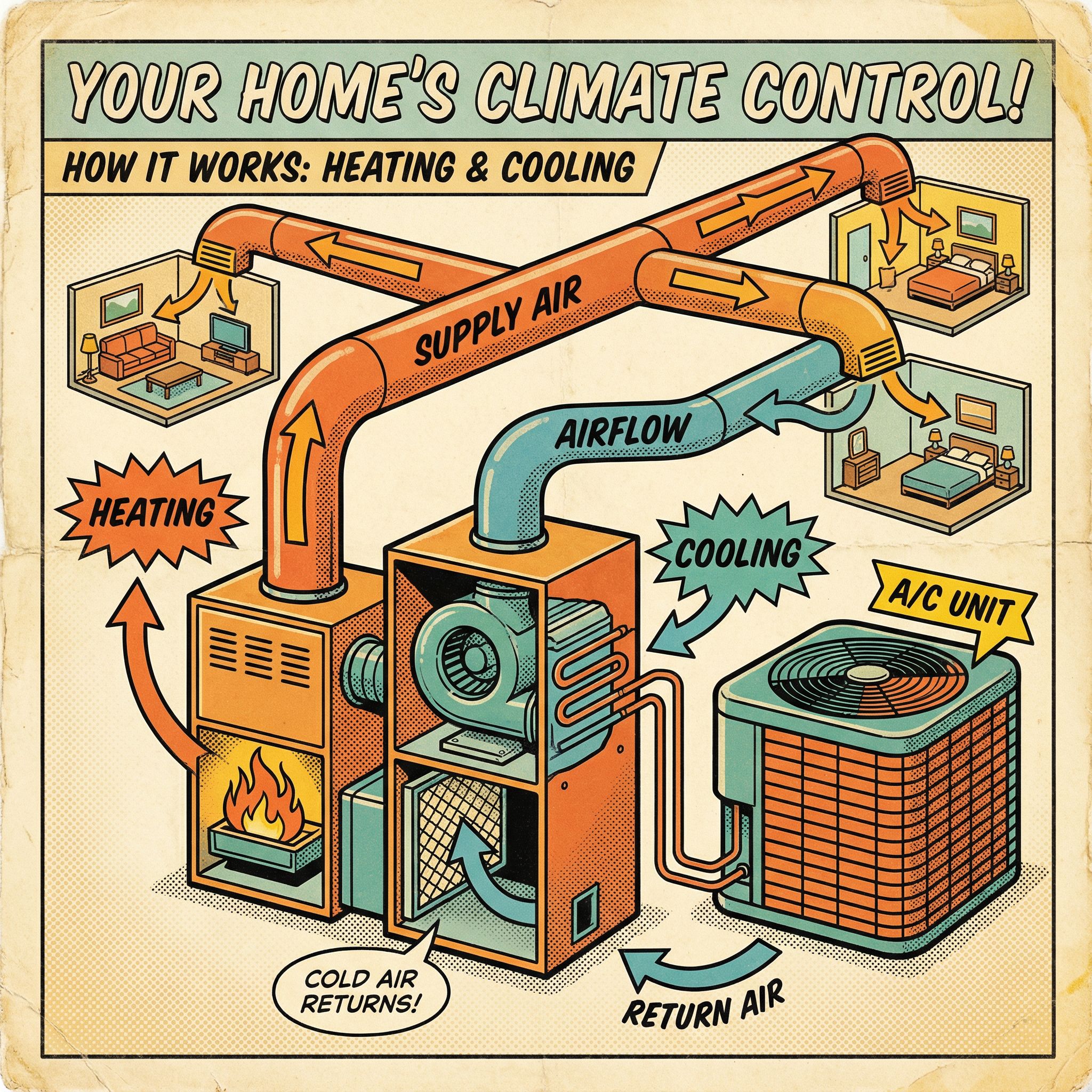
HVAC stands for heating, ventilation, and air conditioning. It is the whole building system that conditions air for comfort and health, not just a single furnace or air conditioner. Think of it as the home's lungs and circulatory system, it brings in air, treats it, and moves it to every room.
Typical components in a whole house HVAC setup include:
- Heating: a furnace or a heat pump paired with an indoor air handler or blower.
- Cooling: a central air conditioner or the cooling mode of a heat pump, plus an indoor coil.
- Air distribution: ductwork with supply registers and return grilles that deliver and pull air.
- Ventilation: mechanical ventilation that exchanges stale indoor air with outdoor air to manage moisture and pollutants.
- Indoor air quality: filters and other IAQ components selected to capture particles and support cleaner air.
- Controls: a thermostat and system controls, sometimes zoning, that coordinate temperature and airflow.
What the system actually does is manage temperature, humidity, airflow, and filtration across the entire home. Beyond basic cooling performance, a complete design must also account for combustion safety on fuel fired equipment, duct performance so rooms receive the right airflow, adequate ventilation rates for the occupants, and indoor air quality targets. When these pieces work together, the result is year round comfort with controlled moisture levels, consistent room to room temperatures, and cleaner indoor air.
What Is Air Conditioning? How Cooling Systems Work and What They Cover
Air conditioning is the cooling and dehumidifying part of your system. It includes the compressor, condenser, evaporator coil, refrigerant circuit, and indoor and outdoor fans. Its job is simple: remove heat and moisture from indoor air and move the heat outside.
Here is the cycle in plain terms: the indoor coil is cold, so refrigerant absorbs heat as it evaporates. The compressor raises pressure and temperature, then the outdoor condenser rejects that heat and the refrigerant condenses. An expansion device drops pressure to make it cold again. In our experience at Budget Heating (BudgetHeating.com), correct airflow lets the coil pull humidity into the drain.
Efficiency is rated by SEER and newer SEER2. Both reflect seasonal cooling per unit of electricity. SEER2, adopted in 2023 with higher test static, often reads lower than old SEER for the same real performance. Code minimum sits in the mid teens, while premium inverter or variable speed units hit 20 plus. These ratings apply to standalone ACs and the cooling mode of heat pumps.
Refrigeration vs Air Conditioning: How They Relate to Each Other
Both refrigeration and air conditioning run on the same toolkit, a compressor, condenser, expansion device, and evaporator, but they chase different goals. Refrigeration protects goods or processes, holding a target temperature with tight tolerances for long, often continuous, runtimes. Air conditioning is about people, balancing sensible temperature and indoor humidity so spaces feel comfortable, with attention to airflow, noise, and part load operation.
In our field work, problems show up when comfort AC is asked to do a refrigeration job or when a comfort system is expected to remove more moisture than it was designed to handle. That is when refrigeration grade thinking matters: narrow temperature bands, long duty cycles, precise humidity control, and controls that can stage or modulate without overshooting.
Cost dynamics differ too. Installing process oriented systems can cost more upfront, while comfort AC can be simpler to deploy. On the operating side, efficiency upgrades reduce bills. A common rule of thumb is that each added SEER point can trim about 7 dollars per month from an older baseline. Variable speed equipment and modern heat pumps cut energy use further when properly sized and commissioned.
Installation and Maintenance Differences: What Homeowners Can Do and When to Call a Pro
AC only systems are typically simpler to install and maintain, with fewer components. Full HVAC setups that include a furnace or heat pump add electrical, refrigerant, and sometimes combustion and venting layers, so responsibilities split differently.
- Replace or clean air filters every 1 to 3 months.
- Keep the outdoor unit clear of leaves, grass, and obstructions, with open space around the cabinet.
- Check thermostat settings and batteries.
- Inspect the condensate drain for signs of clogging or leaks.
Safety essentials: turn off power at the breaker or disconnect before any inspection, never handle refrigerant, and maintain carbon monoxide detectors anywhere combustion equipment is present.
Call a licensed professional for electrical problems, refrigerant leaks or any sealed system work, combustion or flue concerns, complex mechanical repairs, and all new installations or modifications that require permits and code compliance.
HVAC vs Air Conditioning: Key Differences at a Glance
- Scope: HVAC is the umbrella that integrates heating, ventilation, and cooling for whole home comfort. Air conditioning is the cooling and dehumidification piece only.
- Core components: HVAC pairs a heat source or heat pump with an air handler or furnace, ductwork, filters, and controls. AC relies on an outdoor condenser and an indoor coil or air handler.
- Ventilation: HVAC setups can incorporate fresh air and enhanced filtration. Standalone AC typically recirculates indoor air only.
- Installation: Full HVAC installs are more involved, coordinating heat, airflow, ducts, and controls. AC-only can be a simpler add-on coil to a furnace, a packaged unit, or a ductless mini split.
- Best-fit climates: AC-only suits hot regions with mild winters or homes using separate heat sources. HVAC suits four-season climates or any home needing integrated heating plus cooling. In our experience at Budget Heating (BudgetHeating.com), matched HVAC systems deliver balanced comfort and efficiency across most U.S. regions.
Common Applications: When You Need a Full HVAC System vs. Just Air Conditioning
From decades in the field, we choose AC only when cooling is the only gap, and full HVAC when heat, humidity, or IAQ also matter.
- Clarify goals: comfort, humidity, and indoor air quality.
- Climate and use: mild areas or strong existing heat favor AC only, cold or mixed climates lean full HVAC.
- Ducts and utilities: confirm condition and availability.
- Right sizing and design: Manual J load and Manual D ductwork.
- Efficiency and comfort: SEER, HSPF, AFUE, plus staging and variable speed.
- Whole project view: IAQ and ventilation (MERV, ERV or HRV), controls or zoning, licensed commissioning, and incentives.
Where AC only falls short: persistently humid homes may need full HVAC with reheat or a whole home dehumidifier. Where full central HVAC is not ideal: very tight or ductless homes fit ductless mini splits. In arid regions or small apartments, evaporative, window, or portable ACs can be better fits.
Energy Use, Efficiency and Regulatory Changes to Watch (SEER2, HSPF2, Refrigerant Phase down)
In 2023 the DOE updated test procedures, introducing SEER2, EER2 and HSPF2. Tests use higher external static pressure to reflect real ducts, so ratings appear lower than older labels even though comparable equipment performs similarly. Regional minimums now vary by U.S. climate band, which governs what can be installed in northern versus southeast or southwest states. Higher SEER2 or HSPF2 typically lowers seasonal electricity use and utility bills.
- AIM Act refrigerant transition: systems shift to lower GWP A2L refrigerants like R 32 or R 454B around 2025, with installation and code implications.
- Selection by climate: hot humid areas need strong dehumidification and ventilation. Mixed or cold climates often favor heat pumps or a furnace plus AC.
- Installation note: the new tests highlight the need for correct airflow and ductwork to realize posted SEER2 or HSPF2.
Common Myths and Mistakes About HVAC and AC (and How to Avoid Them)
In our experience: HVAC is the whole system, AC is one part. Bigger is not better, size with Manual J. Do not top off refrigerant yearly, fix leaks. Closing vents increases static, use zoning or design. Cranking the thermostat does not cool faster. Not set and forget, book seasonal maintenance. SEER is not everything, install quality and airflow matter. HVAC does not bring outside air unless designed. Mini-splits are not always cheapest. Modern cold-climate heat pumps work in low temps.
Summary and Next Steps: How to Choose, What to Ask Your Technician, and When to Hire Help
Bottom line: HVAC is the whole comfort system that handles temperature, ventilation, filtration, and humidity. AC is the cooling subset, the compressor, condenser, evaporator, refrigerant circuit, and fans. Choose AC only when you already have heat, choose full HVAC for year round comfort, IAQ, and compliance. Ask your technician about load calculation, duct static pressure, line set condition, electrical, and permits. If you are weighing repair vs replace, our team can review sizing, ductwork, and controls, then help coordinate with your installer.
- Get a Custom Quote, backed by 30+ years and 200,000+ orders
- Talk to Our Team by phone for U.S. based technical guidance
- Shop Air Conditioners or Complete HVAC Systems
- Wholesale pricing, free shipping on most orders, Affirm financing
 Cooling
 Heating
 Money Saving Tips
 Product and Brands Insights
 Buying Guides
 State by State
 HVAC Systems