




 learning center
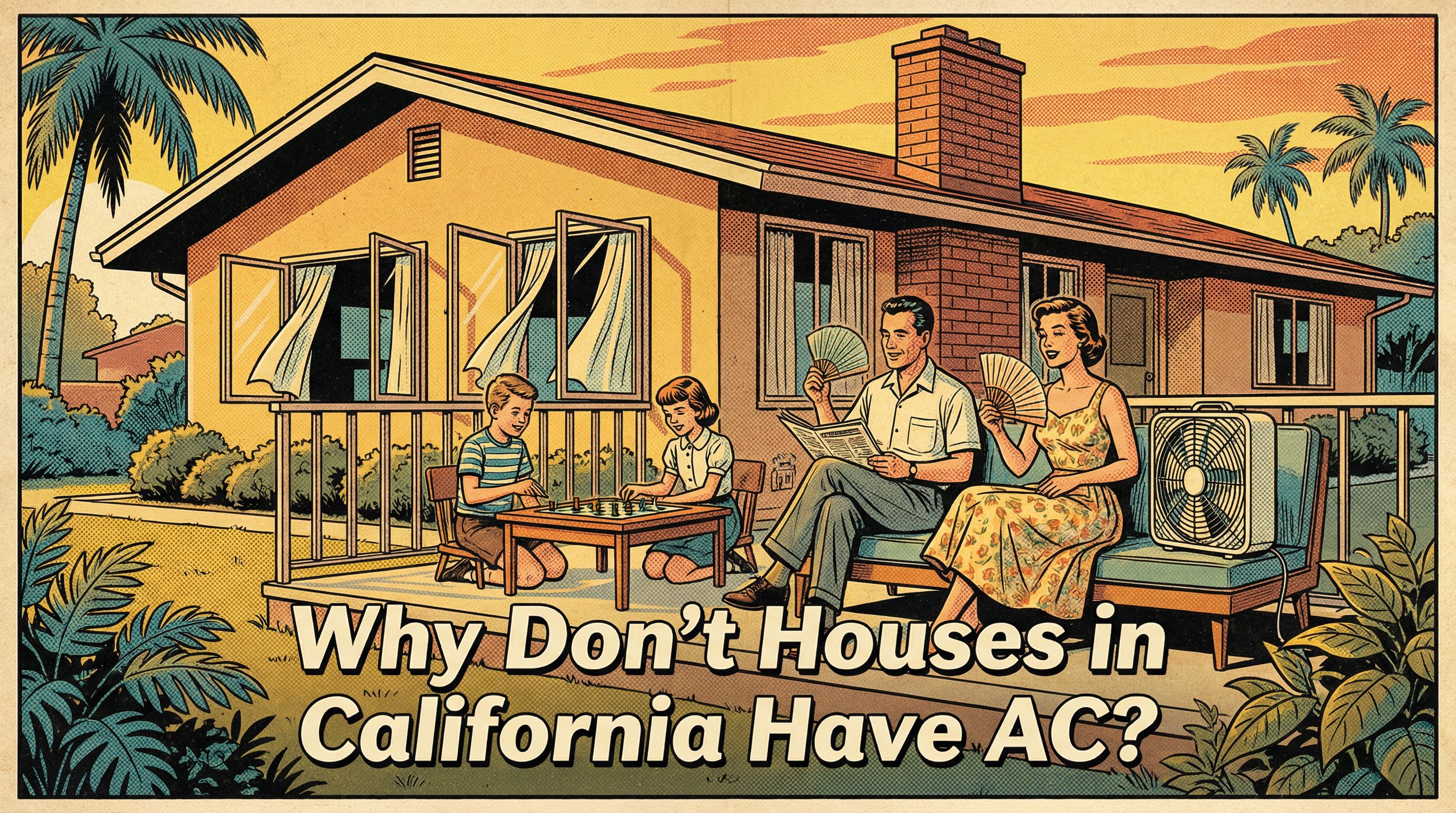
Why Many U.S. Households Don't Have Air Conditioning: a quick snapshot
Air conditioning is not universal. About one in eight households, roughly 39 million Americans, report not using AC. That gap affects comfort during heat waves, health outcomes for seniors and children, and equity when only certain neighborhoods can reliably stay cool. In our decades of HVAC work, the reasons tend to cluster into four buckets: regional climate where summers are mild, upfront and ongoing costs, older housing and building design that complicate installs, and personal values or preferences such as noise, sustainability, or aesthetics. Understanding these tradeoffs helps you make safer, smarter choices before the next heat wave.
This article is a fast, practical guide for homeowners weighing upgrades, renters deciding what is feasible in a lease, and policymakers assessing community heat readiness. We answer three simple questions:
- Where and when is AC essential versus optional
- What drives total cost across purchase, power, and maintenance
- Which building factors and rules limit or enable cooling choices
Where AC is (and isn't) common: the core reasons behind adoption patterns
Air conditioning adoption usually follows perceived need: local climate and how often heat becomes uncomfortable, not income alone. In milder or marine influenced areas, summers are short and nights cool off, so many households lean on natural ventilation, ceiling or box fans, exterior shading, and occasional portable or window units instead of whole home systems. The trade off is simple to most owners: the upfront cost, installation work, and ongoing energy use of central AC versus the limited number of hot days they actually face. When nights reliably cool and indoor gains are managed, central AC can feel unnecessary.
Passive cooling and night flushing are the backbone of this approach. Passive cooling limits heat entry and buildup through shading, closing blinds during peak sun, minimizing internal heat sources, and promoting cross breezes. Night flushing takes advantage of cool evenings: windows are opened and fans move outdoor air through the home to pull heat out of walls and floors, like rinsing a warm pan with cool water. Climate change is nudging this balance, yet many regions with strong nighttime cooling still find passive strategies, plus small plug in units, cover most needs.
Historic and regional patterns: how climate, building stock and regulation shape AC adoption
Air conditioning adoption tracks climate first. Cooling degree days are the yardstick: think of them as a tally of how much cooling your area asks of a home over a season. Regions with frequent hot days typically have high AC penetration, while milder or breezy coastal areas lean lower. Since the 1950s, average U.S. cooling degree days have risen by roughly 30%, which shifts the line where AC becomes worthwhile into places that once got by with open windows or passive strategies like night flushing.
Hawaii illustrates the nuance. It racks up many cooling degree days, yet AC penetration sits around 57% because temperatures rarely top about 90 F, and trade winds plus natural ventilation keep homes comfortable enough that many households defer central cooling.
Regulation also steers the market. The DOE's 2023 M1 test procedure changed how efficiency is rated, moving equipment to SEER2, EER2 and HSPF2 labels and raising minimums. That resets the baseline efficiency and narrows which models are produced and stocked, so product availability varies by region. Where climates are warming and codes align with M1, we see faster turnover toward higher efficiency systems and broader adoption.
Housing stock and tenure: older homes, renters, and why buildings matter for cooling
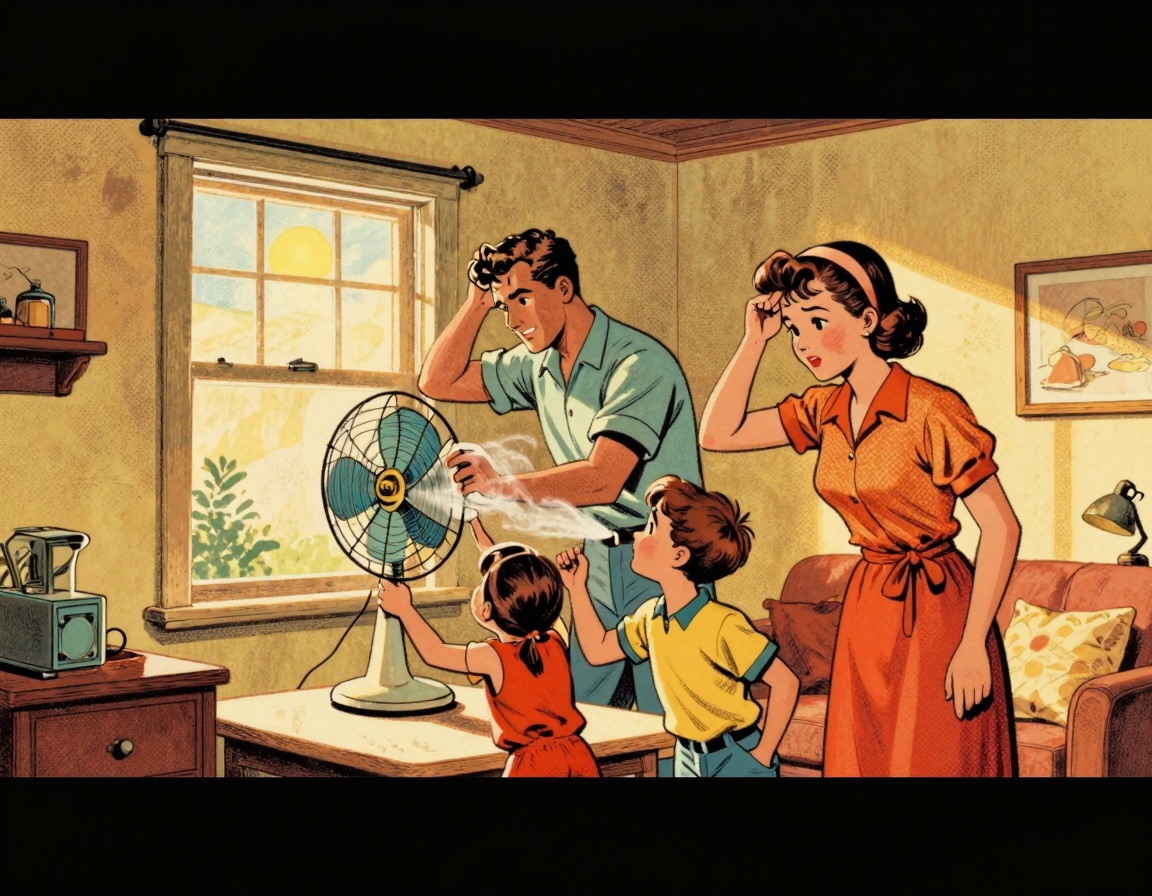
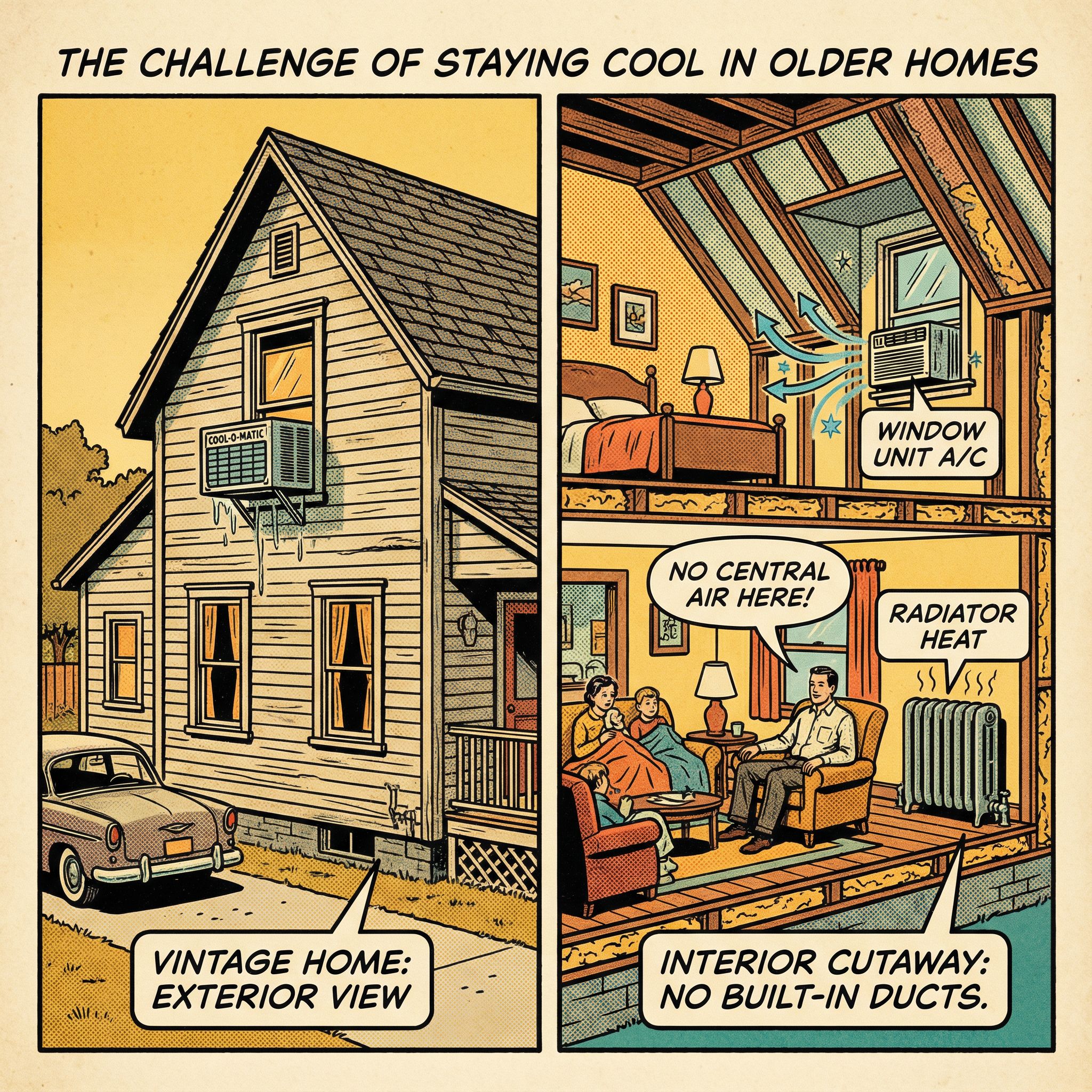
Older homes often lack ducts, have limited electrical capacity, or offer little space for outdoor units, so adding cooling can mean invasive work or higher costs. Renters face an extra hurdle, since owners control alterations and electrical upgrades. Before choosing equipment, start with a Manual J load calculation, which measures room by room heat gain based on insulation, windows, and orientation. Think of sizing like shoes: too small struggles, too big short cycles and wastes energy. If ducts exist, verify they are tight, insulated, and sized for airflow. Efficiency ratings like SEER2 matter, but only after the load and ductwork are right. In our experience at Budget Heating (BudgetHeating.com), this sequence prevents callbacks and comfort complaints.
- Evaluate local climate and cooling needs.
- Get a Manual J before selecting capacity.
- Choose a system type: central AC if ducts are sound, ductless mini splits without ducts, portable or window units as stopgaps.
- Inspect, seal, and insulate ducts.
- Confirm electrical panel capacity and outdoor clearances.
- Tighten the envelope with insulation, weatherstripping, and shading.
- Maintain filters and coils, and schedule professional inspections.
- Renters: review lease, local rules, and negotiate options.
When it's a maintenance issue: common AC problems and staying safe without cooling
Intermittent or weak cooling often traces to simple upkeep. Signs that point to maintenance: weak airflow, air that feels warm, sticky rooms with poor dehumidification, icing, or rapid cycling. We look first at airflow and drainage before suspecting major parts.
- Change or wash filters every 1 to 3 months. A clogged filter acts like a stuffed nose.
- Rinse the outdoor condenser with power off, clear 18 to 24 inches around it, remove leaves and grass.
- Clean the indoor coil and blower gently, keep all supply and return vents open.
- Flush the condensate drain with vinegar or use a wet or dry vacuum at the trap.
If the system runs nonstop in mild weather or never hits setpoint, sizing may be off, and a Manual J load calculation diagnoses that. If you are without cooling:
- Close shades, avoid oven use, and ventilate when outdoor temps drop.
- Hydrate regularly and take cool showers.
- Know nearby cooling centers and check on older adults, infants, and pets.
Economic barriers: purchase price, installation hurdles, and the cost to run AC
We do not have cost-and-savings detail here, and exact totals swing by home and region. AC budgets break into two buckets: upfront and ongoing. Upfront costs include equipment, installation and any ductwork, plus electrical upgrades or permits. Ongoing costs are electricity and routine care.
For renters, control sits with the landlord, who pays the capital cost while the tenant pays the power bill, a split incentive that delays upgrades. Low income households often live in older buildings with undersized panels or no ducts, so even efficient systems require added work or are limited to window units. In hot areas with many cooling hours, the monthly bill becomes the barrier. In our experience at Budget Heating (BudgetHeating.com), operating cost anxiety stops more installs than sticker shock.
To pin down numbers, get local quotes, check your utility rate and rebate programs, and look at state or city incentives that can offset both installation and the cost to run.
Tradeoffs and common mistakes: when AC isn't the best or only choice
In our 30+ years of field work, we see three myths repeated. First, a lack of central AC rarely equals poverty; adoption often follows climate and building habits. Second, high cooling degree days do not guarantee universal AC. They ignore ocean breezes and humidity patterns, which is why places like Hawaii can tally CDDs yet rely more on ventilation. Third, not every region is marching toward 100 percent AC. Local climate, cultural preferences, and passive design keep adoption lower in many areas.
When is a full-home system not the best choice? Mild or coastal zones with dependable night cooling: use fans, window ventilation, shading, reflective roofs, and night flushing. Short heat spikes: a window or portable unit for the main room, or community cooling centers, often delivers better value. Homes with leaky envelopes: improve insulation and air sealing first, otherwise AC money buys little comfort. In dry climates, evaporative coolers can be efficient for targeted rooms. Size any room unit using a proper Manual J load calculation.
Standards and efficiency: what SEER2/EER2 means for new ACs and heat pumps
SEER2, EER2, and HSPF2 are the updated efficiency metrics under DOE's 2023 M1 test procedure, which uses higher duct pressures to better reflect real operation. SEER2 is the seasonal cooling efficiency, like miles per gallon averaged over a whole summer. EER2 is a single point snapshot at a set outdoor temperature. HSPF2 is the heating season efficiency for heat pumps.
As of 2023, new split systems must meet minimums. Units under 45,000 BTU require at least 14.3 SEER2 and 11.7 EER2. Larger systems must meet 13.8 SEER2 and 11.2 EER2. Higher SEER2 typically means lower energy use in roughly the same proportion, but the payoff depends on your local cooling hours and electricity prices. In our experience at Budget Heating (BudgetHeating.com), homes in hot climates or with long shoulder seasons see quicker returns, while mild regions benefit more modestly. Use these labels to compare models apples to apples and choose the level that matches your climate and budget.
Policy, programs, and examples: how communities expand access to cooling
Many households lack air conditioning due to upfront cost, rental rules, or inefficient homes. Cities and utilities close these gaps with practical tools we have seen work in the field, pairing immediate relief with long term savings.
- Cooling centers: libraries and schools open longer hours with water and transportation during heat advisories.
- Weatherization and rebates: seal and insulate first, then incentives for efficient heat pumps or room ACs to cut bills and peak load.
- Targeted assistance: no cost installs, bill credits, and arrearage relief for seniors, renters, and medically vulnerable residents.
What readers can do next: practical steps to stay cool and where to find help
Climate and history, cost and housing barriers, renter and landlord dynamics, and cultural choices all interact. As summers warm, passive strategies will hit their limits. The most effective responses blend targeted financial help, building upgrades, clear tenant protections, efficient equipment, and routine maintenance. Practical next steps: check local climate trends, complete a proper load calculation, tackle envelope fixes first, then select right sized high efficiency systems. Be sure to stack rebates, utility incentives, and community cooling resources.
If you are weighing comfort, budget, and building constraints, that is a lot to juggle.
We turn it into a clear plan, from envelope priorities to matched equipment and available incentives, backed by real people you can reach by phone.
- Get a Custom Quote
- Talk to Our Team by phone or chat for U.S. based support
- Shop AC and Heat Pumps with wholesale pricing, many items ship free, financing available with Affirm
 Cooling
 Heating
 Money Saving Tips
 Product and Brands Insights
 Buying Guides
 State by State
 HVAC Systems