




 buying guides
 cooling
 heating
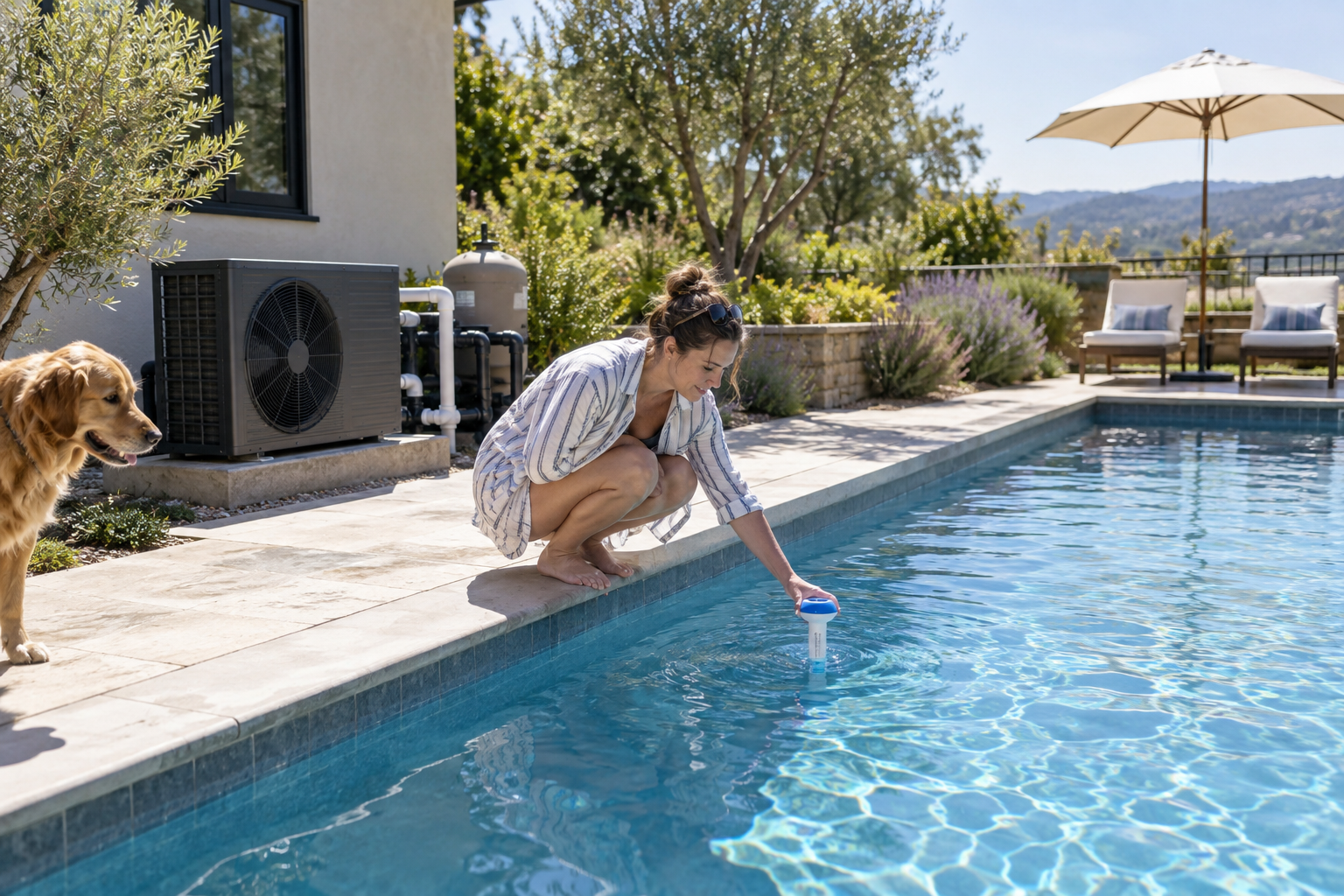
Choose a heat-only pool heat pump if your main goal is warmer water during cooler parts of the swim season and your pool stays comfortable in summer. Choose heat-and-cool if the water also becomes uncomfortably warm and you want equipment that can actively cool it. This is a choice about pool-water temperature, not air conditioning. The second mode matters only if you have a use for it, and the controls and performance of the particular unit still have to fit your pool.
What Each Configuration Does
Budget Heating separates its pool equipment into Heat Only and Heat & Cool categories. Both configurations can heat pool water; the functional difference is whether the equipment can also remove heat from it.
| Question | Heat only | Heat and cool |
|---|---|---|
| Can it heat the pool? | Yes. | Yes. |
| Can it actively cool the pool? | No. | Yes, when configured and operated for cooling. |
| What temperature problem does it address? | Water that is too cool for swimming. | Water that is too cool or too warm. |
| Will it switch modes by itself? | There is no cooling mode to select. | Check the particular unit's controls; heat-and-cool does not, by itself, specify automatic switching. |
Reducing unwanted heat gain or allowing more evaporative cooling may help a warm pool, but those measures are not the same as powered cooling. A heat-only unit cannot lower the water temperature by running in reverse.
When Heating Alone Is Enough, and When Cooling Helps
Consider a pool that feels fine through summer but is too chilly in spring and fall. Heating can make those cooler weeks more usable. How much heating is needed depends on the temperature you want, the weather, sun exposure and the pool itself, not simply the date on the calendar.
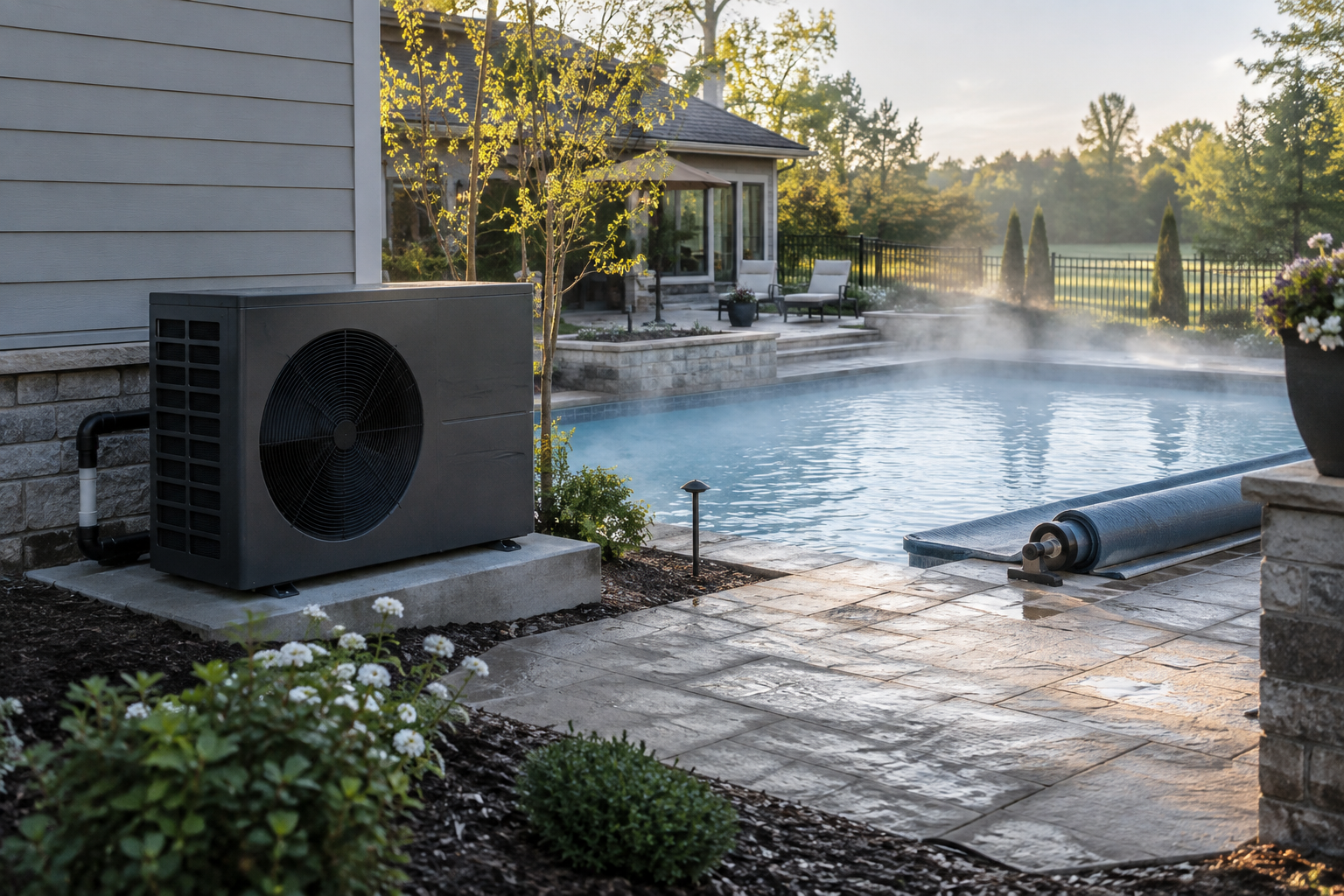
A pool cover can help retain heat when the aim is warmer water. In hot weather, leaving the pool uncovered may instead allow evaporative cooling, depending on conditions. That makes cover habits part of the seasonal decision: a pool that rarely gets too hot may need only heating, while one that remains unpleasantly warm despite practical ways to limit heat gain has a clearer use for active cooling.
Think about the water on the days you actually swim. A sunny pool in a hot climate can present a different problem from a shaded pool whose season ends when the water cools. Your preferred swimming temperature matters as much as the local climate: one owner's welcome summer warmth may be another's reason to cool the pool. Cooling capability addresses that second situation; it does not promise the same temperature reduction in every pool or every stretch of weather.
How Temperature Settings and Mode Selection Work
Selecting cool-only mode can prevent a heat-and-cool unit from heating when the water drops below its setpoint. A water-temperature setpoint provides the controller with a target; mode selection tells it whether heating, cooling or both are permitted to respond. Those are separate decisions: entering a temperature does not necessarily authorize the unit to switch from heating to cooling.
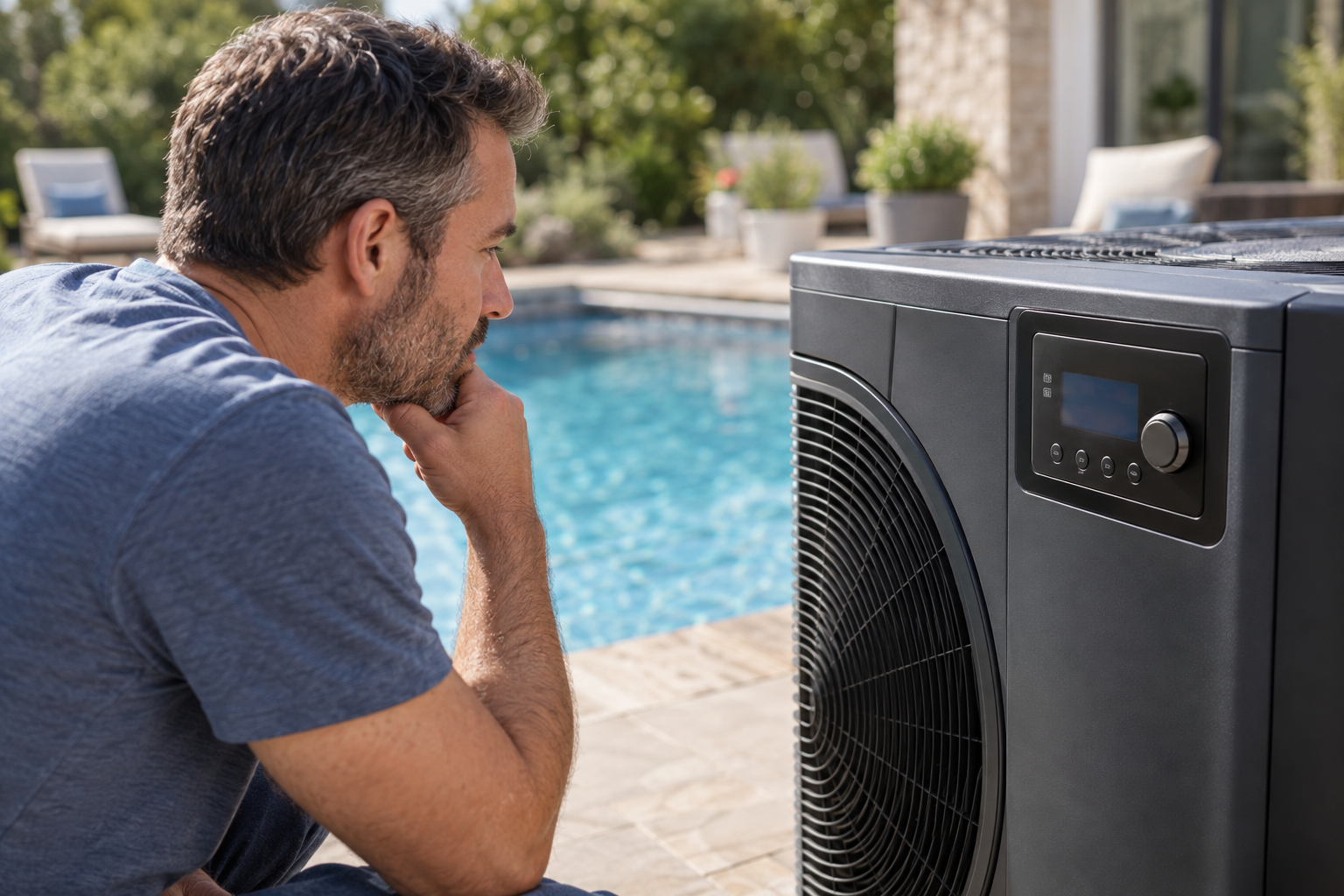
For a concrete example, the GulfStream owner's manual describes separate heat-only and cool-only selections as well as heat/cool operation that responds around a setpoint. It also states that heat/cool operation requires optional chiller components. The available selection and installed equipment therefore matter alongside the heat-and-cool label.
If you want to set a preferred temperature and leave the equipment to manage changing weather, look for automatic changeover between heating and cooling in the specific unit's controls. If you expect to decide when cooling begins, check how to select a cool-only mode and adjust its setpoint. Either arrangement can suit an owner; the difference is how much intervention it requires as conditions change.
Pool-and-spa operation needs its own check. The GulfStream manual describes cooling for pool water, not spa water. A shared equipment pad or a pool-and-spa category name does not mean every temperature mode will work for both bodies of water; the unit's instructions and the plumbing determine what can be operated.
What Determines the Water Temperature You Can Reach
Neither configuration guarantees a particular water temperature. A larger pool takes more energy to change temperature, while weather, sun, evaporation and the desired setpoint affect how much heat the water gains or loses. Daily operating time matters too: equipment that cannot run long enough to meet the pool's changing demand may fall short of the setting, even when its mode is the right one.
Compare heating capacity at the same stated test conditions, and examine cooling performance separately rather than treating the presence of a cooling mode as a heating upgrade. For example, Pentair's GulfStream specification sheet rates the heat-only HE125-RA at 118,000 BTU and the heat/cool HE125-TA at 115,000 BTU under its stated 80/80/80 test condition. Those figures describe those two models at that condition, not a general performance difference between configurations.
Also match the candidate unit's operating temperature range to the season in which you intend to use it. Heating during cooler weather and cooling during hot weather place different demands on equipment; a capacity rating alone does not describe what the unit can deliver under every ambient condition. Check the manufacturer's operating limits and performance information for the exact model and mode.
Proper circulation and installation are part of that fit. Confirm the model's required water flow and connections, electrical requirements, placement instructions and any setup needed to enable cooling before installation. These requirements belong to the selected unit; they should not be inferred from another heat pump with a similar category label.
What the Second Mode Adds to the Purchase Decision
The value of a second mode depends on how often you would use it. If your pool only needs help warming up, cooling capability may add little to your swimming season. If excessive warmth regularly keeps you out of the water, active cooling gives you a way to address a problem a heat-only unit cannot solve.
Compare purchase prices and expected running costs using actual candidate units, their performance information and the hours you expect to run each mode. A heat-and-cool label alone establishes neither a universal price difference nor a lower or higher heating bill. Cooling use adds operating time when you choose to cool; how much it costs depends on the unit and conditions.
When comparing Budget Heating's Heat Only and Heat & Cool categories, narrow the decision in this order: decide whether you need cooling at all; compare the heating and, if relevant, cooling performance of particular units; check their mode controls; then verify operating limits and installation requirements for your pool. That keeps pool water temperature control, not a feature you may never use, at the center of the purchase.
Choose the Mode Your Pool Actually Needs
Choose heat-only when cooler-season swimming is the goal and summer water is already comfortable. Consider a heat-and-cool pool heat pump when overly warm water is a recurring problem you want the equipment to correct. Whichever path fits your season, choose the particular unit for its capacity, operating conditions and controls, not for the category label alone.
 Learning Center
 Money Saving Tips
 Product and Brands Insights
 State by State
 HVAC Systems