




 buying guides
 product and brands insights
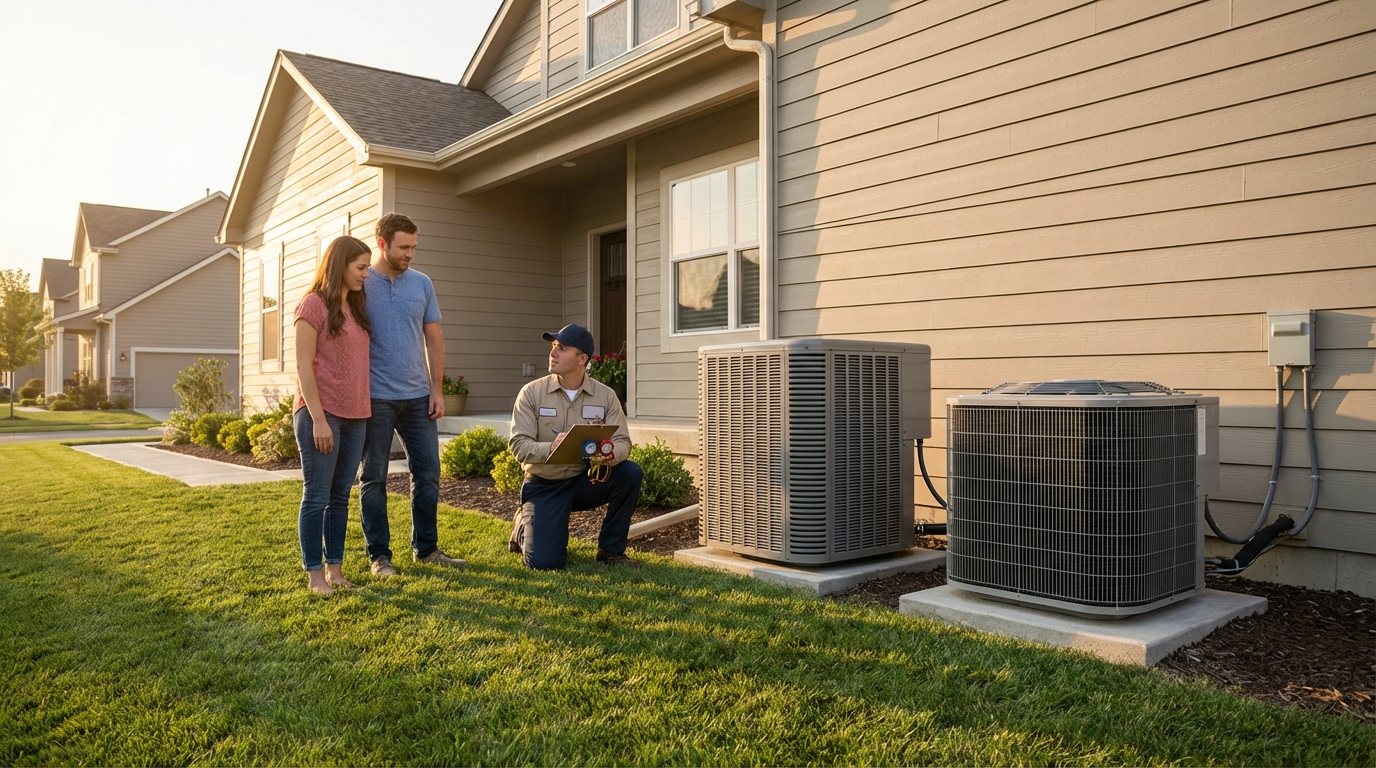
You're trying to pick an HVAC system, and the shopping experience is pure whiplash: one contractor swears a certain badge is "the only reliable choice," the next quote is $3,000 higher with different assumptions, and nobody explains the gaps. What's actually at stake is simple and expensive: steady indoor comfort, predictable utility bills, and avoiding the call-back cycle of noise, short-cycling, and uneven temperatures.
Value equipment only works when the system design is right. A low upfront bid turns into an expensive problem when the load is guessed instead of calculated, ducts leak or are undersized, controls are mismatched, or the outdoor unit and coil pairing is wrong. With value-tier systems in particular, the outcomes are driven more by correct sizing, ductwork condition, and installation quality than by the logo on the cabinet.
This guide gives you a practical lens for comparing systems by real performance, efficiency, reliability signals you can verify, and which system types fit specific homes and climates, plus clear flags for when to consider alternatives. You'll also see the shopping context that's reshaping HVAC pricing: an online-first wholesale supplier model that sells direct to homeowners, contractors, and businesses to cut costs by bypassing middlemen, reports 200,000+ orders fulfilled worldwide as of 2025 (company-reported), and hosts HVAC resources and homeowner guides written for homeowners and property managers who are comparing quotes.
AirQuest is one of the names that comes up often in value-tier bids, so the practical question is what you get in exchange for the lower brand premium.
AirQuest at a Glance
AirQuest competes as a value-positioned line: you're buying solid baseline functionality and a serviceable feature set, not boutique controls or premium branding. The practical upside is supportability. AirQuest equipment is manufactured by International Comfort Products (ICP), and ICP also manufactures Comfortmaker, Heil, and Tempstar, so the brand sits inside a larger, established equipment ecosystem rather than standing alone.
That context matters because two "value" systems can have very different long-term costs once you factor in stage count, blower capability, and how quickly common parts can be sourced by the contractor actually servicing the unit.
At the category level, AirQuest spans heat pumps, air conditioners, furnaces, and air handlers. AirQuest product guides show air conditioners, heat pumps, and oil furnaces in the complete line, which is a useful clue about where the brand focuses its breadth.
Feature-wise, expect familiar tiers: single-stage versus two-stage operation, plus select models that step up to variable-speed blower options, which is one of the cleanest levers for dialing in comfort while controlling day-to-day operating costs. AirQuest also publishes a "Performance Series"; model codes like PDB4, PGB4, and PAB4 are concrete examples of how that series is labeled.
Warranty paperwork is not optional. Register within 90 days and the original owner gets a 10-year limited parts warranty; skip registration and that drops to a 5-year limited parts warranty. AirQuest also references a 10-year compressor limited warranty when registered in some warranty messaging.
Beyond warranty length, your real cost drivers are parts availability and contractor familiarity. The smartest "value brand" play is choosing the minimum feature set that protects comfort (staging and blower capability), confirming your installer's parts and support expectations up front, and completing registration immediately after installation.
Those same basics-staging, airflow capability, and verified system pairing-show up most clearly when you start comparing heat pumps.
AirQuest Heat Pump Systems
The right AirQuest heat pump is the one that's properly matched and correctly sized. Efficiency tiers only pay off when the indoor and outdoor equipment are configured as a rated system for a realistic 2 to 4 ton load and your comfort priorities, especially humidity control, sound, and how long the system runs per cycle.
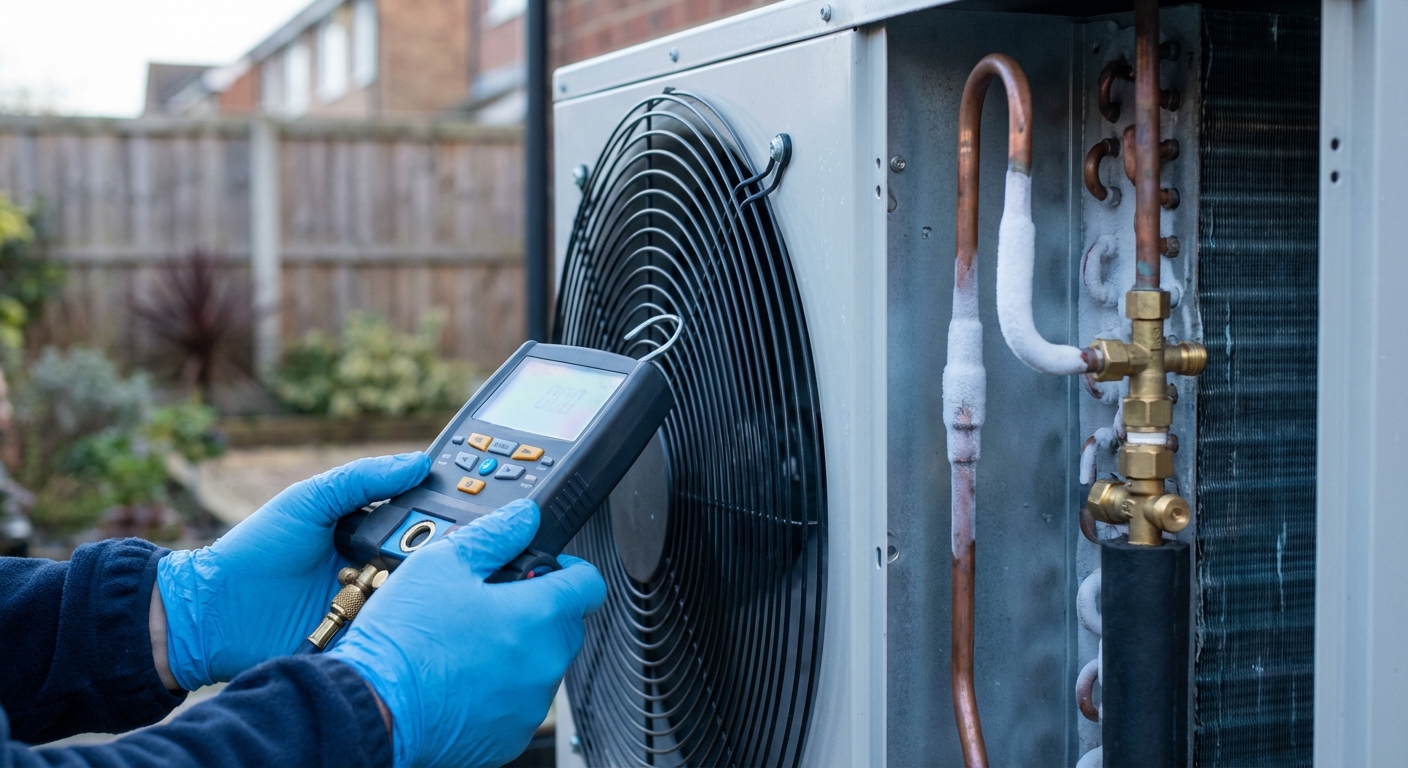
Start comparisons with SEER2, because SEER2 is "the total cooling output of an air conditioner or heat pump during a typical cooling season, divided by the total electric energy input during the same period, using the DOE's updated test procedure." That matters because a "high SEER2" outdoor unit does not automatically deliver that rating with every coil and blower it can physically connect to.
HSPF2 is the heating side of the same reality: "the total heating output of a heat pump during a typical heating season, divided by the total electric energy input during the same period, using the DOE's updated test procedure." Use HSPF2 to compare seasonal heating efficiency, and use EER2 as a supporting check on efficiency under specific operating conditions when you're looking at similar SEER2 units.
The baseline anchor is the AirQuest Performance 14 heat pump, built around a single-stage scroll compressor. Note that this model is rated in legacy SEER rather than SEER2, and 14 SEER converts to roughly 13.3 SEER2, which sits below the current 14.3 SEER2 national minimum for split-system heat pumps. Treat it as a reference point for older installed equipment, not as a comparison floor for a new purchase, and confirm the current SEER2 rating on any model you are actually quoted. Single-stage equipment buys simplicity, but it also locks you into one output level, so runtime behavior is less flexible when loads swing.
At the higher-efficiency end, AirQuest Ion system heat pumps are rated up to 20 SEER2, 11.5 EER2, and 9.5 HSPF2, with sound levels as low as 54 dBA. This tier buys you quieter outdoor operation and more headroom to prioritize comfort settings without feeling like you're paying for every extra hour of runtime.
R-32 refrigerant is "difluoromethane (HFC-32), a single-component A2L refrigerant used in air-conditioning and heat pump systems." It's promoted as a lower-GWP replacement for R-410A, and industry sources claim R-32 systems can use about 20% to 30% less refrigerant charge than comparable R-410A designs. Some manufacturers also claim up to about 10% efficiency improvement, but actual performance is driven by the equipment design and the installation, not the label on the jug.
In ducted split systems, you're shopping a heat pump plus air handler, not a standalone outdoor unit. The indoor unit dictates airflow capability and coil compatibility, and those two factors determine whether the outdoor unit can hit its published ratings.
This is where an AHRI match stops guesswork: "an AHRI match is a specific indoor and outdoor equipment combination listed in the AHRI Directory with a certified performance rating." For example, the AHRI directory lists an AirQuest outdoor unit as the Mainline 17 SEER2 HP with model number H4H7T24*K*AAA*, which is what verified pairing looks like in practice.
Use 2 ton, 3 ton, and 4 ton as decision contexts (condo or tight envelope home vs typical mid-size home vs larger footprint or higher loads), then insist on two checks before you buy: a Manual J load calculation for sizing and an AHRI match for the exact indoor-outdoor combination the installer will set. If you need quick payback math to sanity-check tiers, SEER2 savings or operating cost calculator and filters are a practical starting point.
Heat pumps handle a lot of the year in many climates, but cold-weather and backup-heat decisions are where furnace details-and dual-fuel control strategy-start to matter.
AirQuest Furnaces & Dual-Fuel Pairings
If winter performance is the priority, gas, or a dual-fuel pairing built around a gas furnace, still sets the baseline for dependable heat. AirQuest gas furnaces run up to 96% AFUE, which is the tier you buy when you want strong output without guessing what the bill will look like when temperatures stay below freezing.
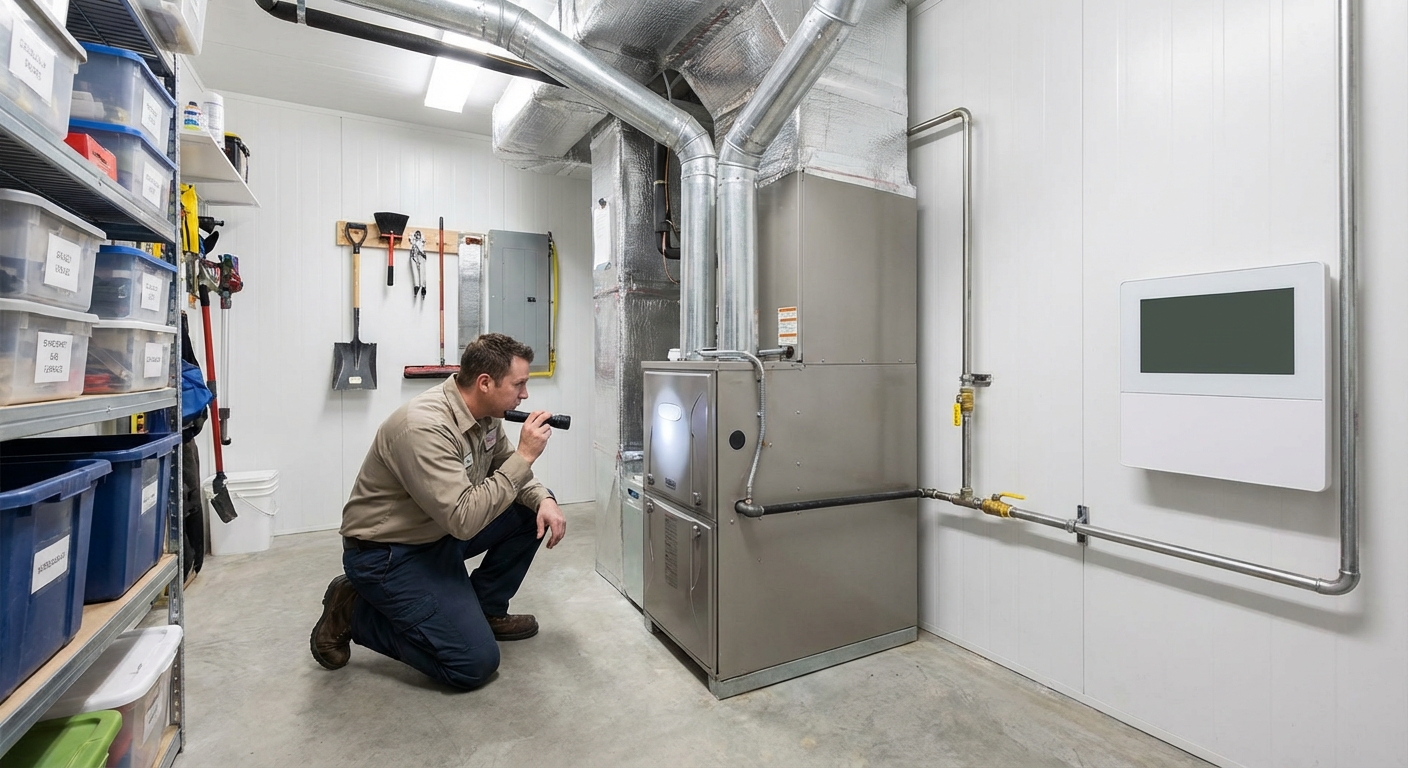
Use AFUE (Annual Fuel Utilization Efficiency), the percentage of the fuel's energy that is converted into usable heat over a typical heating season, to compare furnaces on seasonal fuel-to-heat conversion rather than nameplate input alone. Comfort is the other half of the decision: an ECM blower motor (electronically commutated motor), a high-efficiency, electronically controlled variable-speed motor that drives the blower, holds airflow steadier across ducts and filters, which stabilizes room-to-room temperatures and reduces the on-off feel of oversized airflow.
On AirQuest's high-efficiency side, the G96VTN is Energy Star certified. If you want the feature set nailed down, the Performance 96 N96MSN is specified with a multi 18-speed ECM blower motor, an induced draft combustion motor, and a single-stage gas valve.
A dual-fuel system is a matched heat pump plus gas furnace setup that automatically selects the heat pump or the furnace based on outdoor temperature and control settings. The practical win is simple: the heat pump carries the mild-weather hours, then the furnace takes over when it is too cold for efficient heat-pump heating.
The catch is that dual-fuel success depends on the balance point and lockout strategy your controls support, not the badge on the equipment. Your buying decision should assume the installer will set a temperature threshold (or use an outdoor sensor) so the system switches cleanly instead of fighting itself.
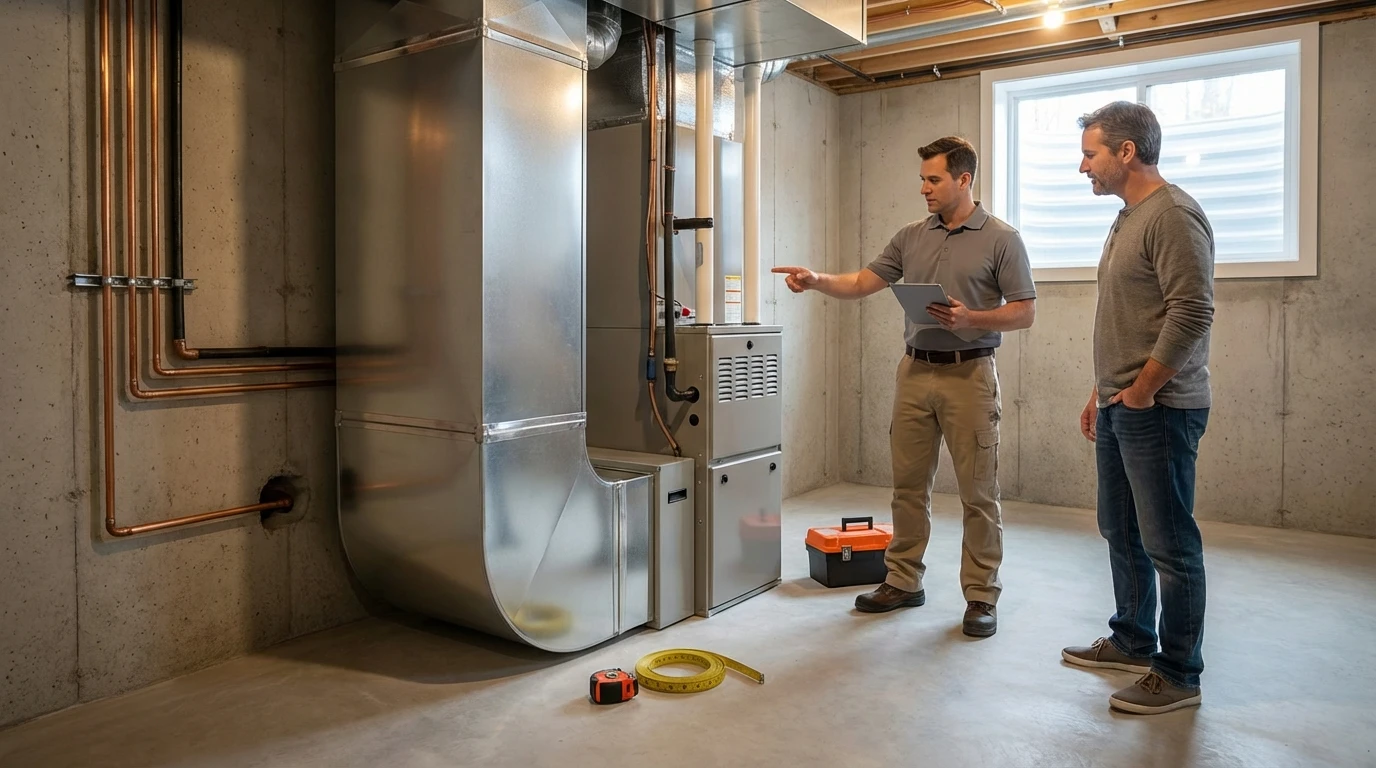
High efficiency changes the physical installation requirements. Condensing (90%+) furnaces require sealed combustion to protect indoor air quality, and their exhaust is cool and moist, so PVC/CPVC venting with proper slope and a way to manage condensate is commonly required. In real homes, that typically means a two-pipe layout with separate intake and exhaust, and a clear plan for a condensate drain.
- Confirm furnace class: 80% vs 90%+ (condensing) and what your home can vent.
- Verify the venting route: intake and exhaust paths (often two-pipe on 90%+).
- Confirm a condensate drain location and disposal method is available.
- Confirm thermostat or control board supports dual-fuel changeover and lockout.
- Confirm outdoor temperature sensing strategy (sensor or thermostat logic).
- Confirm the installer supports the specific indoor and outdoor equipment pairing.
Of course, not every project is best served by replacing a ducted system at all-sometimes the ductwork is the limiting factor, not the equipment (including common 3-ton dual-fuel heat pump and gas furnace pairings).
When to Choose a Mini Split Instead
If ductwork is the bottleneck, ductless is the clean solution. When the constraint is access, leakage, or the sheer disruption of rebuilding ducts, a ductless mini-split vs traditional ducted HVAC beats a ducted replacement on simplicity, zoning, and how little of your house gets torn up.
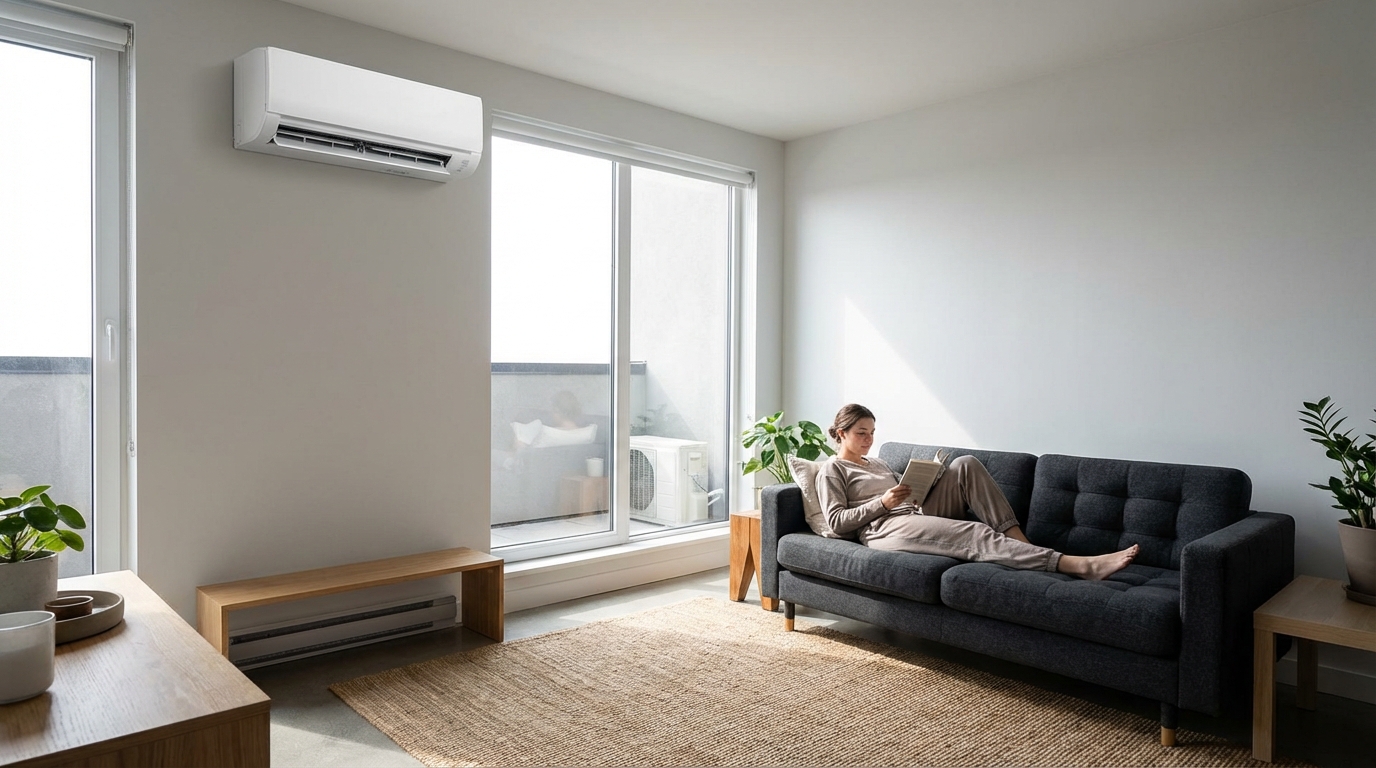
Pick ductless when the room needs conditioning more than the house needs a new duct system. Additions, finished garages, bonus rooms, and converted basements usually have no supply and return runs worth saving, so a single-zone mini-split solves the problem without opening ceilings.
It also wins when comfort is uneven. If bedrooms roast while the living room freezes, zoning a ducted system typically means new dampers, control wiring, and duct modifications. A mini-split targets the specific problem zones without re-engineering the trunk lines.
Limited attic or crawl access and high duct leakage push the same direction. If you cannot practically seal and rebalance the ducts, spending on new equipment just feeds losses.
Use sizing rules-of-thumb carefully: 12,000 BTU is commonly defined as 1 ton of cooling, and a 12,000 BTU (1-ton) mini-split is commonly cited to cover roughly 400 to 600 sq ft. Treat that as a starting point, not a guarantee, because load drivers (glass, insulation, sun, ceilings) swing hard.
High-efficiency ductless is real: MRCOOL lists a DIY 18,000 BTU system at 22.5 SEER2, and a 48,000 BTU 5-zone at 21.8 SEER2.
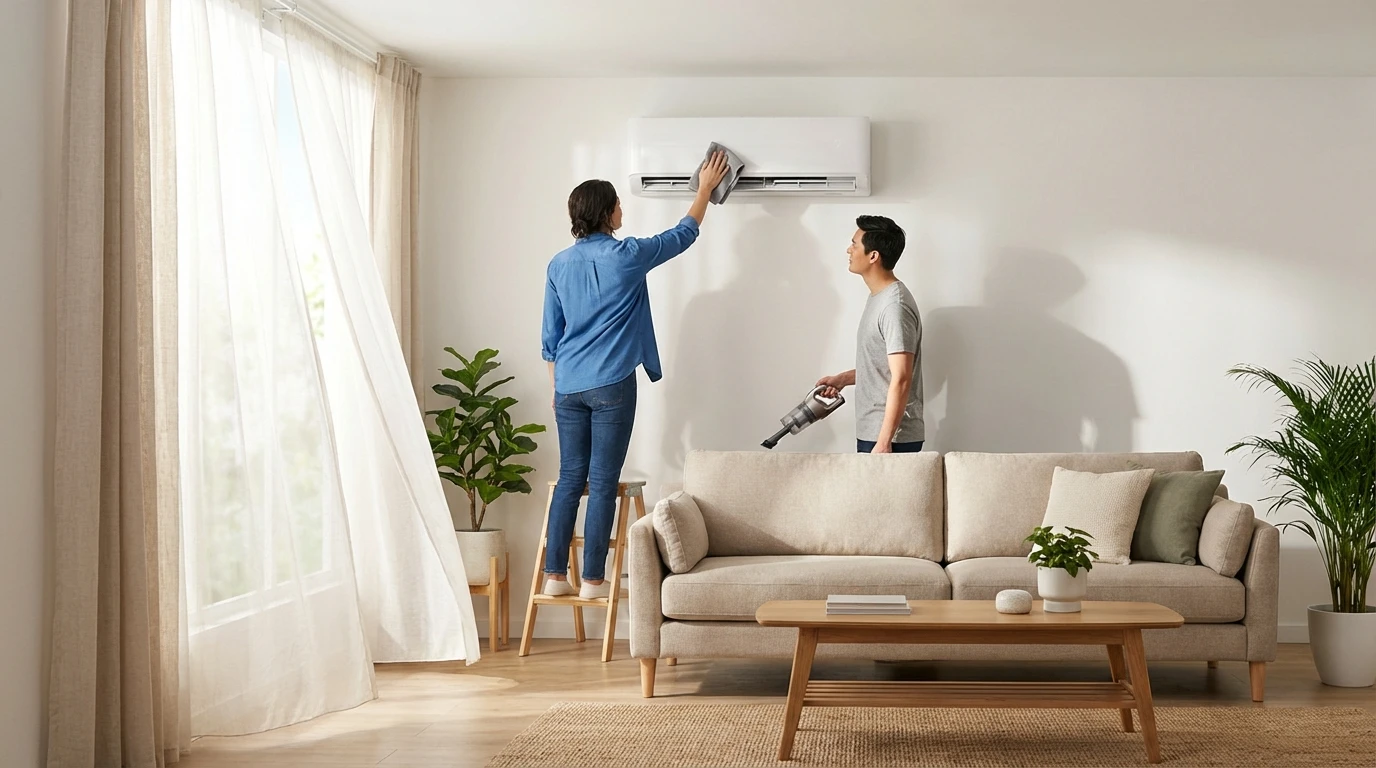
Wall-mounted indoor units are generally more affordable, easier to install, and easier to maintain. Ceiling cassettes and concealed-ducted heads exist, but they add routing and service complexity fast.
Single-zone stays straightforward. Multi-zone demands a real plan for head placement, line-set routing, and electrical, and a complete mini-split AC buying guide helps map out where DIY-friendly kits stop being "simple" for many homes.
- Do you lack usable duct runs for the space (addition, garage, bonus room)?
- Is the pain point isolated to 1 to 3 zones rather than the whole house?
- Is attic or crawl access too limited to repair or replace ducts cleanly?
- Can you route a line set and condensate drain to an outdoor location without major demolition?
- If loads are uncertain, are you willing to validate sizing with a contractor before buying?
Budget Heating carries both ducted and ductless equipment plus common install accessories for either approach.
Whether you go ducted or ductless, the same pattern shows up in homeowner feedback: the equipment name matters less than how well the system is designed, paired, and commissioned.
AirQuest Reviews in the Real World
Real-world satisfaction with AirQuest swings on install quality and system matching. The reviews you read often reflect commissioning and airflow as much as the equipment itself, because a well-built unit still performs poorly when charge, static pressure, or controls are wrong.
What tends to move outcomes is consistent: comfort stability (temperature swings and short-cycling versus long, even runtimes), noise perception (what you hear indoors at registers versus what neighbors hear outside), humidity control (especially during shoulder-season cooling), and reliability plus service experience (parts availability, callbacks, and how fast problems get closed out).
One more reality check: reputation signals can get scrambled by naming. The Air Quest/AirQuest business in Maynardville, TN is BBB Accredited (accredited since 11/30/2001), while an Airquest listing for Springfield, GA is not accredited, and they are not the same entity.
AirQuest's QuietComfort-16 packaged air conditioner is advertised with quiet performance as low as 70 dB and includes two-stage cooling and a multi-speed blower motor. Two-stage plus multi-speed can deliver steadier temps and less noticeable cycling, but only if the indoor-outdoor pairing (use an AHRI-rated match), airflow setup, and thermostat logic are correct (and if you’ve considered HVAC zoning systems versus a standard single-zone setup).
- Collect the documentation the installer used to size the system (Manual J) and to certify the exact indoor/outdoor pairing (AHRI listing).
- Check thermostat and control compatibility for your system type.
- Define DIY vs contractor boundaries: refrigerant handling, commissioning, and warranty-required steps.
- Complete warranty registration within the required window.
- Prepare for shipping: track, schedule access, and document delivery condition immediately.
For Budget Heating orders, check shipment status in your account portal under "My Account / Order Status." The site also maintains a customer reviews landing page; use it for patterns, then document delivery photos and contact support promptly if anything arrives damaged.
Conclusion
AirQuest is the right pick when you want a value-driven replacement or straightforward upgrade, as long as the system is correctly sized, properly matched, and professionally installed-the same levers that prevent the noise, short-cycling, and uneven temperatures that drive expensive callbacks.
If your project needs complex zoning, you're chasing higher-efficiency performance targets, or your ductwork is the limiting factor, choose a different path, including ductless when ducts are the constraint.
Lock performance in on paper first by making the Manual J and AHRI pairing part of the final quote package, and confirm feasibility for cold-weather gas or dual-fuel installs (90%+ involve venting and condensate constraints) before you sign.
Then price the project with incentives: the federal Energy Efficient Home Improvement Credit (Section 25C), which provided up to 2,000 dollars annually for a heat pump installation, ended for property placed in service after December 31, 2025, so state, local, and utility programs are now the incentive path; Budget Heating's Rebate Center lists available residential rebates on select products, with eligibility varying by location and model, and you should register within the required window to secure full warranty terms.
Finally, keep claims disciplined: the provided sources are insufficient to definitively map every AirQuest series as baseline vs higher-efficiency or to list feature gaps versus premium competitors, so rely on spec sheets and AHRI documentation, then request a complete matched-system quote from Budget Heating.
Wrapping Up
AirQuest lands where many homeowners want to be, a value-tier HVAC option backed by ICP's larger parts and support ecosystem. The real differentiator is not the logo on the cabinet, it is whether the system is sized with a Manual J, paired as an AHRI-certified match, and installed and commissioned with correct airflow, controls, and refrigerant charge.
The guide also clarified how to compare heat pumps using SEER2, HSPF2, and EER2, when dual-fuel setups make sense, and why venting and condensate planning matter for 90%+ furnaces. And if ductwork is the weak link, it may be smarter to pivot to a mini-split rather than pouring money into equipment that cannot perform through leaky or undersized ducts.
Before you decide, gather the load calculation and the exact AHRI pairing, confirm warranty registration requirements, and use those documents to validate the final quote, then move forward with the setup that fits your home and climate.
 Cooling
 Heating
 Learning Center
 Money Saving Tips
 State by State
 HVAC Systems