




 learning center
 money saving tips
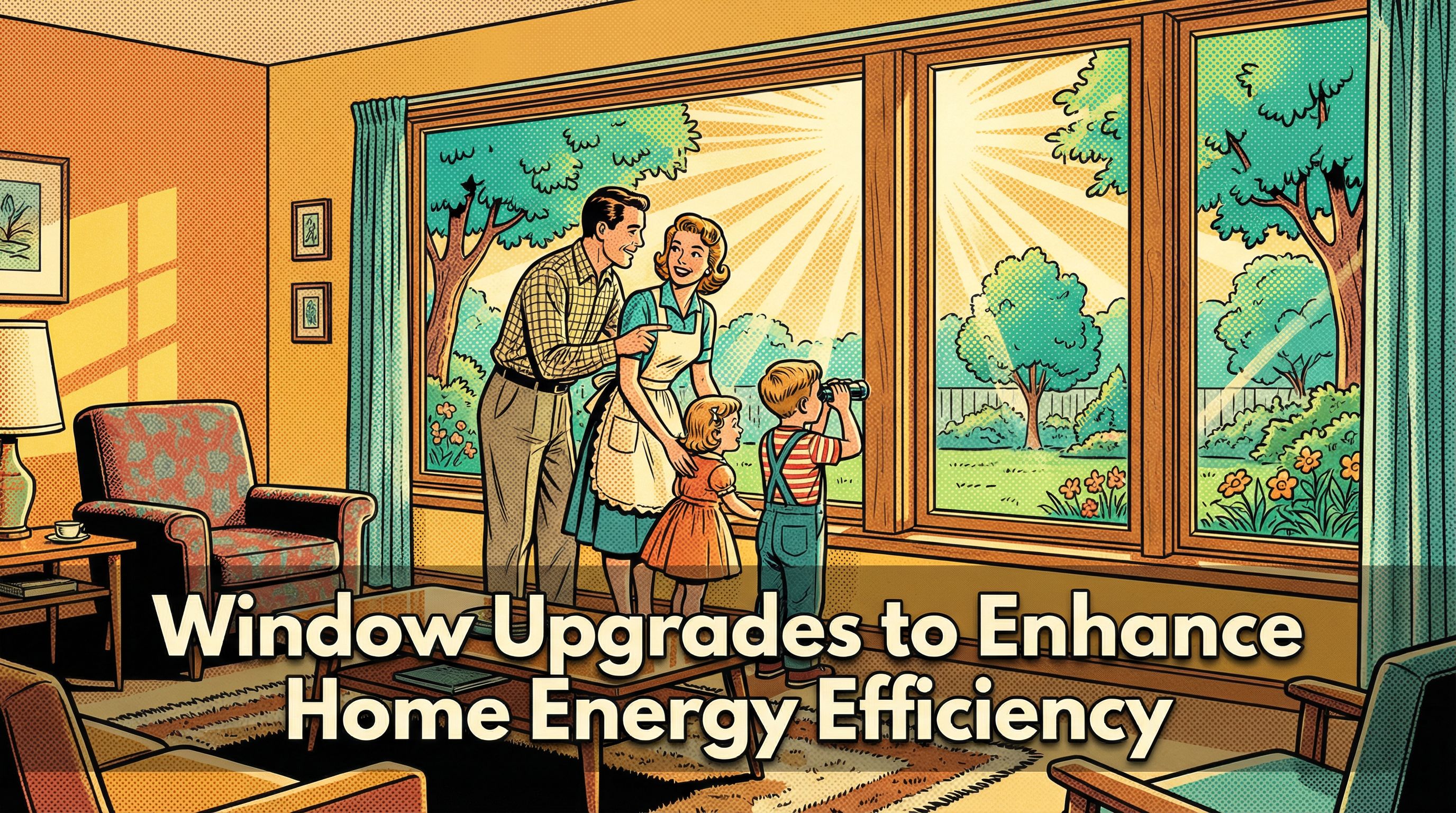
Window Upgrades to Enhance Home Energy Efficiency: What to Expect
Window upgrades matter because they improve the building envelope, which is where homes most often lose comfort. Modern units pair multi pane insulated glass, low E coatings, gas fills, and efficient frames to cut heat loss and heat gain while reducing drafts. Think of it like putting a snug lid on a pot, the conditioned air stays in and outdoor extremes stay out.
In practice, window projects fall into two paths. The first is low cost tune ups, air sealing with caulk and weatherstripping, plus adding storm windows to calm drafts and improve insulation. The second is full replacement, swapping in insulated units with better glass and frames for a bigger step up in performance. Use standardized ratings to compare options and set expectations. U factor tells you how well a window insulates, lower is better. Solar Heat Gain Coefficient shows how much sun a window admits, lower means less solar heat. Match these to your climate and existing conditions so you are not over or under spec. Done right, upgrades deliver more even room temperatures, quieter interiors, and noticeably fewer drafts.
Why Upgrade Your Windows? Energy Savings, Comfort and Resale Value
Upgrading windows can pay off in several ways. We routinely see heating and cooling costs drop 10 to 25 percent when replacing single-pane units with quality double-pane, low-e windows, provided the installation is airtight. You also gain steadier room temperatures and fewer drafts, which makes spaces feel comfortable all year. Modern glazing blocks much of the UV that fades floors and furniture, and improved acoustics can quiet street noise. Curb appeal and efficiency credentials can boost resale value.
- Comfort: tighter seals and better insulation reduce hot spots and cold drafts.
- UV protection: low-e coatings cut fading, like putting sunglasses on your home.
- Noise reduction: thicker or laminated glass and wider airspaces dampen sound.
- Durability: frame material, hardware, and weatherstripping drive lifespan and performance.
- Condensation: new windows reduce interior moisture on glass, but indoor humidity still rules. Occasional exterior dew can signal good insulation.
- Climate and orientation: match U-factor and solar heat gain to north, south, east, and west exposures.
Balance upfront cost against long-term savings and comfort. Installation quality matters as much as the product, and in our experience a well fitted mid-tier window can outperform a poorly installed premium model.
How Windows Impact Energy Efficiency: U Factor, SHGC, NFRC Labels and Orientation
Window performance is standardized by the NFRC label, which reports whole-unit ratings: U-factor, Solar Heat Gain Coefficient (SHGC), Visible Transmittance (VT), and Air Leakage. ENERGY STAR uses these ratings by climate zone to simplify product selection.
- U-factor: rate of heat transfer through the whole window; lower insulates better.
- SHGC: fraction of solar heat admitted, 0 to 1; lower blocks sun heat.
- VT: share of visible light transmitted; higher means brighter daylight.
- Air leakage: air that escapes through joints; lower means fewer drafts.
Match ratings to climate and orientation. In cold climates, prioritize a low U-factor. In hot sunny climates, prioritize a low SHGC. South-facing windows in cold zones can use a higher SHGC to harvest winter sun. West and east exposures in hot regions usually need very low SHGC. North exposures see little direct sun, so focus on low U-factor and tight air leakage. Codes and many rebates reference NFRC and ENERGY STAR, keeping labeled choices compliant.
Choosing Better Frames: Materials and Whole Window Performance
Glass gets the headlines, but frames pull equal weight in comfort and efficiency. Think of the frame as the thermos around the glass, it must insulate and stay stable for decades. Always compare labeled whole unit ratings, not just glass specs, and review sightlines. Slimmer frames can boost daylight and VT, but only if structure and seals are up to par.
- Vinyl: cost effective with good insulation. Inspect corner welds and gasket quality.
- Wood: strong insulation and classic look, expect higher maintenance and periodic finishing.
- Aluminum: very durable but conductive, choose models with proper thermal breaks.
- Composite or fiberglass: dimensionally stable with solid thermal performance.
In our experience at Budget Heating (BudgetHeating.com), top performers pair rigid frames, quality spacers, and continuous perimeter seals. Check build quality in person when possible, verify whole unit ratings alongside VT, and balance clean sightlines with the insulation you need for long term comfort.
Tradeoffs & Common Mistakes: When Window Upgrades Aren't the Best Choice
We see recurring myths: windows do influence efficiency, but the value of replacement depends on the house. Not all models perform the same. Condensation usually points to humidity or ventilation, not a defect. Triple pane is not automatically best, climate and cost decide. The biggest mistake is focusing on glass while skipping air sealing and proper installation.
- Leaky shell or thin attic: air sealing and insulation often deliver faster, lower-cost savings.
- Solid historic frames: add low-e storm windows and weatherstrip to preserve character with strong performance.
- Mild climates or long payback: prioritize right-sized HVAC or smart controls before full window replacement.
Top Window Upgrade Options: Double & Triple Glazing, Low E Coatings, and Gas Fills
Multi pane insulated glass units, often called IGUs, stack two or three panes with a sealed air space to slow heat transfer. Low E coatings are microscopically thin metal layers on the glass that reflect heat energy while letting visible light through, like sunglasses that keep the glare down without dimming the view. Argon or krypton gas fills replace air between panes; these gases are denser than air, which reduces convection and improves insulation. Warm edge spacers sit at the glass perimeter and use less conductive materials than aluminum, which helps curb heat loss and lowers condensation risk.
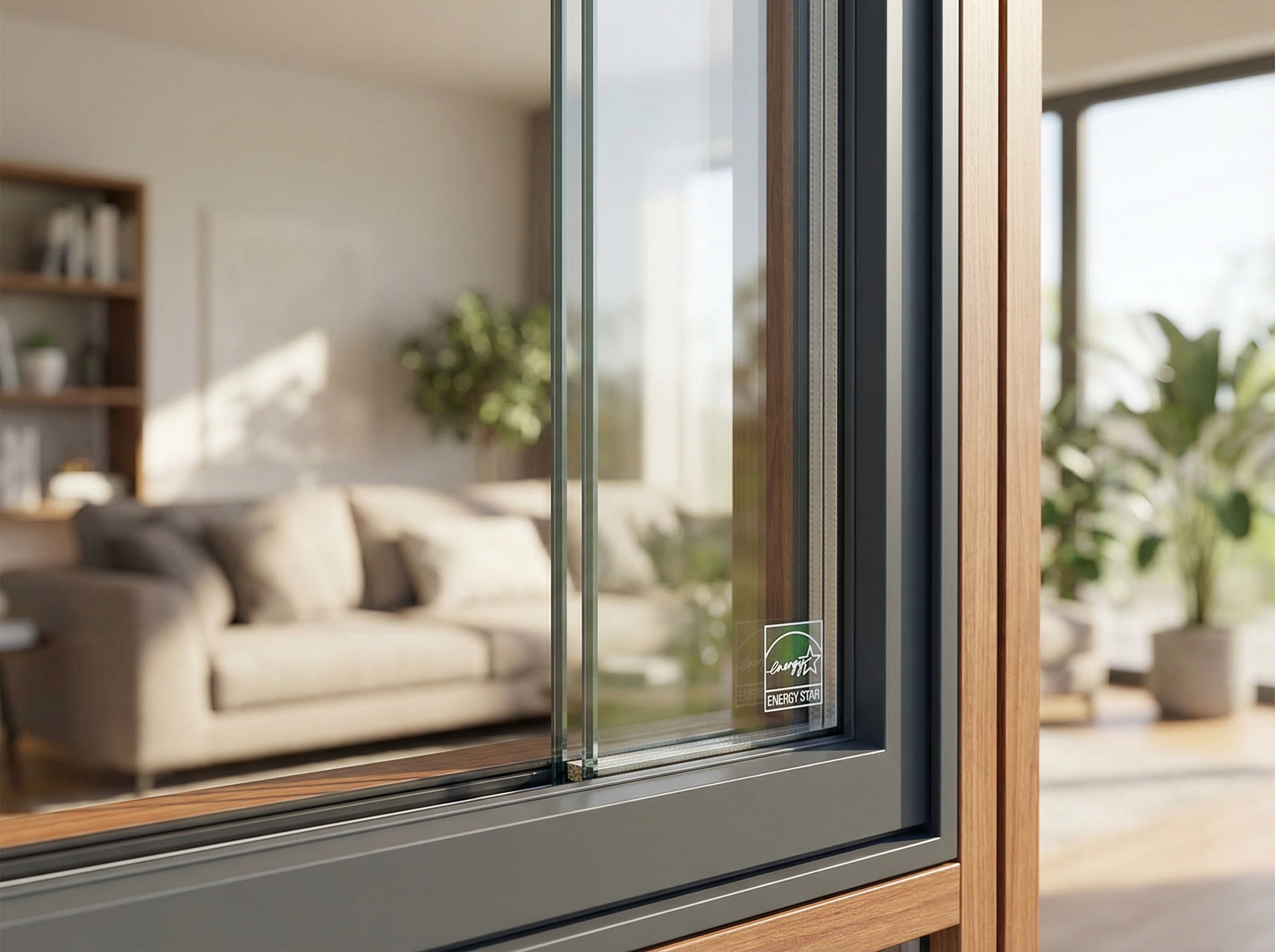
High performing windows combine these elements with thermally efficient frames such as fiberglass, vinyl, or wood composites. Select packages by climate and orientation, using U factor and SHGC targets to balance winter heat retention with summer sun control. In our experience at Budget Heating (BudgetHeating.com), double glazing with a standard Low E and argon suits most mixed climates, while triple glazing or advanced Low E stacks shine in very cold zones or noisy locations. Typical service life runs 15 to 30 years when units are properly installed and sealed.
If full replacement is not feasible, storm windows, insulating window films, and well designed cellular shades are cost effective upgrades. They are smart for sound existing frames, rentals, or historic homes, and can trim drafts and solar gain quickly at a fraction of the cost.
Low Cost DIY Fixes & Maintenance: Weatherstripping, Caulking and Insulation Kits
Quick wins you can do today: clean tracks and clear weep holes with a plastic pick or cotton swab, they are the window's gutters. Replace cracked weatherstripping, recaulk small gaps with exterior-grade silicone or paintable latex, tune sashes and locks for a tighter seal, add interior shrink-film kits and use thermal curtains at night.
- Seasonally: wash tracks, clear weep holes, inspect caulk, tighten locks.
- Annually: replace brittle weatherstripping, lubricate balances with silicone spray.
- Pre-winter: install insulation film, check for drafts on windy days.
Stop and use a pro for full-frame replacement, flashing or water management, work near wiring, lead-paint homes that require EPA RRP compliance, failed insulated glass units, and any structural or egress changes. If air sealing a home with gas appliances, verify combustion air and venting are safe, or have a combustion safety test performed.
Window Films, Tinting and Solar Options: When to Use Films or Solar Blinds
Think of window films and tint like sunglasses for glass, cutting glare, UV and some solar heat. We use them as supplements, not replacements for efficient glazing. Upgrading from single pane to well specified double pane or Low E can trim the window related heating and cooling load on the order of 25 to 30 percent. Films will not match that, but they cost far less and install quickly, which makes sense as an interim step when full window work is years away or not possible in rentals. We typically prioritize west and south exposures first.
Low cost interior treatments add control, and emerging solar blinds or plug-in PV shades can produce a modest amount of electricity, helpful for small plug loads, not for HVAC sizing. Whole house envelope and HVAC upgrades commonly yield roughly 10 to 25 percent savings. Payback for films or solar blinds depends on installed cost, sun exposure and energy prices.
How Windows Interact with HVAC Efficiency (SEER/SEER2) and Practical Impacts
SEER and SEER2 rate how efficiently an AC or heat pump delivers seasonal cooling. Windows tackle the load: they limit heat gain and loss, so the system runs fewer hours. Think of windows as cutting miles driven, and SEER2 as miles per gallon. From field installs, better U-factor and SHGC cut runtime first, then a higher SEER2 lowers the cost of the hours that remain. Put together, efficient windows plus a high SEER2 unit compound savings. Use local climate and your equipment's SEER2 to estimate bills. Even older, low-SEER systems benefit meaningfully from window upgrades.
Next Steps: Prioritize Upgrades, Get Quotes and Claim Available Rebates
Lead with the essentials: confirm safety and comfort fixes first, then tackle the highest payback efficiency upgrades, and lock in any rebates before timelines shift. Choosing equipment and an installer can feel like a maze, so keep your shortlist tight and your questions specific. Our team has 30+ years in HVAC with factory-authorized support, and we can turn your priorities into an exact parts list and a clean install plan. When you request quotes, ask for proper load sizing, a duct static pressure check, line set and breaker requirements, permits and start-up, warranty terms, rebate paperwork, and a true out-the-door price. If rebates require pre-approval, submit it before work begins and keep model numbers handy. Bundle timing with shoulder-season scheduling to improve lead times. Quick photos of your panel, air handler or furnace, and outdoor pad help us spec faster.
- Get a Custom Quote: Send your goals and photos, we will spec systems and estimate rebate amounts.
- Talk to Our Team: Call our U.S.-based techs for real phone support and sizing guidance.
- Shop Heat Pumps: Browse in-stock Goodman, Rheem, Bosch and Gree at wholesale pricing, many ship free, financing with Affirm.
 Cooling
 Heating
 Product and Brands Insights
 Buying Guides
 State by State
 HVAC Systems