




 learning center
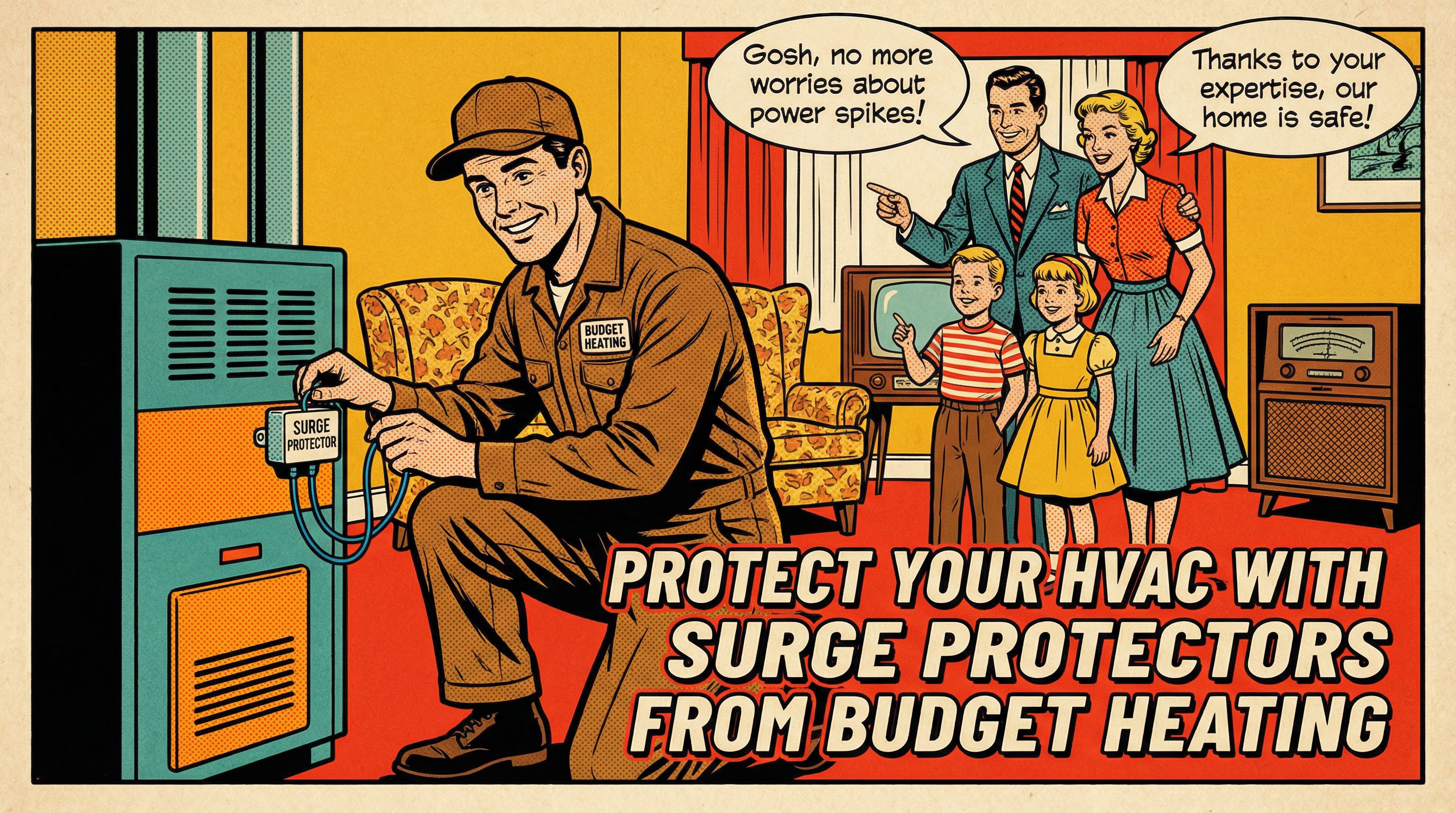
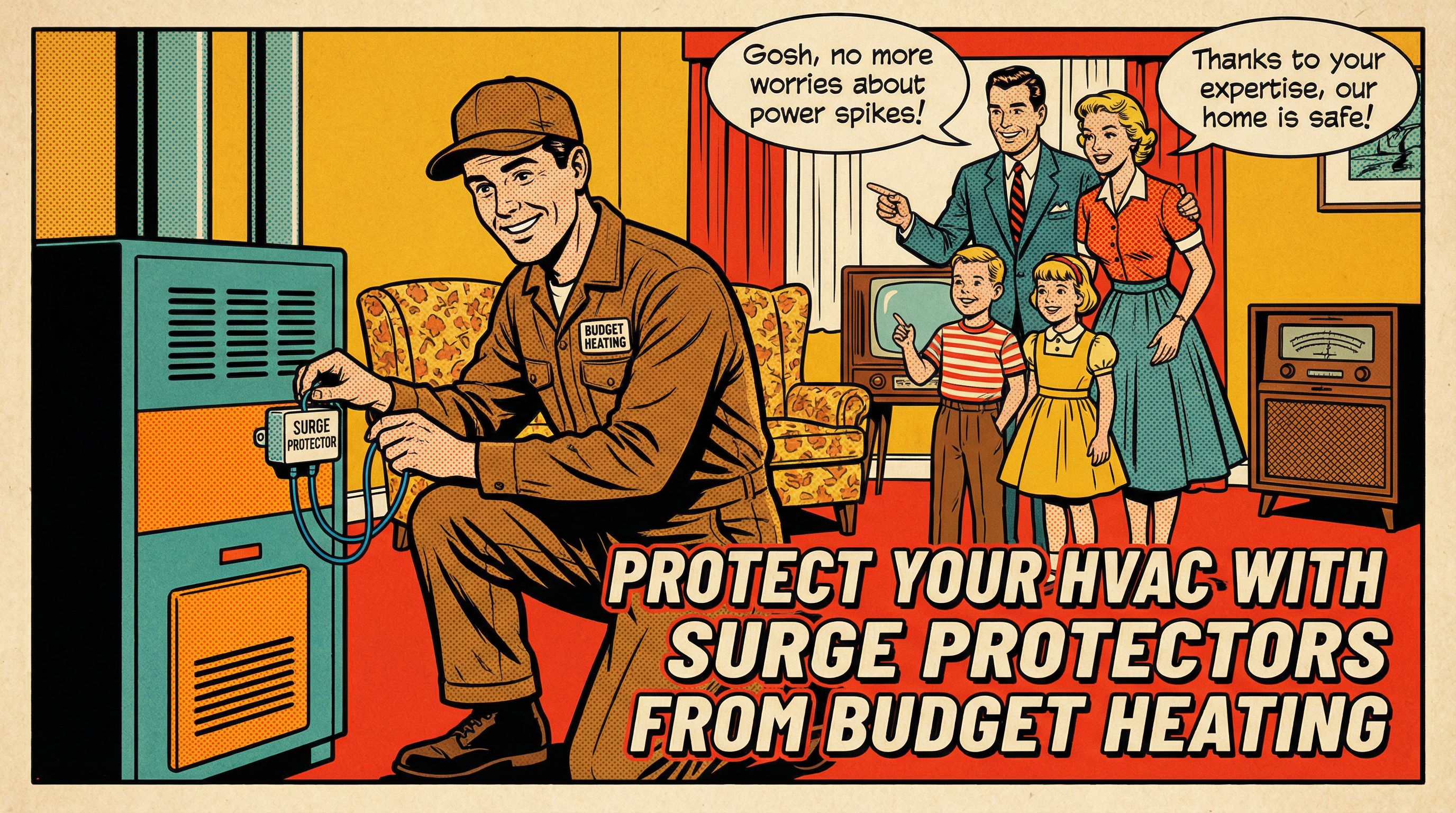
Protect Your HVAC with Surge Protectors: Why It Matters
We view HVAC-specific surge protection as essential for safeguarding high-value air conditioners, heat pumps, and furnaces. Modern systems rely on sensitive electronics, including inverter or variable speed drives, ECM blower and condenser motors, defrost and control boards, and smart thermostats. These parts can be damaged by lightning, utility switching events, brownouts, or wiring faults, sometimes in a split second.
An HVAC surge protector is like a pressure relief valve for electricity. It senses excess voltage and diverts it away from the equipment, typically to ground, so only safe, clean power reaches the components. By filtering those spikes, the system runs more reliably and often more efficiently over time, while avoiding failures that can cost far more than the protector itself.
We recommend thinking of surge protection as baseline insurance for electronics you cannot easily see but depend on every day. If you want long service life from variable speed comfort features and smart controls, keeping surges away is one of the smartest steps you can take.
Why Your HVAC System Needs Surge Protection
In our experience, power surges are tough on HVAC electronics. A surge protective device acts like an electrical gatekeeper, diverting excess energy from control boards, motors, and thermostats. Blocking spikes from lightning, power restore events, or utility switching helps avoid burned boards and failed motors, reducing repairs and downtime. Reliability improves, with fewer nuisance lockouts and short cycling. Limiting cumulative stress and heat on motors, compressors, and circuit boards extends service life and delays replacement. Surge protection is affordable insurance for a major investment.
How Power Surges Damage Furnaces and Air Conditioners
Power surges deliver brief overvoltage that targets the brains and drives inside HVAC equipment. The result is often permanent electronic failure that stops heating or cooling even though the mechanical parts look fine.
- Control boards
- Inverter drives
- ECM motors
- Compressors
- Smart or Wi Fi thermostats
These are the components we prioritize because transient overvoltages can take them out in an instant. High efficiency, high SEER2 systems are especially sensitive. Their performance depends on sophisticated electronics, including variable speed compressors and ECM motors, that squeeze more comfort from less energy. When a surge damages those electronics, efficiency drops or the system goes offline, erasing the low operating cost you expect.
This applies across system types. Central split systems, package units, ductless mini splits, and heat pumps all rely on electronic controls, inverter drives, or ECM motors. Dedicated surge protection keeps those parts from becoming the weak link.
When Surge Protection May Not Be Enough (Myths & Limits)
Surge protective devices help, but they are not force fields. Common myths we see: all SPDs are the same, a single whole home unit is all you need, surges only happen during lightning, and a plug in power strip will protect central HVAC. In practice, device type, response characteristics, placement, and grounding matter. A panel SPD will not shield a 240 volt condenser through a power strip, and higher kA on the label is not automatically better if let through voltage or modes of protection are mismatched. SPDs do not eliminate every failure, they cannot fix sustained overvoltage or chronic low voltage, and they are sacrificial, replacement can be required after a major event. Even with SPDs installed, unplugging during severe storms is still prudent, and ductless or package units benefit just like ducted systems.
- Chronic high or low voltage: use a voltage regulator or whole home UPS.
- Poor grounding or bonding: correct grounding first, then consider SPDs.
- Dirty generator power or long feeders: use an inverter generator or a power conditioner, plus point of use protection for controls.
Costs and savings ranges are not available. Installers should provide quotes, and homeowners should compare SPD cost against the replacement cost of major components.
Choosing the Best Surge Protector for Your Furnace or AC: A Homeowner Checklist
Think of surge protection like wearing a raincoat with an umbrella. Layered coverage keeps your HVAC safer during the worst storms and grid hiccups. Use this checklist to plan, verify, and maintain protection the right way.
- Assess local electrical risk: lightning, overhead lines, outage history.
- Inventory HVAC components and note nameplate voltages.
- Plan layered protection: service panel plus equipment-level where appropriate.
- Match SPD voltage and rating to the equipment ratings.
- Verify UL 1449 listing and correct SPD Type for the install location.
- Confirm grounding and wiring readiness with a licensed professional.
- Plan placement close to the panel or outdoor disconnect with short leads.
- Hire a licensed electrician or HVAC pro and confirm NEC compliance.
- Oversee mounting, conductor routing, breaker sizing, and clear labeling.
- After power-up, check SPD status LEDs show normal on all modes.
- Document model, serial, install date, and register the device.
- Add SPD checks to seasonal HVAC maintenance.
- Replace SPDs after major surge events or when indicators show end of life.
- If only unit-level protection exists, consider a whole-home device.
- Review insurance and equipment warranties for surge requirements.
Types of Surge Protection: Point of Use vs Panel (Whole House)
A layered approach works best. Install a whole-home surge protective device at the main service panel to blunt surges riding in on utility lines. Then add point-of-use SPDs at critical HVAC equipment, such as the outdoor condenser or heat pump and the indoor air handler or furnace, so any remaining transient is clamped right at the load. Think of it like a seatbelt and an airbag, each doing a different job at the right moment. In our experience at Budget Heating (BudgetHeating.com), pairing panel and unit-level protection meaningfully cuts nuisance board and control failures.
Layering shines in higher-risk homes: frequent thunderstorms or hurricanes, power outages or brownouts, lights that flicker, or properties with standby generators or big motors like well pumps that create switching surges. The panel SPD provides broad, whole-house defense, while the nearby HVAC SPDs catch the leftovers before they reach sensitive components.
How Many Joules, kA and Other Specs Matter for HVAC Protection
When we evaluate a surge protective device for HVAC, we focus on UL 1449 listing and type, surge current rating in kA, clamping voltage (VPR), and protection modes. Think of kA like storm drain width, it must match local surge risk so the device carries the rush without failing. VPR shows how much voltage gets through during a hit, lower is tighter protection for control boards and ECM motors. Protection modes should cover L-L, L-N, L-G, and N-G so every realistic pathway is addressed. Joules may appear on labels, but the UL 1449 Type 1 or Type 2 designation with kA, VPR, and modes tells the real story.
Practical features matter too. A NEMA-rated enclosure matches indoor or outdoor mounting. Most units include status LEDs or an alarm so a quick glance confirms protection is active. Include an SPD check in seasonal maintenance and plan replacement if it sacrificed itself during a major surge, assuming proper installation and grounding.
UL Certification, SEER2 Context, and Other Standards to Check
SEER2 is the current efficiency metric for central AC and heat pumps. The numbers look lower than legacy SEER, but the spread still matters. For example, moving from 13.4 to 16 SEER2 can trim cooling energy about 16 percent.
Surge protectors do not change an appliance’s SEER or SEER2. They safeguard the electronics that make modern systems efficient, including ECM motors, inverter or variable speed control boards, and high efficiency compressors, which helps the equipment keep delivering its rated performance and avoids nuisance lockouts that waste energy.
When reviewing surge devices, verify a recognized safety listing such as UL and the correct voltage rating. Electrical codes continue to evolve around surge protection, so choosing a listed device that is sized correctly supports code alignment and long term efficiency preservation.
Panel Surge Protectors: Protecting Your Entire Home and HVAC
Service-panel surge protective devices are the first line of defense for every circuit, HVAC included. The 2020 NEC requires a Type 1 or Type 2 SPD at dwelling unit service equipment per NEC 230.67 and Article 242, and the 2023 cycle clarified how to apply it. Adoption varies by jurisdiction, so verify the code cycle and enforcement where you live. We treat a panel SPD as the base of a layered strategy, knocking down utility-borne transients before they reach branch equipment, and it complements unit-level HVAC SPDs.
- Install as close to the service panel as practical with the shortest possible leads.
- Verify proper bonding and grounding.
- Use a dedicated breaker and label both the SPD and the breaker for future service.
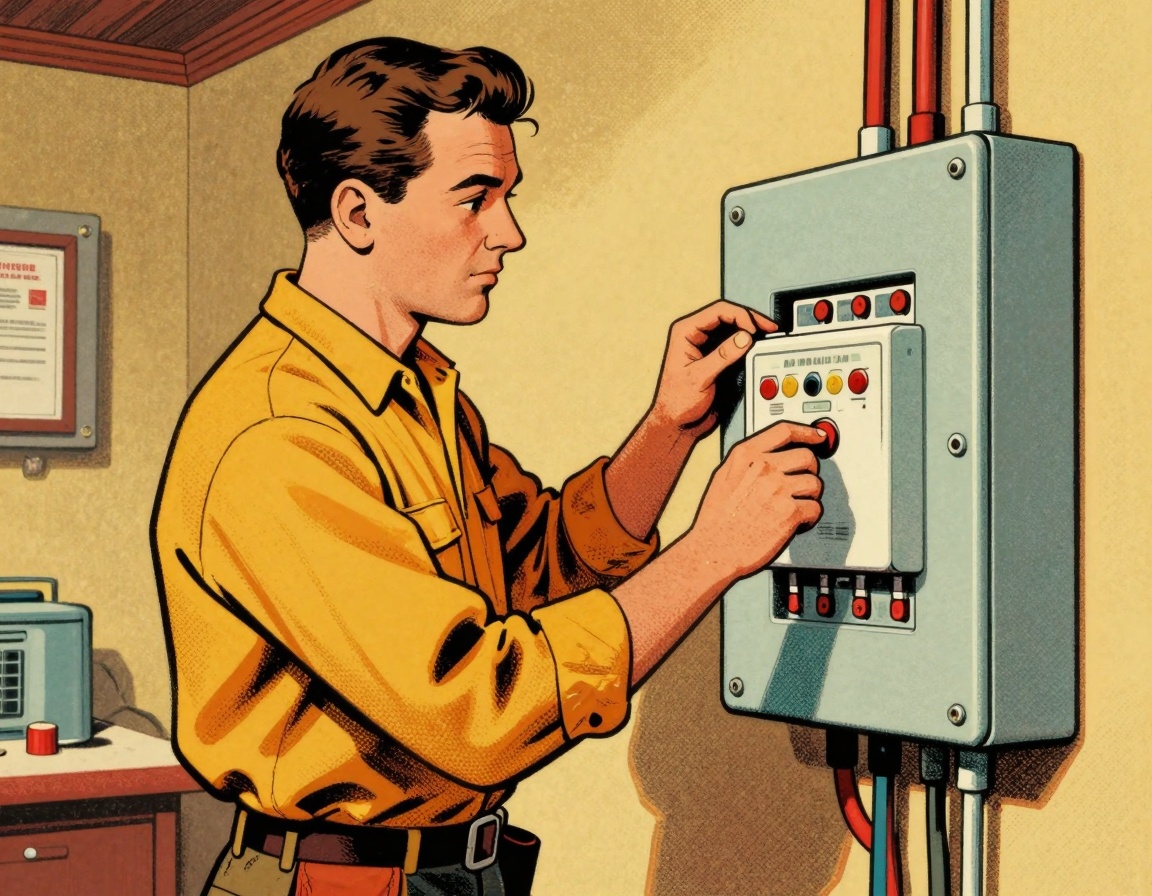

Protect Your Investment: Schedule an HVAC Surge Protection Inspection with Budget Heating
HVAC-specific surge protection is a cost-effective way to cut voltage-spike risk and extend the life of compressors, motors, and controls. The strongest approach is layered, with a whole-home SPD at the service panel plus point-of-use units at the condenser and air handler. Pair protection with routine HVAC maintenance for best reliability. We know you want fewer surprises and downtime, and you need a plan that fits your home, NEC, and local codes. Schedule an inspection with Budget Heating to get a site assessment, a tailored SPD recommendation, and a licensed installation quote. With 30+ years in HVAC and 200,000+ orders, we know how to protect your investment.
- Get a Custom Quote: Schedule your surge protection inspection today.
- Talk to Our Team: Call our U.S.-based HVAC specialists for guidance.
- Shop Surge Protection: Browse SPDs and HVAC accessories with wholesale pricing, fast shipping, and Affirm financing.
 Cooling
 Heating
 Money Saving Tips
 Product and Brands Insights
 Buying Guides
 State by State
 HVAC Systems