


Sep 24th 2026

Heat Pump Split System Cost Guide: Installed Price Range
You get three quotes for a split-system heat pump, same tonnage, and the totals still don't match. ...







You get three quotes for a split-system heat pump, same tonnage, and the totals still don't match. ...
If your attic feels like a furnace, your garage or workshop stays humid and stale, and odors hang a ...
It still runs, but it's louder, costs more to operate, and can't keep up on the hottest or coldest ...
Right size is performance plus constraints, not diameter alone. If you bought a big fan and still h ...
You buy an electric fireplace for the "real fireplace" look in your living room or bedroom and you ...
In 2026, furnace+AC replacement quotes vary by thousands because two projects that sound identical ...
Summer bills climb, the outdoor box keeps running, and every service call feels like paying rent on ...
A fitness studio that runs packed classes at 6 a.m. and sits empty by noon can swing from dripping ...
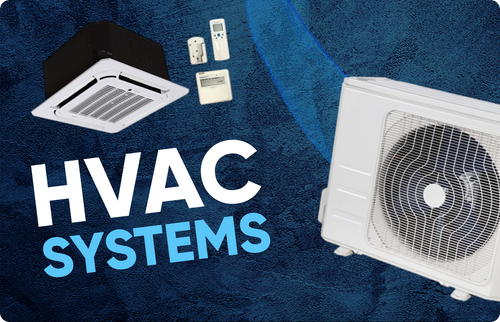
HVAC stands for Heating, Ventilation, and Air Conditioning. These three systems work together to control your home's temperature, humidity, and air quality. The heating component (typically a furnace or heat pump) warms your home during cold months. Ventilation circulates air, removes pollutants, and maintains fresh indoor air quality. Air conditioning removes heat and humidity from indoor air during warm weather. Most homes use a central HVAC system with ductwork to distribute conditioned air throughout the house, though ductless options like mini split systems are increasingly popular.
You should check your HVAC air filter monthly and replace it every 30-90 days depending on your situation. Standard 1-inch filters typically need replacement every 30-60 days. Homes with pets, allergy sufferers, or smokers should change filters every 20-45 days due to increased airborne particles. Higher-quality pleated filters or 4-inch media filters can last 60-90 days. A dirty air filter restricts airflow, forces your HVAC system to work harder, increases energy bills, and can lead to premature equipment failure or frozen evaporator coils.
Schedule professional HVAC maintenance twice per year: once in spring before cooling season and once in fall before heating season. During a maintenance visit, technicians inspect electrical connections, clean coils, check refrigerant levels, lubricate moving parts, test thermostat calibration, and identify potential problems before they become expensive repairs. Regular HVAC tune-ups can extend your system's lifespan by several years, improve energy efficiency by 10-25%, and prevent unexpected breakdowns during extreme weather when you need your system most.
SEER2 (Seasonal Energy Efficiency Ratio 2) measures how efficiently your air conditioner or heat pump cools your home. Higher SEER2 ratings mean greater energy efficiency and lower utility bills. As of 2023, the Department of Energy requires all new systems to meet minimum SEER2 standards: 13.4 SEER2 in northern states and 14.3 SEER2 in southern regions. A good SEER2 rating for most homeowners is 15-17, while premium systems reach 18-23 SEER2. Upgrading from a 10 SEER unit to a 16 SEER2 system can reduce cooling costs by 30-40%.
With proper maintenance, most HVAC systems last 15-20 years. Air conditioners typically last 15-20 years, while heat pumps average 10-15 years due to year-round operation. Gas furnaces often last 15-25 years, and boilers can exceed 20-30 years. Factors affecting HVAC lifespan include maintenance frequency, climate conditions, usage patterns, installation quality, and equipment brand. Systems in coastal areas may have shorter lifespans due to salt air corrosion. Regular maintenance, prompt repairs, and keeping outdoor units clear of debris can maximize your system's longevity.
Use the "$5,000 rule" to decide between HVAC repair and replacement: multiply your system's age by the repair cost. If the result exceeds $5,000, replacement is typically the better investment. Other signs you should replace your HVAC system include: the unit is over 15 years old, repairs are becoming frequent (more than twice per year), energy bills are rising despite maintenance, the system uses R-22 refrigerant (phased out and expensive), or rooms have inconsistent temperatures. New high-efficiency systems can reduce energy costs by 20-40% and may qualify for tax credits up to $2,000.
Call for HVAC repair if you notice these warning signs: unusual noises (rattling, grinding, squealing, or banging), weak or inconsistent airflow, strange odors (musty, burning, or rotten egg smell), frequent cycling on and off, visible ice on the unit, unexplained increases in energy bills, humidity problems, or thermostat not matching actual room temperature. Loud noises often indicate loose parts, motor problems, or failing compressors. Burning smells may signal electrical issues requiring immediate attention. Addressing HVAC problems early prevents small issues from becoming major, expensive repairs.
Boost your HVAC energy efficiency with these proven strategies: replace air filters regularly, seal air leaks around windows and doors, add insulation to attics and walls, install a programmable or smart thermostat, keep vents unobstructed, schedule bi-annual professional maintenance, and ensure ductwork is properly sealed (leaky ducts waste 20-30% of conditioned air). Set your thermostat to 68°F in winter and 78°F in summer when home. Each degree adjustment saves approximately 1-3% on energy bills. Consider upgrading to a high-efficiency system with 16+ SEER2 rating for maximum savings.
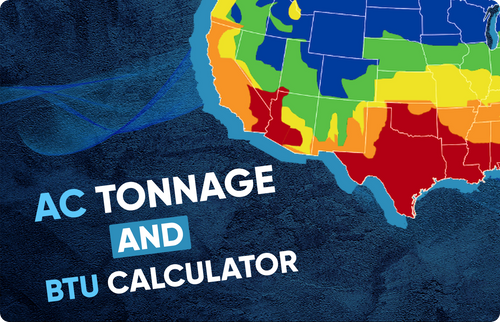
Proper HVAC sizing requires a professional Manual J load calculation that considers your home's square footage, ceiling height, insulation quality, window size and orientation, local climate, and number of occupants. A rough estimate is 1 ton of cooling capacity (12,000 BTU) per 500-600 square feet, but this varies significantly. An oversized HVAC system short-cycles, wastes energy, fails to dehumidify properly, and wears out faster. An undersized system runs constantly without reaching desired temperatures. Always have a qualified HVAC contractor perform proper sizing calculations before installation.
Yes, qualifying HVAC systems are eligible for federal tax credits through December 31, 2025 under the Inflation Reduction Act's 25C Energy Efficient Home Improvement Credit. Heat pumps (including mini splits) meeting ENERGY STAR Most Efficient certification can receive up to $2,000 in tax credits. Central air conditioners with 17+ SEER2 qualify for up to $600. Gas furnaces with 97%+ AFUE rating also qualify for up to $600. Systems must be installed in your primary residence and meet specific efficiency requirements. Many states and utilities offer additional rebates of $200-$2,000 that can stack with federal credits.
HVAC stands for Heating, Ventilation, and Air Conditioning. These three systems work together to control your home's temperature, humidity, and air quality. The heating component (typically a furnace or heat pump) warms your home during cold months. Ventilation circulates air, removes pollutants, and maintains fresh indoor air quality. Air conditioning removes heat and humidity from indoor air during warm weather. Most homes use a central HVAC system with ductwork to distribute conditioned air throughout the house, though ductless options like mini split systems are increasingly popular.
You should check your HVAC air filter monthly and replace it every 30-90 days depending on your situation. Standard 1-inch filters typically need replacement every 30-60 days. Homes with pets, allergy sufferers, or smokers should change filters every 20-45 days due to increased airborne particles. Higher-quality pleated filters or 4-inch media filters can last 60-90 days. A dirty air filter restricts airflow, forces your HVAC system to work harder, increases energy bills, and can lead to premature equipment failure or frozen evaporator coils.
Schedule professional HVAC maintenance twice per year: once in spring before cooling season and once in fall before heating season. During a maintenance visit, technicians inspect electrical connections, clean coils, check refrigerant levels, lubricate moving parts, test thermostat calibration, and identify potential problems before they become expensive repairs. Regular HVAC tune-ups can extend your system's lifespan by several years, improve energy efficiency by 10-25%, and prevent unexpected breakdowns during extreme weather when you need your system most.
SEER2 (Seasonal Energy Efficiency Ratio 2) measures how efficiently your air conditioner or heat pump cools your home. Higher SEER2 ratings mean greater energy efficiency and lower utility bills. As of 2023, the Department of Energy requires all new systems to meet minimum SEER2 standards: 13.4 SEER2 in northern states and 14.3 SEER2 in southern regions. A good SEER2 rating for most homeowners is 15-17, while premium systems reach 18-23 SEER2. Upgrading from a 10 SEER unit to a 16 SEER2 system can reduce cooling costs by 30-40%.
With proper maintenance, most HVAC systems last 15-20 years. Air conditioners typically last 15-20 years, while heat pumps average 10-15 years due to year-round operation. Gas furnaces often last 15-25 years, and boilers can exceed 20-30 years. Factors affecting HVAC lifespan include maintenance frequency, climate conditions, usage patterns, installation quality, and equipment brand. Systems in coastal areas may have shorter lifespans due to salt air corrosion. Regular maintenance, prompt repairs, and keeping outdoor units clear of debris can maximize your system's longevity.
Use the "$5,000 rule" to decide between HVAC repair and replacement: multiply your system's age by the repair cost. If the result exceeds $5,000, replacement is typically the better investment. Other signs you should replace your HVAC system include: the unit is over 15 years old, repairs are becoming frequent (more than twice per year), energy bills are rising despite maintenance, the system uses R-22 refrigerant (phased out and expensive), or rooms have inconsistent temperatures. New high-efficiency systems can reduce energy costs by 20-40% and may qualify for tax credits up to $2,000.
Call for HVAC repair if you notice these warning signs: unusual noises (rattling, grinding, squealing, or banging), weak or inconsistent airflow, strange odors (musty, burning, or rotten egg smell), frequent cycling on and off, visible ice on the unit, unexplained increases in energy bills, humidity problems, or thermostat not matching actual room temperature. Loud noises often indicate loose parts, motor problems, or failing compressors. Burning smells may signal electrical issues requiring immediate attention. Addressing HVAC problems early prevents small issues from becoming major, expensive repairs.
Boost your HVAC energy efficiency with these proven strategies: replace air filters regularly, seal air leaks around windows and doors, add insulation to attics and walls, install a programmable or smart thermostat, keep vents unobstructed, schedule bi-annual professional maintenance, and ensure ductwork is properly sealed (leaky ducts waste 20-30% of conditioned air). Set your thermostat to 68°F in winter and 78°F in summer when home. Each degree adjustment saves approximately 1-3% on energy bills. Consider upgrading to a high-efficiency system with 16+ SEER2 rating for maximum savings.
Proper HVAC sizing requires a professional Manual J load calculation that considers your home's square footage, ceiling height, insulation quality, window size and orientation, local climate, and number of occupants. A rough estimate is 1 ton of cooling capacity (12,000 BTU) per 500-600 square feet, but this varies significantly. An oversized HVAC system short-cycles, wastes energy, fails to dehumidify properly, and wears out faster. An undersized system runs constantly without reaching desired temperatures. Always have a qualified HVAC contractor perform proper sizing calculations before installation.
Yes, qualifying HVAC systems are eligible for federal tax credits through December 31, 2025 under the Inflation Reduction Act's 25C Energy Efficient Home Improvement Credit. Heat pumps (including mini splits) meeting ENERGY STAR Most Efficient certification can receive up to $2,000 in tax credits. Central air conditioners with 17+ SEER2 qualify for up to $600. Gas furnaces with 97%+ AFUE rating also qualify for up to $600. Systems must be installed in your primary residence and meet specific efficiency requirements. Many states and utilities offer additional rebates of $200-$2,000 that can stack with federal credits.