




 cooling
 money saving tips
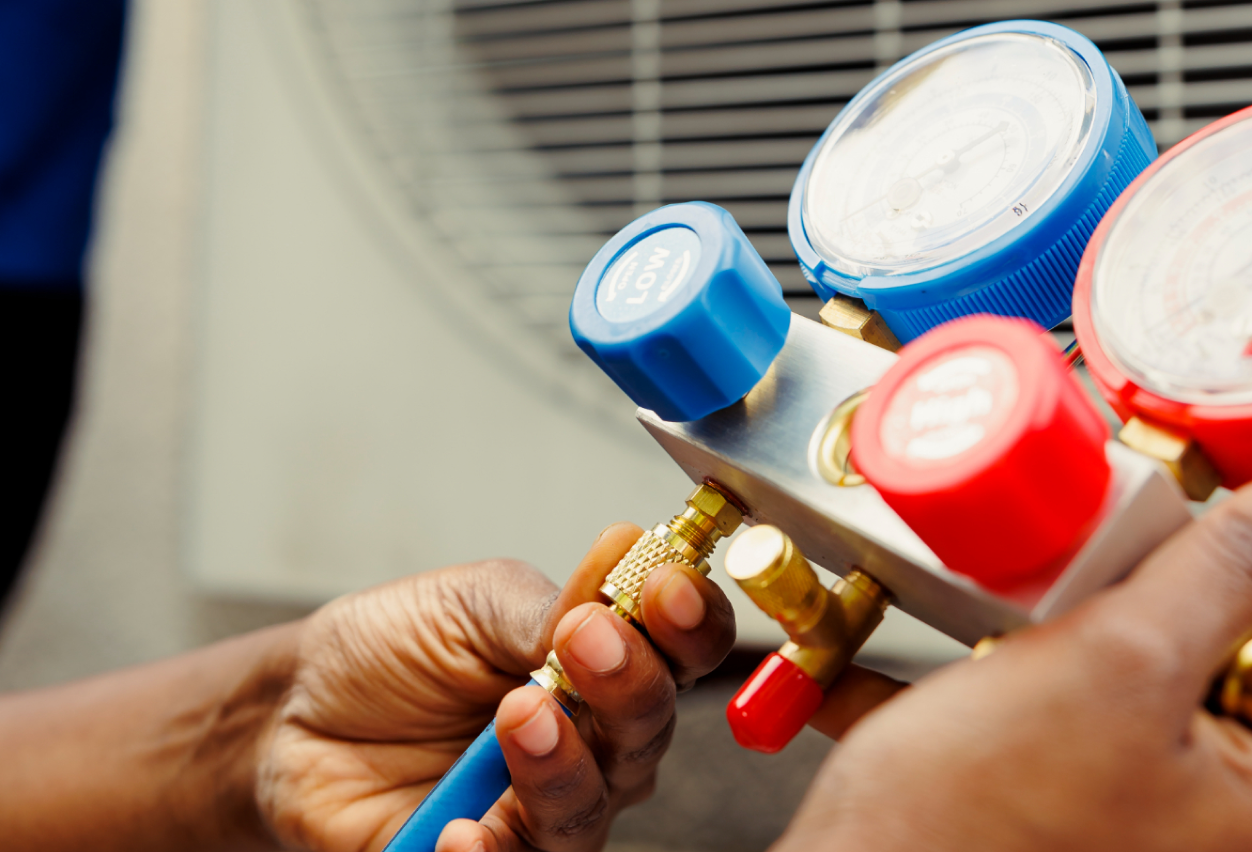
R-410A and R-32 are both types of refrigerants used in air conditioning and heat pump systems, but they have some differences:
Composition
- R-410A is a blend of two hydrofluorocarbon (HFC) refrigerants, difluoromethane (R-32) and pentafluoroethane (R-125), in a 50/50 ratio.
- R-32 is a single-component refrigerant, classified as a hydrofluorocarbon (HFC).
Environmental Impact
- Both R-410A and R-32 are considered to have lower ozone depletion potential (ODP) compared to older refrigerants like R-22, which has been phased out in many countries due to its ozone-depleting properties.
- R-32 has a lower global warming potential (GWP) compared to R-410A. This means that R-32 has less impact on climate change per unit of refrigerant compared to R-410A.
Efficiency
- R-32 has a higher volumetric capacity and better heat transfer properties compared to R-410A. This means that air conditioning systems using R-32 can potentially be more efficient and require less refrigerant charge compared to those using R-410A.
- The higher efficiency of R-32 systems can lead to lower energy consumption and operating costs.
Safety
- R-32 is classified as mildly flammable (A2L) according to ASHRAE safety classifications, while R-410A is non-flammable. However, R-32's flammability is relatively low compared to other flammable refrigerants.
- Proper handling and installation procedures are required for both R-410A and R-32 to ensure safety.
Regulations and Availability
- R-410A has been widely used in air conditioning systems for many years and is still commonly used in new installations.
- R-32 has gained popularity as an alternative to R-410A, particularly in regions where regulations are tightening regarding refrigerant environmental impact.
- The availability of R-32 systems and refrigerant may vary depending on location and local regulations.
Summary
While both R-410A and R-32 are used in air conditioning systems, R-32 offers potential advantages in terms of efficiency and lower environmental impact, particularly regarding global warming potential. However, considerations regarding safety and local regulations should also be taken into account when choosing between the two refrigerants.
 Heating
 Learning Center
 Product and Brands Insights
 Buying Guides
 State by State
 HVAC Systems