




 hvac regulatory oversight
 state by state

What Are R-454B & R-32 Refrigerants All About?
Why Two Refrigerants This Time? What Happened to R-410A? Why Is the Industry Changing Again?!
Answers To These Questions & More Below!
In a Nutshell:
The HVAC industry is undergoing a major transition from R-410A and other HFC blended refrigerants to A2L-class refrigerants, driven by environmental concerns and regulatory changes. R-410A is a refrigerant blend consisting of HydroFluroCarbons (HFCs). Certain HFCs such as R-410A and R-404A have a high Global Warming Potential (GWP), prompting a move to more eco-friendly alternatives regulated by the EPA.
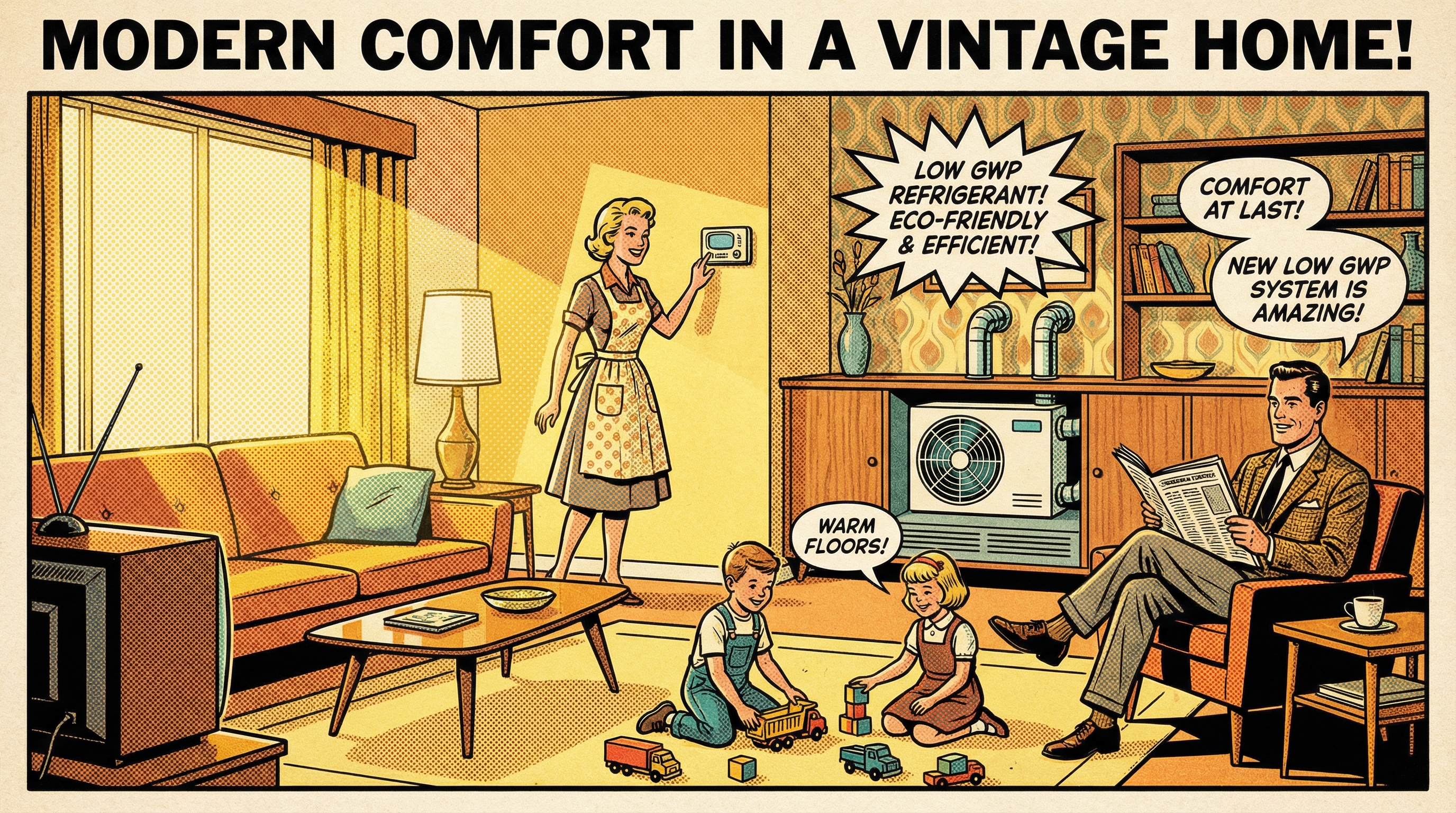
A2L class refrigerants, such as R-32 and R-454B, offer lower GWP values and have an ozone depletion factor of 0. The downside: they are classified as mildly flammable. This requires equipment specifically designed for A2Ls, ensuring safety and compliance with updated standards.
Why Another Refrigerant Change So Soon?
 Environmental Concerns: Lower Global Warming Potential (GWP)
- R-410A & 0.0 ODP: Previously celebrated for its ozone safety, R-410A achieved an ODP score of 0 when introduced in the 1990s.
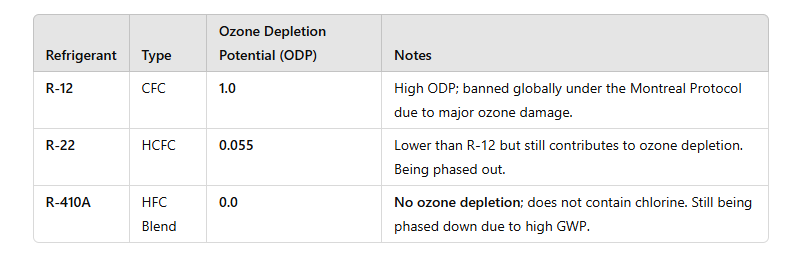
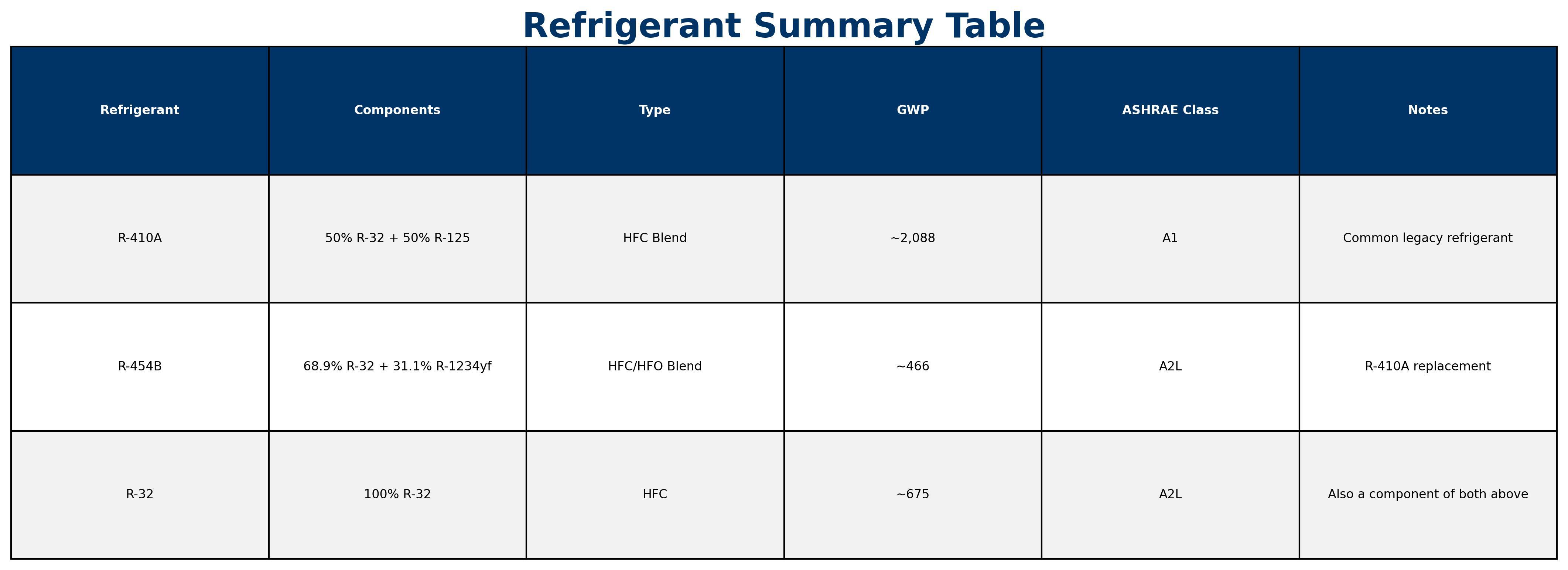
- R-410A has a high GWP: ~2,088 – meaning it traps 2,000x more heat than CO₂ over 100 years.
- A2L refrigerants like R-32 and R-454B:
- R-32: GWP of ~675
- R-454B: GWP of ~466
- This switch reduces HVAC’s contribution to climate change via lower emissions.
 Regulatory Pressure: U.S. and Global Mandates
United States: The AIM Act (2020)
- The American Innovation and Manufacturing Act directs EPA to phase down HFCs by 85% over 15 years (2022–2037).
- It aligns with the Kigali Amendment to the Montreal Protocol, ratified Oct 31, 2022.
Key EPA Rules:
- HFC Allocation Rule: Limits R-410A production/importation.
- Technology Transition Rule:
- Effective Jan 1, 2025: New AC units must use low-GWP refrigerants (A2Ls).
- Sell-through allowed for units made before Dec 31, 2024, until Dec 31, 2025.
What is an A2L & Flammability
 Safety Classification: What “A2L” Means
ASHRAE's safety group classification:
- A = Low toxicity
- 2L = Mildly flammable
This matters because:
- A2Ls are less flammable than A3 (e.g., propane) but require care.
- New equipment must include:
- Leak detection systems
- Proper airflow design
- UL/ASHRAE building code compliance


 Equipment Redesign and Energy Efficiency
- New A2L systems are more efficient and may require smaller refrigerant charges.
- R-32’s heat transfer properties allow for compact and energy-saving system designs.
Wait… I Have an R-410A System. Will I Still Be Able to Get the Gas?
 Long-Term Availability and Cost Control
- R-410A is becoming more expensive due to EPA allocation rules but will remain available well into the 2030s.

What Is The Difference Between The Refrigerants?
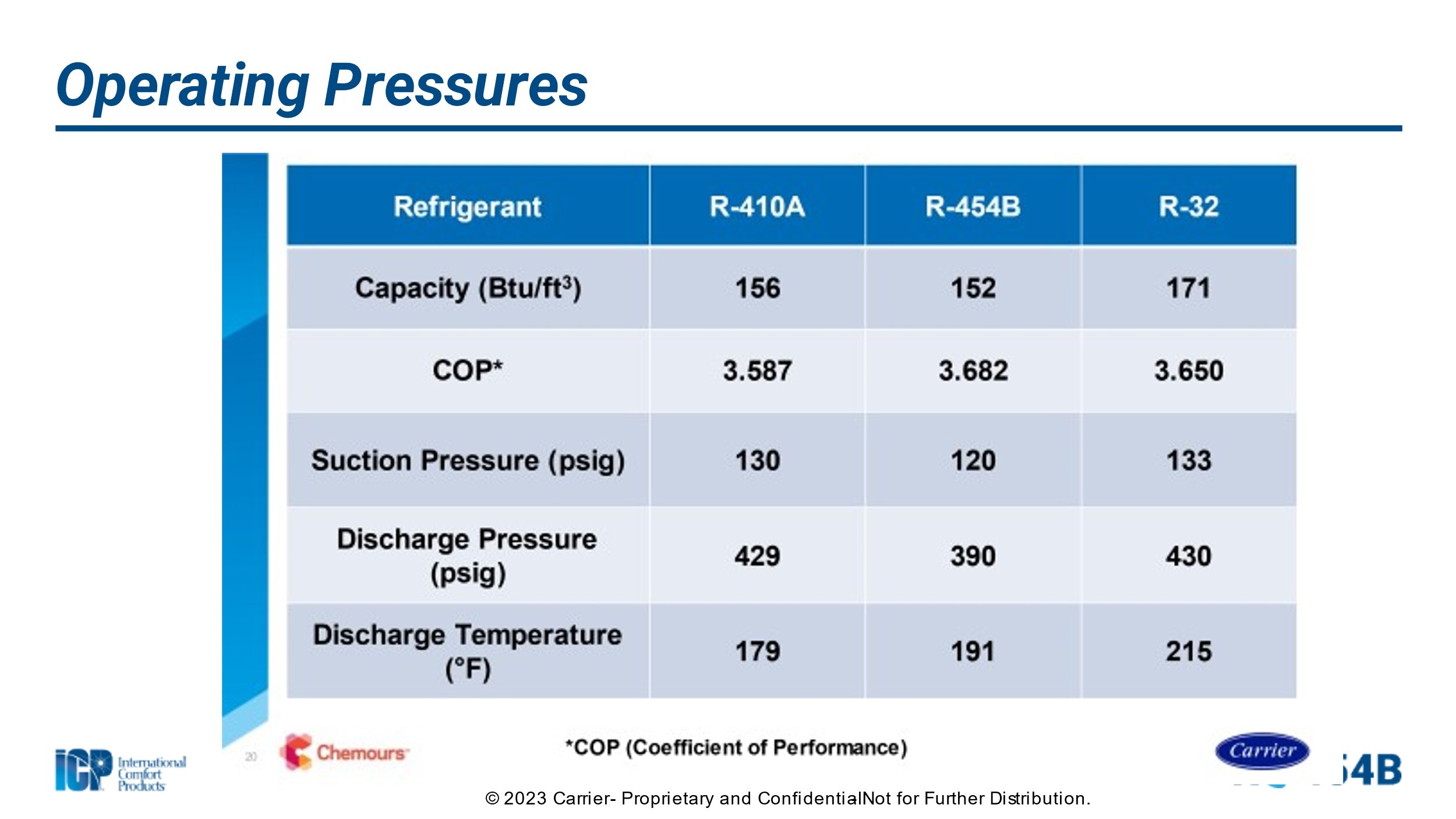
What Are The Differences In Pressure?
How Will This Change Affect Purchasing Equipment From Budget Heating & Air?
At Budget Heating & Air Conditioning, our mission is simple:
Provide affordable, fairly priced HVAC equipment at wholesale prices to the public—with honesty and transparency.
As the industry transitions to R-454B and R-32, we want you to know one thing:
We’ve got your back.
 We will continue stocking R-410A equipment as long as legally and practically possible.
- We are keeping large inventories of R-410A refrigerant through the 2030s.
- We are fully stocked on R-454B and R-32 units, jugs, and tools.
 We will not exploit this transition. Yes, costs are rising—but our pricing will only reflect actual cost increases, not profit-padding. That’s the Budget Promise.
We’ve built our name by helping homeowners and contractors save money without sacrificing quality. That’s not changing.
We’re here for you—through this transition and beyond.
What About Returns?
Effective March 1, 2025 we’ve implemented a “no returns” policy on all R-410A equipment.
Note: This does not apply to units damaged during freight delivery. However, if a replacement is unavailable, we will offer an A2L equivalent, and you will be responsible for any price difference. We recommend noting and accepting minor cosmetic damage when receiving freight to avoid return complications.
 Cooling
 Heating
 Learning Center
 Money Saving Tips
 Product and Brands Insights
 Buying Guides
 HVAC Systems