




 hvac systems
 learning center

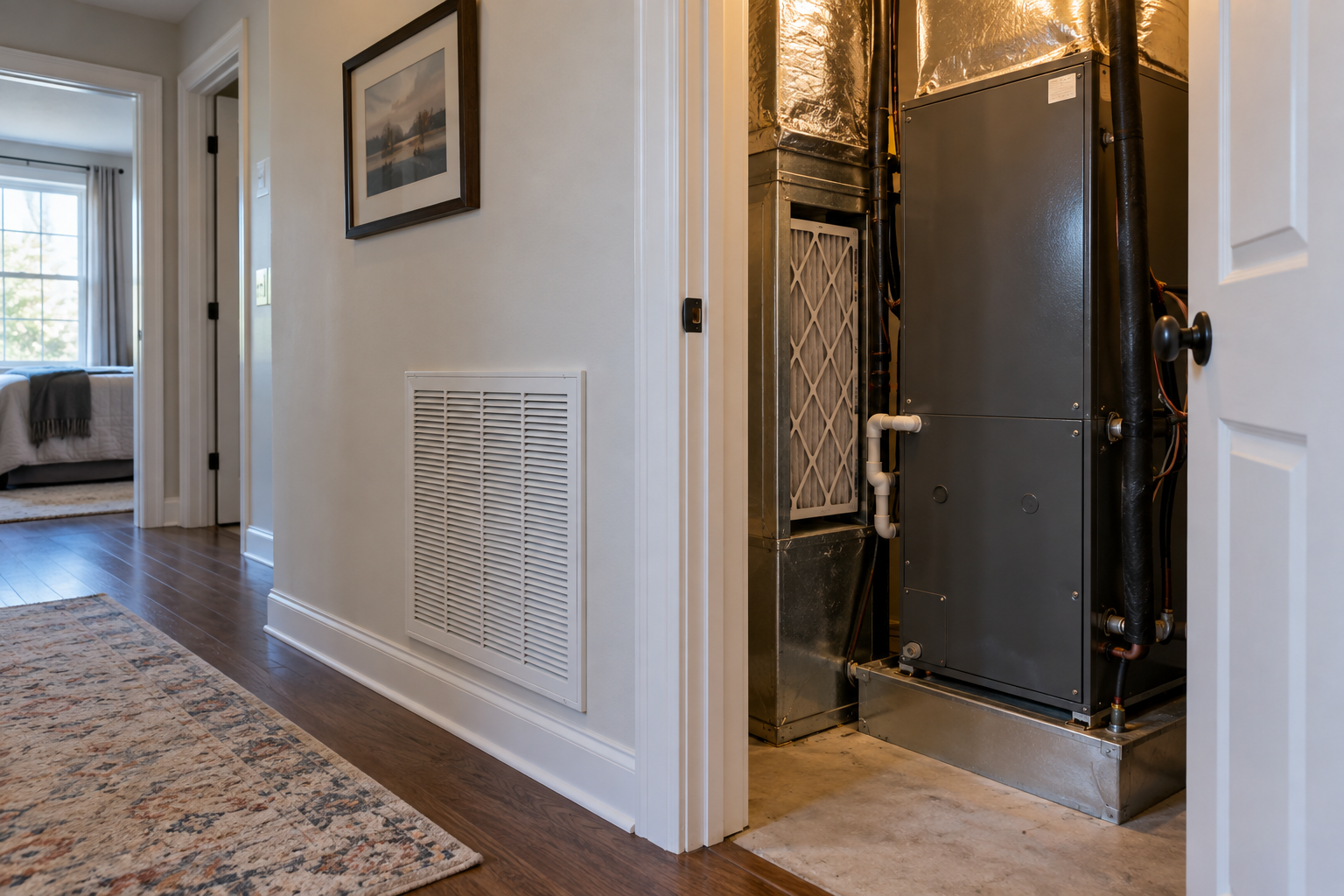
The right air handler filter location depends on how the return-air system was built. A filter may sit behind a purpose-built return grille, in a rack at the air handler's return opening, or in a separate cabinet in the return duct. Each can work if it filters the intended return air without restricting airflow beyond the equipment's requirements. Finding two places where a filter could fit does not mean both should hold one.
Trace the return-air path to find the intended filter
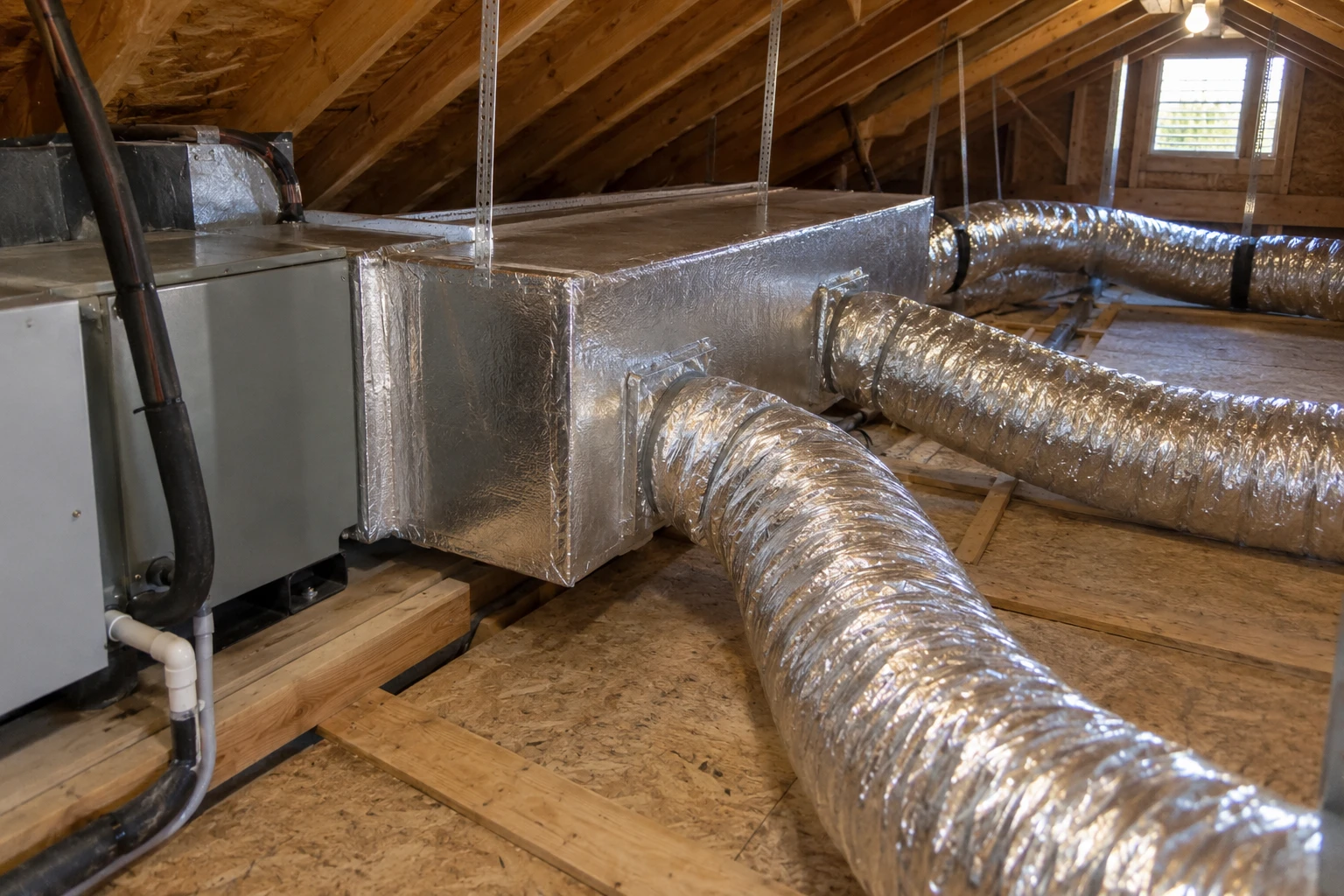
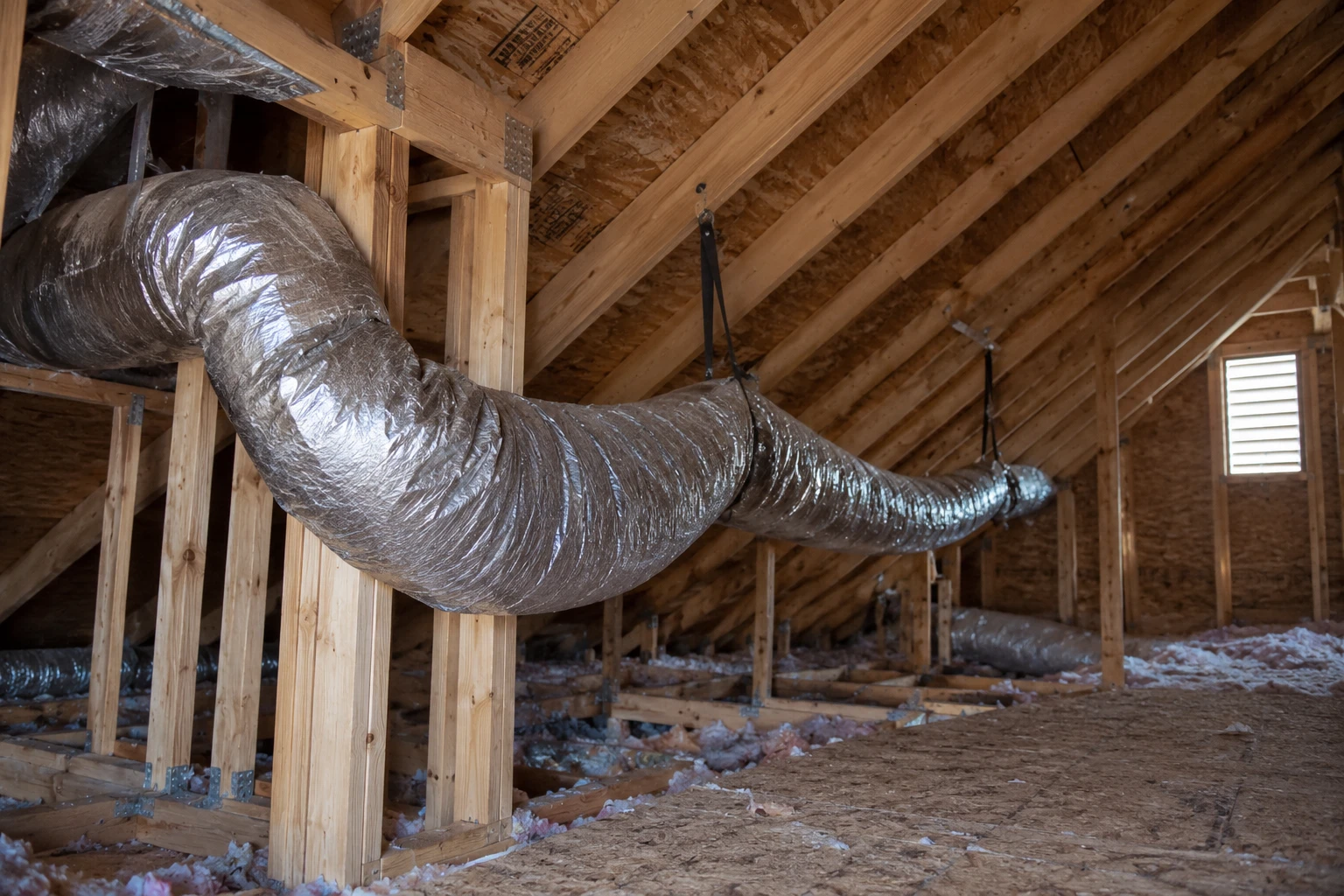
Start with the direction of airflow. Room air enters a return opening, travels through return ductwork toward the air handler, and then moves through the indoor equipment. The designated filter belongs in that return path so air passes through it before reaching the equipment. Depending on the installation, the return duct may enter the bottom or side of the cabinet; the filter location follows that connection rather than a universal spot on the unit.
Turn the system off before inspecting accessible filter locations. Check return grilles for a retained filter and a frame made to hold it. Then look along the return duct near the air handler for a filter-cabinet door or a labeled slot, and check any accessible return-side rack specified in the equipment instructions. Do not remove equipment panels or reach into the cabinet while it is energized. If the intended position is not visible from normal service access, use the model's installation instructions rather than guessing.
An ordinary return grille is not automatically a filter grille, and an air handler does not automatically include a usable filter slot. For example, the Goodman AMST R-32 installation instructions describe specified cabinet-rail and external return-grille arrangements; their provisions are examples for that model family, not directions to use both locations in every system.
What a return-grille filter covers
A return grille filter captures particles in the air entering that grille. A filter-ready grille supports the correctly sized media so the returning air passes through it instead of slipping around its edges. Because the filter is accessible from the room, grille placement can be especially convenient when the air handler is in an attic or another hard-to-reach location.

The tradeoff appears when a system has multiple returns. If filtration is provided at the grilles, each return that feeds the system needs its designated filter: filtering one hallway return does nothing to the air entering an unfiltered bedroom return. Several filters also mean several locations to inspect and maintain. Count the returns connected to the air handler, not merely the grilles visible in the room where the thermostat sits.
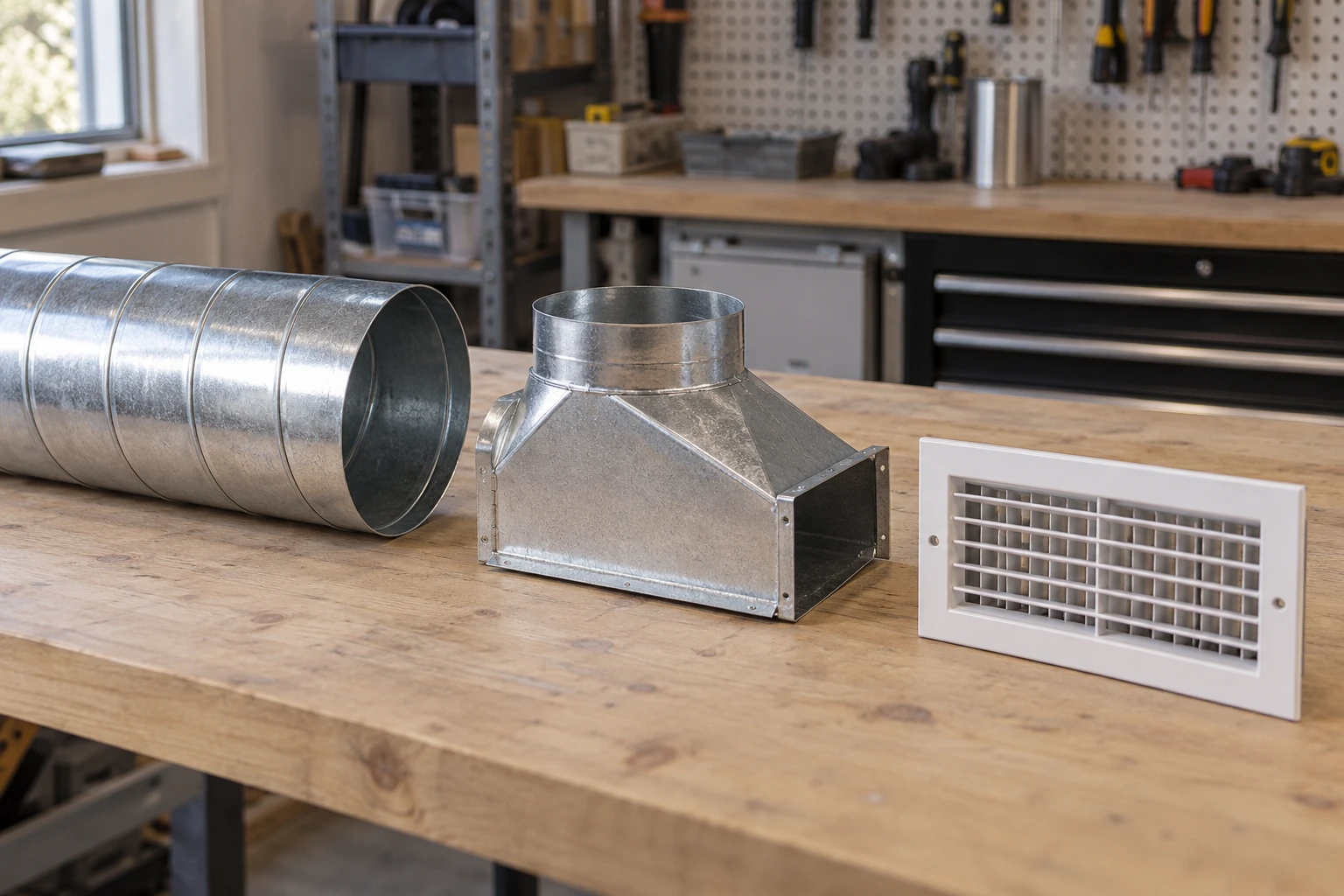
Do not wedge filter media behind a plain grille that has no means to retain and seal it. A door or hinged face alone does not establish that a grille is designed for a filter; look for its filter frame, retention features, and specified size. Budget Heating's return air filter grilles category is a place to compare grille formats once the required opening and filter arrangement are known.
What a cabinet-side filter covers
A filter in a return-side rack or separate media cabinet can serve multiple rooms from one maintenance point, but only if their return ducts join before the filter. A cabinet installed on one return branch cannot filter air arriving through another branch downstream of it. The media cabinet is a separate duct component; it should not be confused with filter rails built into some air handlers.

Fit matters as much as location. A filter that is too small for its rack, poorly supported, or installed behind a door that does not close can leave a gap for return air to bypass the media. Match the specified filter dimensions and depth to the actual rack or cabinet, seat the filter correctly, and close its access cover. That also keeps routine service at the intended opening instead of requiring improvised access to the equipment.
A central filter may be less convenient to reach than a room-side grille, particularly if the equipment is remote. It can nevertheless simplify maintenance when all returns converge there. The meaningful distinction is whether the chosen rack intercepts the complete return stream, not whether it is physically attached to the air handler.
How filter placement affects airflow, and why two filters can be too many
A filter creates a pressure drop: the blower must pull air through the media as well as the rest of the return and supply system. Put a filter at a grille and another downstream in a cabinet, and air passing through that grille encounters both restrictions. If their combined resistance exceeds what the system can accommodate, airflow can fall. In its BIVA20 R-454B installation instructions, Bosch cautions against double-filtering that model's return system and links reduced airflow to poorer performance and shorter component life.
Resistance is not determined by the MERV number alone. Filter face area, media construction, depth, pleat design, airflow rate, and accumulated dust all affect pressure drop. A filter with more usable media area can have less resistance than a shallower filter of similar efficiency. That is why a higher-rated filter is not automatically suitable, or automatically unsuitable, for every air handler: it must fit its housing and work within the system's airflow and static-pressure limits.
Do not add a second restrictive filter simply because a grille and a cabinet can each accept one. Extra media may add resistance without solving a coverage problem. Multiple filters are appropriate where the return layout and equipment instructions call for them, such as separate filters serving separate return paths; filters in series require an arrangement designed to handle their combined pressure drop.
Choose the location that serves every return without unnecessary restriction
If you find both a grille filter position and a cabinet slot, first identify which returns feed the air handler and where those paths join. Next, locate the installed rack or filter-ready grilles and note any existing filters. Finally, check the exact air handler's instructions for the permitted filter position, quantity, access, and airflow requirements. An empty slot may reflect an alternative installation arrangement; it is not, by itself, a request for another filter.
When every return merges ahead of a properly sealed central filter, that one position can cover the combined stream. Where filtration is designed at separate return grilles, the relevant returns need their own filters. If the duct routing is hidden or you cannot establish which position the installation uses, have an HVAC technician identify it and assess airflow before changing the arrangement.
For equipment and replacement-format research, Budget Heating provides air handler and filtration categories. Choose a filter only after confirming the installed rack or grille dimensions and the requirements for your particular unit.
Use the filter location the return system was designed for
Use the filter arrangement that covers the return air your system actually moves. A grille filter serves its own opening; a sealed central filter can serve returns that join upstream. Correct fit and acceptable airflow matter more than filling every available-looking slot. When the layout is unclear, establish the intended return path before adding or relocating a filter.
 Cooling
 Heating
 Money Saving Tips
 Product and Brands Insights
 Buying Guides
 State by State