




Why Furnace Safety Matters: What Every Homeowner Should Know
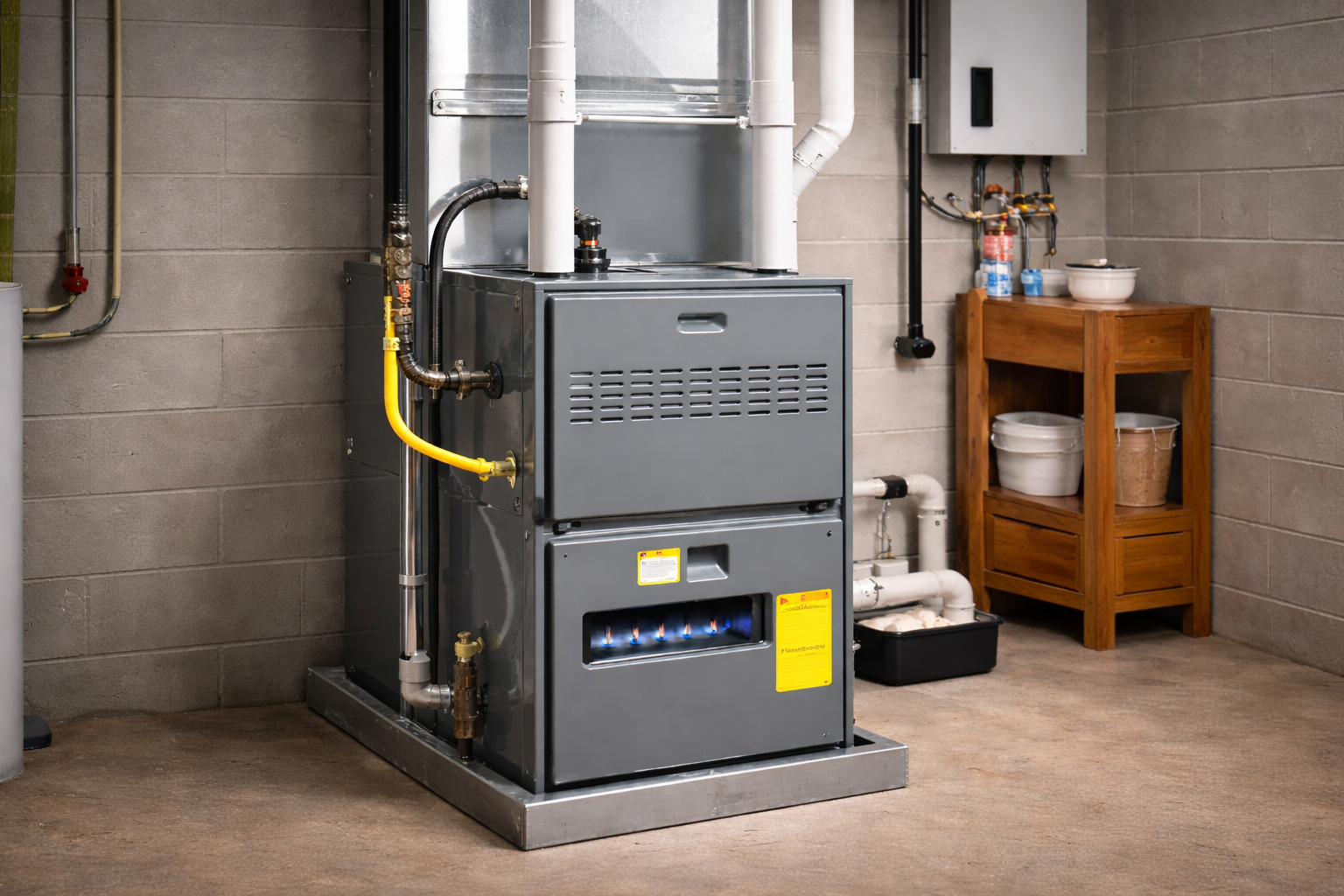
Choosing a gas furnace is not just about heat output or efficiency. It is about keeping your home safe, comfortable, and cost efficient. In our view, a furnace is a controlled fire in a box, and the system must manage fuel, flame, heat, and exhaust safely in a confined space.
Modern furnaces include multiple, built in safeguards that detect problems and automatically shut the system down. When those protections are paired with routine professional maintenance, you get steadier comfort, lower bills, healthier indoor air, and longer equipment life.
As you evaluate equipment or an installation, look for proof of layered safety that you can see and verify:
- Fuel is delivered and stopped precisely.
- The flame is confirmed before heat is allowed to build.
- Temperature is controlled to avoid overheating.
- Exhaust is moved and verified so combustion gases leave the home.
Get these fundamentals right up front, and the rest of the buying decision becomes clearer.
Key Risks From Gas Furnaces: Carbon Monoxide, Leaks and Fire Hazards
Safety controls exist to stop problems before they become emergencies. The most serious is carbon monoxide. CO is colorless and odorless, produced when combustion is incomplete, and it can build up even when the furnace seems to run normally. A cracked or corroded heat exchanger can let those gases mix with supply air and reach living spaces.
- Backdrafting and spillage: improper venting or blocked flues can push exhaust into the home.
- Raw gas accumulation: failed ignition or gas piping faults let unburned fuel collect, raising explosion and fire risk, so the system must shut gas if ignition is not proven.
- Heat exchanger failure: breaches allow CO and other byproducts to bypass the vent path and enter living areas.
Essential Safety Features: At a Glance
Confirm UL or ETL listing, AHRI certificate, and the factory manual. These should accompany the furnace and verify tested, rated safety.
- Automatic shutoffs: high limit, rollout, and pressure or draft switch.
- Blower-door interlock: kills power if the service panel is removed.
- Electronic ignition with flame proving: shuts gas if no flame is sensed.
- Sealed combustion or direct vent: outdoor air in, exhaust out.
- Heat exchanger: durable design with a strong, stated warranty.
- Condensing models: condensate drain with overflow or float switch.
- Venting safety: inducer with pressure-proving before and during firing.
- Integrated diagnostics: stored fault codes and lockout after repeats.
- CO protection: code required carbon monoxide alarms in the home.
Carbon Monoxide Protection: Detectors vs. Furnace Safeties
Furnace safety controls and CO detectors do different jobs. Safeties like pressure, rollout, and limit switches shut the furnace down when venting or flame conditions look wrong, which helps prevent situations that could create CO. They do not monitor CO levels. A whole home CO detector is an independent layer that actually senses CO and alerts your family. Think of safeties as the seatbelt, and detectors as the airbag. In our experience at Budget Heating (BudgetHeating.com), the safest homes use both.
Placement and upkeep matter since CO is a silent hazard. Install CO alarms on every level and near sleeping areas. Test alarms monthly, replace batteries per the manufacturer, and replace the detector at the end of its rated life.
- If a CO alarm sounds: evacuate immediately.
- Call emergency services and a qualified HVAC technician from a safe location.
- Do not re enter until the source is found and fixed.
Rollout and High Limit Protection: Preventing Overheating and Fires
The furnace protects itself two ways. A high limit switch watches supply air temperature and shuts the burner if it climbs too high, preventing overheating and fire. The unit nameplate lists the acceptable temperature rise for proper airflow. If rise is excessive, airflow is usually the cause. Rollout switches near the burner trip when flame escapes the chamber, a serious combustion or venting issue, and separate from CO detectors. In our experience, smart airflow habits stop most nuisance trips.
- Replace or clean the filter every 1 to 3 months.
- Do not close too many supply registers.
- Keep return grilles and ducts unobstructed.
- Ensure doors have undercuts or transfer grilles for return airflow.
Cost vs. Safety: When a Gas Furnace Is (and Isn't) the Best Choice
With decades of field installs and diagnostics, we have seen gas furnaces deliver dependable heat, especially in colder regions. Modern high efficiency models reach 90-98% AFUE, and replacing an older ~80% unit typically cuts fuel use by about 16-18% for the same comfort. Routine professional service often saves roughly $100-$500 per year versus reactive fixes and supports a 15-30 year service life. Still, the right choice blends cost, safety, and your home's goals.
Regulations matter too. The DOE has proposed a 95% AFUE minimum for non weatherized gas furnaces beginning Dec. 18, 2028, though it is under appeal and timing could change. If enacted, some homes may face added venting or condensate handling costs, which can shift payback math.
- Mild climates: A quality electric heat pump can match or beat operating costs. Right sizing, installation quality, and proper venting can matter more than chasing the absolute highest AFUE.
- No combustion preference: If you want to eliminate indoor combustion for air quality or electrification goals, choose a heat pump instead of another gas furnace.
- Challenging retrofits: Tight chases or flue limitations can make condensing furnace venting and condensate routing costly, reducing the benefit of a gas upgrade.
- The blower door interlock should prevent operation with the panel off. If a unit runs with the door removed, it has likely been bypassed, which is unsafe.
- A running furnace can still produce carbon monoxide. CO is invisible and odorless, so detection and combustion checks matter.
- Built in safeties do not replace maintenance. Never bypass safeties or repeatedly reset lockouts without diagnosing the root cause.
Automatic Gas Shutoff, Gas Valves and Control Diagnostics
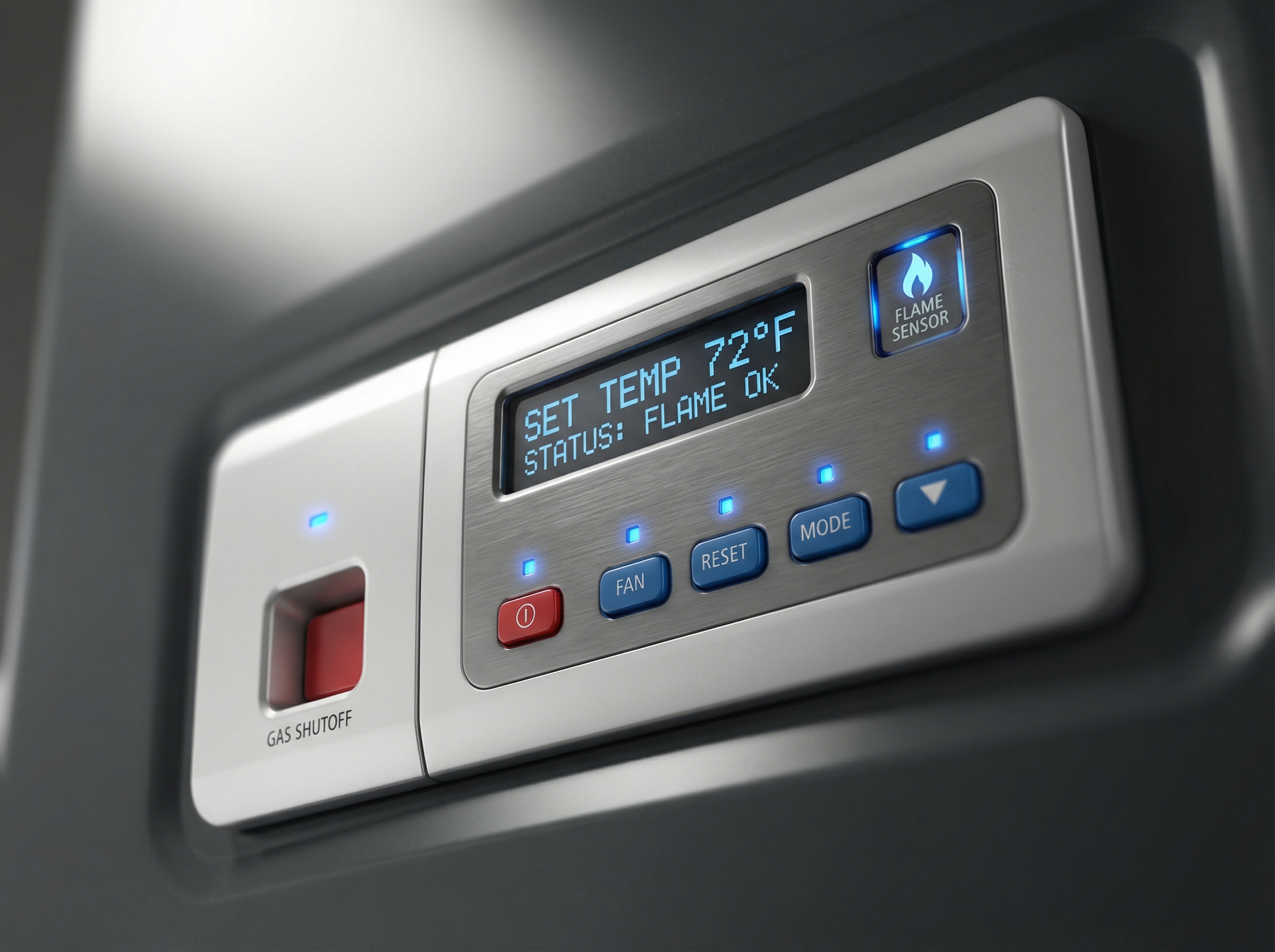
Modern furnaces watch ignition and combustion closely. If the igniter does not light, flame is not proven, temperature rises too high, or the draft is not correct, safeties step in and close the gas valve. That includes ignition control lockouts, high limit and rollout switches, plus pressure or draft proving. Think of it like a referee who stops the play the moment something looks unsafe.
For fast troubleshooting, choose models with integrated control boards, LED fault codes, and a lockout history. In our experience at Budget Heating (BudgetHeating.com), those features reduce guesswork and prevent repeated resets that mask the real issue.
On installation, verify properly sized gas piping, an accessible manual shutoff within about 6 ft, a sediment trap, and a documented leak or pressure test. Use listed appliance connectors. Ask about redundant gas valve designs and confirm ANSI Z21.47 compliance along with UL or ETL and AHRI listings.
Flame Sensors, Thermocouples and Ignition: How Flame Proving Keeps You Safe
Modern furnaces use electronic ignition, hot surface or spark, not a standing pilot, which reduces fuel use and eliminates a constant flame. The flame sensor proves ignition; if no flame is detected the control closes the gas valve and locks out to avoid raw gas buildup.
In our work, dirty sensors cause nuisance lockouts; cleaning and inspection belong in annual service. Flame proving must not be bypassed, and a qualified technician should service ignition or sensing.
Venting, Flues and Combustion Air: What to Inspect at Installation and Service
From our field checks, venting and combustion air decide safety and performance. Here is what should be verified at install and at every service.
- Permits and code: confirm fuel gas piping, vent termination clearances, combustion air sizing, and CO alarm placement meet local codes.
- Venting materials and slope: condensing units use PVC or CPVC pitched back to the furnace. Non condensing units use listed metal flues with proper clearances.
- Pressure switch and draft proving: the inducer starts and a pressure switch proves clear airflow. If draft is not proven, the furnace locks out before full gas flow.
- Sealed combustion direct vent: draws air from outdoors and exhausts outside, isolating flames from indoor air and reducing back draft and CO risk.
- Condensate safeguards: install a trap, route to drain, add overflow or float switch, and use a neutralizer where required to prevent leaks and corrosion.
- Startup tests: combustion analysis for CO, O2 or CO2 and draft, recorded manifold pressure and input, temperature rise within nameplate, and demonstrated safeties, including pressure switch, flame lockout, high limit, and rollout.
Putting It Together: How to Choose and Maintain a Safe Gas Furnace
Prioritize safety features that halt leaks or failed ignition, detect flame and heat issues, prove venting, and lock out when limits trip. The heat exchanger is the barrier between exhaust and your air, so choose sealed combustion/direct vent, modern ignition with flame proving, high limit and rollout switches, draft proving, a durable, warrantied exchanger, and overflow protection on condensing models.
Complement with whole home CO detectors, a permitted professional install, and annual combustion checks. Ask for startup docs: combustion analysis, temperature rise, safety tests. If you smell gas, see yellow flames, soot, water, or repeat lockouts, evacuate and call the gas utility and a licensed HVAC tech. This is a big decision, and we can help.
- Get a Custom Quote
- Talk to Our Team, U.S. phone support with 30+ years of hands-on HVAC
- Shop Gas Furnaces, wholesale pricing and financing with Affirm
 Cooling
 Heating
 Learning Center
 Money Saving Tips
 Product and Brands Insights
 Buying Guides
 State by State
 HVAC Systems