




Review of Daikin Mini Splits: Cooling Efficiency and Comfort: What This Guide Covers
Considering a ductless upgrade for more consistent comfort and lower energy bills? This review focuses on how Daikin mini splits deliver cooling efficiency and everyday comfort, and why both matter for your wallet, indoor air quality, and long term system health. You will learn how inverter driven technology modulates output to match demand, like cruise control, to hold steady temperatures, trim electricity use, reduce noise, and limit wear when paired with routine care. We translate efficiency into real world savings, share what owners report about cooling performance in challenging spaces, and highlight comfort features that matter most, including quiet modes, multi zone flexibility, and useful airflow settings. We also outline simple maintenance, especially timely filter cleaning, that helps keep coils cleaner, preserves airflow, supports cleaner indoor air, and protects performance over time. If you want a clear picture of day to day cooling, not just brochure specs, this guide keeps the focus on what you will actually feel and pay.
Why Choose a Daikin Mini Split? Efficiency, Quiet Operation, and Zoning Benefits
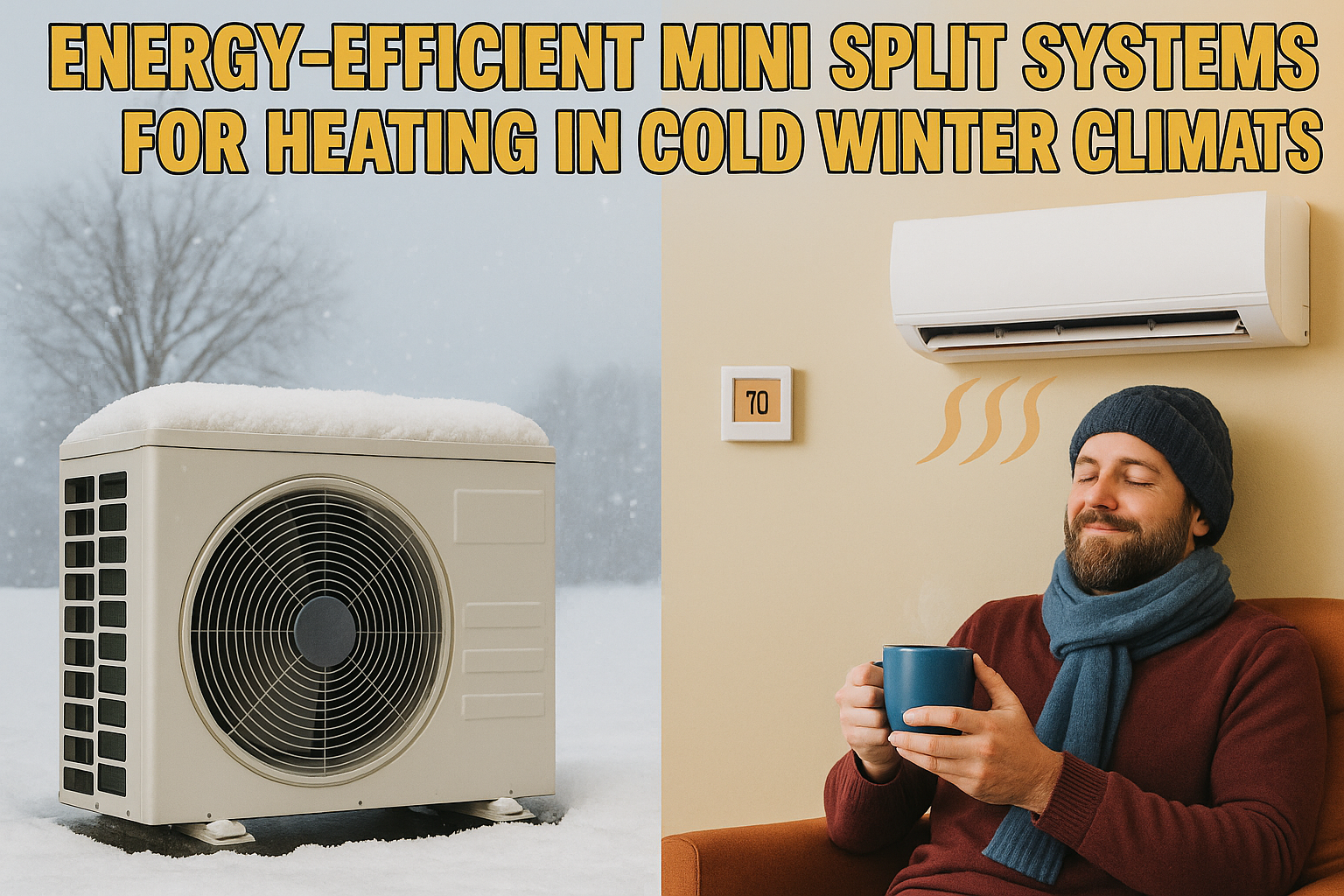
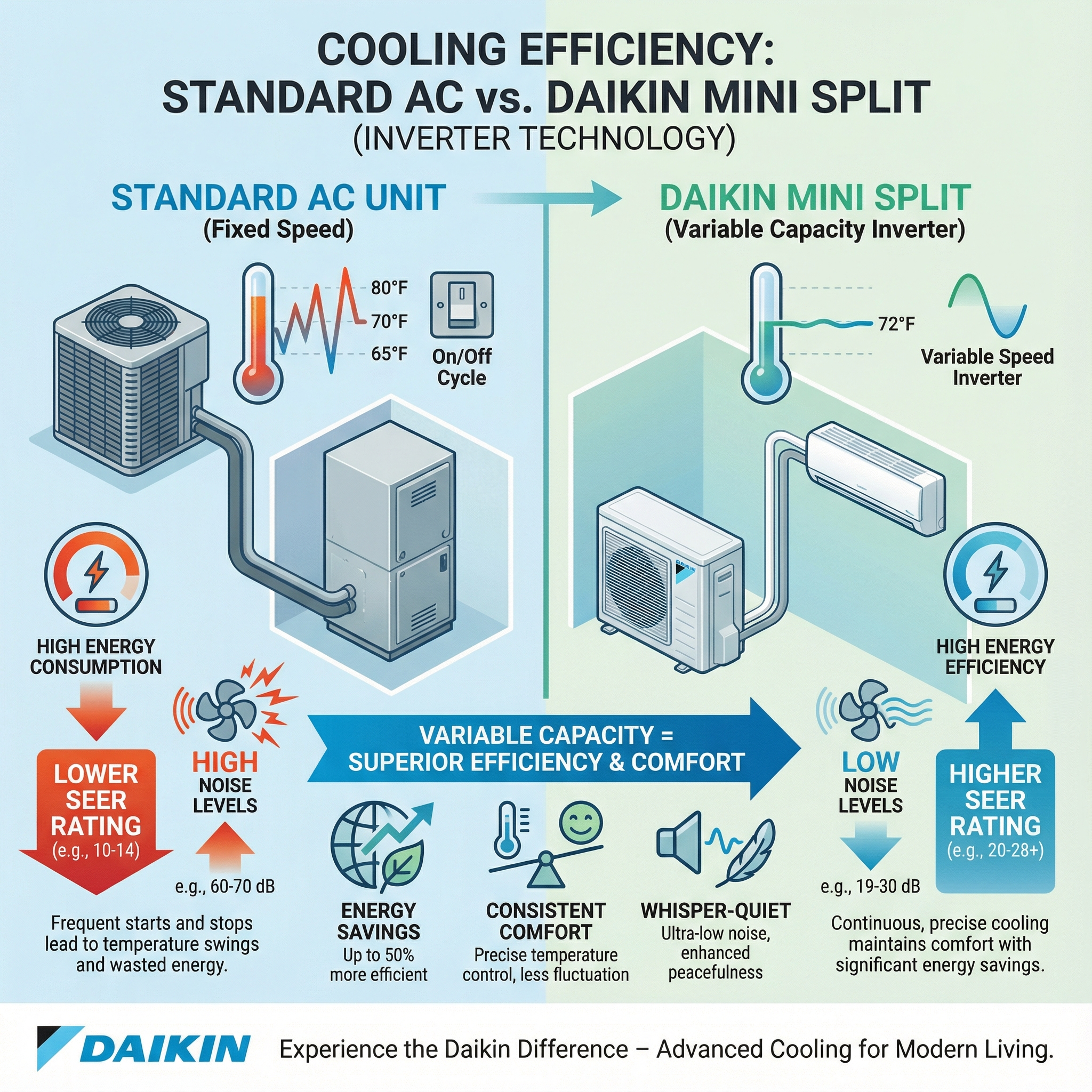
In our field experience, Daikin mini splits built around inverter, variable speed compressors avoid the on off routine. They ramp output up or down, like a dimmer switch for your HVAC. That steady, right sized operation trims wasted power, smooths temperature swings, responds quickly during heat waves, and helps manage humidity. Many models also deliver efficient supplemental heat for year round use. Indoor and outdoor units are engineered for low noise, an advantage in bedrooms, living rooms, and home offices.
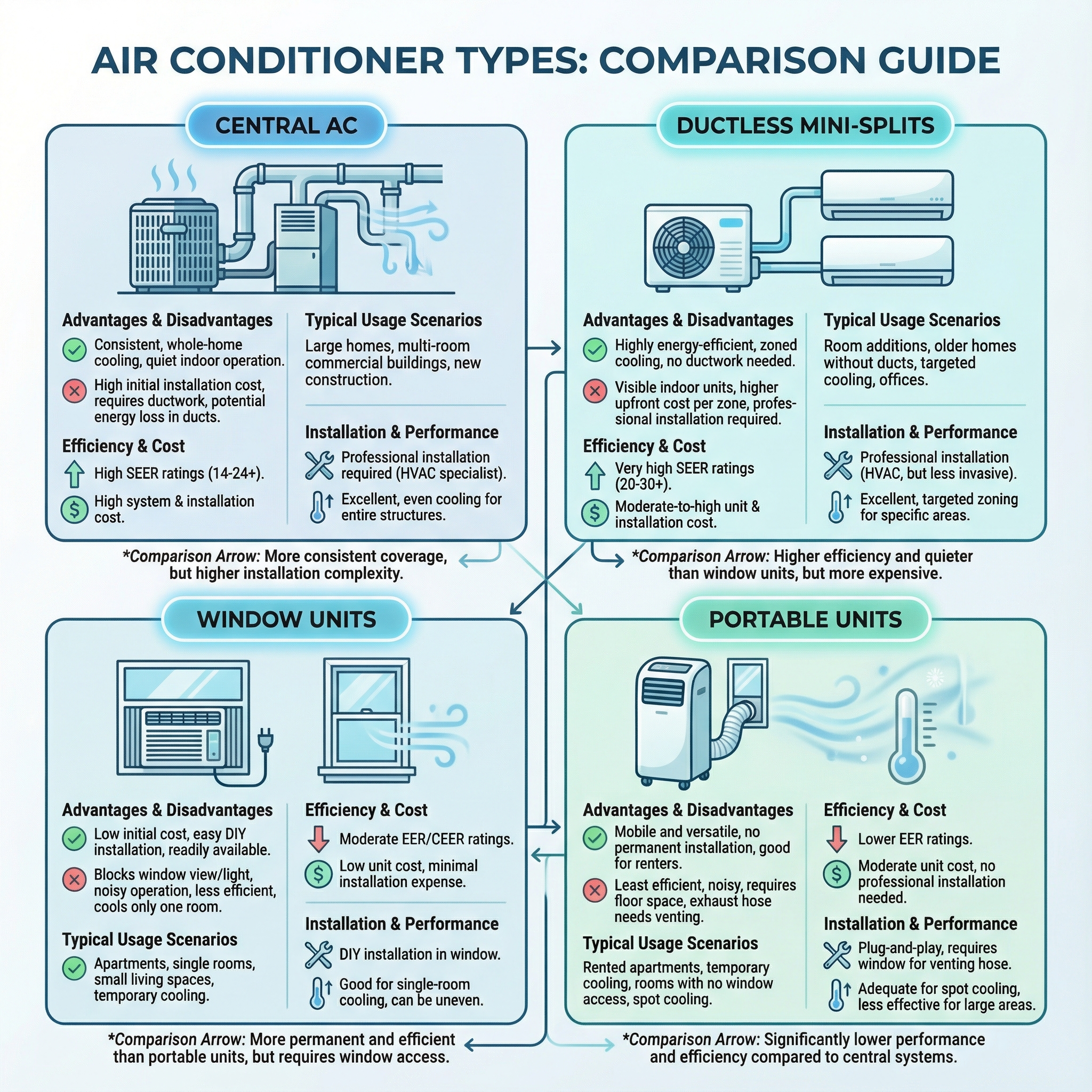
Zoning and ductless flexibility let you condition only the rooms you use, ideal for homes without ductwork, additions, basements, sunrooms, or spaces with large sun exposed windows.
- Comfort and air quality: washable long life filters capture dust and some allergens, easy cleaning supports airflow and performance.
- Durability: gentle inverter operation reduces component strain, and routine upkeep supports long service life and lower lifetime costs.
- Selection tips: match capacity, choose single vs multi zone wisely, confirm low temp heating needs for your climate, review sound ratings and filter access, and rely on qualified installation to realize efficiency and comfort.
Key Specs to Know: SEER2, EER2 and HSPF2: What the Numbers Mean for Daikin
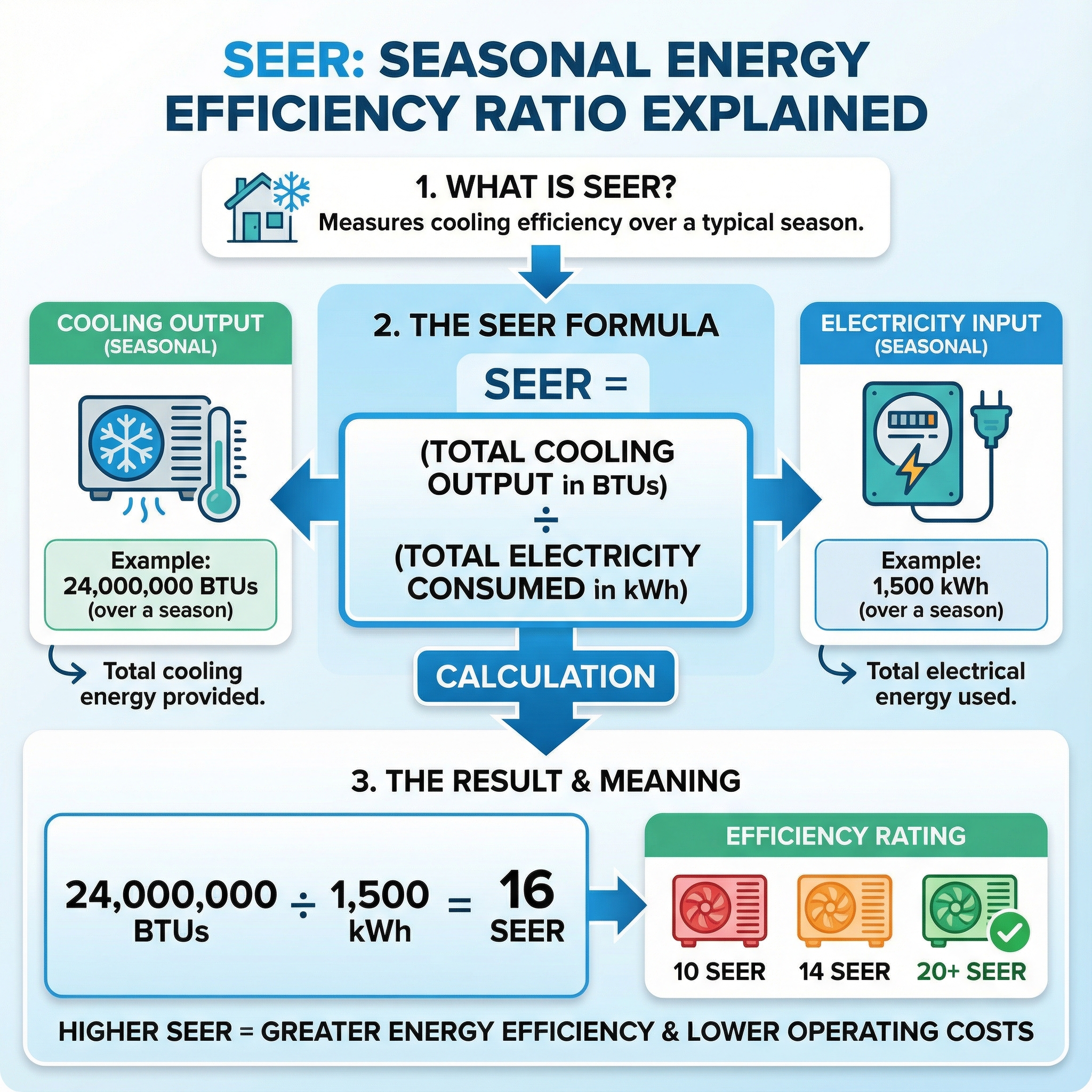
SEER2 measures seasonal cooling delivered per unit of electricity. Higher is better. EER2 or EER is the single-condition snapshot used to gauge hot-day performance. HSPF2 is the seasonal heating efficiency for heat pumps. On a representative Daikin single-zone inverter mini split, you will see about 18.0 SEER2, EER 12.5 to 13.0 at AHRI conditions, and HSPF2 9.0 to 10.0. That 18.0 SEER2 exceeds ENERGY STAR and sits well above today's federal baseline in the low to mid 14s, which puts it solidly in the high-efficiency bracket. Because seasonal energy use is roughly inversely proportional to SEER2, stepping up from ~14 SEER to an 18 SEER2 unit can trim cooling kWh noticeably. In our experience at Budget Heating (BudgetHeating.com), hot-climate customers commonly report 30 to 40 percent lower cooling bills along with steadier indoor temperatures. Across Daikin's range, entry models land in the low teens, while premium lines can reach the low 30s SEER.
Sizing, Zoning, and Best Use Cases: Where Daikin Mini Splits Shine
From decades in the field, we use this quick checklist to dial in the right Daikin setup for comfort and efficiency.
- Define zones and goals: list rooms, choose single zone for one space or multi zone for several, and flag kitchens, sunrooms, attics, or garages with high loads.
- Measure and size: note square footage and ceiling height, set a base BTU, then adjust 10 to 20 percent for very hot or very cold climates. Add about 10 percent for kitchens, and step up by half to a full ton for highly exposed rooms. Confirm with a Manual J room by room load.
- Match capabilities: typical multi zone specs show cooling from 23 F to 115 F and heating from 5 F to 60 F. Compare SEER, EER, and HSPF, review humidity modes and quiet dB ratings, and pick wall, floor console, or cassette heads to fit the layout.
- Placement and readiness: keep indoor airflow paths clear with easy filter access. Outside, allow service space, avoid snow and ice, stay within Daikin line set limits, and verify dedicated circuits, breaker size, disconnects, and any surge protection.
- Installation quality and controls: insist on permits where required, nitrogen pressure testing and purging during brazing, evacuation to 500 microns or less with a decay test, tight flares or brazed joints, and charging by weight when lines exceed factory allowance. Confirm Wi Fi or app control, set schedules, then verify setpoint tracking, stable humidity, quiet operation, proper condensate drainage, even comfort, quick warm, and defrost.
Tradeoffs & Common Misconceptions: When a Daikin Mini Split May Not Be the Right Fit
Mini splits deliver quiet, efficient comfort when matched correctly to the space and climate, but they are not a one size solution. From our field work, here are cases where a different approach can make more sense:
- Very large single zone areas: Big open gyms or halls often favor a ducted central heat pump or a packaged rooftop unit to reduce indoor head count and simplify control.
- Lowest upfront cost priority: Per room equipment costs can add up. If an existing duct system is in good shape, a conventional split system may land a lower initial bill.
- Limited local service support: These systems need proper load calculations, refrigerant work, and warranty backed service. Where that is uncertain, widely supported ducted alternatives can be safer.
Common misconceptions to clear up:
- They only cool: They are heat pumps that both cool and heat when sized for the climate.
- They are not efficient or comfortable: Inverter compressors modulate output, improving steadiness and humidity control.
- Zoning does not save: Conditioning only occupied rooms cuts runtime in unused spaces.
- Too expensive overall: Higher upfront cost can be offset by lower bills and incentives over time.
- Installation is disruptive: Small line set penetrations are typically faster than full ductwork.
Cooling Efficiency: Lab Ratings vs. Real-World Performance and Savings
Lab ratings like SEER2 tell you how a unit performs on a controlled test. In a home, savings hinge on runtime, setpoints, and how smoothly the compressor modulates. Inverter mini splits sip power by matching output to the load, like cruise control holding speed instead of constant stop-start.
What we typically see: when an older system is replaced with an 18 SEER2 single-zone inverter mini split from Daikin, utility-bill comparisons average about 30 to 40 percent less cooling energy. In our experience at Budget Heating (BudgetHeating.com), that drop comes from avoiding wasteful on-off cycling and overshooting.
Quick way to estimate: pull last summer's cooling kWh from your bills, then apply a 30 to 40 percent reduction for a similar inverter upgrade. Adjust up or down for climate extremes, duct losses or gains, thermostat habits, and installation quality. Real-world savings vary, but modulation is the main driver of the lower bills over time.

Installation, Maintenance, and Safety: What Owners Need to Know
Some care is homeowner friendly, and some should stay with licensed, EPA‑certified technicians. With power off, we recommend cleaning or replacing indoor filters monthly in heavy use, wiping the indoor unit, keeping 18 to 24 inches of clearance around the outdoor unit, confirming the condensate drain is flowing, and gently straightening bent fins with a fin comb.
Professionals should handle any refrigerant charge or leak issues, deep coil cleaning, motor lubrication, performance diagnostics and calibration, electrical inspections or repairs, and any ductwork tied to a ducted air handler. Mini splits are electric heat pumps, so safety centers on sealed refrigerant circuits and live electrical components.
Schedule professional maintenance once a year before peak season to protect efficiency and, in many cases, warranty coverage.
Regional Rules & Climate Fit: SEER2 Changes and What They Mean for You
Since 2023, mini splits are rated under DOE M1, which changed how efficiency is tested and raised minimums. M1 is a tighter measuring stick, so verifying current SEER2, HSPF2, and EER2 is essential. Cooling-only systems follow regional floors: North 13.4 SEER2, Southeast 14.3, Southwest 14.3 plus stricter EER2. Mini split heat pumps follow national minimums that also increased. In our experience, Daikin models typically clear these baselines.
Match selection to climate: hot-dry Southwest, confirm EER2 alongside SEER2. Humid Southeast, prioritize higher SEER2 and strong dehumidification. Colder North, look for low-ambient heating and automatic defrost. Size smartly: add about 10-20% capacity in extreme climates, and consider an extra half-ton to full ton for sunrooms, attics, garages, or heavy-cooking kitchens.
How Daikin Stacks Up: Comparing to Mitsubishi and Other Ductless Brands
Daikin and Mitsubishi sit in the top tier for ductless reliability. In our installs, Mitsubishi often edges Daikin in ultra-cold climate performance and whisper-quiet indoor heads, while Daikin offers broad model coverage and sharp value. At the very top, both post elite SEER2 and HSPF2, with premium inverter_variable_capacity controls. Service can decide it: Mitsubishi's dealer network is dense in many metros, Daikin's parts availability is excellent in mixed markets. If you need advanced app control or specialty head styles, some competitors like Gree or LG can fit niche needs.
Bottom Line: Are Daikin Mini Splits Worth It for Cooling Efficiency and Comfort?
Yes, for many homes. Daikin mini splits deliver strong cooling efficiency and very steady comfort when they are sized and installed correctly. They make the most sense if you care about inverter variable capacity performance and want zoning flexibility without running new ductwork.
If you are chasing the lowest upfront price or replacing a simple ducted system, a different path may offer better value. Most buyers just want a cool, quiet home without overpaying, which is why a clear plan matters.
Next steps are simple: start with a Manual J load calculation, get two or three bids from licensed installers, and check available rebates or tax credits. Compare SEER2 and EER2 apples to apples, then choose the package that fits your comfort goals and budget. Our team has been doing this for 30+ years with U.S.-based technical support, and we can turn your room list and measurements into a clean, installer-ready parts list.
- Get a Custom Quote: sizing guidance, line set lengths, mounting and accessories included.
- Talk to Our Team: real phone support from HVAC pros, no pressure, straight answers.
- Shop Ductless Mini Splits: explore Daikin and comparable systems at wholesale-direct pricing.