




 hvac systems
 learning center

How HVAC Systems Help Keep Mold and Mildew Out of Your Home
Mold and mildew do best when moisture, warmth, and stagnant air come together. In our decades of HVAC work, the homes that stay clean and dry use their systems to break up that trio. A properly designed and maintained setup manages humidity, keeps temperatures stable, moves air through the right places, and filters particles so spores have fewer chances to settle.
Here is the high-level picture: dehumidification removes excess moisture before it condenses on cool surfaces. Consistent temperatures reduce the warm-cold swings that drive condensation. Balanced airflow prevents dead zones, keeps surfaces dry, and dilutes pollutants. Filtration captures spores and dust that would otherwise become food for growth. Think of a tuned HVAC system like a traffic cop for moisture and airflow, directing both so they do not pile up in corners.
Good moisture control improves indoor air quality, cutting musty odors and irritation. It also boosts comfort, since air with balanced humidity feels cooler in summer and less clammy overall. That balance supports efficiency and helps equipment last longer by keeping coils and ductwork cleaner. The result is healthier air, steadier comfort, and lower energy and maintenance costs over time.
Why Mold and Mildew Thrive Indoors (What Homeowners Need to Know)
Indoors, mold needs three things to get established: sustained moisture, an organic food source, and stagnant air. Moisture can come from high humidity, leaks, or condensation. Food is everywhere, including drywall paper, wood, carpet backing, and dust. Quiet, damp pockets behind furniture or inside closets let spores settle and grow. Risk climbs sharply when indoor relative humidity tops about 60 percent. Keep RH in the 30 to 50 percent range to discourage growth. Mold prefers warmth, but can grow in cool spaces if wet. Temperature alone does not stop it. An operating AC is not a substitute for ventilation, since cooling without fresh air or air movement can leave humid, still zones.
How Humidity Levels Drive Mold: What Numbers Matter
Mold activity rises with moisture. Aim for indoor relative humidity around 30-50 percent, and keep it under 60 percent to reduce growth risk. Air conditioners remove moisture as warm air passes over cold evaporator coils, and the water that condenses must drain away or it can recycle humidity and encourage mold near the unit.
- Use a hygrometer or humidity-reading thermostat in multiple zones. Check bedrooms, basement, bathrooms, and any space that feels clammy.
- Log readings morning and evening for a week. If RH holds above 55 percent for 24 to 48 hours, act to dry the space.
- In cooling season, confirm the condensate line is clear and pitched so coil water exits the home.
Ventilation: Moving Moisture Out of the Building
Ventilation works alongside your HVAC by giving humidity a fast exit. Think of it as opening a relief valve at the source: bathroom, kitchen, and laundry exhaust fans pull steam and damp air out before it spreads. In tight homes, ERV and HRV systems exchange stale indoor air with typically drier outdoor air while conserving temperature and comfort. In our field work, balanced supply and return airflow keeps rooms from becoming stagnant pockets where moisture lingers.
- Run bath and range fans during and for 15 to 20 minutes after showers, cooking, and drying clothes.
- Keep interior doors open or use transfer grilles or dedicated returns so air can move.
- Do not block supply vents or returns, and set fan mode appropriately in humid seasons.
- Prioritize bathrooms, kitchens, laundry rooms, basements, and crawlspaces for ventilation or spot dehumidification.
- Fix leaks quickly and dry any water damage within 24 to 48 hours.
Limitations & Honest Tradeoffs: When HVAC Isn't Enough
In our field work we see HVAC control moisture and spores, but it cannot replace repairs, source control, or professional remediation. Choose alternatives when:
- Leaks, wet drywall, or visible mold: stop water, repair the envelope, remediate materials.
- Humidity stays high with cooling: add a whole home dehumidifier.
- Widespread water damage: dry and clean professionally before HVAC changes.
Avoid pitfalls: do not close vents, low airflow invites condensation. Do not spray harsh chemicals into ducts, internal cleaning beyond small areas is for professionals.
How HVAC Systems Actively Control Indoor Humidity (Design & Controls)
As warm air crosses the cold evaporator coil, moisture condenses like a cold glass sweating. Longer, steady runtimes keep the coil wet so water drains away. Oversized systems short cycle, cool fast, and leave humidity behind, so a clear, trapped drain and proper sizing both matter.
Good design starts with a Manual J load. Variable speed or two stage equipment stretches runtimes and trims humidity without big temperature swings. Many systems add a dehumidify mode or hot gas reheat to dry without over cooling. Higher SEER or SEER2 often pairs with variable speed, and that efficiency makes longer drying cycles affordable. In our experience at Budget Heating (BudgetHeating.com), these controls noticeably reduce clammy rooms.
- Ask for a Manual J calculation.
- Discuss variable speed or two stage options.
- Consider a whole home dehumidifier for humid climates.
- Confirm proper coil drainage and a clean pan.
Filtration: Capturing Mold Spores (MERV vs HEPA and Filter Care)
Air filters intercept many airborne mold spores and the organic dust they feed on, so less debris reaches coils and ducts. Think of the filter like a coffee filter: fine enough to catch grounds, open enough to let flow. For most central HVAC, MERV 8 to 13 is the practical range where the equipment allows. Higher MERV captures smaller particles, but it also raises resistance, which can reduce airflow and strain the blower. HEPA is even tighter, beyond the MERV scale, and is typically not used in standard central returns unless the system is designed for it.
- Check filters monthly and replace every 1-3 months, more often with pets or heavy use.
- Ensure a snug, sealed fit to prevent air bypass around the filter.
- Regular filter replacement is a homeowner safe, high impact prevention step.

UV C and Antimicrobial HVAC Technologies: What They Do and Don't Do
In our experience, UV C lamps placed at the evaporator coil bathe the consistently damp surface in germicidal light, inhibiting microbial growth and biofilm. Treat them as a supplement, not a replacement, for coil cleaning and filter maintenance. These systems are typically installed by technicians as part of a larger maintenance or upgrade plan. UV C is not a stand-alone fix for established mold in building materials like drywall or wood.
Ductwork, Drain Pans, Condensate Lines and Routine Maintenance
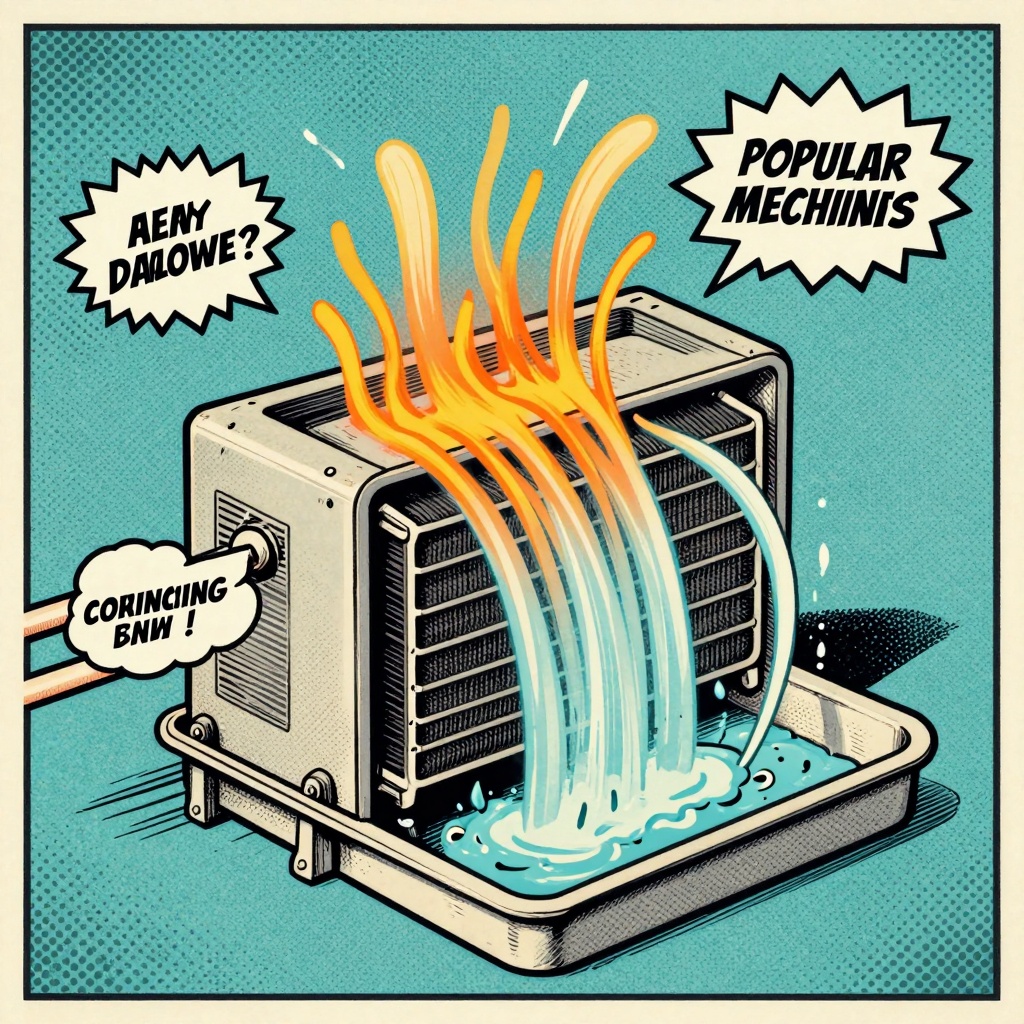
In our field work, the evaporator coil, condensate pan, and drain line are the highest moisture risks. Dirty coils cut airflow, ice, then melt into extra water. Treat the drain like a gutter: proper slope, a clean trap, and an access port for clearing. Check the pan and a steady drain monthly in cooling season, and note musty odors or stains. Insulate and seal supply ducts and plenums to stop duct sweating. Change filters every 1 to 3 months, clear the pan and line monthly, and schedule professional tune ups annually or semiannually with coil and pan cleaning, drain clearing, and airflow checks. Shut power before opening panels, avoid refrigerant work, wear protection for small wipe downs, and call a licensed pro for visible air-handler mold, internal coil cleaning, refrigerant issues, or whole-home dehumidifiers. In hot humid or coastal regions, increase inspection frequency and address salt and biofilm buildup.
Keep Your Home Dry, Clean, and Mold Free: Next Steps
HVAC keeps mold at bay by controlling moisture, temperature, and airflow. It will not repair water-damaged materials, but the right design, filtration, and routine maintenance make your home far less hospitable to mold while trimming energy waste. If you are comparing options, we have 30+ years of hands-on experience matching simple, effective solutions to real homes, with wholesale pricing, many items that ship free, and Affirm financing.
- Get a Custom Quote for moisture control, sizing, and efficiency-focused upgrades
- Talk to Our Team by phone for U.S.-based technical guidance, no pressure
- Shop Dehumidifiers, Heat Pumps, and Indoor Air Quality
 Cooling
 Heating
 Money Saving Tips
 Product and Brands Insights
 Buying Guides
 State by State