




 learning center
Why Air Conditioners Matter to Property Insurers
Air conditioners affect more than comfort, they reshape how underwriters view moisture, fire and electrical exposure. In our decades of HVAC work, we have seen that a well sized, properly installed system keeps humidity in check, which reduces mold, warped flooring and hidden structural damage. Think of central AC as the building's moisture manager, quietly preventing the conditions that lead to claims.
Electrical safety matters too. Clean wiring, correct breaker sizing and sound connections lower ignition risk, while old equipment, ad hoc add ons and neglected maintenance raise it. Efficient, professionally installed systems often earn better underwriting terms because they control moisture and lower electrical stress. Aging or poorly maintained units tend to push premiums higher or trigger exclusions.
What insurers typically consider when pricing a policy:
- Age of the system and expected remaining life
- Quality of installation and permitting
- Maintenance records, including coil cleaning and drain care
- Safeguards such as secondary drain pans, float switches and surge protection
The bottom line is simple, a reliable, efficient AC that is installed correctly and documented reduces claim likelihood and improves insurability.
How Insurers Assess Risk From Air Conditioning Systems
Underwriters judge AC risk by how likely the system is to fail, leak, or overheat. We see them weigh age and visible condition, favoring newer, well kept equipment. Proof of licensed installation, permits, and commissioning steps like Manual J sizing helps. Recorded maintenance and active manufacturer warranties signal proactive care. Modern, professionally installed systems are safer than window or portable units, reducing fire potential. Strong humidity control lowers mold and rot risk, while proper condensate pitch, secondary pans, float switches, leak sensors, and surge protection cut water and electrical losses.
Types of Air Conditioners and Their Insurance Implications
Insurers look at how an AC is installed, where it sits, and how it handles water and power. In our field work, different formats carry distinct loss profiles, like parking in a garage versus on the street.
- Central ducted and ductless mini-split systems, when professionally installed, generally present lower risk: they manage humidity well, run on dedicated circuits, and use sealed refrigerant and drain paths that reduce leak events and electrical hazards.
- Window and portable units trend higher risk: more theft exposure, poorer humidity control, and a tendency for installation gaps or ad hoc extension cords increase chances of water intrusion, mold, and electrical-fire claims.
Placement matters too. Attic air handlers should sit in secondary drain pans to limit leak damage. Outdoor condensers benefit from elevation in flood zones, proper anchoring in wind or hurricane regions, and hail guards or debris screens, measures underwriters view favorably. Insurers also note wind, hail, and theft exposures around the yard.
Are Air Conditioning Units Covered by Homeowners Insurance?
Standard policies generally cover HVAC damage when it results from a sudden, accidental peril, such as fire, lightning, or a windblown tree that crushes a condenser. They exclude normal wear and tear, gradual deterioration, corrosion, and damage tied to neglect. Mechanical breakdown from age or skipped maintenance is typically not covered, so a compressor that fails on its own is usually a homeowner expense.
If you suspect a covered loss, power the system down safely, protect the area to prevent further damage, and photograph everything. Report the claim promptly. Insurers expect model and serial numbers, invoices, maintenance records, photos, and contractor details. In our experience, thorough documentation speeds adjustments and helps align the cause of loss with policy language.
Common Exclusions, Misconceptions and When AC Upgrades Aren't the Best Option
In our experience, an AC upgrade only helps insurance and comfort when it lowers risk and is well documented. Consider these common pitfalls before spending on new equipment.
- Myth: ACs only affect comfort. Reality: humidity control and electrical safety influence claims and premiums.
- Myth: Any new AC lowers premiums. Reality: insurers weigh permitted professional installation, safety features and paperwork.
- Myth: Maintenance does not matter. Reality: missing service records often lead to denied or reduced claims.
- Myth: SEER or SEER2 alone drives savings. Reality: risk mitigation and claims history carry more weight.
- Other mistakes: closing many vents raises static pressure, shutting AC off in humid seasons invites mold, oversizing causes short cycling and poor dehumidification, and window units are not treated like central systems.
- Not optimal: extreme cold. Consider a gas furnace or a cold climate heat pump with backup heat.
- Not optimal: very tight budget. A permitted repair plus strict maintenance may beat a partial DIY swap.
- Not optimal: high theft areas. Favor tamper resistant or wall mounted equipment and added security.
- Premiums can rise despite upgrades when installs are DIY or unpermitted, condensate leaks persist, homes rely on multiple window units, or outdoor units lack required anchoring and clearance.
How Air Conditioners Can Raise or Lower Your Premiums
Insurers price risk by looking at your mechanical systems. A modern, code-compliant AC can help premiums, while an older, inefficient, or poorly installed unit can nudge them higher.
SEER2 matters because it signals age and safety. SEER2 is the newer DOE metric adopted in 2023 with tighter testing and regional minimums, roughly 13.4 in the North and about 14.3 in Southern regions. Meeting or exceeding those minimums shows a recent, permitted install, which some carriers may reward with modest credits, often up to around 10%, though availability varies by state and insurer. Efficiency also saves on utilities, each SEER point can cut cooling energy about 5 to 10%, so the premium benefit is indirect while the bill savings are immediate. In our experience at Budget Heating (BudgetHeating.com), clear documentation of model numbers, permits, and the install date helps unlock any credits your carrier offers.
- Premium drivers: system age, fuel type and electrical demand, installation quality and permits, location exposure to flood, wind, or hail, and your claims history.
Replace or repair? Premium reductions are usually single digit, but when you stack energy savings, rebates, and fewer breakdowns and claims, replacing a tired system often improves total cost of ownership and insurability.
Equipment Breakdown Coverage & HVAC Endorsements Explained
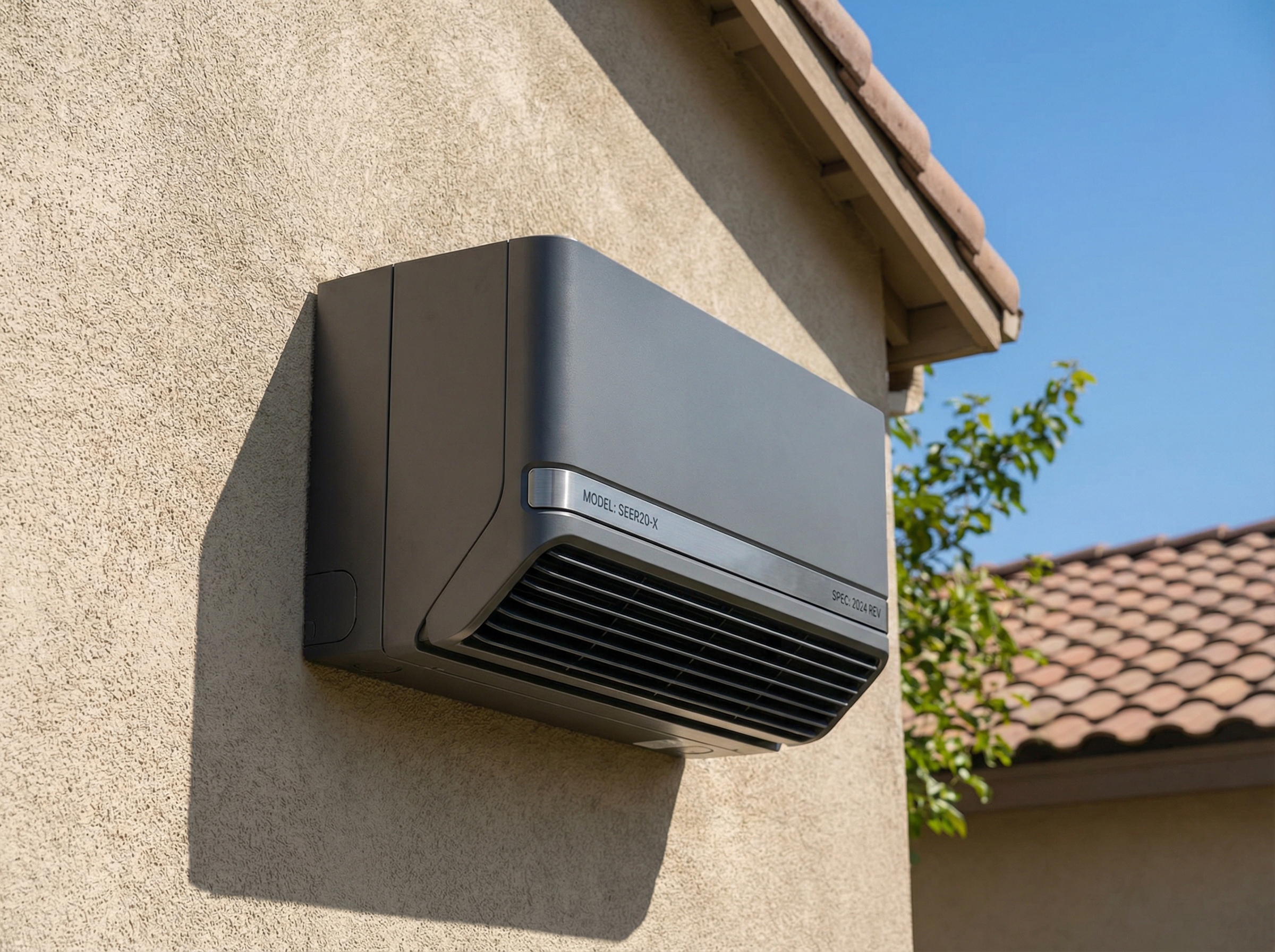
A standard homeowners policy covers perils like fire or wind that damage your HVAC, but it usually excludes the problem most owners face: the unit failing from the inside. Mechanical and electrical failures, such as compressor burnout, control board failure, or a sudden refrigerant leak, are commonly excluded. An equipment breakdown endorsement or a separate policy fills that gap.
Think of it like auto insurance: it pays for a crash, not an engine that quits on its own. To add breakdown coverage, carriers often want proof of licensed installation and regular maintenance. Unlicensed work or obvious neglect can sink a claim. In our experience at Budget Heating (BudgetHeating.com), consider it if systems are older, you have high value HVAC, or a repair would be costly, since the endorsement reduces out of pocket risk for sudden mechanical failures.
HOA, Landlord and Commercial Considerations for AC Coverage
In our experience, managed properties, rentals, and commercial sites are underwritten through a regional and regulatory lens. Evolving codes and the refrigerant transition to lower GWP A2L blends raise installation and safety requirements, so insurers expect permitted, inspected, code compliant work with needed ventilation and leak detection. Landlords face unique exposures: higher tenant turnover, deferred maintenance risk, and theft of outdoor condensers. Keep dated maintenance logs, tenant proof outdoor units with cages or bollards, and confirm whether HOA or the lease assigns AC repair responsibility. Regional perils drive requirements, like dehumidification in humid zones, anchoring and elevation in hurricane or flood areas, and surge protection in lightning prone regions.
How to Reduce Insurance Costs Related to Your AC: Maintenance, Upgrades and Documentation
From decades of installs and warranty inspections, we see insurers reward two things: risk reduction and proof. Use this checklist to lower loss exposure and support better premiums.
- Maintenance routine: replace filters on schedule, clean indoor and outdoor coils annually, flush condensate lines quarterly, and book a professional tune-up at least once a year. Keep written records and receipts.
- Add risk mitigation devices: install a secondary drain pan, float switch, water leak sensors with auto shutoff, and whole-system surge protection. Place CO and smoke detectors correctly and secure outdoor condensers against theft.
- Choose the right system: select ENERGY STAR or high SEER2 equipment with strong humidity control and smart monitoring compatibility. Ask your insurer which efficiencies or features earn credits.
- Ensure insurable installation: use licensed contractors, pull permits, keep signed proposals, and obtain final inspection sign-offs. Photograph and store model and serial numbers with invoices.
- Insurance housekeeping: after upgrades, notify your insurer with permits, invoices, and model details. Review covered perils and consider equipment-breakdown coverage where appropriate. Store records in both cloud and physical formats.
- Use smart monitoring and programs: enable alerts on smart thermostats and leak sensors, and enroll in utility or insurer programs that reward monitoring and verified maintenance.
Actionable Next Steps: How to Review Your Policy and Talk to Your Insurer
Insurers judge your AC by the whole picture: technology, installation quality, maintenance, and local hazards. Use a holistic plan: pick right sized efficient equipment, require licensed and permitted installation, add condensate and surge safeguards, follow a documented maintenance schedule, and notify your carrier after upgrades. Then act: audit age, serials, and service logs, book a professional tune-up, photograph permits and invoices, ask about efficiency or safety credits and equipment breakdown options, and shop carriers if your improvements are not recognized.
Key insight: these steps might lower premiums a bit but they reduce claim risk a lot. Whether you own one home or many, consistency pays off. Our team can spec the right system and provide the documentation your insurer expects.
- Get a Custom Quote for right sized AC or heat pumps, with permit-friendly paperwork.
- Talk to Our Team for U.S.-based phone support and practical install guidance.
- Shop Heat Pumps and Central AC at wholesale pricing, with free shipping on most systems and Affirm financing.
 Cooling
 Heating
 Money Saving Tips
 Product and Brands Insights
 Buying Guides
 State by State
 HVAC Systems