




 HVAC maintenance
When Should You Replace Your HVAC System? A Quick Overview
Timing a replacement affects year-round comfort, energy bills, indoor air quality, and equipment life. From hands-on field experience, we see most systems run 10 to 20 years, and performance typically declines with age. Modern systems, built to higher SEER2 standards and covered by new warranties, deliver steadier temperatures and more reliable operation.
This guide explains what to watch for, how to weigh repair versus replace economics, and how climate and current efficiency standards shape a smart plan. Use it like a map to avoid pouring money into a worn unit without jumping into a premature swap. By the end, you will understand the tradeoffs, the timing, and the practical steps that keep comfort steady and costs predictable.
Typical HVAC Lifespan: How Long Should Your System Last?
Most residential HVAC systems provide roughly 10 to 20 years of service. Treat that span as a planning window rather than a promise, since age brings predictable risks that affect comfort, costs, and timing.
As units age, efficiency and reliability decline, parts become harder to source, and major components are more likely to fail. Minor fixes can keep things running, but the chances of a costly breakdown rise each season. If a unit over about 10 years old is already malfunctioning, we typically lean toward replacement instead of chasing repeated repairs, because money put into an aging system often does not extend dependable life very far.
Think of it like an older car: it still runs, but it uses more fuel, visits the shop more often, and the right parts are not always on the shelf. If your system is operating within that 10 to 20 year window, monitor performance and plan for replacement before an urgent failure forces the decision.
Understanding SEER and SEER2: How Efficiency Affects Replacement Decisions
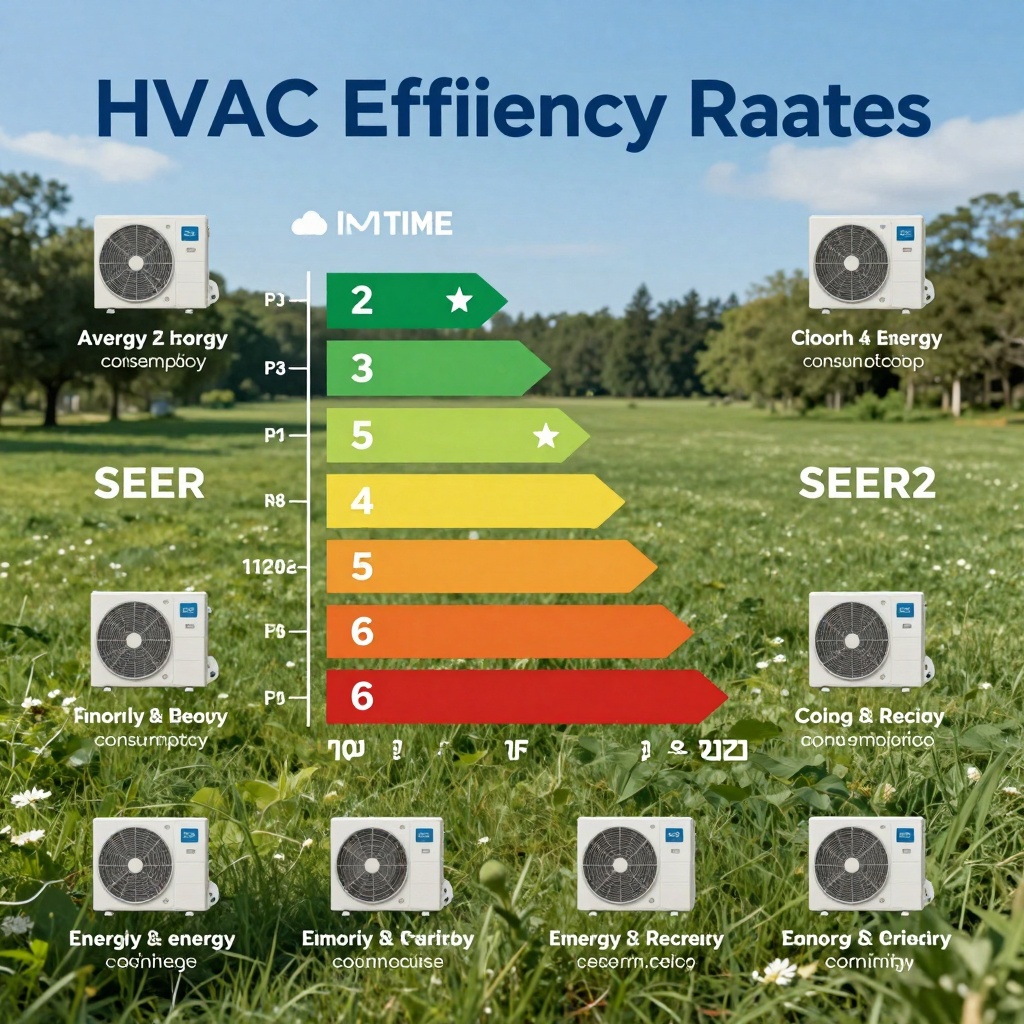
SEER measures seasonal cooling efficiency, output divided by electric input. SEER2 uses a newer test in place since 2023 that better reflects real conditions. The same unit will show a lower SEER2 number, but it is a closer real-world read.
Common tiers: legacy systems around SEER 8 to 10. Code-minimum central AC is roughly SEER 14, with regional variations. Entry-efficient starts at 14 plus, and high efficiency reaches the upper teens and 20s.
Actual savings depend on climate, thermostat settings, your home's envelope, duct leakage, and installation quality. Think of it like miles per gallon: the sticker is a lab number, your house is the traffic. Even high-SEER or SEER2 gear needs proper installation and routine maintenance to hit the rating. In our experience at Budget Heating (BudgetHeating.com), duct design and setup often matter more than a one-point bump in efficiency.
How Often to Service Your HVAC: Maintenance That Delays Replacement
Routine, proactive maintenance keeps efficiency up, avoids major breakdowns, and can push replacement years down the road. Use this cadence and operating checklist:
- Filters: replace every 1 to 3 months based on usage, pets, and filter type. Dirty filters restrict airflow and accelerate wear.
- Professional tune-ups: schedule annually for each system to verify refrigerant charge, electrical connections, safeties, combustion performance on furnaces, and airflow.
- Combustion safety: inspect heat exchangers and flue paths regularly to reduce carbon monoxide risk.
- Operation: do not close too many supply vents, and keep outdoor units clear of leaves and weeds to avoid high static pressure and strain on the blower or compressor.
Collect 12 to 24 months of utility bills and keep a log of service calls and repair invoices. Rising energy use or repeat fixes signal efficiency decline. If an older unit uses a phased out or high GWP refrigerant, a leak often tips the scale toward replacement with modern compliant equipment.
Choosing a Replacement: Size, Efficiency (SEER) and Regulatory Considerations
Start with sizing. In our experience, a room-by-room Manual J is non-negotiable. Matching the old tonnage or square-foot rules often oversizes by 15 to 30 percent, which causes short cycling and poor humidity control. Right size sets coil and blower selection and duct static targets.
Check the air path. Have ducts tested for leakage and static pressure. Seal with mastic, add insulation, and correct undersized returns. A tight, balanced duct system lets the new unit hit its published SEER2 and capacity.
Align efficiency with climate priorities: hot humid regions benefit from higher SEER2, strong latent removal, and robust airflow control. Colder climates should emphasize heating capacity, reliability, and building envelope upgrades.
Technology choices matter. Variable speed compressors and ECM blowers deliver better part load efficiency, steadier temperatures, tighter humidity, and quieter operation when paired with proper ducts.
Account for regulations and refrigerants. New efficiency standards and the A2L transition from 2026 affect equipment sizing options, charge procedures, tools, and long-term serviceability. Plan for code compliance, accessories like leak detectors, and availability over the system's 15 to 20 year life.
Common Signs It's Time to Replace Your HVAC System
In homes we evaluate, these red flags mean replacement should be considered now rather than later:
- Comfort symptoms: persistent hot or cold spots, longer run times, missed setpoints, poor humidity control.
- Frequent service calls or repeat issues signal declining reliability and rising failure risk.
- A big repair that costs a large fraction of replacement usually makes a new system the smarter spend.
- Escalating runtimes or noise, like a car needing more throttle to hold speed, point to lost efficiency.
- Risk management: planning replacement reduces odds of mid season outages and emergency prices or limited choices.

Repair vs Replace: A Practical Checklist and Cost-Savings Guide
Use this quick, economic checklist to decide whether to fix or move on. Think of efficiency like miles per gallon: older units burn more to go the same distance.
- Confirm age: check the nameplate or service records. Once a system is about 10 years old, lower efficiency and higher failure risk often tip the math toward replacement.
- Note current SEER or SEER2, then target at least today's code minimum or higher.
- Compare costs: if a single repair is a significant fraction of a new system's price, or you face yearly repairs, replacement is usually the better value.
- Estimate energy savings: upgrading from SEER ~10 to SEER 13 saves about 23%, to SEER 15 about 33%, to SEER 20 roughly 50% versus SEER 10. Savings stack over 10 to 15+ years and are larger in hotter climates. Very old systems, around 20 years, can cut electric bills about 20 to 40% when replaced.
- Scan your bills: rising costs without rate or usage changes point to declining efficiency.
- Check warranties: new equipment resets manufacturer coverage.
- Get 2 to 3 written quotes with model numbers, SEER/SEER2, duct scope, installed price, and warranty terms. In our experience at Budget Heating (BudgetHeating.com), that detail prevents surprises.
- Confirm rebates and permits. Plan installs in shoulder seasons to avoid emergency premiums. Require proper commissioning and keep records to protect performance.

Tradeoffs and Major Failures: When Replacement Isn't the Right Move, and When It Is
Not every comfort or cost problem points to immediate replacement. If a renovation or addition is coming, tackle the building envelope first, like air sealing and insulation. Then size the new system to the updated load, and use that moment to correct duct issues and consider variable speed equipment or better filtration. We have seen great results when the envelope is addressed first, then the equipment is right sized with a Manual J calculation.
- Do not ignore steadily rising energy bills or comfort drift. Investigate equipment condition early.
- Avoid matching old tonnage. Skipping a Manual J can lock in an oversized or undersized system.
- Myth: closing vents saves energy. Reality: it raises static pressure, hurts airflow, and can increase wear.
- Myth: filters only need yearly changes. Reality: change every 1 to 3 months to protect the system.
- Myth: only replace when it breaks. Planned replacement avoids emergency costs and downtime.
- Myth: maintenance can wait. Preventive service extends life and delays replacement.
Major component failures, like a compressor or heat exchanger, are red flags. On older systems, replacement is often the smarter path. If the system is relatively new, under about 10 years, and has one isolated issue, a targeted repair is usually the better choice. Repeated breakdowns or high bills on an older, inefficient unit point toward replacement for long term value.
Preparing for Replacement: What to Expect During Installation
A smooth replacement starts before demo day. We recommend a short checklist so the system delivers the efficiency and comfort you paid for.
- Complete planned air sealing, insulation and window upgrades before finalizing system size so the new equipment is not over or undersized.
- Document comfort problems in each season, such as uneven rooms, sticky humidity, long run times or short cycling. This helps contractors specify the right fix.
- Obtain multiple written proposals listing model numbers, SEER2, HSPF2 or AFUE, any duct changes, total installed price and warranty. Confirm permits and code compliance.
- Clear access to the attic, crawlspace and outdoor pad. Protect furnishings and secure pets.
- Expect power or gas to be off part of the day. Typical swaps run 1 day, longer with duct revisions.
- At start up, expect refrigerant evacuation, airflow checks and a walk through of filter location, drains and thermostat settings.
Plan Your HVAC Replacement Smartly: When to Act and Next Steps
Replace when age, declining performance, and the repair vs replacement math show a new system will deliver better value, reliability, and safety. Triggers to act: equipment at 10 to 20 years, frequent or costly breakdowns, comfort or humidity issues, and rising energy bills, especially on sub-13 SEER units versus today's minimums. Planned, data driven replacement lowers total cost, improves comfort and IAQ, resets warranties, and secures code compliant reliability for the next decade; also compare imminent repairs to installed price and lifetime savings, and include incentives and warranty coverage. Our team brings 30+ years and 200,000+ fulfilled orders, and we can help you time and scope the project.
- Get a Custom Quote: Ask for 2 to 3 detailed bids with a Manual J, duct scope, and all charges.
- Talk to Our Team: Schedule an inspection and discuss shoulder-season timing. Phone support from U.S.-based techs.
- Shop Heat Pumps and AC Systems: Wholesale pricing, free shipping on most systems, and Affirm financing.
 Cooling
 Heating
 Learning Center
 Money Saving Tips
 Product and Brands Insights
 Buying Guides
 State by State
 HVAC Systems