






Why Timing Matters: When Air Conditioners Sell Fastest
Air conditioner demand is strongly seasonal. Understanding the calendar helps homeowners, renters, and bargain hunters decide when to buy or replace window, portable, or central systems. The right timing can prevent stockouts, trim upfront costs, and make installation schedules smoother. In our decades working with HVAC orders and logistics, we see the same pattern year after year, much like umbrellas flying off shelves when the first big storm hits.
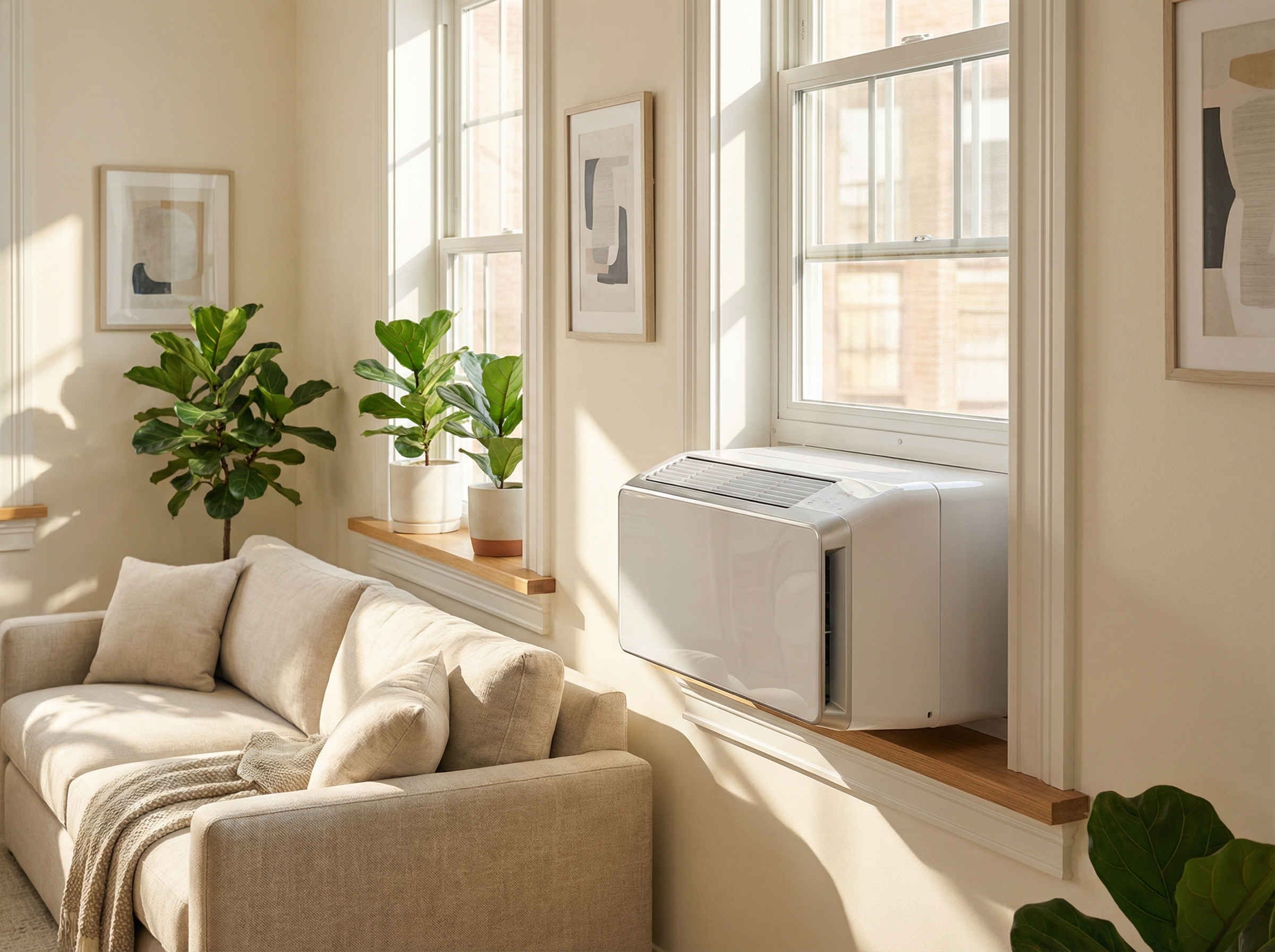
Most purchases cluster in late spring through summer, roughly May to August, with the sharpest surge in late spring to early summer, roughly May to June. That rush compresses supply, raises prices, and lengthens lead times for both equipment and installers. Regional climate shifts the curve. Tropical and hot humid areas show steady, baseline demand through the year with pronounced peaks as heat waves arrive. Temperate regions see a shorter, more concentrated summer spike, then a quick cooldown in activity. Plan around these cycles to find better selection, shorter waits, and a smoother replacement experience.
How Seasonal Demand Drives Prices, Stock Levels, and Installer Backlogs
When temperatures spike, buying behavior flips almost overnight. We see weather-triggered demand work like a sudden rush at the register: a heatwave pushes thousands of urgent replacements at once, so distributors allocate to active jobs first and popular tonnages sell out. That surge tightens inventory and pushes installers to capacity, which stretches lead times from days to weeks.
Price behavior tracks the same pressure. In peak summer, prices firm up and discounts narrow because crews are booked and homeowners prioritize speed over savings. Regional swings matter too. A hot spell in one market can clear local warehouses while neighboring regions stay stable. Retailers and distributors also plan promotions and model changeovers around these peaks, which affects what is actually available, not just what is advertised. The net effect is simple: weather pulls demand forward, inventory thins, installer backlogs grow, and the cost to buy and install rises until temperatures normalize.
Peak Buying Seasons: What Months to Watch and How Regions Differ
Shopping smart is mostly about timing. In colder northern climates, target late fall through winter for the best pricing and installer availability. Use spring (March to May) for new model promos, and avoid June through August if you can. In warm southern and western climates demand is steadier year round, but winter or early spring usually brings better deals and more flexible schedules, so upgrade before the first extended heatwave. In our experience at Budget Heating (BudgetHeating.com), the lowest stress installs happen when equipment is selected before demand ramps.
- Hot humid Gulf and Southeast: demand stays elevated April to October, humidity sustains calls, shop December to March.
- Hot dry Southwest: steady warm season demand with sharp heatwave spikes, plan in late winter or early spring.
- Cooler North and temperate regions: surges hit with the first big heat events, buy in winter or early spring.
Watch the forecast: even two hotter than normal days can trigger a local spike. Line up quotes and installation before those heat events. Spring model changeovers often bring closeout pricing on prior year inventory.
When Do Air Conditioners Go on Sale? Major Events, Typical Discounts and a Buying Calendar
Timing an AC purchase is like booking travel off peak: when demand drops, values improve. Here is the calendar we coach customers to use so you can plan with confidence.
- Winter clearance: The slowest season and usually the deepest cuts. Prior-year models and bundles are often reduced about 20% to 40% as inventory is cleared. In our experience at Budget Heating (BudgetHeating.com), this window also lines up with many utility and manufacturer incentives, so verify requirements such as SEER2 thresholds to stack savings.
- Spring promotions (March to May): New models arrive with promotional pricing, financing, and occasional bundle offers. Discounts are meaningful, typically not as deep as winter closeouts. State or federal incentives often remain active in this period.
- Peak summer: Mid-season demand is highest, discounts are limited, and heatwave purchases can bring longer lead times and higher effective costs.
- Fall and holidays: Labor Day and Black Friday or Cyber Monday can bring bundled deals and financing opportunities, but depth generally trails winter clearance levels.
To maximize value, pair off-season pricing with higher-efficiency equipment. The upfront deal plus lower operating costs over the next 15 to 20 years is where the real savings add up.
When an AC Upgrade Isn't the Best Move: Limitations, Tradeoffs, and Better Alternatives
We love efficient equipment, but some situations call for a different plan. Here are cases where replacing or upsizing is not the best move, plus smarter options.
- Very cold climates: Standard heat pumps lose capacity and often need backup below about 25 F. A gas furnace or a dual fuel setup (heat pump plus furnace) usually performs better and keeps utility costs predictable.
- Short home tenure: If you expect to move in a few years, a premium high-SEER system may not pay back in time. A reliable, near-minimum-efficiency model with correct sizing can be the better value.
- Small or temporary needs: For a studio, garage, or a one-season project, a window unit, portable AC, or a single-zone mini split often beats a full central replacement on cost and speed.
Common myths we routinely correct: summer is not the cheapest time to buy, it is peak demand. Higher SEER does not guarantee the lowest bills, climate, runtime, and installation quality matter. Bigger is not better, AC must fit the load like shoes fit your feet or it short cycles and misses humidity control. Skipping preseason maintenance is risky, a modest tune-up can prevent a mid-July failure.
Window Air Conditioners: Typical Sale Periods, Restock Patterns and What to Expect
In our experience, window AC pricing follows the season. The best markdowns show up in late summer and fall as retailers clear shelves after peak demand, with another round during winter clearance events. For availability, the answer to when will air conditioners be back in stock? usually tracks to spring, when retailers receive major replenishments ahead of the cooling season. During sudden heatwaves, popular window models can sell through quickly, and replenishment often takes longer, so shortages can linger until distributors resupply. Expect the widest model selection right after spring restocks, then tighter choices as heat spikes hit, with deeper discounts returning only once the season winds down.
Installation & Replacement Day: What to Check, Ask, and Expect
- Ask for documented commissioning: airflow, external static pressure, superheat and subcooling, verified charge, and a deep vacuum to ≤ 500 microns with a nitrogen purge and pressure test.
- Check quality basics: level pad, correct line set size and insulation, sealed duct connections, proper filter access, clean workmanship.
- Confirm condensate handling: trap, slope, drain pan, float or safety switch, plus a plan for humidity control and condensate protection.
- Clarify warranties and permits: what parts, compressor, and labor cover, who registers them, permits and inspections, and whether the line set is replaced or properly flushed and pressure tested.
- After install, register warranties promptly, keep manuals and AHRI numbers, record model and serials, and schedule a pre-summer startup check.
- In peak-season failures, consider temporary window, portable, or spot mini-split cooling while replacement is scheduled.
Off-Season Buying and the Homeowner Checklist: How to Buy Smart and Save
Planning in the off-season keeps choices open and schedules predictable. Use this checklist to line up the right system at the right time.
- Time it: Plan quotes and book in winter or early spring to avoid backlogs and surge pricing. In warm regions, move before extended hot spells.
- Prep the home: Seal air leaks and upgrade insulation in the attic, walls, windows, and doors before sizing. This often reduces required capacity and operating cost.
- Demand proper sizing: Insist on a room-by-room Manual J, not rule-of-thumb tonnage. Provide square footage, insulation details, window specs and orientation, and expected occupancy.
- Document conditions: List hot rooms, sun-exposed spaces, and any moisture issues to inform the load and system selection.
- Check ducts: Request a duct inspection and Manual D. Test for leakage and target total leakage under about 10 percent. Verify return air and register layout.
- Verify electrical: Confirm the panel and circuits can handle heat pumps or variable-speed equipment.
- Choose equipment: Match to climate. Hot-humid needs variable-speed or two-stage plus humidity control. Hot-dry favors high EER2. Mixed climates, consider heat pumps.
- Compare quotes: Get at least three written bids with model numbers, AHRI certificate numbers, itemized equipment and labor, pricing locked 30 to 60 days, and confirmed installation lead times.
SEER2, EER2 and Efficiency: What the New Standards Mean for Price and Performance
SEER and SEER2 describe seasonal cooling efficiency. SEER2 comes from a newer DOE test that better mirrors real operation, so SEER2 values are generally lower than legacy SEER for the same unit. Think of it as mpg measured in everyday traffic, not on a smooth test track. EER2 appears alongside SEER2 in some regions to preserve high temperature performance.
Since Jan 1, 2023, labels and minimums use SEER2, EER2 and HSPF2, which reshaped what models are sellable by region. Typical tiers:
- Entry level near code minimum, about 13.4 to 14.3 SEER2.
- Mid tier around 14 to 16 SEER, which is about 13.4 to 15 SEER2.
- Premium variable speed systems can exceed 20 SEER2.
Regional rules differ. Northern split-system minimum is about 13.4 SEER2. In the Southeast and Southwest, units under 45,000 Btu/h need about 14.3 SEER2, and 45,000 Btu/h or larger need about 13.8 SEER2. The Southwest adds EER2 backstops to maintain peak performance, for example 11.7 EER2 thresholds.
Heat pumps rose to about 14.3 SEER2 minimum, and many single packaged units rate near 13.4 SEER2. Efficiency gains reduce operating cost. A 20 SEER2 system can use roughly 40 to 45 percent less cooling energy than a 14 SEER2 unit, with one common comparison at about 43 percent less, which is a meaningful performance difference in hot climates.
Plan Ahead, Buy Smart: Your Seasonal Strategy for AC Purchases
AC demand is seasonal, so plan ahead and shop in fall or winter or early spring for better pricing, fuller selection, and easier scheduling. Avoid buying under heatwave pressure.
If you are weighing a replacement, use local climate and forecast to time the buy, choose efficiency that matches your weather and utility rates, insist on proper sizing and commissioning, and capture available rebates. With 30+ years in HVAC and 200,000+ orders, our U.S.-based team can help you lock in the right equipment at wholesale pricing made accessible. For pros, align inventory, staffing, and promotions with local demand peaks and SEER2 changeovers to lift forecasting accuracy and customer satisfaction.
- Get a Custom Quote: Collect 3 written bids with model and AHRI numbers, then request our quote and schedule a pre-season install window before the next heatwave.
- Talk to Our Team: Call our U.S.-based HVAC pros for sizing, selection, and rebate guidance.
- Shop Air Conditioners: Central ACs, heat pumps, and ductless from Goodman, Rheem, Bosch, and Gree, with free shipping on most orders and Affirm financing.
 Cooling
 Heating
 Learning Center
 Money Saving Tips
 Product and Brands Insights
 Buying Guides
 State by State
 HVAC Systems