




 learning center
 money saving tips
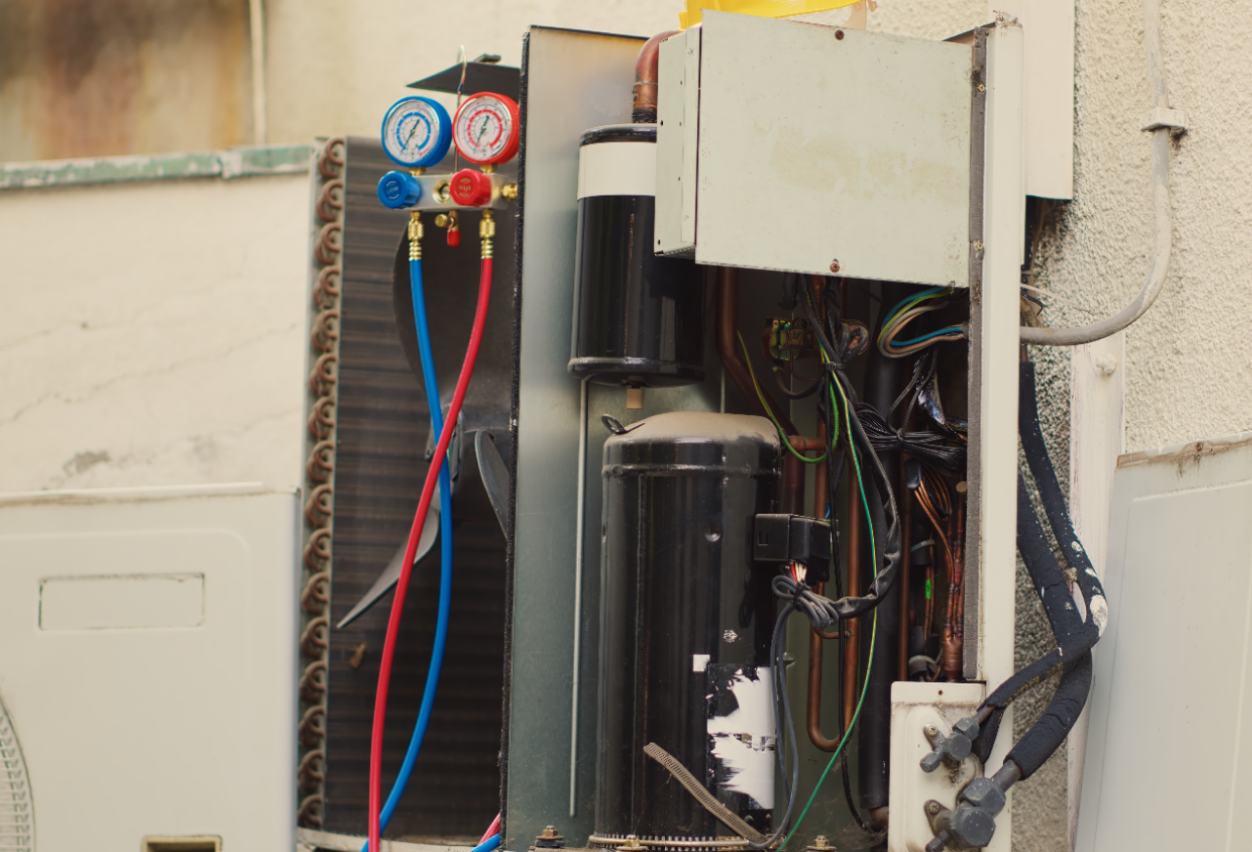
Inverter compressors are generally more efficient than traditional fixed-speed compressors used in air conditioning and heat pump systems. Here's why:
Variable Speed Operation
Inverter compressors can vary their speed based on the heating or cooling demand of the space they are conditioning. They can operate at different speeds, adjusting their output to match the required cooling or heating load more precisely. This flexibility allows them to operate at lower speeds when the demand is lower, which saves energy compared to fixed-speed compressors that operate at a constant speed regardless of the load.
Reduced Cycling
Traditional fixed-speed compressors turn on and off to maintain the desired temperature, which can lead to frequent cycling and energy wastage. Inverter compressors, on the other hand, can adjust their speed continuously, avoiding the need for frequent cycling. This results in more stable and efficient operation.
Improved Efficiency at Part Load
Inverter compressors are particularly efficient at part-load conditions, which is common in real-world applications. By adjusting their speed to match the actual cooling or heating demand, they can operate more efficiently than fixed-speed compressors, which may be oversized for the load and have to cycle on and off.
Energy Savings
The ability of inverter compressors to modulate their speed based on demand leads to significant energy savings compared to fixed-speed compressors. Studies have shown that inverter-driven systems can achieve energy savings of up to 30% or more compared to traditional systems, depending on factors such as climate, building design, and usage patterns.
Improved Comfort
Inverter compressors can provide more precise temperature control and better humidity control compared to fixed-speed compressors. Their ability to adjust output based on demand allows them to maintain more consistent indoor temperatures and avoid temperature fluctuations, leading to improved comfort for occupants.
Conclusion
Overall, inverter compressor ductless mini splits and split systems offer several advantages in terms of energy efficiency, comfort, and performance compared to traditional fixed-speed compressors, making them a popular choice for modern air conditioning and heat pump systems.
 Cooling
 Heating
 Product and Brands Insights
 Buying Guides
 State by State
 HVAC Systems