




Why Heat Pumps Are Becoming Mainstream: A Short Primer
In our three decades working on HVAC systems, we have watched heat pumps move from niche to mainstream. A heat pump uses refrigeration to move heat, not generate it. Picture a conveyor belt shifting warmth indoors in winter and outdoors in summer.
By transferring heat, they gain a core efficiency edge: for every unit of electricity, many systems move about 2 to 4 units of heat, depending on climate and design. That rise in performance is driving interest among homeowners aiming to cut bills or electrify.
Before comparing models, clarify your goals: whole home or room by room, bill reduction, electrification or emissions. Many homes are strong candidates, but the right setup is site specific and benefits from a tailored assessment.
How Heat Pumps Move Heat: The Refrigeration Cycle and Key Components
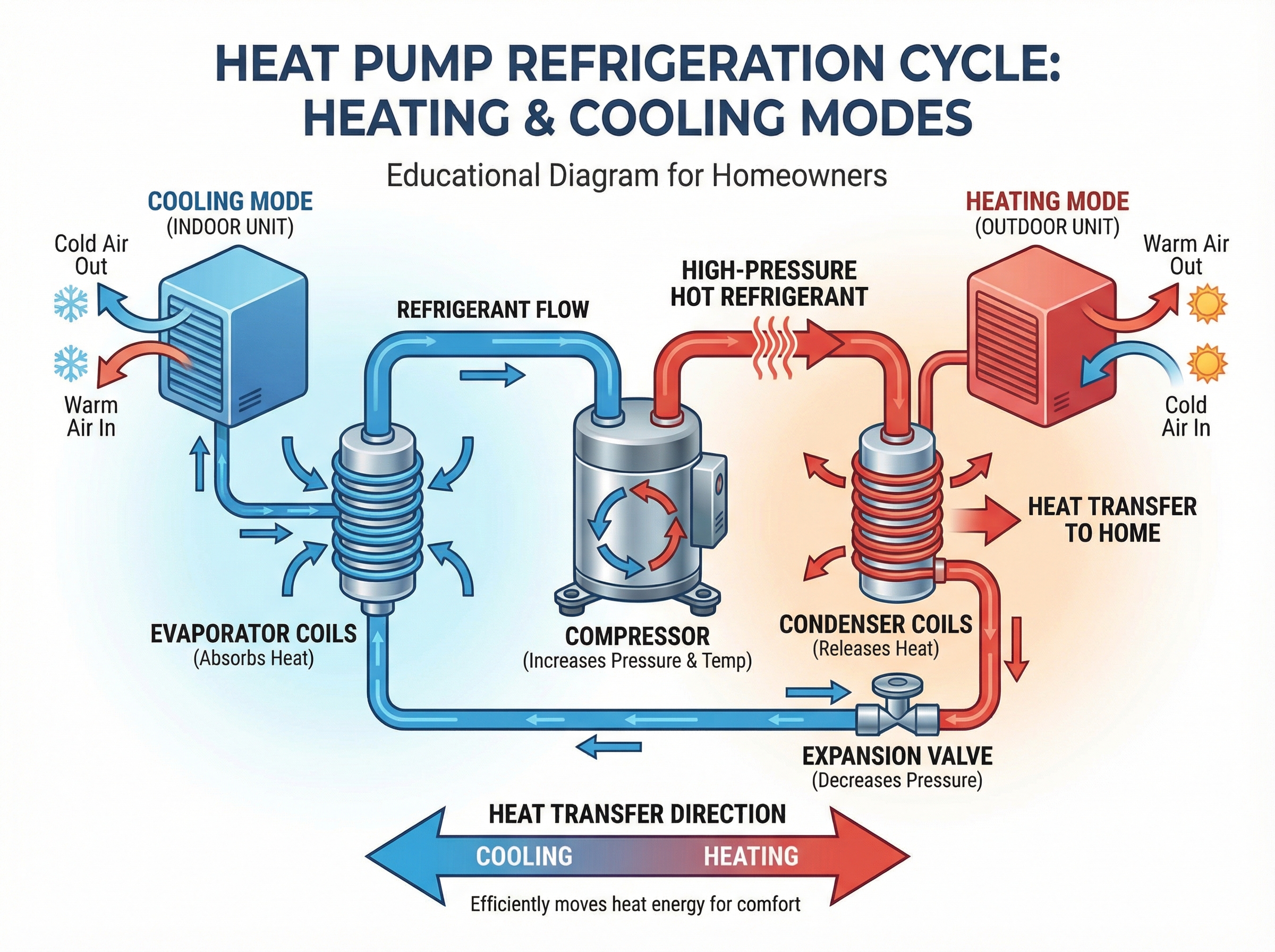
Heat pumps move heat by cycling refrigerant through evaporator and condenser coils rather than by burning fuel. In cooling mode, the indoor coil acts as the evaporator, the refrigerant boils at a low pressure and absorbs heat from indoor air. The compressor then squeezes the vapor, raising its temperature and pressure, so it can release that heat at the outdoor coil, which is acting as the condenser. The refrigerant returns to a lower pressure and the loop repeats. Think of the refrigerant as a shuttle that picks up heat inside and drops it outside.
In heating mode, a reversing valve changes the direction of refrigerant flow, so the outdoor coil becomes the evaporator, pulling heat from outdoor air, and the indoor coil becomes the condenser, delivering that heat indoors. The compressor remains the heart of the system, keeping refrigerant moving and at the needed pressures for each mode.
Modern inverter, variable speed compressors modulate output to match demand, avoiding wasteful on/off cycling and improving comfort and efficiency. By running longer at lower speeds, they hold steadier coil temperatures, reduce temperature swings, and curb the energy used during frequent restarts. In our field experience, that steadiness also tightens humidity control and keeps rooms feeling more even.

Heat Pump Types Compared: Air Source, Ground Source (Geothermal), Ductless Mini Splits and Hybrid Systems
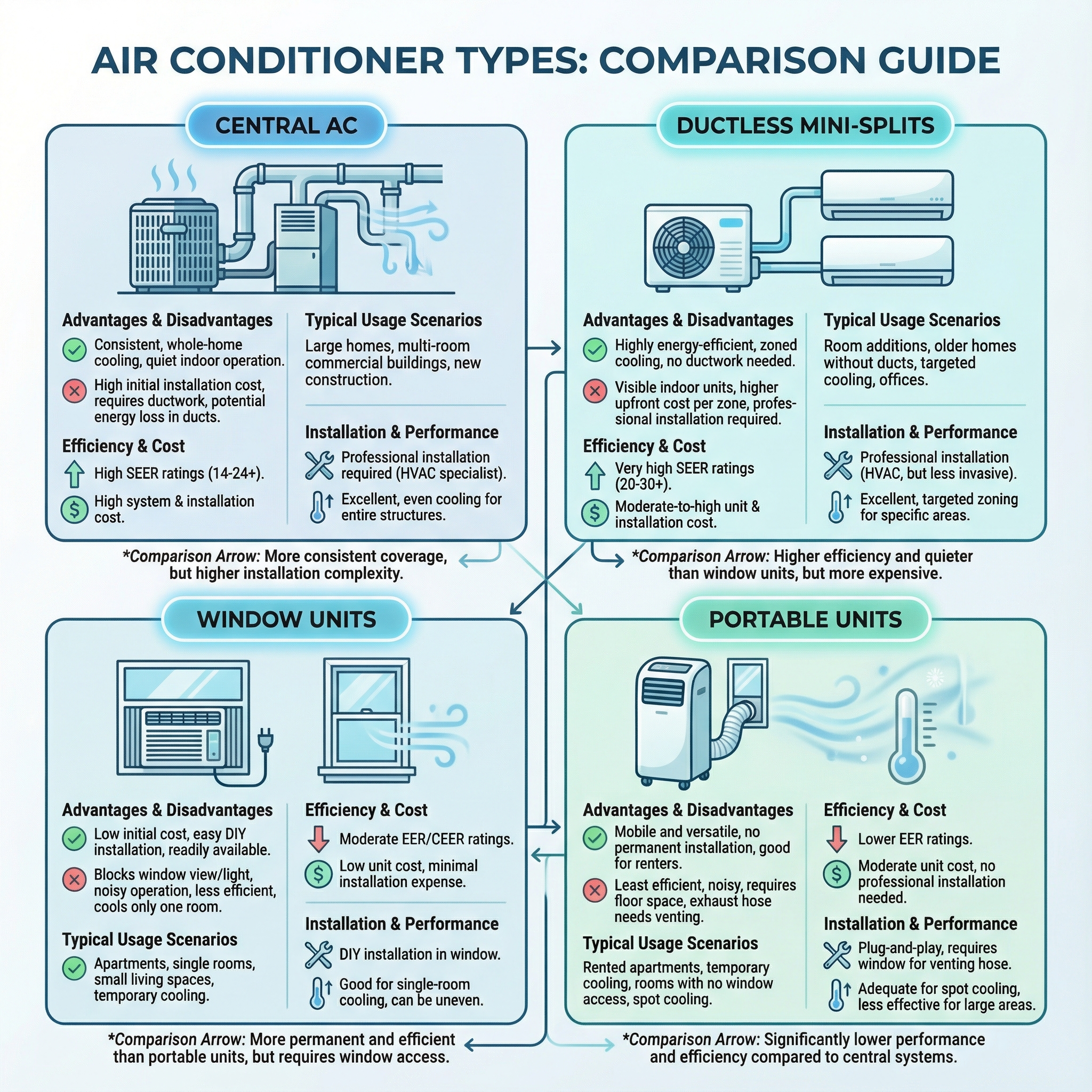
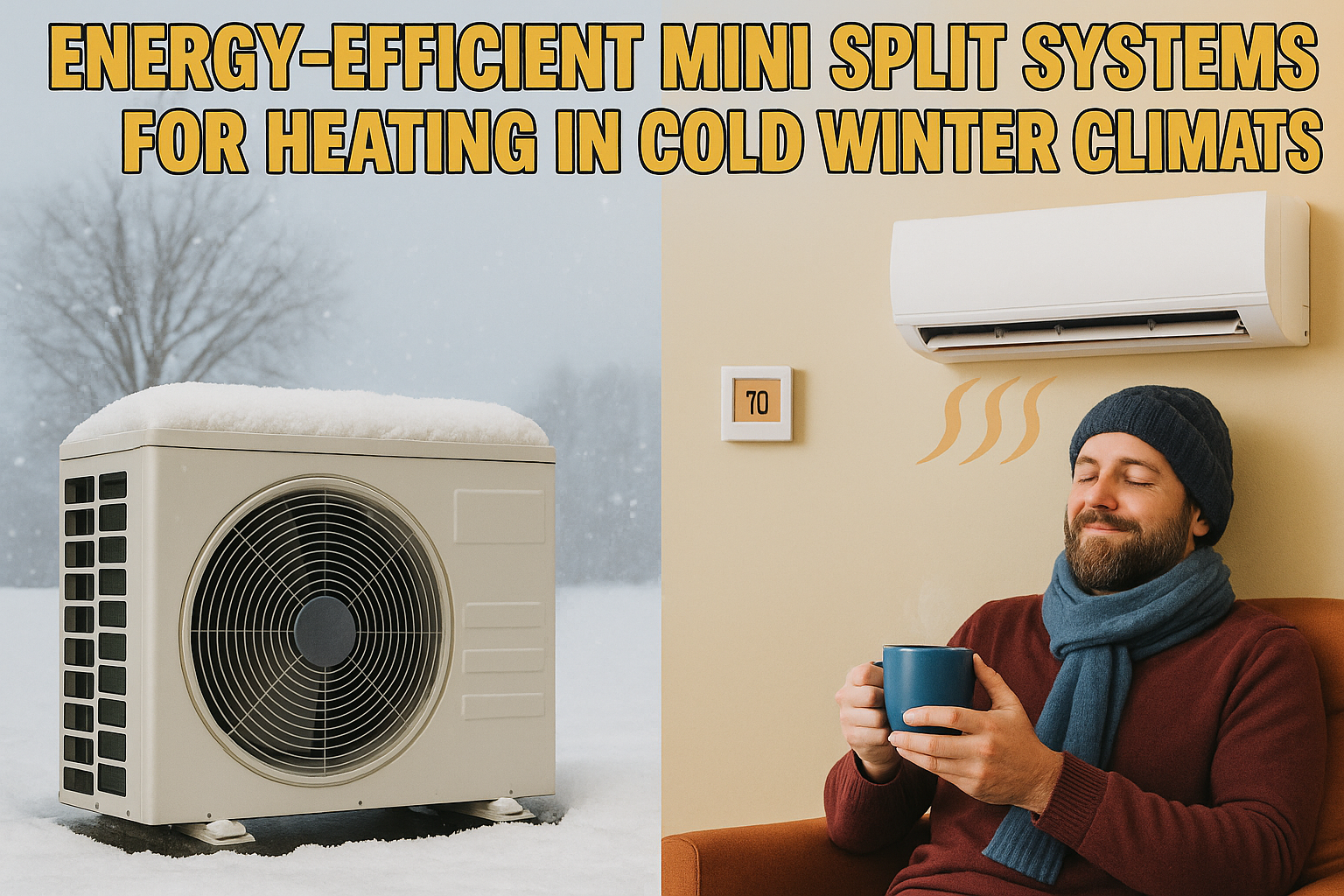
Air source heat pumps pair with existing ducts to heat and cool through registers. Modern cold climate models maintain output in colder regions where older units struggled. Ductless mini splits deliver the same heating and cooling without ductwork, ideal for additions, older homes, or zoned comfort, and they avoid expensive duct retrofits. Ground source, or geothermal, uses buried loops to pull steady ground heat, so it delivers very high efficiency, but installation is more complex and the upfront cost is substantially higher, best when you are committed to a long term stay or a new build. Hybrid, also called dual fuel, combines a heat pump with a gas or oil furnace, then switches during extreme cold, like engaging four wheel drive only when the road ices over. In our experience at Budget Heating (BudgetHeating.com), layout drives the choice: ducted homes fit air source, ductless shines where ducts are impractical, geothermal suits stable plans, and hybrid covers harsh winters.
When a Heat Pump May Not Be the Best Choice: Limits, Alternatives and Common Misconceptions
With decades of field work behind us, we see clear situations where a heat pump is a poor fit. In very cold climates, capacity and efficiency fall off as outdoor temps drop. Many standard models lose performance below roughly 25 F unless they are designed for low ambient operation. Think of it like a runner hitting a steep hill, progress slows. For long stretches of extreme cold, a modern high efficiency gas furnace, or another fuel system, may be the better primary heater.
- Backup heat requirements: Plan for electric heat strips or a dual fuel setup to cover extreme snaps, even with cold climate models.
- Electrical and budget constraints: Limited panel capacity or a tight upfront budget can make required electrical upgrades a deal breaker. In these cases, a gas furnace that uses existing utilities can be simpler.
- Insulation and sealing: Homes with air leaks or weak insulation will not see promised comfort or savings. Address the envelope first.
Common misconceptions: Heat pumps do work in cold weather when properly selected, and hybrid options bridge the gaps. Installation quality is critical. Poor duct sizing, refrigerant charge, and airflow can erase efficiency and comfort.
- Improve the house first
- Match the unit to your climate
- Verify electrical readiness before committing
The Installation Process: Sizing, Siting and What a Good Installer Does
In our field experience, the installs that perform best follow a simple sequence, like tailoring a suit to fit:
- Sizing and design: demand a written Manual J load calculation. Right sizing prevents short cycling, improves humidity control and preserves efficiency.
- Ducts and zoning: for ducted systems, have ducts checked for sizing, sealing and insulation. For ductless, confirm indoor head locations, line set lengths and zone coverage.
- Electrical preparation: verify panel amperage, breaker space and dedicated circuits, and budget for any upgrades.
- Outdoor unit and controls: pick an outdoor spot with clear airflow, service access and minimal noise impact. Discuss thermostat or app compatibility, backup heat lockouts and reasonable setback strategies.
- Commissioning and documentation: a pro verifies refrigerant charge against charts, checks airflow and static pressure, records performance, pulls permits and provides AHRI or equivalent performance documentation.
When vetting contractors, ask for recent similar installs, a sample commissioning checklist and the reports you will receive at handoff.
Why Homeowners Choose Heat Pumps: Efficiency, Lower Bills and Year Round Comfort
One system, all seasons: a heat pump heats in winter and cools in summer, so you avoid pairing a furnace with a separate AC. That can simplify choices, free up space, and often means fewer parts to maintain over the life of the home. Because heat pumps move heat rather than create it, they typically use far less energy than electric resistance heat and can outperform many fuel-burning systems on a site-energy basis. In our experience at Budget Heating (BudgetHeating.com), this often translates into lower utility bills compared with oil, propane, or baseboard heat, especially in moderate climates or with high-efficiency models.
Comfort improves too. Inverter, variable-speed units tend to run longer, steadier cycles, which keeps temperatures even, pulls extra humidity in cooling season, and keeps noise to a gentle background hum. Think of it like a dimmer switch instead of an on-off light switch. With no on-site combustion, heat pumps remove indoor carbon monoxide risk and help shrink a home's carbon footprint as the grid gets cleaner. The result is practical efficiency, quieter operation, and dependable year-round comfort from a single, well-matched system.
Heat Pump vs Furnace vs Central AC: Standards, Ratings and How to Compare
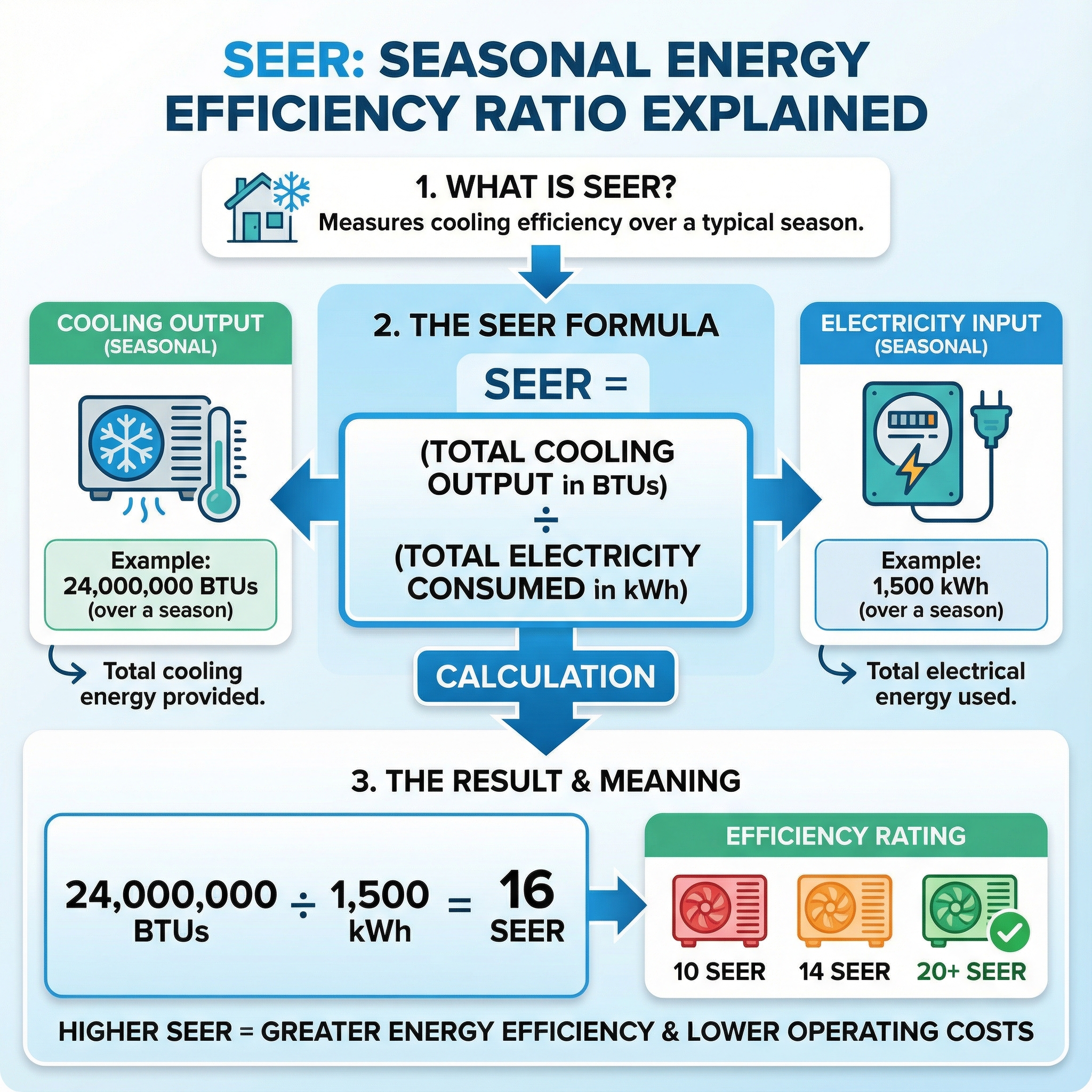
Smart comparison hinges on the labels. In 2023 the DOE shifted to SEER2, EER2 and HSPF2 and adopted the M1 test, which raises assumed external static pressure to mirror real ductwork. Manufacturers retested, so SEER2 and HSPF2 are the apples to apples yardsticks. Heat pumps follow a single nationwide minimum near 15 SEER (about 14.3 SEER2) with matching HSPF2 thresholds, though product availability varies by climate and standards. Use SEER2 for seasonal cooling efficiency, EER2 for peak days, and HSPF2 for heating. ENERGY STAR remains a quick screen for higher tiers.
- Compare local electricity and fuel prices.
- Request Manual J load calculations and multiple quotes.
- Evaluate simple payback and full lifecycle cost, not just first price.
Maintenance, Lifespan and Performance Over Time: Protecting Your Investment
Routine care keeps a heat pump efficient over the long haul. Treat it like brushing your teeth. Indoors, follow the manufacturer's filter schedule and book periodic professional tune ups to verify refrigerant levels, tighten electrical connections and confirm defrost controls. Outdoors, keep clear airflow around the unit, manage snow and set it on a sturdy pad or stand so drainage runs away from the structure. Use proper electrical protection with a code compliant disconnect. Direct condensate to a safe drain path to avoid moisture issues. Set a simple checklist, filter care plus clearances plus annual or biennial service. Electric heat pumps avoid combustion hazards, yet suspected refrigerant leaks or major performance issues belong with licensed technicians.
Incentives, Tax Credits and Rebates: How to Reduce Upfront Cost
Many areas now offer stacked incentives for heat pumps: tax credits, utility rebates and local programs. In our experience this often changes the economics, but amounts vary widely by location. Plan the paperwork before purchase so nothing is missed. Verify eligibility rules and required efficiency ratings, then collect proof as you go. For current installation price ranges and incentive amounts, contractors and program portals are the best sources.
- Permit and final inspection sign-off
- AHRI matched-system certificate
- Installer and utility rebate forms
- Itemized invoice with model and serial numbers
Is a Heat Pump Right for Your Home? A Short Decision Checklist and Next Steps
Heat pumps heat and cool, run far more efficiently than resistance electric heat, can cut operating carbon emissions as grids clean up, and are increasingly cost competitive with incentives. The right choice is site specific.
Many homes are good candidates, yet results hinge on climate, ductwork, insulation, electrical capacity and available incentives, so a tailored assessment matters.
Next steps: check local electricity and fuel prices, request a Manual J load and a few quotes, verify rebates and tax credits, weigh simple payback and lifecycle cost, and use a qualified installer for commissioning. Our U.S.-based team has 30 plus years and 200,000 orders of real-world experience, and we can size, quote and help you compare options.
- Get a Custom Quote
- Talk to Our Team by phone for real technical guidance
- Shop Heat Pumps, wholesale pricing, many models ship free and offer Affirm financing