



 HVAC maintenance
What to Do When a Furnace Shows a Limit Switch Error Code
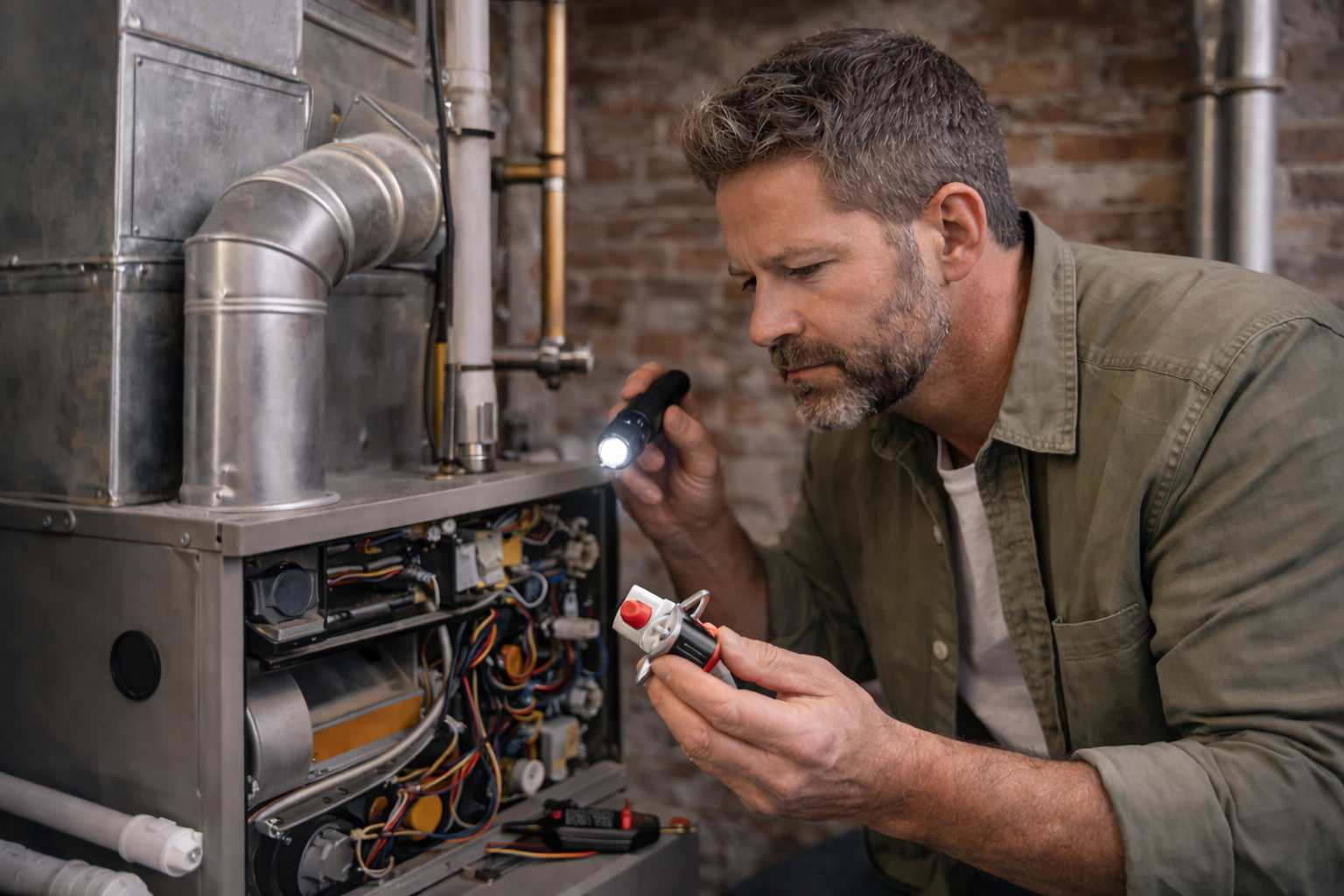
Seeing a furnace limit switch error code is a safety alert. The limit switch is a temperature guardian, like a circuit breaker for heat, that opens when the furnace cabinet runs too hot. Most of the time heat buildup traces to airflow problems or a malfunctioning part. We see this triggered most by clogged filters, blocked return or supply vents, or a blower that is not moving enough air. If it is ignored, the furnace may short cycle or shut down, energy use climbs as the unit struggles to recover, indoor air quality drops when dust and debris choke airflow, and repeated high temperatures can shorten component life.
This guide sets clear expectations: you will learn what the limit switch does and why the code appears, the common causes to check first, safe steps a homeowner can take, what not to attempt, when to involve a licensed technician, and how routine maintenance reduces repeat trips. The aim is to help you stabilize comfort, protect the equipment, and keep operating costs in check while staying safe.
Quick Overview: What a �Limit Switch Error' Actually Means
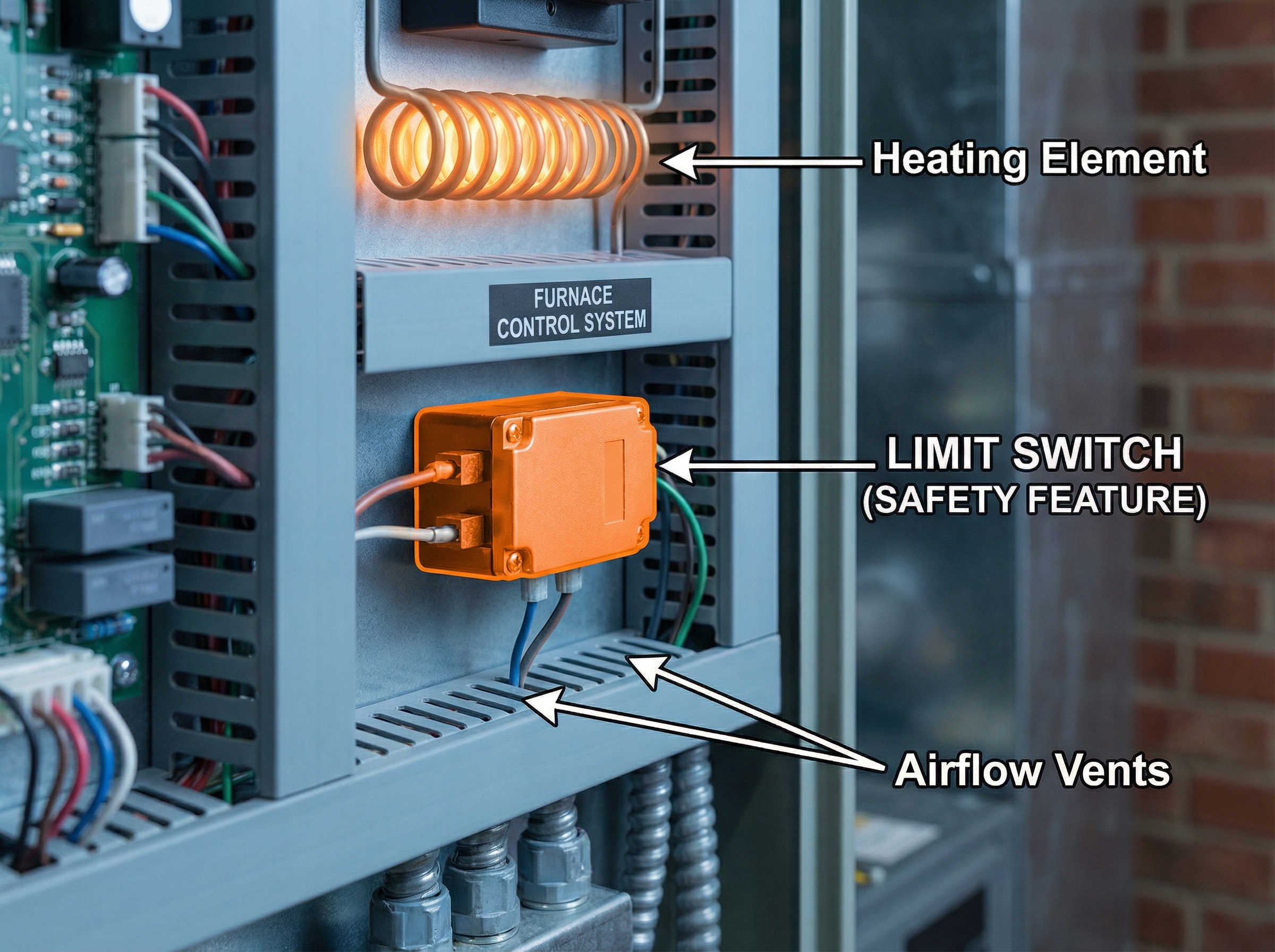
The limit switch is a temperature safety that watches the heat inside the furnace. When the internal temperature rises beyond its set point, it opens the circuit and shuts the burner, like a circuit breaker for heat. That stops overheating, reduces fire risk, and protects the heat exchanger, so the code is a safety alert, not a nuisance.
Why it happens: Most often airflow restriction. We trace trips to a clogged filter, closed or blocked vents, obstructed returns, or dust on the blower or coil. Other causes include a weak blower, dirt buildup, or a failing switch or loose wiring.
What to do now:
- Turn the furnace off and let it cool.
- Replace a dirty filter.
- Open supply and return vents, clear obstructions around the furnace.
- Do not bypass the switch.
- If locked out, after cooling, try one power cycle. Repeats mean a deeper fault.
If airflow fixes do not hold, the issue may involve blower speed, additional safety limits, or venting, and prompt attention protects parts and restores efficient, steady heat.
Safety First: Power Off, Gas/Electric Precautions, and PPE
If your furnace shows a limit or rollout code, make it safe first: turn the furnace off at the service switch and at the breaker, then let it cool completely. This prevents burns and keeps the unit from restarting while hot.
- Replace a dirty air filter. Open all supply registers and return grilles, and clear clutter around the furnace and returns. In our experience at Budget Heating (BudgetHeating.com), restricted airflow is the most common trigger for these codes.
- Note the exact error code or LED blink pattern and check the owner's manual or the chart inside the panel to confirm what it indicates.
- With power off, make sure the blower door is fully seated so the door switch is engaged. Look for crushed or kinked flex duct you can see without disassembly.
- If the manual allows, press a manual high limit or rollout reset once only, after full cool down and with power off. Restore power and observe. If it trips again, stop.
- Never bypass or jumper limit or rollout switches.
- Do not open sealed combustion areas, disassemble burners, or open any refrigerant circuits.
- If you smell gas, notice burning odors, soot, or scorch marks, leave the unit off and call a pro or your gas utility.
- Persistent trips or suspected electrical, blower, inducer, pressure, board, or wiring issues require a licensed technician. Component replacements should be professional.
For prevention, change filters every 1 to 3 months, schedule annual HVAC service, and on high efficiency models, visually check outdoor intake and exhaust pipes for safe-to-clear debris.
Common Myths, Mistakes, and When DIY Is Not a Good Idea
One of the biggest misconceptions is blaming the limit switch as soon as an open-limit code appears. Most trips trace back to airflow problems: dirty filters, blocked returns or supplies, or a dirty blower and heat-exchanger. Repeated power resets do not cure overheating and can be unsafe. Do not replace the primary limit until you restore airflow and confirm normal temperature rise. Another oversight is ignoring other safeties in series. Furnaces often wire auxiliary limits and rollout switches in a chain, like old holiday lights, so any one opening will stop the furnace with the same fault. Never bypass or jumper a safety to keep heat running. That can create fire or carbon monoxide hazards. Cleaning or bending a limit will not prevent future trips if heat or airflow is wrong.
- Stop DIY if the fault returns after airflow is restored and the primary limit tests good. Other safeties or combustion issues need proper diagnosis.
- Model-specific board codes, wiring checks, blower speed selection, and setup verification belong to a qualified technician.
- If you feel compelled to keep resetting, pause. Recurring trips signal an unresolved cause, not a bad switch.
Typical Costs, Savings and What Replacing a Limit Switch Usually Involves
In our experience, correcting a furnace limit switch error is often straightforward. A failed high-limit switch typically costs about $100-$250 installed, depending on the furnace layout and local labor. Prompt attention matters: persistent overheating can crack the heat exchanger, a $1,000-$2,000 repair. Because many trips stem from airflow problems such as a dirty filter or blocked vents, the visit usually includes confirming airflow, replacing the switch if needed, and verifying normal operation. Early fixes and routine maintenance, especially timely filter changes, are low-cost steps that prevent repeat trips and extend component life.
Step by Step Home Checks: Replace Filters, Verify Vents, and Inspect the Blower
- Safety first: power off at the service switch and breaker, let the furnace cool 10 to 30 minutes. Do not reset repeatedly or bypass any safety.
- Restore airflow: replace the filter with the correct size and type, open all supply and return grilles, and look for crushed, kinked, or disconnected ducts.
- Blower, no disassembly: latch the blower door. On a heat call, confirm strong airflow at the registers. If the blower does not start, is weak, or sounds rough, shut down and call a pro. In our experience at Budget Heating (BudgetHeating.com), many trips trace to clogged filters.
- Combustion air and venting: do not block louvered doors or room grilles. Outside, clear safe to reach debris from intake and exhaust terminations.
- Limit or rollout reset: after fixes and cooling, if your model provides a homeowner reset, press it once. If it trips again, stop using the furnace.
- Power off glance: wiring to limit and rollout switches should look intact, attached, and undamaged. Do not remove or splice.
- Power up and test: restore power, call for heat, watch the sequence, inducer, ignition, flame, blower. Confirm normal airflow and that the code clears.
- Stop and call a licensed HVAC technician if the code returns, a rollout or auxiliary limit tripped, the blower is weak or noisy, you smell overheating, see soot or scorch, or notice flue blockage or any combustion concern.
- Ask your technician to check temperature rise against the nameplate, measure static pressure and airflow and sizing, clean the blower wheel and set motor speeds, verify combustion air and vent sizing, and test all limits, rollouts, wiring, and the control board.
Regional Rules & Why Airflow Standards Matter for Modern Furnaces
Since 2023, the M1 test and SEER2 era raised the bar on field performance: indoor blowers must move air at higher, realistic static pressures. That links furnace safety to correct matching, duct sizing, and blower setup. If airflow is low, heat piles up at the heat exchanger and the limit opens, like traffic when a lane closes. Regional efficiency rules vary by climate, and some areas require field installed TXVs. In our experience, a post 2023 limit trip review should confirm the furnace or air handler is properly matched to the outdoor unit, verify airflow setpoints, confirm required components where mandated, and measure total external static against design. Licensed pros handle code compliant repairs; homeowners should stick to filters and open vents.
SEER2, Airflow and the Hidden Link Between Cooling Rules and Furnace Overheats
SEER and SEER2 are cooling efficiency ratings, like miles per gallon: higher numbers mean the same comfort with less power. Since 2023, DOE's M1 rules moved ratings to SEER2 and set higher minimums, and equipment is now validated at specific airflow under realistic static pressure. That ties efficiency directly to the ductwork and the shared blower. In the field, the same airflow restrictions that trip a furnace's limit also knock a matched AC or heat pump off its rated SEER2. Restore airflow and both sides benefit: the furnace runs cooler and summer bills drop, often 15 to 30% when replacing older SEER 10 to 13 units.
- Match indoor and outdoor components and size ducts for required airflow.
- Verify blower setup meets manufacturer airflow under actual static pressure.
Summary for RV Owners and Other Special Cases
RV furnaces and other non-standard setups call for a different playbook. In our experience, thermostat bypass methods that work at home can behave differently in RVs, and homeowner steps are more limited. Use the model manual and the RV manufacturer guidance. Many RV units place the limit switch and access in different spots, so forcing resets or jumping terminals can create new faults. If you smell gas, see flame rollout, or the safety trips repeatedly, stop and have an RV technician perform combustion and safety checks after power is secured.
Wrap Up: Don't Ignore a Limit Switch Error, Protect Safety and Avoid Costly Repairs
A limit switch trip is your furnace telling you temperatures went past the safe range. Treat it as a safety event, not a nuisance. Basic airflow fixes can help, but if the fault returns or warning signs appear, stop there and protect the home.
Repeated overheating is hard on the heat exchanger. That sealed metal chamber can warp or crack, which risks carbon monoxide entering the airstream and can turn a simple repair into a multi thousand dollar replacement. The limit switch is doing its job to prevent exactly that.
Call a professional if the error persists after a fresh filter and open vents, if the unit short cycles, the blower will not start, you see soot or scorch, or you notice strong burning odors. Do not bypass safeties. A licensed tech will verify temperature rise, static pressure and airflow, inspect the blower, ductwork, burners, heat exchanger and safeties, then correct the root cause.
When it is time to repair or replace, our team can match the right equipment and parts, and make sure airflow and temperature rise specs are on target.
- Get a Custom Quote: factory authorized, wholesale pricing, free shipping on most orders, financing with Affirm.
- Talk to Our Team: U.S.-based phone support from technicians with decades of hands on experience.
- Shop Furnaces and Safety Controls: burners, blowers, limit switches and more at BudgetHeating.com.
 Cooling
 Heating
 Learning Center
 Money Saving Tips
 Product and Brands Insights
 Buying Guides
 State by State
 HVAC Systems