




Why Choosing an Energy-Efficient Heating System in 2026 Matters
In 2026, upgrading heating is about comfort, lower bills, better indoor air quality, and smaller emissions. From what we see after 30+ years in HVAC, the biggest shift is the rise of modern heat pumps. Air-source units, ductless mini-splits, and geothermal systems (ground-source) now lead for efficiency and often replace or supplement furnaces and boilers.
The reason is simple: heat transfer beats heat generation. A heat pump moves heat from outdoors to indoors, like an elevator moving people instead of creating them. That physics advantage yields a coefficient of performance above 1, often 2 to 3, so you get more heat per unit of electricity than resistance heat or combustion. Judge real-world efficiency with seasonal metrics: HSPF or the updated HSPF2 for heating, SEER or SEER2 for cooling, and COP across temperatures, not a single lab point.
Results still depend on the house. Tighten the building shell with air sealing and insulation, seal and insulate ducts or go ductless, and add smart controls. These steps lock in comfort, extend equipment life, and trim operating cost.
Quick Summary: The Top Energy Efficient Heating Options for 2026
Electrified heat pumps are the efficiency leaders for 2026. Practical options, ranked:
- Ground-source heat pumps: highest seasonal efficiency, stable in severe cold.
- Cold-climate air-source, including premium ductless: strong low-temp output with inverter control.
- Hybrid heat pump plus condensing fossil: bridges subzero peaks or limited electrical capacity.
- Condensing boilers or furnaces: efficient where hydronic or ducted systems already exist.
- Biomass, district, or solar-assisted: niche, site dependent.
- Electric resistance: simplest, least efficient.
Top homeowner actions:
- Prioritize inverter-driven heat pumps meeting DOE regional minimums and ENERGY STAR Most Efficient.
- Pair upgrades with air sealing, insulation, and duct improvements.
- Insist on high-quality installation and full commissioning.
Comparing Costs, Savings and Payback in 2026
Installed costs in 2026: premium inverter whole home heat pumps $7,000 to $13,000; ductless mini splits $3,000 to $5,000 single zone and $8,000 to $15,000 multi zone. Geothermal has higher upfronts for equipment and ground loops, but very low operating cost.
- Operating cost: modern heat pumps can use up to ~75% less electricity than resistance heat. Geothermal and high performance air source show substantial annual savings versus conventional systems in project estimates. In our experience at Budget Heating (BudgetHeating.com), those results hold when systems are sized and commissioned correctly.
- Payback: driven by fuel prices, incentives, system quality, and how long you will own the home. Geothermal favors long horizons and incentive rich areas. Ductless and other air source options fit many retrofit timelines.
- Boost the math: sealing and insulating accessible ducts can lift delivered efficiency by roughly 20%, which compounds any equipment gains.
Top Option: Air Source Heat Pumps in 2026 (Including Cold Climate Models)
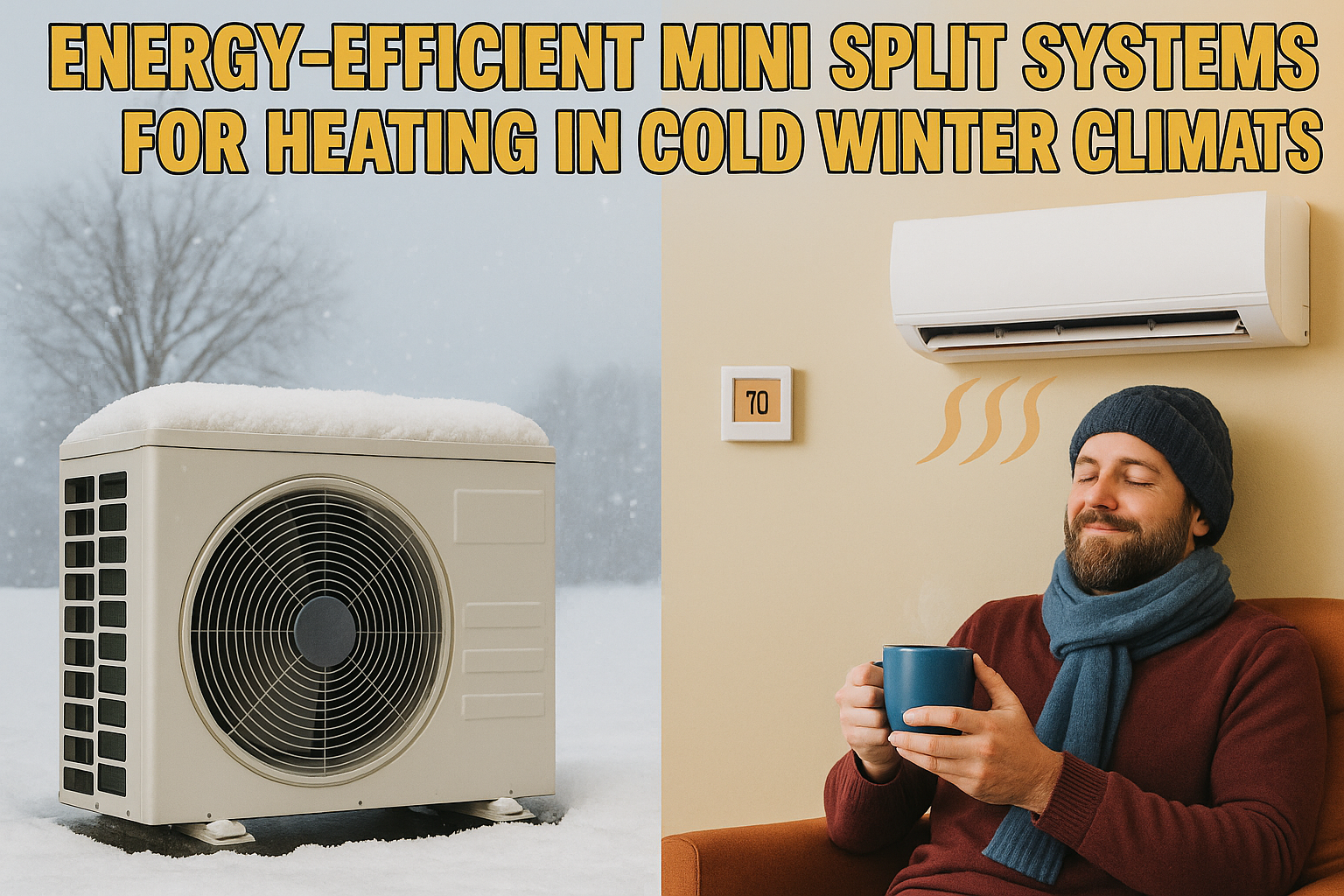
Air source heat pumps provide heating and cooling in one system, with a lower upfront cost than geothermal. In our field experience, modern units are a practical fit for most homes. Compared with electric resistance heat, they typically use up to ~75% less electricity because they move heat instead of generating it. For moderate regions, that means efficient year round comfort. For colder regions, cold climate models make the difference.
Cold climate air source heat pumps are engineered to hold capacity as outdoor temperatures fall and can operate effectively into sub zero conditions when properly selected and sized. Getting the install right matters: match the unit to the home's load, confirm ducts are sealed and balanced, and set airflow correctly. Inverter or variable speed systems act like cruise control, easing up and ramping down to maintain steady temperatures, better part load efficiency, and quieter operation.
When a Heat Pump May Not Be the Best Choice: Tradeoffs, Myths and Better Alternatives
From decades in the field, we see limits. In persistent subzero climates, capacity drops, so plan backup heat: a dual fuel hybrid with a condensing furnace, or staged electric strips used sparingly since resistance heat has a COP about 1. If payback must be very short, or budgets are tight, a high efficiency furnace in fuel regions or targeted ductless rooms can beat a full geothermal project. Geothermal also falters where land is scarce or drilling is restricted, making high performance air source or ductless better choices.
Common mistakes: closing vents, oversizing that short cycles, leaving the fan On, extreme setpoints, skipping maintenance, and chasing ratings while ignoring insulation and ducts.
How to Evaluate Systems: SEER2, HSPF2, AFUE and COP Explained (2026 Guide)
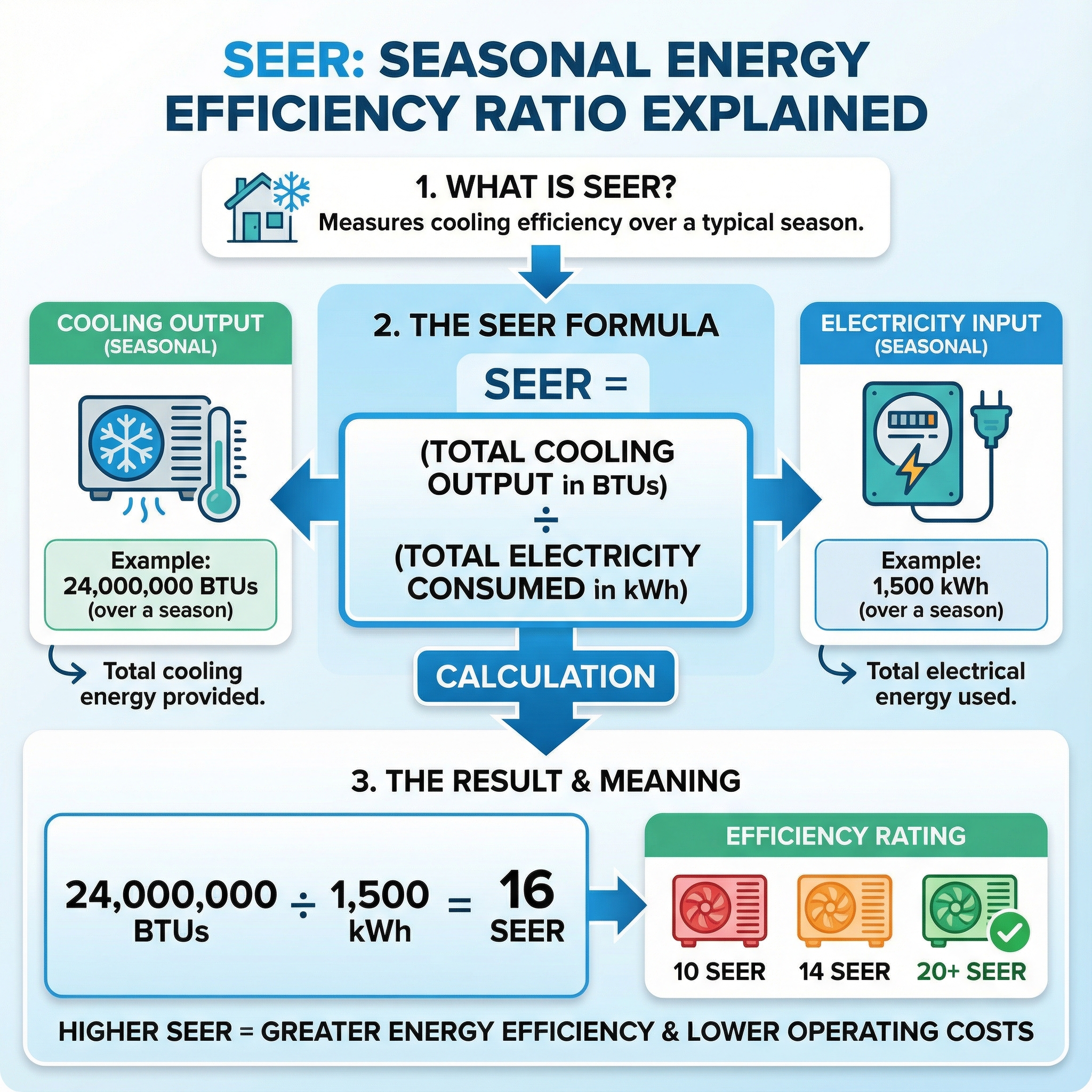
Think of efficiency ratings like miles per gallon for HVAC. SEER and SEER2 measure seasonal cooling efficiency, with SEER2 using a newer, more realistic test so numbers run slightly lower than legacy SEER. HSPF and HSPF2 cover seasonal heating for heat pumps. COP is instantaneous heating efficiency, and AFUE is the combustion efficiency percentage for furnaces and boilers.
2026 DOE minimums remain regional. For split heat pumps the nationwide floor is about 15 SEER or 14.3 SEER2, with an HSPF minimum, while central AC and heat pump thresholds vary by region, so follow local DOE guidance. ENERGY STAR Most Efficient 2026 sets higher bars for split heat pumps: SEER2 ≥ 16.0, EER2 ≥ 11.0, HSPF2 ≥ 8.0, often unlocking bigger incentives.
Higher ratings cut bills proportionally. Moving from 14 SEER to 20 SEER trims cooling energy roughly 30 percent. Higher HSPF2 lowers seasonal heating use the same way. Premium ductless and inverter heat pumps commonly reach SEER2 20-24 and HSPF2 10-12. Geothermal systems typically deliver COP 3-5.
In our experience at Budget Heating (BudgetHeating.com), match ratings to climate and run time. Cold climates favor higher HSPF2 or COP, long cooling seasons reward higher SEER2 and solid EER2.
Top Option: Ground-Source (Geothermal) Heat Pumps: Pros, Cons and Installation Notes
From decades in the field, we have seen geothermal act like comfort cruise control, using stable ground temperatures for steady output that ignores outdoor swings. Upfront costs are higher due to drilling or trenching, but operating costs stay low, with solid long term payback when incentives and long ownership align. It suits sites with loop space and owners planning to stay. Indoor components often last 25+ years, and ground loops can reach 50+ years.
Installation and commissioning are make or break. Require:
- Manual J load calculation and Manual S equipment selection
- Duct testing and verified airflow targets
- A written commissioning report
Maintenance: keep loop areas accessible and change filters or clean coils on schedule. Licensed pros should handle refrigerant, electrical, and any gas work, plus annual tune ups with commissioning checks to maintain safety and peak efficiency.
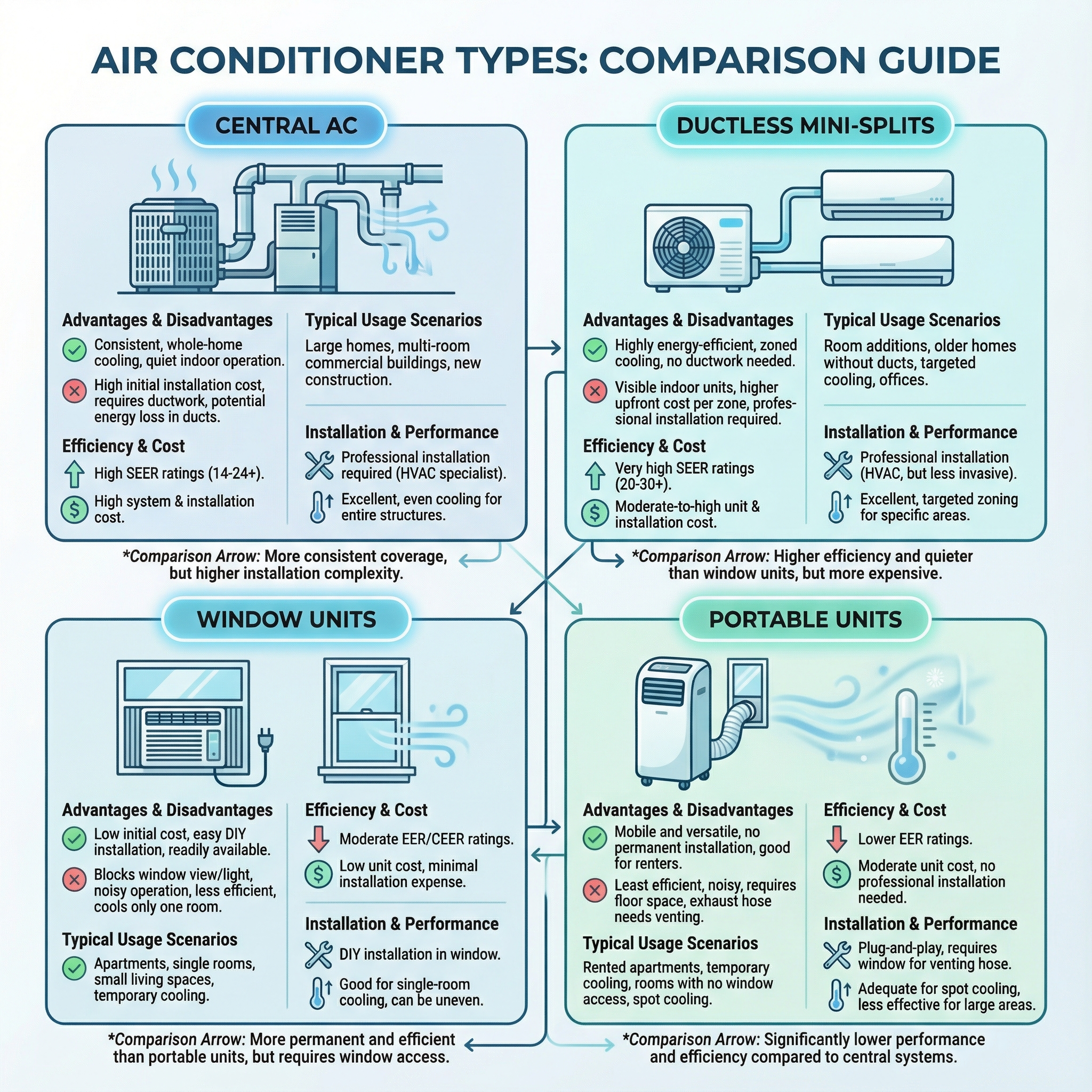
Ductless Mini Splits: Efficient Retrofits, Flexible Zoning and Avoiding Duct Losses
Ductless mini splits shine in retrofits because they skip ducts and deliver conditioned air right in the room. That avoids common duct losses, often about 20 to 30 percent in leaky, uninsulated systems. With room by room indoor heads, you get quiet, flexible zoning for additions and targeted comfort. Deployed strategically, they reduce overall heating and cooling energy use compared with inefficient ducted systems, especially where older ducts leak or when replacing electric resistance heat.

Niche & Complementary Solutions: Radiant, Solar Assisted, Biomass and Roof Heating Cables
From our field experience, niche options are like specialty tools, best when the job fits. Radiant and other hydronic floors work efficiently with low temperature sources such as heat pumps or condensing boilers, often in new builds or targeted retrofits. Solar thermal can trim auxiliary heat beside a heat pump where roof orientation and sun are favorable. Biomass or district heat can lower carbon where fuel or piping exist, but expect storage and more hands on operation. Roof heating cables manage roof and walkway ice, not space heating.


Summary: Choosing the Most Energy-Efficient Heating Option for Your Home in 2026 - Next Steps
Choose a right-sized inverter heat pump that exceeds DOE regional minimums, paired with envelope and duct upgrades plus careful commissioning and smart controls. We know this is a big decision, and with 30+ years in HVAC we can help compare options and connect certified installers for Manual J, S, and D.
Next steps: get multiple quotes listing model numbers, SEER2 or HSPF2, low temp performance, scope and warranties. Collect AHRI certificates and permits for incentives, ask for a commissioning report, and plan annual maintenance.
- Get a Custom Quote: AHRI-matched options for your home.
- Talk to Our Team: U.S.-based phone support.
- Shop Heat Pumps: Inverter models at wholesale pricing.
- Check Incentives: We help with rebate paperwork.