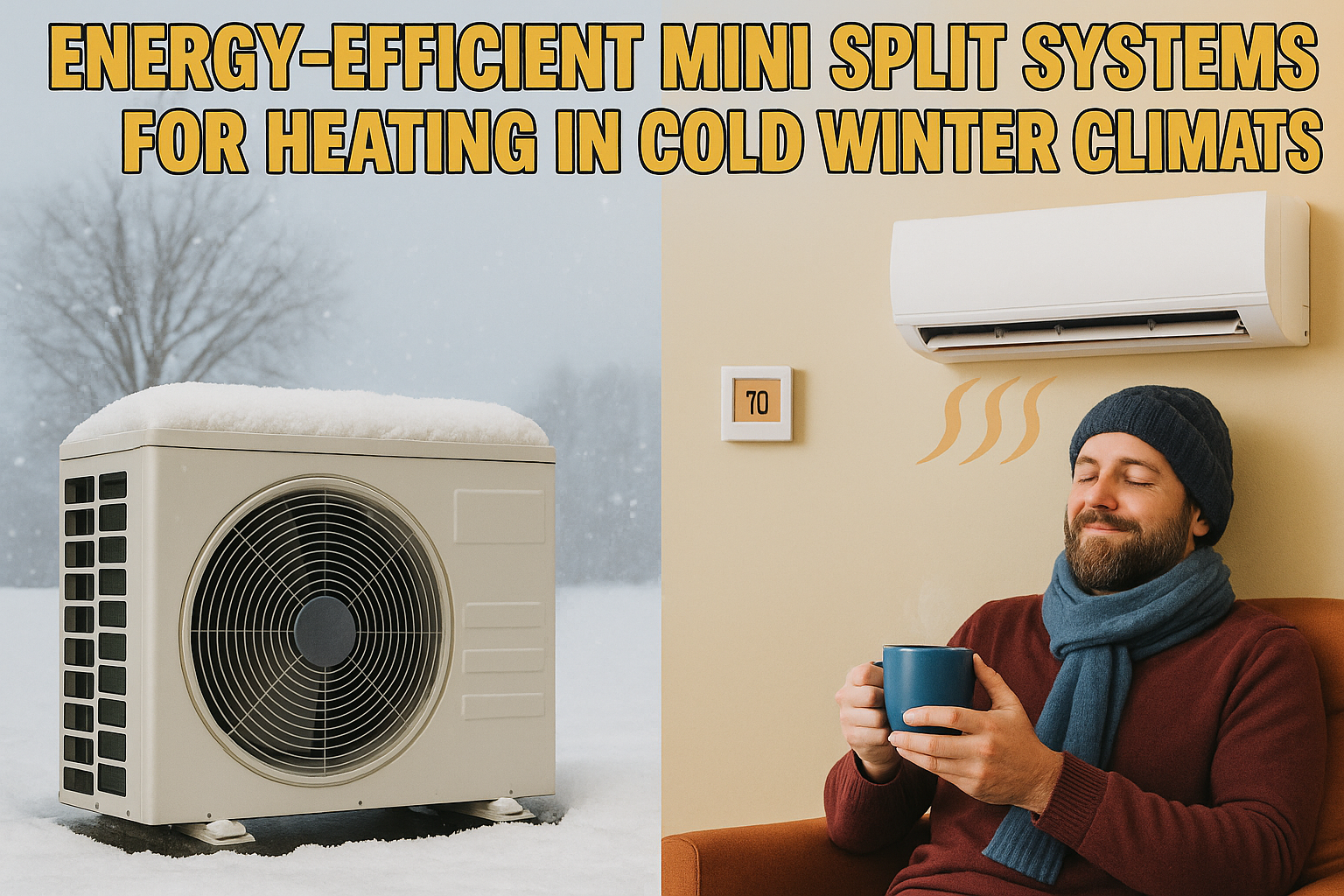





The Most Energy Efficient Air Conditioners You Can Buy Today
Energy costs and summer heat are rising, so high efficiency matters more than ever. In this guide we cut through the jargon and show what separates today's top performers from the pack, how to read SEER2, and what kind of savings you can realistically expect.
From what we support every day and see in the field, the leaders are high SEER2, variable speed systems. Instead of blasting on and off, they modulate, matching output to your home's exact need. Think of it like cruise control that gently adds or trims power to hold a steady speed, which delivers steadier temperatures and less wasted energy.
Across major lines you will see central ACs rated roughly 16 to 26 SEER2. Choosing on the higher end typically delivers lifetime energy savings of about 20 to 40 percent compared with standard units, while improving comfort through more precise control.
We will focus on the key spec that matters, SEER2, and why variable speed, inverter style compressors earn their score in real homes. By the end you will know what range fits your priorities and how that translates into day to day comfort.
How Efficiency Is Measured: SEER2, EER2 and HSPF2 Explained
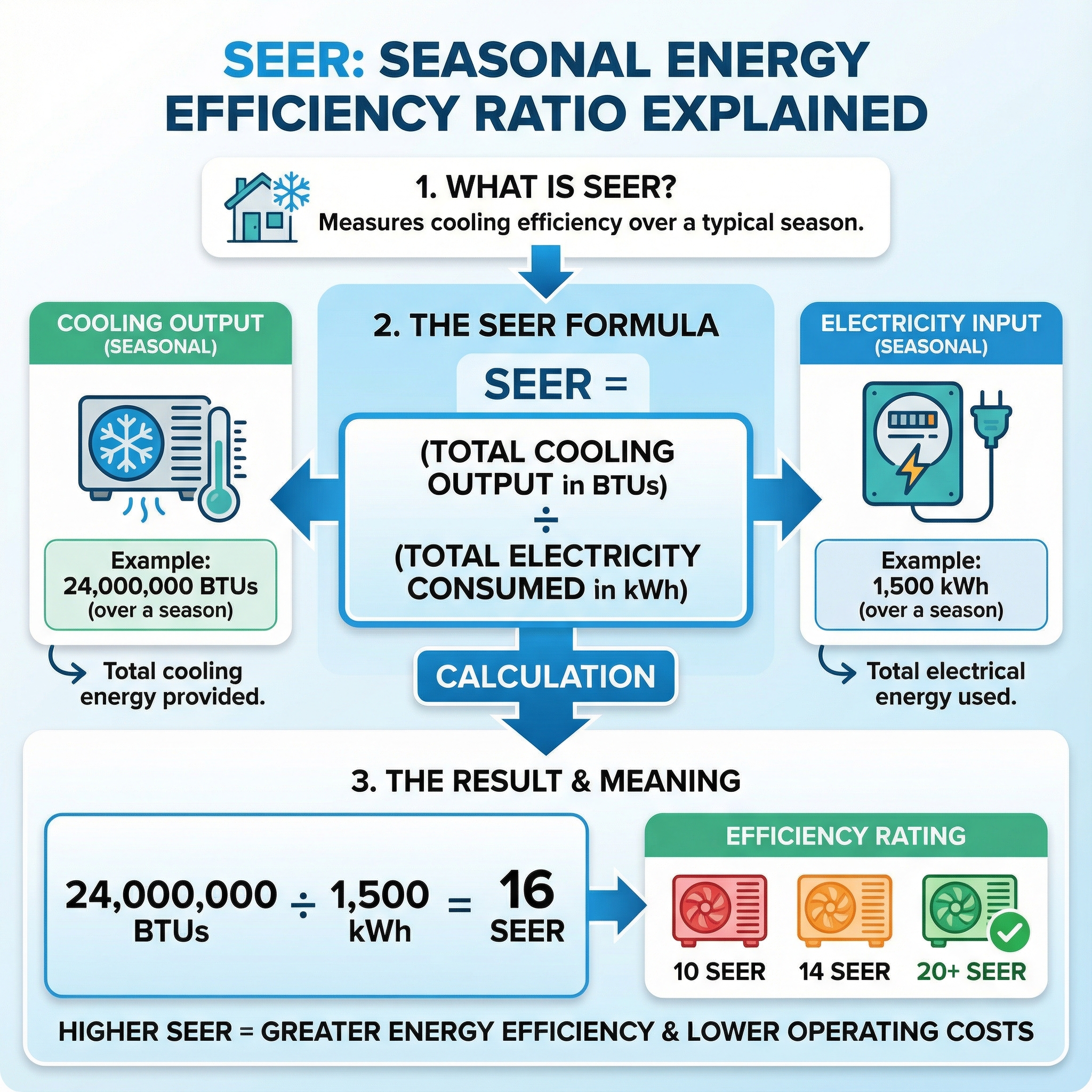
SEER and SEER2 rate a cooling system's seasonal efficiency, the total cooling output over a typical summer divided by the electricity it uses while cycling at different loads. Higher is better. EER and EER2 capture peak efficiency at a specific outdoor temperature, useful for hot-climate afternoons when systems work hardest. For heat pumps in heating mode, HSPF and HSPF2 measure seasonal heating efficiency across a winter. Think of SEER2 like miles per gallon averaged across a whole season, while EER2 is the MPG at one steady speed on a hot day.
In 2023, the industry moved to SEER2, EER2 and HSPF2. The updated tests use higher external static pressure and other adjustments that mirror real ductwork and operating conditions, so the numbers are slightly lower than the old ratings but more realistic. When comparing models, keep it apples to apples, SEER2 to SEER2 and HSPF2 to HSPF2, not legacy SEER or HSPF.
Federal minimum efficiency requirements vary by region, and many high efficiency systems now land around 16 to 26 SEER2. Flagship models push close to 26 SEER2, while many homeowners find 18 to 22 SEER2 delivers the best value. In hotter areas, EER2 can be a useful tie breaker for peak days. The right target depends on climate, energy rates and how many hours the system will run each year.
Regional Rules and Why Climate Changes Which AC Is Most Efficient
Starting in 2023, the U.S. shifted to SEER2, EER2, and HSPF2, with different minimums for the Northern, Southeast, and Southwest regions. The Southwest also imposes stronger EER2 requirements to curb peak-load energy use. ENERGY STAR models sit above these minimums. In our experience at Budget Heating (BudgetHeating.com), aligning your equipment's ratings with your local code and climate prevents overpaying for features you will not use and keeps comfort steady. Think of ratings like choosing the right gear on a bike: the best one depends on the terrain.
- Hot dry climates: prioritize high EER2 for peak heat, good condenser coil design, and robust airflow.
- Hot humid climates: variable-speed compressors and enhanced dehumidification controls matter most, then SEER2.
- Cold regions: look for cold-climate heat pumps with strong low-ambient capacity, or use dual-fuel for deep freezes.
What It Costs: Upfront Prices, Lifetime Savings and Typical Payback Examples
High efficiency air conditioners cost more upfront, but they cut operating costs. For a 2,000 sq ft home, moving from an older 10 SEER baseline to about 16 SEER2 typically saves roughly 400 to 600 dollars per year. Stepping to around 22 SEER2 lands about 600 to 900 per year, and near 26 SEER2 is about 700 to 1,100 per year. We look at total cost of ownership, which is the extra purchase price measured against years of lower utility bills.
Quick payback math: payback equals the price difference divided by the annual savings. Example, going from 16 to 22 SEER2 adds about 200 to 300 dollars of extra yearly savings beyond the 16 SEER2 level. If the higher unit costs more, divide that premium by 200 to 300 to estimate years to break even. In practice, 18 to 22 SEER2 systems typically pay back in roughly 8 to 12 years.
When a High SEER System Isn't the Right Choice (Tradeoffs & Alternatives)
High SEER equipment can lower electric use, but it is not always the best value. From years of sizing and commissioning systems, we see a few common cases where a different path performs better and costs less over time.
- Very cold winters: Standard heat pumps lose capacity near 25 F. In these climates, a cold climate heat pump or a dual fuel setup with a gas furnace handles deep cold more reliably.
- Leaky or poorly insulated homes: Upgrading insulation and air sealing first pays off more than upsizing. Putting premium equipment in a drafty house is like putting a race motor in a leaky boat.
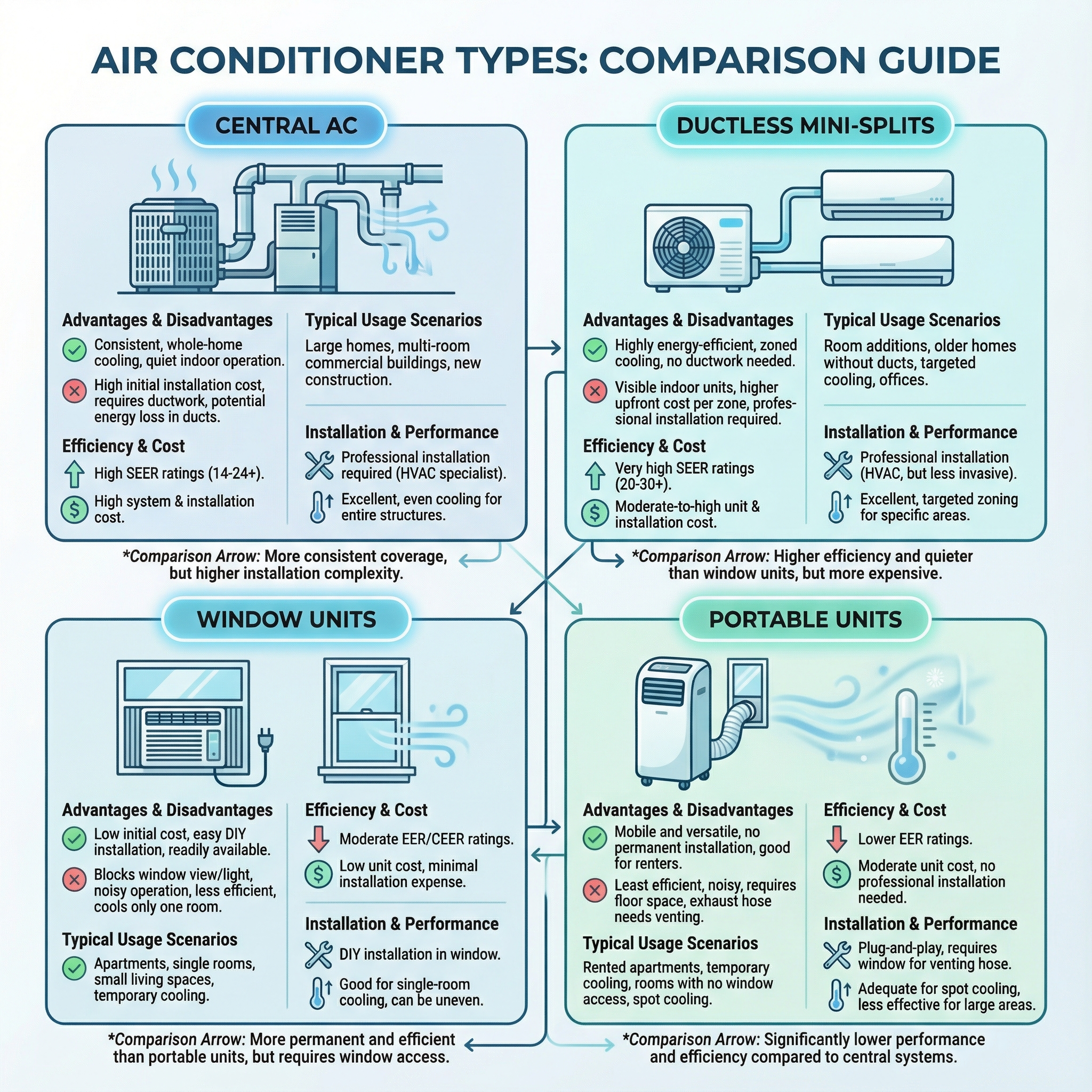
- No existing ducts: Ductless mini splits avoid duct losses and deliver zoned comfort, often beating a high SEER central system in real world efficiency.
Whatever you choose, correct design and installation determine outcomes. Insist on a Manual J load calculation so the system is sized for your home, not a rule of thumb. Have ducts sealed and insulated, refrigerant charge set to spec, and the system fully commissioned. If humidity control and part load efficiency matter, prioritize variable speed compressors and smart controls over chasing the highest SEER alone.
Why Variable Speed and Inverter Systems Deliver the Biggest Real World Gains
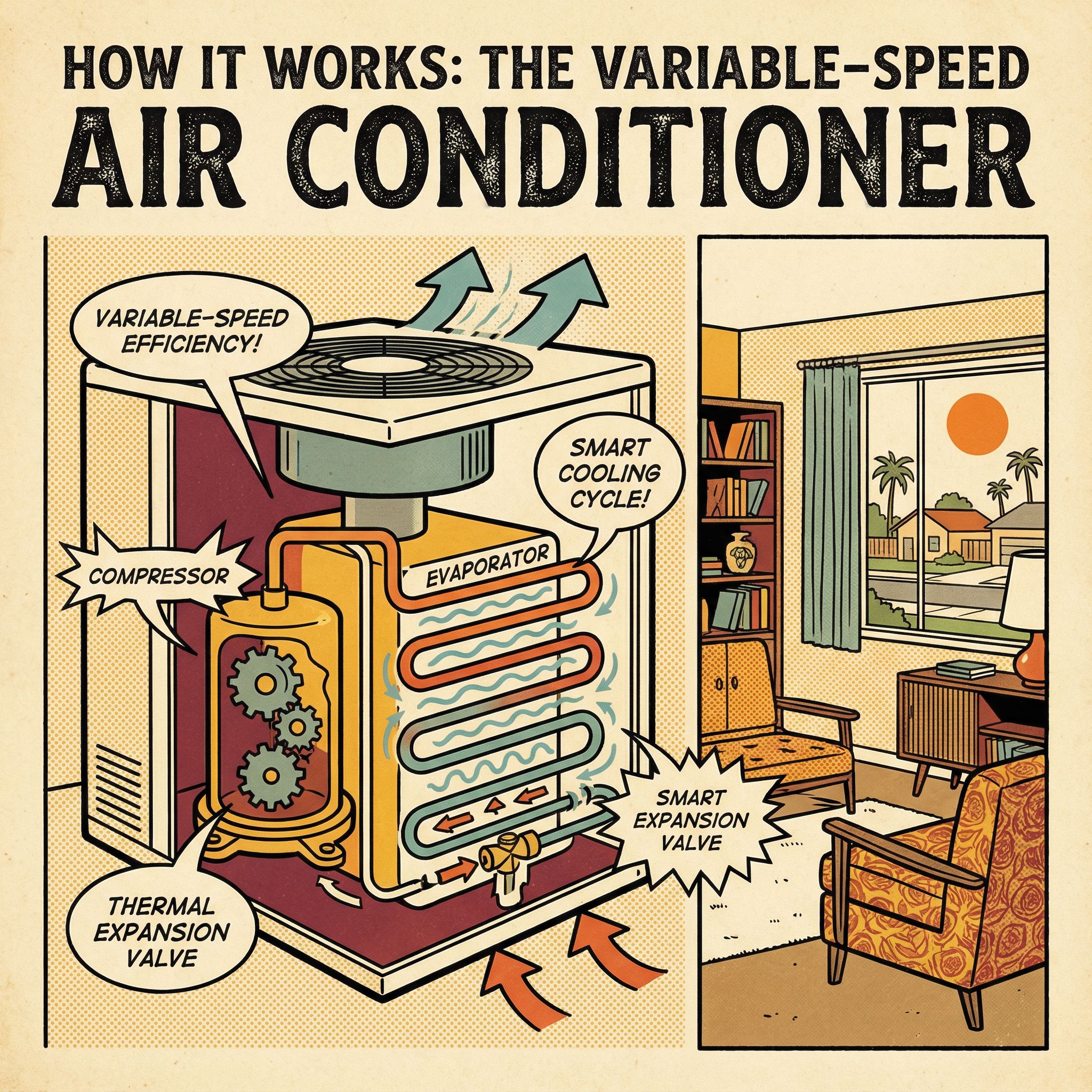
Variable speed and inverter-driven heat pumps and air conditioners do not blast on and off like a light switch. They modulate, matching output to the home's exact load, like a dimmer that settles at the brightness you need. That gentler ramp avoids energy-hungry startup spikes, keeps temperatures steadier from room to room, and runs longer at low speed for better moisture removal and filtration.
Because they spend more hours in their sweet spot, these systems are quieter, the compressor and fans see less stress, and with routine maintenance they can deliver a longer service life. Pairing them with smart controls lets the equipment anticipate small changes in weather and occupancy, so comfort stays consistent without waste.
Flagship models such as Daikin FIT, Carrier Infinity, Lennox XC25, and Trane XV20i are prime examples. They use inverter drives to achieve high SEER2 performance in real homes, not just in lab tests, while improving everyday comfort. In our experience at Budget Heating (BudgetHeating.com), properly sized inverter systems especially shine in humid climates where steady low-speed operation keeps indoor humidity in check.
Maintenance and Safety: Keep High Efficiency Systems Running at Peak Performance
High efficiency systems reward steady care. Airflow is like breathing through a straw, if filters or coils are dirty, the equipment works harder for less comfort. Homeowners can handle the basics safely.
- Check and replace air filters every 1-3 months.
- Keep the outdoor condenser clear of leaves, grass clippings, and debris.
- Vacuum return grilles and indoor supply vents.
- Program thermostat schedules to avoid unnecessary runtime.
- Always shut power off before any exterior cleaning.
Leave specialized work to licensed technicians to preserve efficiency and comply with regulations.
- Refrigerant charging or leak repair, EPA 608 certification is required.
- Electrical diagnostics and component testing.
- Deep coil cleaning.
- Duct testing and sealing.
- Commissioning of inverter systems.
- Annual tune up before cooling season to check refrigerant, electricals, coils, and condensate drains.
Common Myths and Mistakes That Kill Efficiency (and How to Avoid Them)
A few persistent myths quietly drain performance and comfort. Here is what actually matters and the simple fixes to keep systems efficient.
- Refrigerant: It does not get used up. Low charge means a leak. Think of it like a closed-loop delivery route. If it is short, there is a breach. Stop topping off and fix the leak, then charge to spec.
- Staging: Single-stage is not inherently efficient. Variable speed or multi-stage runs longer at lower output, cutting temperature swings and short cycling for better seasonal efficiency.
- Filters: Annual changes are rarely enough. Check every 1 to 3 months, more often with pets or dust.
- Restrictive filters: Ultra-high MERV without enough surface area can choke airflow. Use an appropriately sized media filter instead of a dense 1 inch pad.
- Oversizing: Bigger is not better. It short cycles, wastes energy, and leaves humidity behind. Size to the load, not square footage alone.
Article Focus & Scope: Which Models and Brands Lead on Efficiency
We focus on the most energy efficient air conditioners you can buy, primarily inverter-driven heat pumps in ductless and central split formats with top-tier SEER2, EER2, and robust HSPF. Expect model comparisons from brands that push efficiency ceilings: Carrier, Trane, Lennox, Daikin, Mitsubishi, and peers. Brand matters because engineering depth, control algorithms, and component quality determine performance and measurable seasonal savings.
Conclusion: Pick the Most Efficient AC for Your Home and Budget
Variable-speed, inverter-driven systems deliver the best real-world efficiency. Top residential units reach the high teens to mid 20s SEER2, with geothermal the efficiency leader at a much higher cost; for most homes the smart target is an ENERGY STAR variable-speed system in the 18 to 22 SEER2 range, matched with proper sizing, a quality install, and routine maintenance to realize the rating, and compare SEER2 for seasonal performance with EER2 for peak days.
Every home and budget is different, and it is normal to weigh upfront price against comfort, noise, and monthly bills.
Let our factory-authorized, U.S.-based team put 30 plus years and 200,000 plus fulfilled orders to work for you, so you get the right system at wholesale pricing without guesswork.
- Get a Custom Quote
- Talk to Our Team: call our U.S.-based support for straight answers
- Shop Heat Pumps
- Financing with Affirm and free shipping on many systems
Frequently Asked Questions
-
What does SEER2 mean and how does it differ from the old SEER rating?
SEER2 is the updated seasonal efficiency test that took effect in 2023. It uses higher external static pressure for ducted systems, so ratings come out slightly lower than legacy SEER, but they better reflect real homes. You will also see EER2 and HSPF2 for full-load and heating efficiency. The core rule still applies: higher numbers mean lower operating costs. Regional minimums and product labels now reference SEER2 and EER2, and requirements vary by region and equipment type.
-
How much will I save by upgrading to a high SEER2 air conditioner?
For a typical 2,000 sq ft home upgrading from a 10 SEER baseline: moving to about 16 SEER2 often cuts cooling energy 25 to 40 percent, roughly $200 to $500 per year. Around 22 SEER2, expect 45 to 60 percent, about $350 to $800 per year. Near 26 SEER2, up to roughly 65 percent in ideal conditions, about $450 to $1,000 per year. Actual savings depend on climate, run hours, electricity rates, duct quality, and thermostat habits.
-
Should I choose a ductless mini split, central AC or a heat pump for my house?
Start with your home and climate. If you lack ductwork or want room-by-room control, we recommend ductless mini splits for easy zoning and strong efficiency. If you have good ducts and want whole-home cooling, a high efficiency central split is the straightforward choice. In mixed or mild climates, a heat pump delivers efficient cooling and primary heating with solid humidity control, especially with inverter models. In very cold regions, consider a cold-climate heat pump or pairing a heat pump with a furnace.
-
What maintenance keeps an AC operating at peak efficiency?
Check or replace filters every 1 to 3 months, more often with pets or renovation dust. Keep the outdoor unit clear by 18 to 24 inches, rinse debris from coils, and confirm the condensate drain is clear. Schedule a professional tune-up before cooling season for coil cleaning, electrical and airflow checks, refrigerant verification, and control calibration. Leave refrigerant charging, leak repair, and commissioning to licensed technicians to protect performance, warranty coverage, and safety.
-
Are there rebates or incentives for buying ENERGY STAR or high efficiency air conditioners?
Yes. Many utilities and federal or state programs offer rebates or tax credits for ENERGY STAR or high SEER2 equipment, including heat pumps. Eligibility, amounts, and forms vary by location and model. Check your local utility's rebate page and the ENERGY STAR rebate finder for current offers and qualifying equipment. Keep invoices and AHRI certificates, since programs commonly require proof of a matched system and documented efficiency ratings to approve incentives.