




Mini Split Systems vs Traditional HVAC: A Quick Overview
Mini Split Systems vs Traditional HVAC: Which Is Right for You? The choice shapes day to day comfort, energy costs, and how well a system fits your home. After decades in the field, we find most decisions hinge on how air moves, how heat is made, and how much control you want over individual rooms.
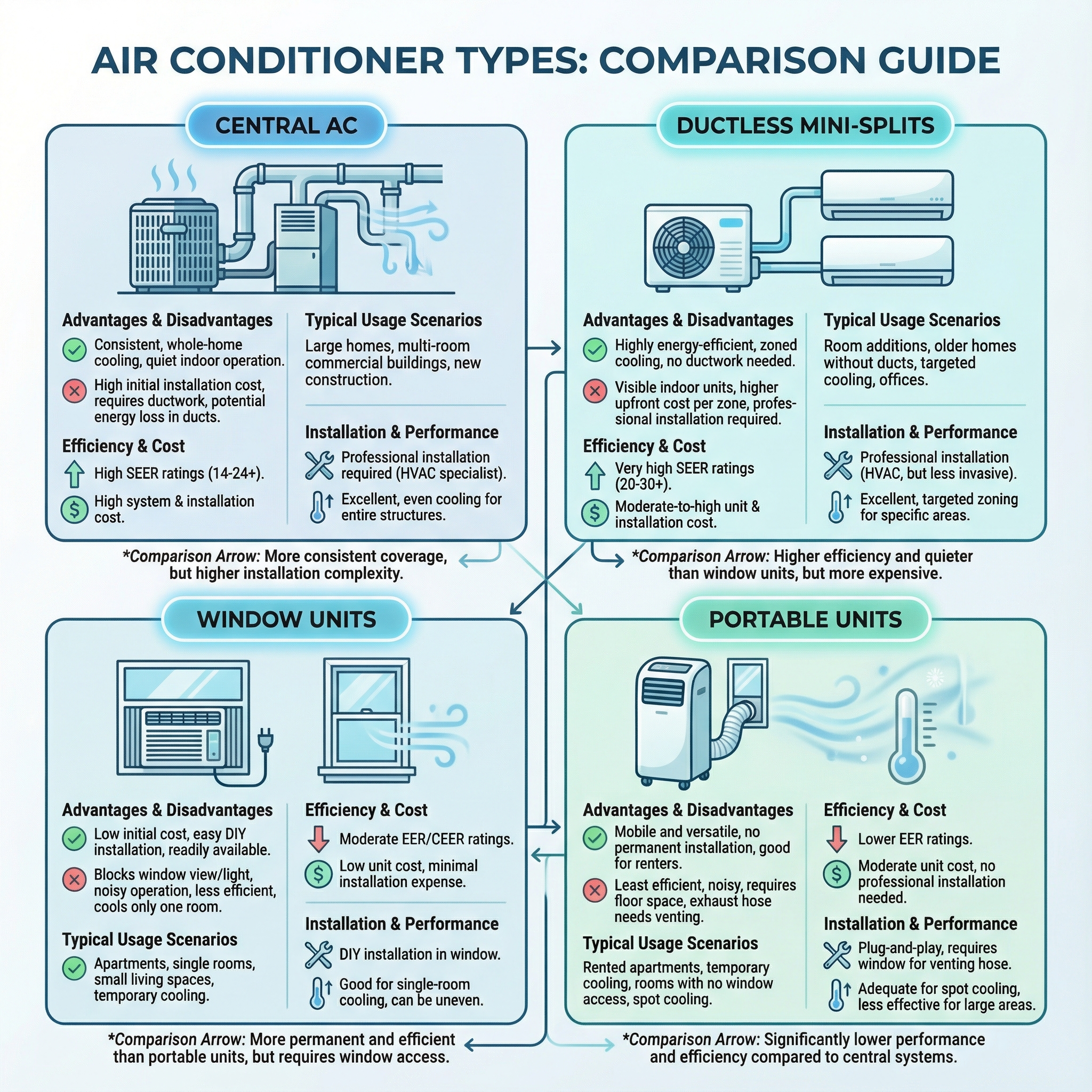
A mini split is a ductless heat pump. An outdoor unit connects to one or more slim indoor air handlers with small refrigerant lines, creating zones you can set independently. There are no ducts, which helps older homes or additions, and you get precise room level control.
Traditional HVAC refers to a ducted central system. Air is conditioned by a furnace and coil or by a ducted heat pump, then pushed through ductwork to registers throughout the house. One thermostat typically sets the whole home, which suits layouts with consistent use and existing ducts.
Heat pumps move heat rather than make it. They transfer heat with refrigerant, much like a refrigerator working in reverse, so they can both cool and heat efficiently. Furnaces generate heat by burning gas or using electric resistance. That difference affects utility bills, comfort in extreme weather, and which system aligns with your space.
Common Myths & Mistakes When Choosing Mini Splits or Central HVAC
We often see buyers trip on a few assumptions.
- Myth: Mini splits are always cheaper to install. Reality: In homes with good ducts, a right sized central system can cost less. Multi zone piping, condensate routing, and electrical work can swing costs 20 to 40 percent.
- Myth: Maintenance is the same. Reality: Ductless filters often need rinsing every 4 to 6 weeks, plus coil and drain cleanings. Centrals typically need filters every 1 to 3 months and an annual check.
- Myth: Ductwork condition does not matter. Reality: Leaky or undersized ducts can waste 20 to 30 percent. Like a bloodstream, restrictions starve rooms.
- Myth: Bigger is better. Reality: Oversizing causes short cycling and poor humidity control. Proper load calculations prevent that.
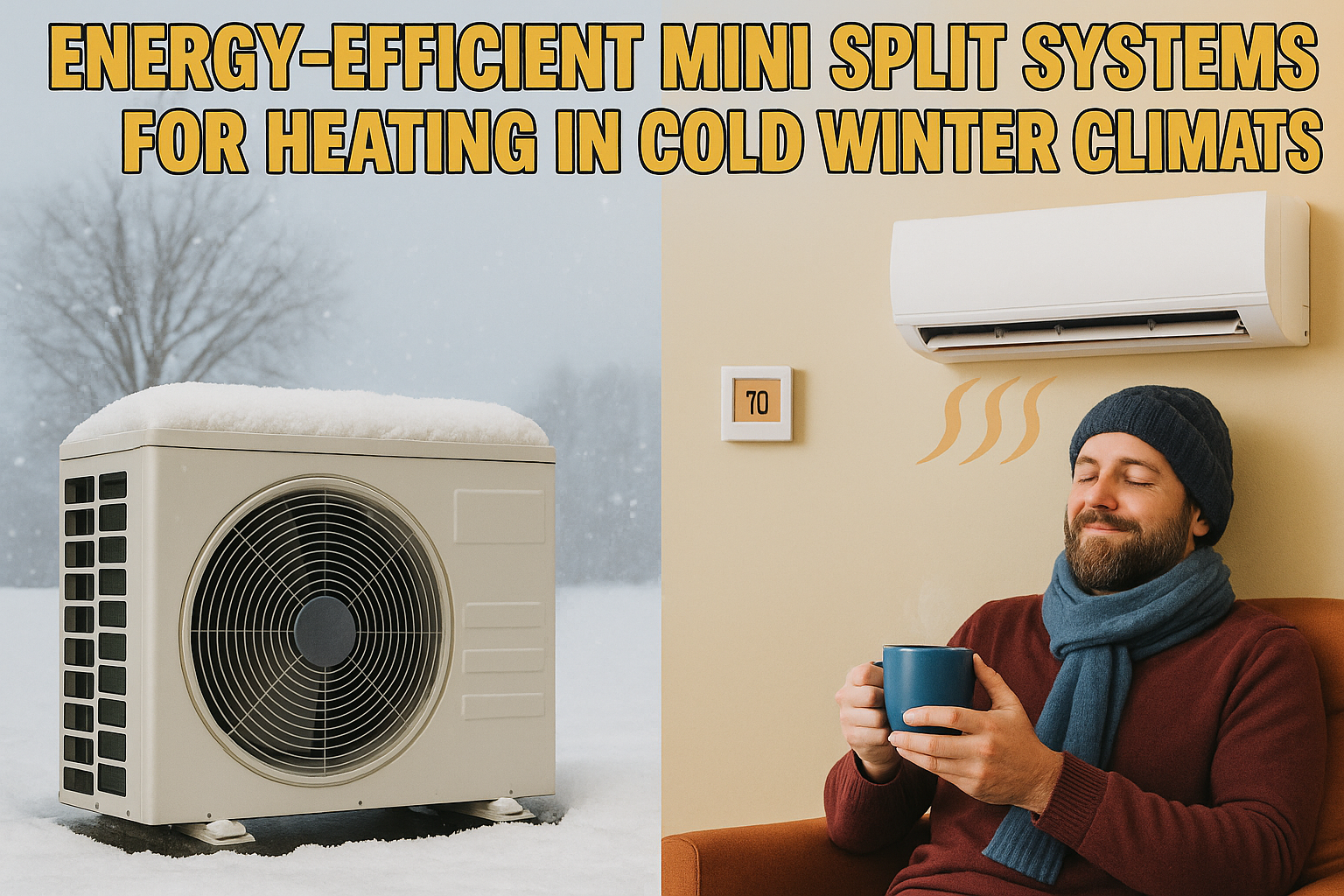
- Myth: Heat pumps fail in cold weather. Reality: Many inverter systems deliver heat near 5 to 15 F, with defrost cycles factored in.
Cost Comparison: Mini Split vs Traditional HVAC (Units + Installation)
Think of the decision like choosing a car, a higher sticker price with better gas mileage can cost less over time. HVAC works the same way. There are two buckets to weigh: upfront cost for equipment and installation, and ongoing operating cost. Mini splits often cost more per ton of capacity when you try to cover an entire house. Traditional central systems usually win on upfront price when usable ducts already exist.
In our experience at Budget Heating (BudgetHeating.com), the math turns on two realities: whether your ductwork is in place and sound, and how much of the home you condition daily. If ducts are present, a central system typically installs for less. If not, ductless heads add up in a whole home design, so the initial bill can be higher for mini splits on a per ton basis.
Operating costs tell a different story. Central systems push air through ducts, and duct losses can inflate energy use, especially when runs pass through attics or garages. Mini splits avoid ducts entirely and allow zoning, so you can cool or heat the rooms you actually use. That targeted operation usually trims monthly bills compared to conditioning the entire home. In short, central often wins on day one when ducts are ready, while mini splits can win month to month, particularly when you zone spaces and limit wasted airflow through leaky or uninsulated ducts.
Energy Efficiency & SEER2: How Mini Splits Stack Up
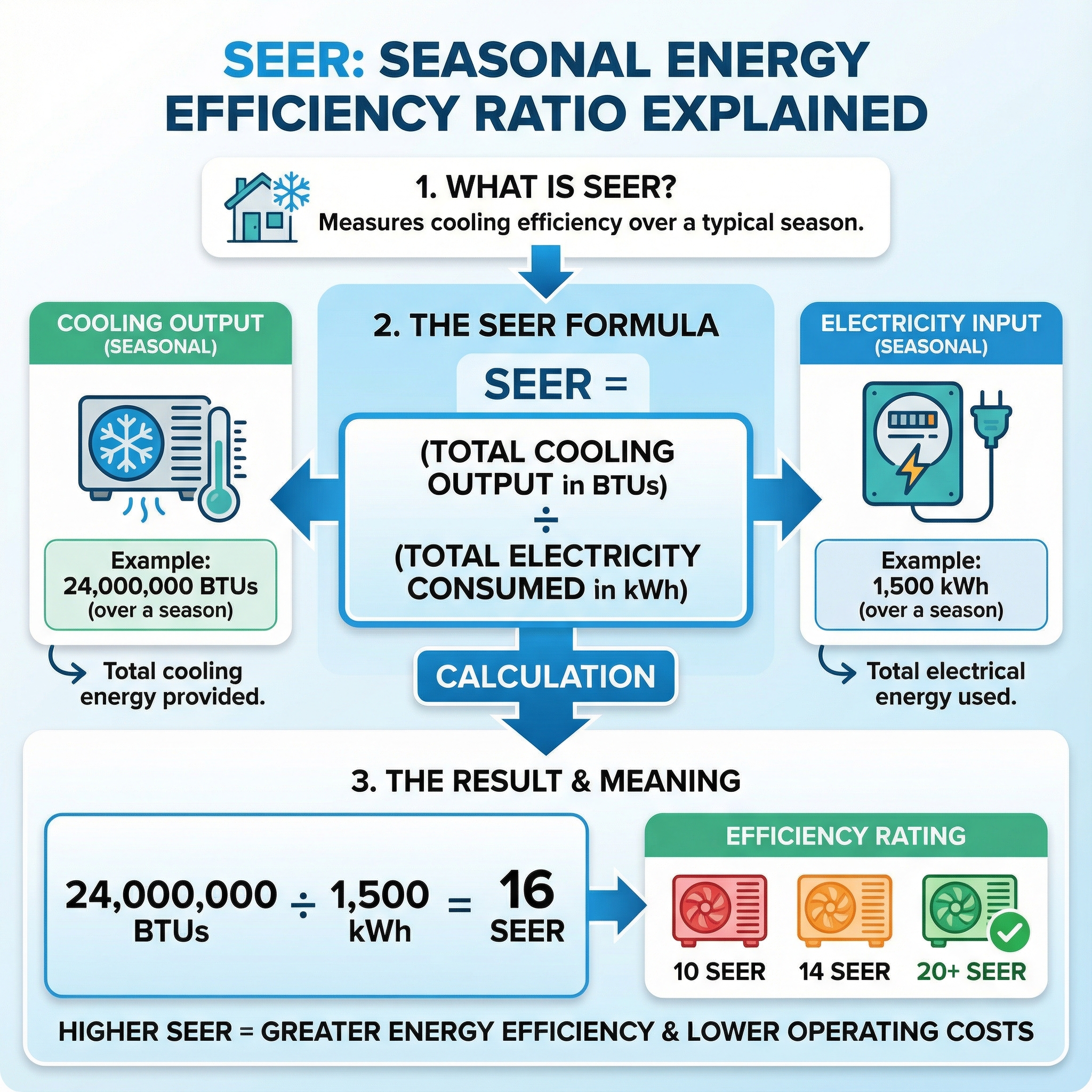
SEER and SEER2 measure seasonal cooling efficiency. SEER2 is the newer rating that took effect in 2023, using tougher, more realistic test conditions with higher static pressure and part-load cycling. HSPF and HSPF2 do the same for heating. Compare SEER2 to SEER2, and HSPF2 to HSPF2, since the new procedures typically yield lower numbers than the old scale.
Mini-splits often post higher SEER2 because their inverter-driven compressors modulate output, sipping power at part load instead of cycling on and off. Think of SEER2 like a miles-per-gallon label for stop and go traffic. In our experience at Budget Heating (BudgetHeating.com), a properly sized mini-split runs long, steady cycles and converts more of each kilowatt into comfort you actually feel.
Ductless design also avoids duct losses, so the efficiency on the label is closer to the efficiency delivered in the room. With central ducted systems, leakage and hot attics can erode performance, which shows up as higher operating cost. On the heating side, high HSPF2 mini-splits maintain strong part-load efficiency in mild weather, helping reduce seasonal bills compared with fixed-speed equipment.
When Mini Splits Aren't the Best Choice: Limitations, Alternatives & Honest Tradeoffs
Mini splits excel in homes without ducts, for additions, or when you want true room by room zoning. There are times they are not the best fit. If you already have tight, properly sized ductwork and you prefer one thermostat with uniform temperatures, a central ducted heat pump or central AC with a furnace often delivers a lower installed cost per square foot. In larger homes that would require many indoor heads, equipment and electrical runs scale up quickly, which can tilt value toward a single ducted air handler.
- Existing good ducts and a preference for whole home control: choose a central ducted system for one filter point and even distribution.
- Aesthetics matter and you dislike wall cassettes: a traditional ducted setup hides components behind grills and registers.
- Sensitive spaces near bedrooms or studios with limited outdoor unit locations: a central air handler lets you place the condenser farther from quiet areas.
Tradeoffs we see in the field are straightforward. Zoning versus whole home: mini splits give targeted comfort, central systems give simple, uniform control. Installation disruption versus aesthetics: ductless installs are lighter touch, but the heads are visible, while ducted work is messier during the job yet disappears afterward. Noise and placement require planning for both styles. Maintenance tradeoffs are real, too, with multiple mini split filters and condensate lines versus a single central filter and coil.
Permits, Rebates & Regional Considerations for Choosing HVAC
Permits and local codes influence schedule and price. In our experience, most installs need a mechanical permit plus inspection, and some jurisdictions add electrical approval. Passing inspection hinges on breaker sizing, line set workmanship, and documented refrigerant.
Regional efficiency minimums matter. Since 2023, SEER2 and HSPF2 set the bar, with higher SEER2 minimums in the Southeast and Southwest. The Southwest also imposes EER2 on many split systems to ensure high temperature performance, which can narrow model choices.
Refrigerants are shifting under the AIM Act phase down. Many new systems use A2L blends that are mildly flammable, so installations must follow adopted codes and use approved components, which can affect placement and materials.
Incentives can change totals: federal tax credits, state or utility rebates, and ENERGY STAR programs usually require meeting regional minimums and matching the exact model efficiency rating. When those line up, higher efficiency gear can become the most cost effective option.
Maintenance, Safety & Lifespan: What Homeowners Should Know
Routine care preserves efficiency and helps equipment last. Check return and room filters monthly, clean or replace when dirty. Keep outdoor units clear by removing leaves and grass clippings, and keep open space around the cabinet for airflow.
Service cadence: central systems should get a professional check each year, mini-splits typically every 1 to 2 years. A visit covers refrigerant charge, electrical connections, drains, and combustion parts where applicable.
DIY safety: shut off power at the disconnect before opening panels. Call a licensed technician for any refrigerant concerns, electrical faults, gas or oil burners, burning or chemical odors, persistent breaker trips, or icing that returns after a thaw.

Quick Notes & Miscellaneous Considerations
We do not have additional dataset fields for this section. If you see Not Available, it indicates the information was not provided for this dataset rather than a confirmed absence of a feature. Treat it as a placeholder, not a specification. Should more details surface later, they replace the Not Available note.
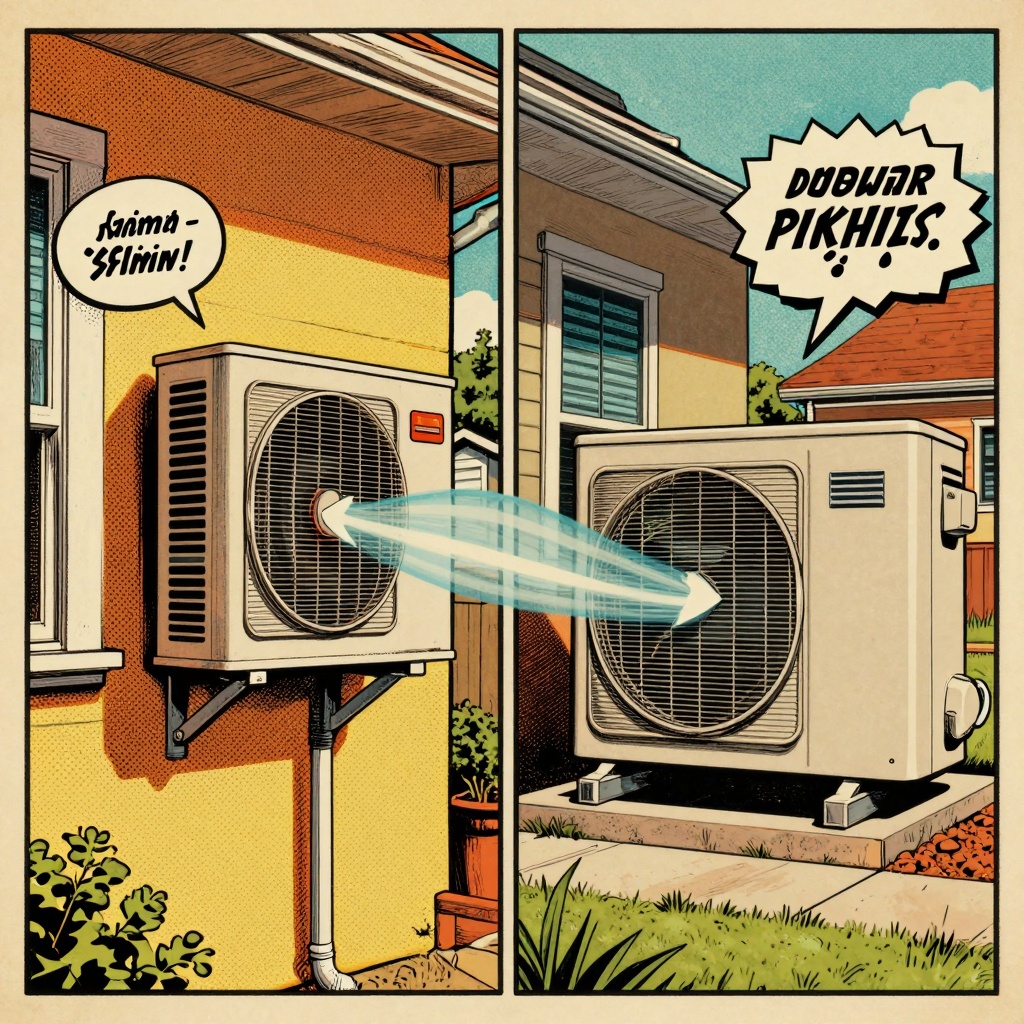
How to Choose: A Homeowner's Checklist for Picking the Right System
Use this checklist during walkthroughs and when comparing quotes.
- Ductwork status: size, condition, insulation, static pressure. Include repairs in bid.
- Zoning needs: identify rooms with different schedules or sun exposure.
- Climate fit: confirm heat pump capacity at design temp. Consider cold-climate models.
- Manual J sizing: require room-by-room Manual J, Manual S, Manual D if ducts change.
- Efficiency targets: set SEER2 and HSPF2 goals. Compare lifetime energy cost.
- Installation impacts: line set length, condensate, pad, crane, permits, cleanup timeline.
- Budget: installed price, incentives, warranty, and 10 to 15 year operating cost.
- Noise: indoor and outdoor dB ratings, vibration isolation, placement.
- Electrical readiness: panel capacity, breaker, wire, disconnect, surge protection.
- Maintenance expectations: filter access, drain cleanouts, coil cleaning, annual service.
- Controls: thermostat compatibility, smart features, humidity control, staging and lockouts.
- Contractor questions: license, insurance, training, commissioning checklist, start-up data.
Conclusion & Recommended Next Steps
Bottom line: both mini splits and traditional HVAC are excellent when matched to the right home. Choose mini splits for zoned comfort, retrofits, additions, and spaces without usable ductwork. Go with traditional central systems if you have solid ducts and want uniform whole-house control. In some regions, a hybrid heat setup is smart. Always factor your climate, local incentives, and long-term operating costs.
If you are on the fence, start with a Manual J load calculation, then compare packages and available rebates. With 30+ years in HVAC and 200,000+ orders fulfilled, our U.S.-based team can size your system, price it at wholesale levels, and walk you through installation considerations by phone.
- Get a Custom Quote, including Manual J sizing, rebate guidance, Affirm financing options, and free shipping on many orders.
- Talk to Our Team by phone for fast, U.S.-based technical support from real HVAC pros.
- Shop Ductless Mini Splits.
- Shop Central HVAC Systems and Furnaces.