




What a Heat Pump Is and Why It's Worth a Look
Modern residential heat pumps provide heating and cooling from one system by moving heat rather than creating it. When matched to a home, they can reduce bills and emissions while improving comfort. Instead of burning fuel or glowing electric coils, a heat pump shifts heat into or out of your living space as needed.
Think of it like a conveyor belt for warmth. Moving something takes less effort than making it from scratch, and the same idea applies here. Because heat pumps transfer heat rather than generate it, they commonly deliver multiple units of heat per unit of electricity. That is substantially more efficient than resistance heating, which converts electricity directly into heat and tops out at a one-to-one trade.
This section lays the foundation: what a heat pump is, how heat transfer differs from heat generation, and why that difference creates a basic efficiency advantage. With that principle in mind, the rest of the decision making becomes easier to frame around comfort, operating cost, and fit.
How Heat Pumps Work: Efficiency Metrics and What SEER/HSPF Mean
At a basic level, a heat pump is a refrigeration system with a reversing valve. The compressor circulates refrigerant between an outdoor coil and an indoor coil. In cooling mode, the indoor coil absorbs heat from the house and the outdoor coil releases it outside. Flip the reversing valve, and the flow switches so the system pulls heat from outdoors and releases it inside. Because it moves heat rather than creating it, efficiency hinges on how smoothly that cycle runs.
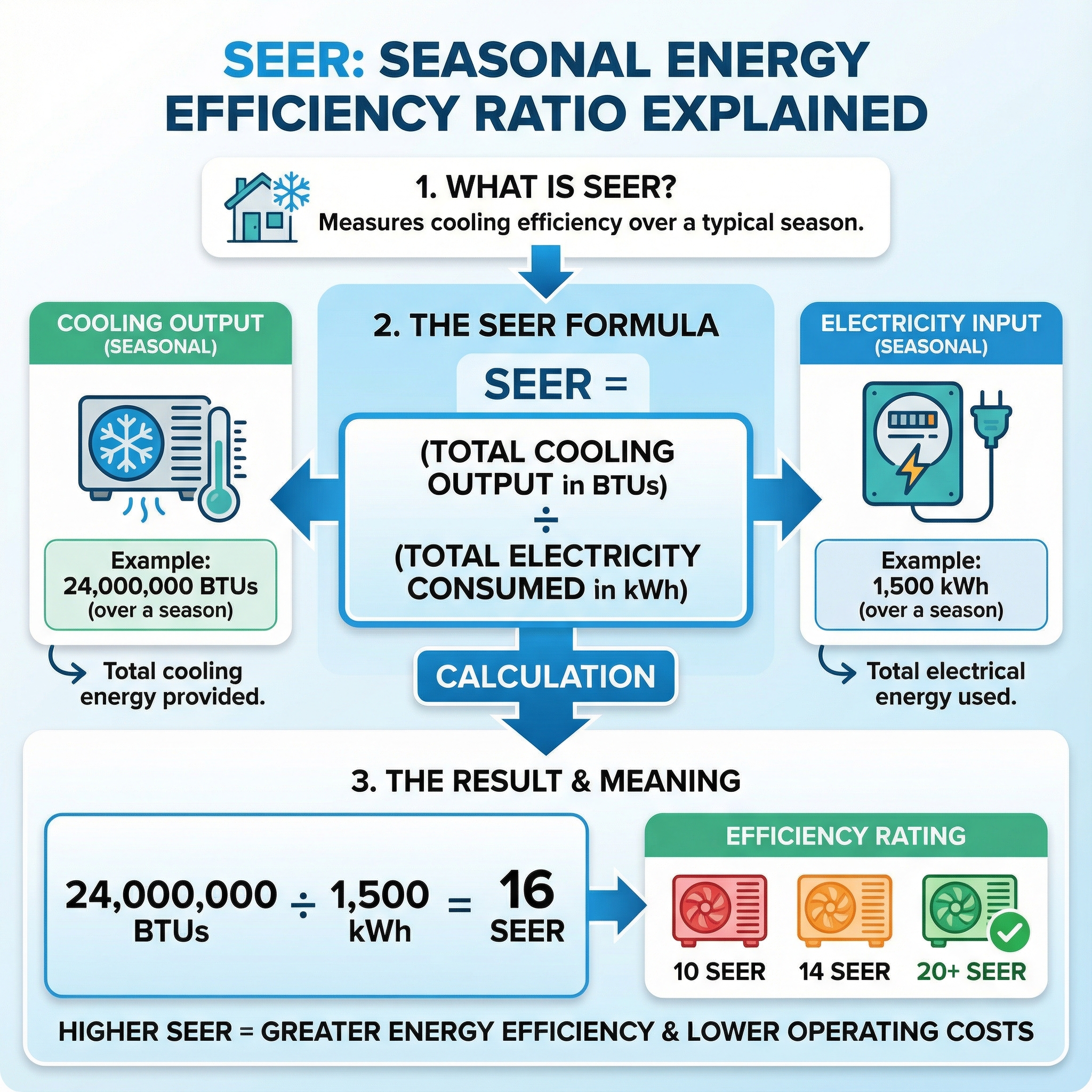
Efficiency ratings tell you how much heating or cooling you get per unit of electricity. SEER covers cooling and HSPF covers heating. Labels are transitioning to SEER2 and HSPF2, which use updated Department of Energy tests. SEER2 is designed to better reflect real duct resistance seen in homes, so SEER2 and SEER numbers are not one-to-one.
Modern market ranges typically land in the mid teens for SEER and reach the low 20s for premium models. Moving from about 14 to about 16 SEER often trims cooling energy 10 to 15 percent. Stepping into the low 20s can approach roughly 30 percent savings, depending on climate and usage.
For heating, split-system heat pumps now carry new minimums under HSPF2, commonly around 7.5 HSPF2, which is roughly comparable to about 8.8 on the old HSPF scale. In our field work, these ratings translate directly to bills: higher SEER2 and HSPF2 mean fewer kilowatt-hours for the same comfort, especially noticeable during long cooling or heating seasons.
Types and Benefits: Air Source, Geothermal and Ductless Mini Splits: What Each Does Best
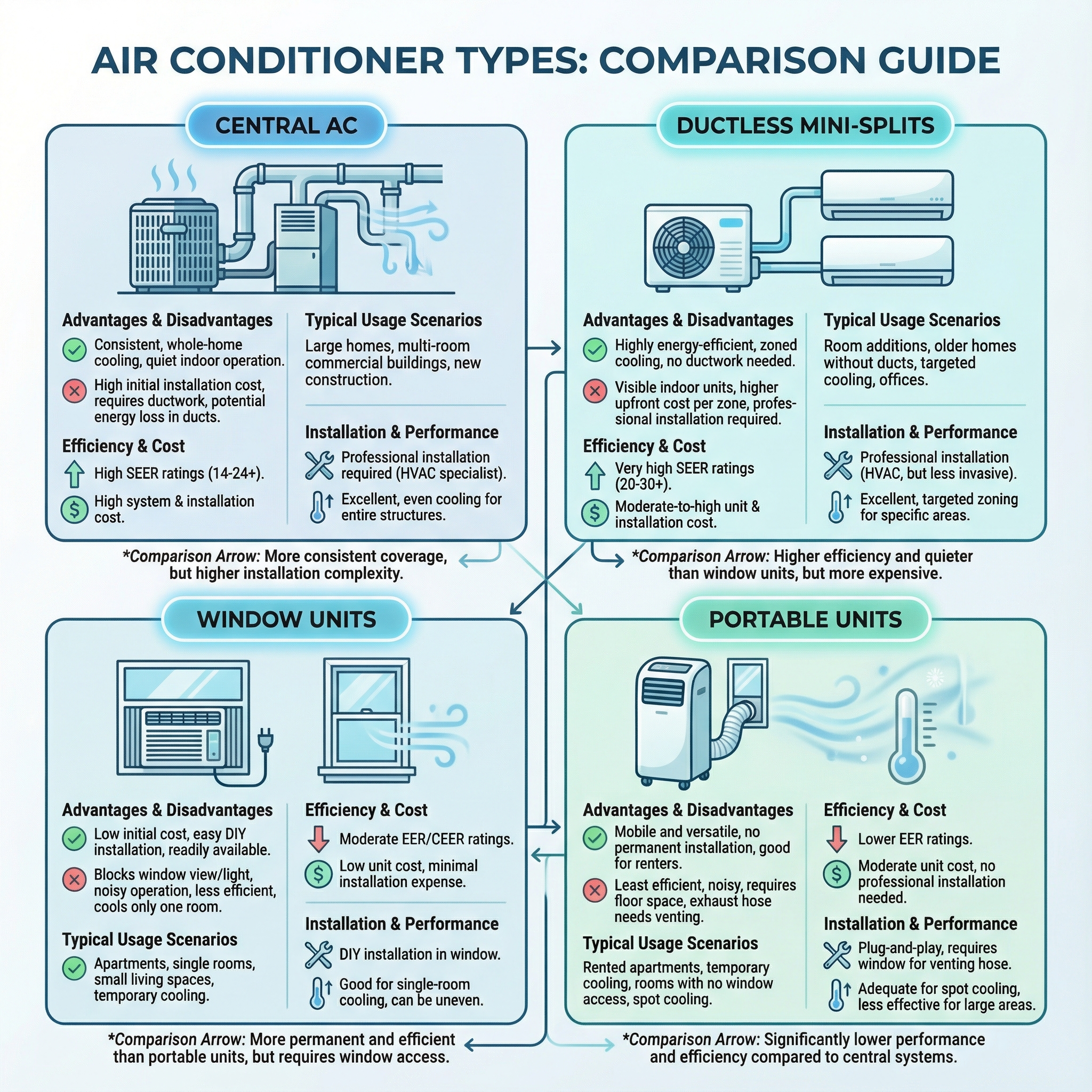
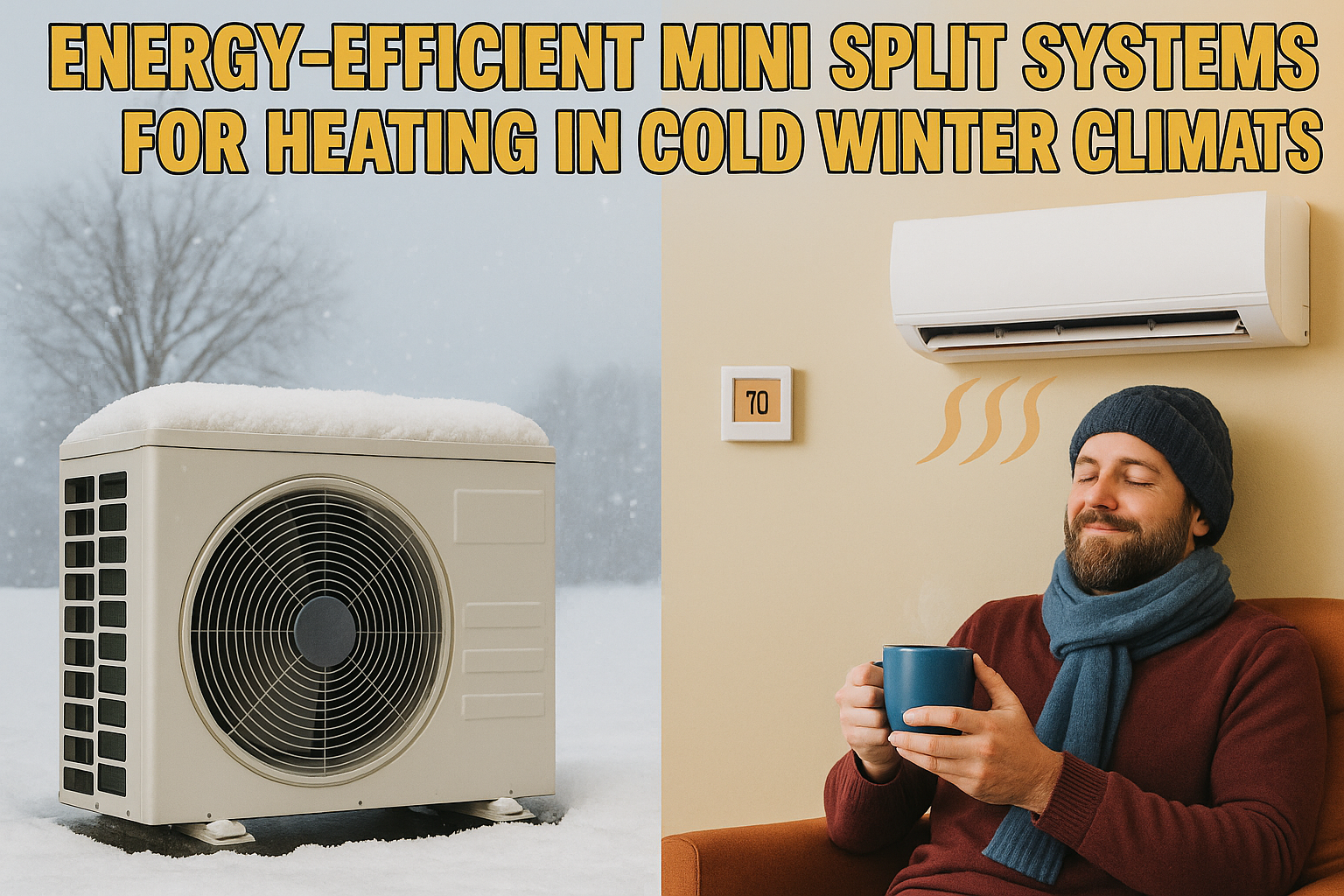
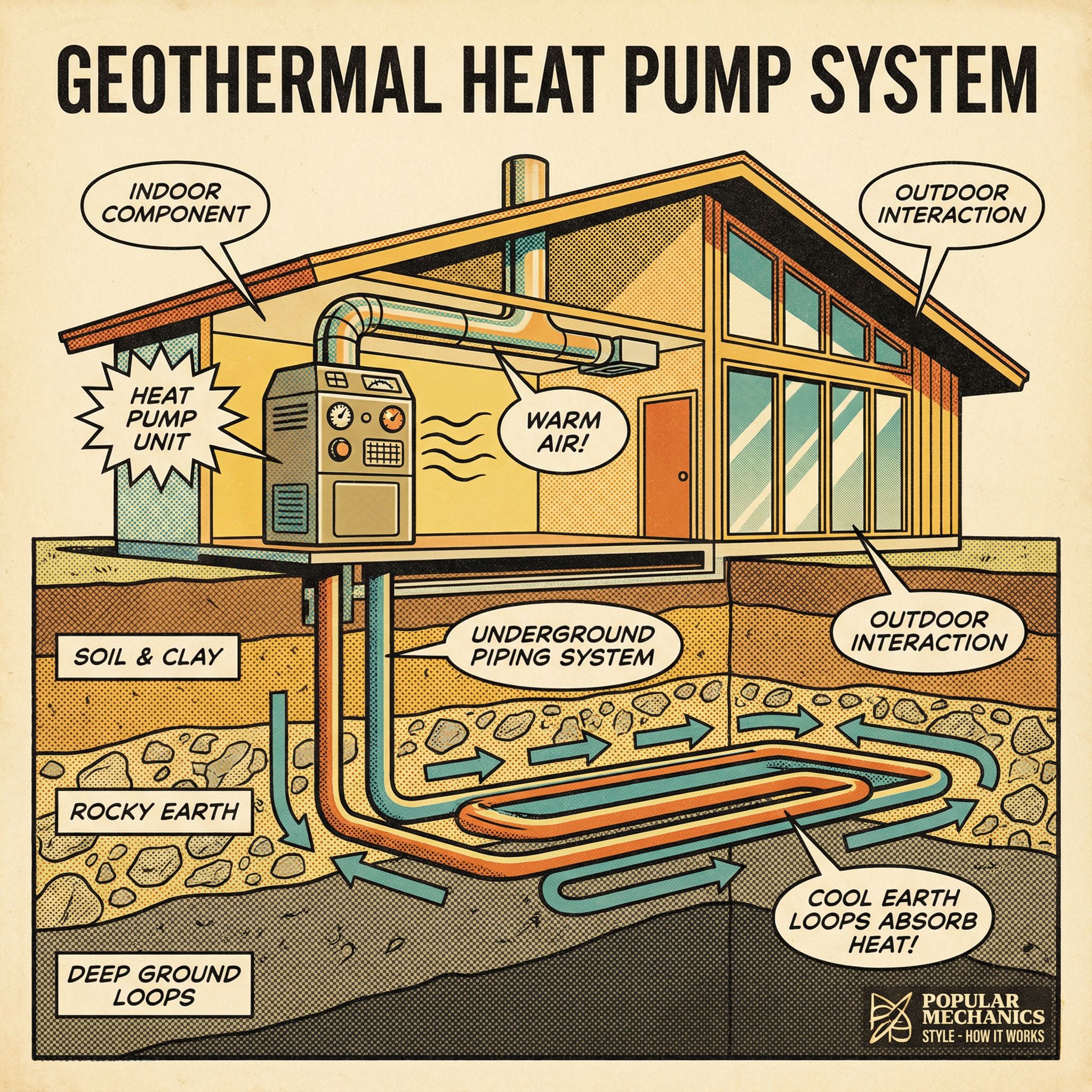
Heat pumps fall into three main families. Air source central systems tie into existing ductwork and are the go to retrofit for whole home comfort. Ductless mini splits serve additions, rooms with hot and cold spots, or homes without ducts, giving precise zone control. Ground source geothermal moves heat through buried loops, delivering the highest efficiency, but it needs suitable land and carries the largest upfront cost. In our field experience, air source central and ductless mini splits typically offer the most cost effective retrofit path, while geothermal shines when the site allows and the priority is long term efficiency.
- Single system, year round heating and cooling.
- Strong part load efficiency with variable speed inverters, like a comfort dimmer.
- Improved humidity control and more even temperatures.
- Quieter indoor and outdoor operation.
- Lower on site emissions and combustion free safety.
- Lower lifecycle costs with regular maintenance.

When a Heat Pump May Not Be the Best Choice (and Better Alternatives)
In our experience, heat pumps are versatile, but there are situations where another approach delivers better comfort and value. Below are the common cases we flag early.
- Very cold climates: Older or undersized units lose capacity as temps fall. Even modern cold-climate models may need help during extreme cold. A dual-fuel heat pump with a gas furnace, or a high-efficiency furnace alone, can be the better fit.
- Leaky homes or poor ducts: A drafty shell or poorly sized or unsealed ducts cut efficiency and comfort. Air sealing and insulation should come first. If upgrades are not planned, a sealed-combustion furnace or boiler with zoning can control comfort better than a central heat pump.
- Upfront cost or site limits: Tight budgets, limited outdoor clearances, or soil and yard constraints can rule out air-source or geothermal. In these cases, a condensing furnace, hydronic boiler, or direct-vent gas space heaters are often more practical.
Think of it like tires: the right tread for the conditions prevents slips. Match equipment to climate, the building, and budget to avoid surprises.
Climate, Codes and Incentives: Is a Heat Pump Worth It in Ontario and Other Cold Regions?
In Ontario and other IECC zone 5+ areas, selection starts with climate. We prioritize cold-climate air-source heat pumps that show verified capacity and COP at low ambient temperatures, not just nameplate tonnage. Since 2023, federal tests use SEER2, EER2 and HSPF2, so compare equipment on these metrics because many utility and provincial programs now gate rebates to ENERGY STAR listings or the NEEP cold-climate database. Permits and incentives increasingly require right-sized designs and proof of quality: Manual J load, Manual S equipment match, Manual D duct design, plus commissioning records. Meeting those items protects comfort and keeps eligibility intact through inspection.
Costs, Incentives and Payback: What to Expect and How to Estimate Savings
Installed costs: For a whole-home air-source heat pump, homeowners typically see installed pricing around $8,300 on average, with simpler changeouts landing below that and complex retrofits landing above it. A basic gas furnace replacement often runs less, roughly $6,200 on average. The difference is the upfront premium many people weigh against monthly bill reductions.
Operating costs: Upgrading older low-SEER cooling to modern high-SEER or SEER2 equipment can trim cooling energy use by about 20 to 30 percent. Whether that becomes lower total utility bills depends on your local electricity rate versus your heating fuel price, and what system you are replacing. Analyses indicate air-source heat pumps are the most cost-effective whole-home option for about 32 percent of U.S. households, and the winners tend to be homes with favorable electric rates or high fuel costs. In our experience at Budget Heating (BudgetHeating.com), the fastest paybacks come from replacing tired systems in hot climates or in homes with steep fuel bills.
How to ballpark payback:
- List your electricity price per kWh and your current heating fuel price.
- Estimate annual cooling savings by applying 20 to 30 percent to last year's cooling use if moving from low-SEER to high-SEER equipment.
- Add any available rebates or tax credits, which often offset part of the upfront premium.
- Divide net upfront cost by yearly savings to estimate years to break even.
Sizing, 'Heat Pump Balance' and When You Still Need Backup Heat
Comfort and efficiency hinge on hitting the heat pump balance point, the outdoor temperature where your heat pump's output equals your home's heat loss. If winter regularly dips below that point, you will need auxiliary heat. The fix starts with proper sizing. Require an ACCA Manual J load calculation using software like CoolCalc or WrightSuite, not rules of thumb. Pair that with Manual S for equipment selection and Manual D so ducts actually deliver the airflow your system needs.
- Ducts, electrical and controls: test and seal ducts, confirm correct sizing and total external static pressure, then verify your electrical panel can handle the added load or plan an upgrade. Choose controls with outdoor sensing and correct staging so auxiliary heat comes on only when it should.
- Commissioning and contractor selection: insist on installers who supply the Manual J/S/D packet, measure airflow in CFM per ton, set refrigerant charge by superheat and subcooling, and document duct leakage and static pressure.
In our experience at Budget Heating (BudgetHeating.com), homes that follow these steps keep heat strips quiet until the rare deep cold snaps.
If your balance point sits above common winter lows, keep auxiliary heat, ideally staged with outdoor lockouts to protect comfort without sacrificing efficiency.
Operating Tips: Should You Run a Heat Pump 24/7 and How to Maximize Efficiency
For most variable speed systems, letting the unit run steadily at low output is efficient and comfortable. Think smooth, long cruises instead of stop and go. Use gentle setpoints rather than big swings, and avoid the Emergency Heat setting unless the heat pump is down.
- Favor small setbacks, about 1 to 3°F, especially overnight.
- Schedule consistent temperatures if your system is most efficient at part load.
- Keep fan on Auto, not On, to prevent humidity creep.
- In hot humid climates, allow long, low speed cycles or add supplemental dehumidification.
- Keep filters clean and supply registers open for free airflow.
Maintenance Checklist: Simple Tasks Homeowners Can Do (and What Pros Should Handle)
In our experience, light upkeep helps efficiency, but refrigerant, gas, and high voltage work belong to a licensed pro for safety and to preserve warranties.
- Replace or clean air filters regularly.
- Keep supply and return grilles clear of furniture and dust.
- Keep the outdoor unit free of leaves, grass, and snow.
- Do basic operational checks: listen for unusual noises and verify steady airflow.
- Use the thermostat in Heat or Auto, and avoid Emergency Heat unless the primary heat fails.
- Pros only: installation, refrigerant work, high voltage wiring, duct redesign, gas integration, and commissioning.
Before any basic cleaning, turn power off at the thermostat, the breaker, and the outdoor disconnect. Schedule preventive maintenance at least annually, ideally twice yearly.
Is a Heat Pump the Right Choice for Your Home? A Practical Decision Checklist
A heat pump is a strong fit for many homes, especially in mild to moderate climates, houses now heated by electric resistance, oil, or propane, and well insulated buildings. The final call depends on climate, your building shell, local electricity versus fuel prices, and install quality. Quick checklist: review climate and rates, tighten insulation and air sealing where it pays back, get multiple quotes that include Manual J, S and D plus commissioning, compare lifecycle cost with available rebates, then pick SEER2, HSPF2 and low ambient performance that match your winters. If that feels like a lot, our team has done this thousands of times and can guide you in one call.
- Get a Custom Quote tailored to your home and climate
- Talk to Our Team by phone for real, U.S.-based technical help
- Shop Heat Pumps at wholesale pricing
- Financing with Affirm and free shipping on many systems