




 learning center
Why the 2026 Energy Standards Matter: Compliance, Costs and Carbon
2026 is a pivot year: efficiency baselines, refrigerant rules, and equipment expectations tighten, so early planning prevents rushed swaps and noncompliant installs. With building performance laws such as Local Law 97 and broader decarbonization policies, incentives now align for high-efficiency, low-GWP retrofits. Owners and facility managers facing aging systems will benefit from a holistic path, like mapping a trip before driving: audit, right-sized design, clean installation, then commissioning to verify energy and carbon targets.
What the 2026 Standards Require: SEER2, EER2 and Key Metrics
SEER2 and EER2 replace SEER and HSPF. SEER2 captures seasonal efficiency under more realistic tests. EER2 measures steady performance at high outdoor temperature, key for peak demand. 2026 guidance targets about 17 SEER2 and 12 EER2 for split systems, and about 16 SEER2 and 11.5 EER2 for packaged units. Cooling energy is roughly inverse to SEER2, so moving from 10 SEER to high SEER2 often cuts use 30 to 50 percent, depending on climate and runtime. Expect choices from near minimum to variable speed units in the high teens to low or mid 20s SEER2. For retrofits, specify SEER2, with around 16 SEER2 a practical floor, and go higher when climate or incentives warrant. The thresholds align with CEE tiers and 25C, and utilities may reward grid interactive capability.
Start Here: Assessing Your Building: Energy Audit, Loads and Baseline Performance
Before choosing equipment, lock in your baseline: confirm codes, size the loads, and verify refrigerant compatibility.
- Confirm your code path: ask the building department which IECC or ASHRAE 90.1 edition and local amendments will govern 2026 permits. Decide if you will meet minimums or exceed them for incentives.
- Require engineering: ACCA Manual J room-by-room loads, Manual S equipment selection, and Manual D duct design. In our experience at Budget Heating (BudgetHeating.com), skipping this leads to oversizing and comfort issues. Think tailored suit, not one-size-fits-all.
- Select to match climate: verify 2026 SEER2, HSPF2, and EER2 minimums, prefer variable-speed compressors and ECM blowers, and confirm low-ambient or cold-climate heating performance where needed.
- Plan refrigerant and A2L handling: choose the refrigerant early. A2L low-GWP options (R-32, R-454B) require listed equipment and A2L-certified installers. Do not plan drop-in conversions for legacy systems.
Common Retrofit Measures That Deliver Compliance and Savings
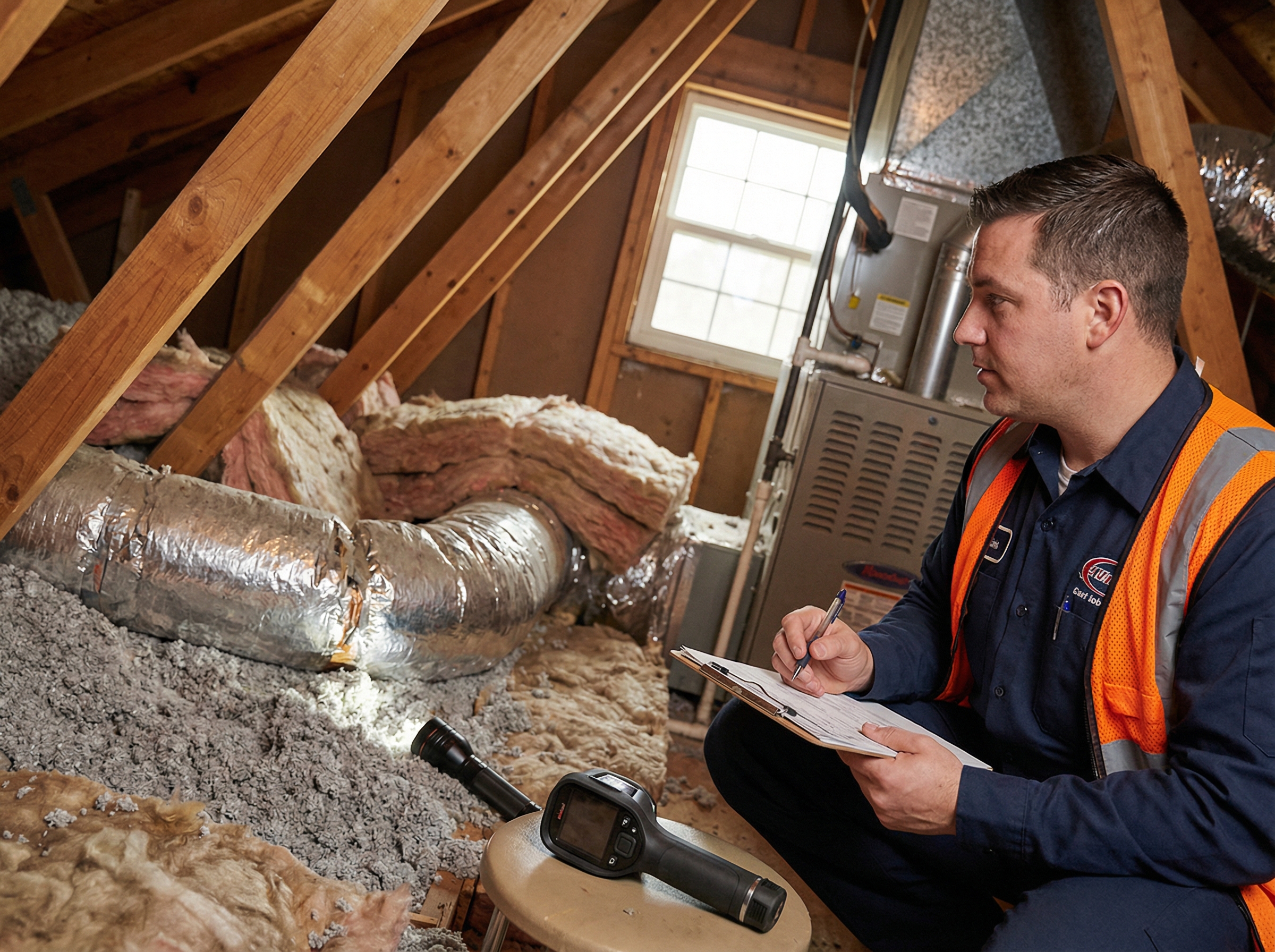
Assess system age and refrigerant, then prioritize air distribution and controls. Seal and balance ducts, then tune controls. Even high SEER2 gear underperforms with poor ductwork or setup. Upgrade older ~10 SEER systems to high SEER2 heat pumps or AC with variable-speed compressors and ECM blowers, often cutting cooling energy 30 to 50 percent. Add balanced ERV or HRV, MERV upgrades, and UV-C for better humidity and IAQ. Low-GWP refrigerants and higher efficiency cut direct emissions and CO2, aligning with ESG goals. In our experience at Budget Heating (BudgetHeating.com), duct fixes and controls deliver the fastest payback. Planned heat pump or VRF swaps avoid rushed, high-cost installs. Require Manual J/S/D, choose A2L-qualified equipment, and use A2L-trained contractors to pass inspection and hit rated performance.
Commissioning, Measurement & Verification: Proving Compliance and Capturing Savings
To meet 2026 efficiency claims and protect ROI, require a commissioning plan that measures airflow (CFM/ton, room-by-room), external static pressure, and completes room balancing; verify refrigerant charge by recorded weight plus superheat and subcooling; confirm control sequences, heat pump defrost, thermostat programming, and any demand response or grid integration; include pre and post duct leakage tests, post-work airflow results, thermostat programming documentation, and owner training; finish with post-retrofit monitoring or an M&V plan to validate seasonal performance and support incentives and payback.
When Retrofits Aren't the Best Choice: Risks, Myths and Honest Tradeoffs
We support retrofits when they fit the building, but tradeoffs are real: upfront capital, installation disruption, and limits with ducts, electrical, or line sets. Results suffer when design, install, or commissioning quality is weak.
- Common myths: A2Ls are drop in, wait until 2026, oversizing is harmless, nameplate ratings tell all, topping off and rare filter changes are fine, thermostats fix design, ducts and commissioning do not matter.
- Extreme cold with limited electric or duct capacity: use high efficiency gas furnaces or dual fuel.
- Short ownership and tight budgets: prioritize controls, duct sealing, or time upgrades with other renovations.
- Severe electrical limits or incompatible line sets: phase upgrades or pair partial electrification with envelope work.
Equipment Selection: Comparing Heat Pumps, VRF, High SEER2 AC and Low GWP Choices
Selecting between heat pumps, VRF and high SEER2 AC hinges on climate, loads and codes. We see jurisdictions adopt different pathways through IECC or ASHRAE 90.1 with local amendments, so we verify the edition and any alternate compliance path before locking specifications.
- Heat pumps: choose high SEER2 or cold climate models for electrification. Pair with ECM air handlers and heat recovery ventilation to improve part load performance.
- VRF: strong for multi zone buildings and diverse schedules. Target equipment that meets or exceeds ASHRAE 90.1 2022 IEER/EER and back it up with controls and sequencing.
- High SEER2 AC: a fit when heating remains separate. Add variable speed drives, duct sealing and BAS controls for measurable kWh reductions.
A 2026 ready selection includes low GWP refrigerants such as R 32 or R 454B, listed A2L equipment and trained installers, plus commissioning and ongoing monitoring. Across product classes, select commercial units that meet 90.1 2022 table minimums and verify controls to realize part load IEER gains.
Implementation Plan & Timeline to Meet 2026: Phasing, Permits and Prepping Your Site
Work backward from your target in-service date. Phase 1, weatherization first. Air seal and add insulation to cut loads so the right sized equipment is smaller and cheaper to run. Phase 2, ducts and distribution. Locate runs, move what you can into conditioned space, then test for leakage, seal with mastic or UL listed tape, and insulate to code or better if any ducts stay in unconditioned areas. Phase 3, electrical and permits. Have an electrician verify panel capacity and dedicated circuits, pull mechanical and electrical permits, and book inspections early. Phase 4, ventilation and controls. Confirm whole-building ventilation meets ASHRAE 62.2 or local code, consider a balanced ERV or HRV, and choose filters that balance IAQ with pressure drop. Install a connected smart thermostat and set up zoning or multi split controls to prevent short cycling.
Cost, Incentives and ROI: Financing a 2026-Ready Retrofit
A ~10 SEER replacement typically saves $400-$600 per year at 16 SEER2, $600-$900 at 22, and $700-$1,100 at 26, with diminishing returns. In our experience, payback from 14 to 16 SEER2 runs 3-4 years, higher tiers 5-12. Use federal 25C credits plus utility and regional rebates for heat pumps, VRF, duct sealing, and connected thermostats. Warm humid regions see larger savings and value high EER2. Many homes cut 3-5 tons of CO2 per year. Target 16-17 SEER2 to match 2026 criteria and typical incentives.
Next Steps: Plan, Document and Commission Your 2026 Ready HVAC Retrofit
Plan early, map the work in phases, then insist on documentation and full commissioning. A clear audit followed by quick fixes and scheduled upgrades like heat pumps, VRF, VFDs and HRV or ERV commonly delivers 15 to 40 percent HVAC energy savings with simple paybacks around 3 to 10 years when incentives are captured. A2L refrigerants are safe when installed to code by trained techs. Never convert or top off, that risks safety and warranties. Change filters every 1 to 3 months and keep outdoor units clear, leave refrigerant and combustion work to certified pros.
- Require Manual J, S and D
- List SEER2, HSPF2, EER2 with AHRI numbers
- Detail duct leakage testing and airflow guarantees
- Confirm A2L certification and training
- Describe commissioning tests and deliverables
- List eligible rebates and required documentation
You are making a smart, timely decision. If you want a 2026 ready scope and paperwork dialed in, our team can build it. We offer wholesale pricing, free shipping on many systems, and financing with Affirm.
- Get a Custom Quote
- Talk to Our Team by phone for plan and bid review
- Shop Heat Pumps
- Shop Ductless Mini Splits
 Cooling
 Heating
 Money Saving Tips
 Product and Brands Insights
 Buying Guides
 State by State
 HVAC Systems