





 how to guide
 learning center
How to Prevent Carbon Monoxide Leaks in Your Furnace: A Practical Safety Overview
Carbon monoxide is invisible and odorless, so homeowners and renters can face danger without warning when a furnace has even a small issue. We have learned over decades in the field that prevention is a routine, not a one time fix. Expect clear, safety first steps: proper installation and venting, regular tune ups and filter care, and smart use of carbon monoxide detectors on each level, tested monthly. With steady vigilance, your furnace can deliver comfort without compromise.
Why Furnaces Can Produce Carbon Monoxide: Incomplete Combustion and Airflow Problems
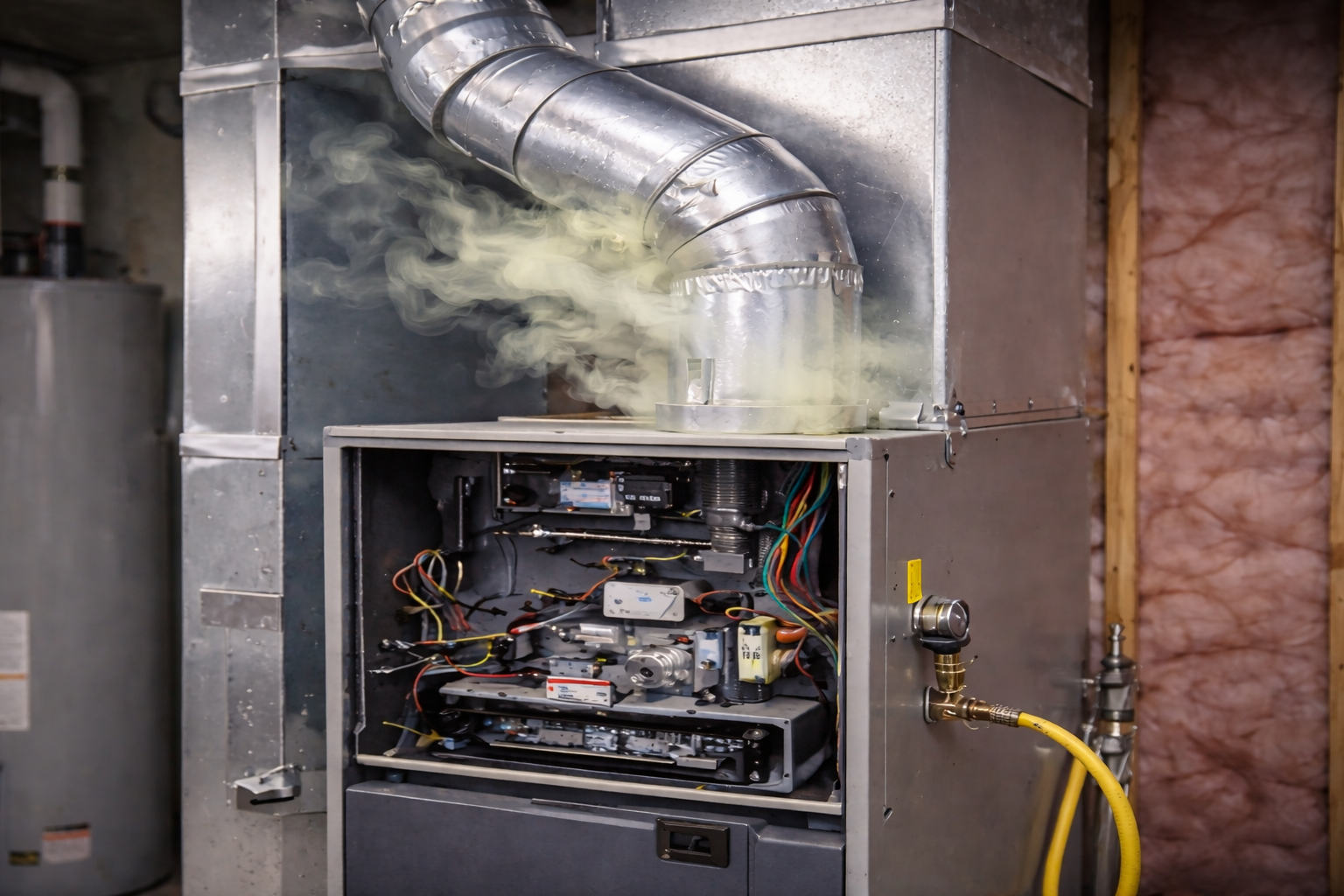
CO forms when fuel burns without enough oxygen. In the field we see this whenever a furnace is starved for air: dirty filters, blocked registers or duct restrictions cut airflow, the flame goes lazy instead of crisp blue, and combustion becomes incomplete, which drives CO upward. It is like a campfire that smokes when you smother it.
Proper ventilation and design airflow keep burners stable. Clean filters and unobstructed registers let the furnace breathe so fuel and oxygen mix correctly. If airflow or venting is disrupted, backdrafting can occur, where exhaust reverses into the space, compounding incomplete combustion and increasing CO production.
Signs and Symptoms of a Carbon Monoxide Leak You Should Never Ignore
In the field, we watch for two kinds of clues: changes on the equipment and how people feel in the space. Use this checklist to catch issues early.
- Burner flame should be steady and predominantly blue. Persistent yellow or orange, or a flicker, is a red flag.
- Excessive soot on burners, vent components, or nearby surfaces, especially if it returns after cleaning.
- Rusty, loose, or damaged venting or flue parts.
- Frequent safety shutoffs or nuisance trips.
- Teach everyone the symptoms of exposure: headache, dizziness, nausea, and confusion.
If any of these appear, turn the system off and call a qualified professional. A proper flame resembles a gas stove set correctly, calm and mostly blue.
Schedule Regular Furnace Maintenance and Professional Inspections (What to Ask For)
Hire a certified HVAC technician before each heating season for an annual pre season tune up, and bring them back after any unusual furnace behavior. Regular tune ups can improve furnace energy efficiency by up to approximately 15 percent, which usually shows up as comparable reductions on heating bills. In our experience at Budget Heating (BudgetHeating.com), pre season calendars fill quickly, so schedule early when you can.
- Timing: Book before the heating season begins, and any time the furnace acts out of the ordinary.
- Service scope: Ask for an annual pre season tune up and safety inspection.
- Documentation: Request a written report with measured carbon monoxide levels in ppm, the technician's findings, and recommended corrections. Keep that report with your records.
This approach protects comfort, controls energy costs, and keeps safety front and center all season.
Tradeoffs, Common Mistakes and When Furnace-Focused Solutions Aren't Enough
In colder regions, furnaces run longer, so a pre-season tune-up is especially important. Codes also vary by state and city: some require CO alarms at sale or in rentals, and local authorities having jurisdiction may add their own rules. We have seen good systems fail inspections simply because a local detail was missed.
- Assuming new or high-efficiency furnaces cannot leak CO.
- Believing air conditioners produce CO.
- Skipping professional installation and annual maintenance.
- Relying only on a basic CO alarm without testing or replacing it as needed.
- Ignoring venting or combustion air problems.
- Assuming the furnace is the only possible CO source.
- Running generators or fuel-burning tools indoors.
- Dismissing technician CO warnings as a scare tactic.
There are times a furnace-centered fix is not the right answer. Very old units with compromised heat exchangers should be replaced, not patched. In very tight or higher-risk homes, sealed combustion or dedicated combustion air can be the better path. If eliminating on-site CO risk is the goal, non-combustion options such as electric heat pumps or geothermal systems are the clear alternatives. Think of a CO alarm like a seatbelt, helpful, but it does not replace safe driving habits.
10 Practical Steps Homeowners Can Take Today to Reduce CO Risk
- Install CO detectors on every level and near bedrooms; test monthly.
- Never idle vehicles or run generators in an attached garage.
- Operate grills and portable generators only outdoors, well away from windows, doors and air intakes.
- Do not use ovens or ranges to heat; use a vented hood when cooking.
- Replace or clean furnace air filters every 30 to 90 days.
- Keep supply and return registers clear; vacuum nearby; maintain 2 ft clearance around the furnace and other HVAC components.
- Check outdoor vents and flue caps often; clear snow, leaves and lint.
- Include water heaters, dryers, ranges and fireplaces in your routine; keep them maintained and vented correctly.
- Open the fireplace damper before use; crack a window in very tight homes.
- Keep a simple log of filter changes, detector tests and service visits; set reminders.
Check the Heat Exchanger and Combustion Components: Professional Tests and Limits of DIY
The heat exchanger is the sealed wall that keeps flame gases out of indoor air. In our field work, a confirmed crack is a safety failure, not a repair project. The furnace should be deactivated or replaced, never patched.
Licensed technicians inspect exchangers with mirrors, cameras, and pressure checks to find cracks, rust, or corrosion.
- Combustion analysis and CO testing
- Gas work of any kind
- Burner adjustments and tuning
- Ignition and safety control checks
- Venting or chimney modifications
DIY should stop at observation only. If you notice odd odors, soot, or unstable flames, do not open panels or touch gas components.
Ensure Proper Venting, Flue and Chimney Clearance: Visual Checks and Regional Concerns
Safe venting depends on two basics, a clear path for flue gases and enough combustion air for the burner to breathe. Homeowners can perform these simple checks between professional service:
- Keep combustion air openings, louvered doors, and grilles to the furnace room unobstructed. Do not tape or store items against them.
- Use kitchen and bath exhaust fans to improve ventilation with gas appliances, but avoid running large exhaust fans continuously if equipment is naturally vented.
- Inspect visible vent and flue pipes for corrosion, cracks, sagging, loose joints, or missing supports.
- Confirm metal flues pitch upward toward the chimney. High efficiency PVC venting should be intact and properly supported.
- Clear exterior vent and chimney terminations of snow, leaves, nests, and debris.
Regional note: In snowy climates, keep sidewall terminations above drifts and manage condensate so it cannot freeze or block the outlet. These basics support stable draft and reliable operation.
Install, Place and Maintain Carbon Monoxide Detectors (Test, Reset and Alarm Steps)
Install CO alarms listed to UL 2034 or UL 2075. Follow the manufacturer's instructions and IRC/NFPA 72. Place units on every level and outside each sleeping area, kept away from supply vents, windows, and high humidity rooms. Interconnected or monitored models broaden coverage.
- Test monthly with the button. Replace batteries as directed.
- Replace each unit every 5-7 years, or per its label.
- If an alarm sounds, go to fresh air, call 911 from outside, do not reenter until responders clear the home, then have fuel-burning appliances inspected. Reset only after the cause is fixed.
Key Takeaways and Next Steps to Keep Your Furnace From Leaking Carbon Monoxide
CO safety rests on three pillars: pro maintenance, correct installation and venting, and dependable CO alarms. If an alarm sounds, get to fresh air, call 911 from outside, and wait for clearance before restarting. For long term safety, size replacements correctly, choose sealed combustion or direct vent equipment, or switch to a heat pump to eliminate on site CO risk. Whether you had a scare or are planning ahead, this is a big decision. With 30+ years in HVAC, we pair wholesale pricing with real technical support to make it simple.
- Get a Custom Quote
- Talk to Our Team by phone for U.S.-based support
- Shop Furnaces and Heat Pumps
 Cooling
 Heating
 Money Saving Tips
 Product and Brands Insights
 Buying Guides
 State by State
 HVAC Systems