





 how to guide
 hvac systems
 learning center
Why Preparing Your HVAC for Winter Matters: A Quick Overview
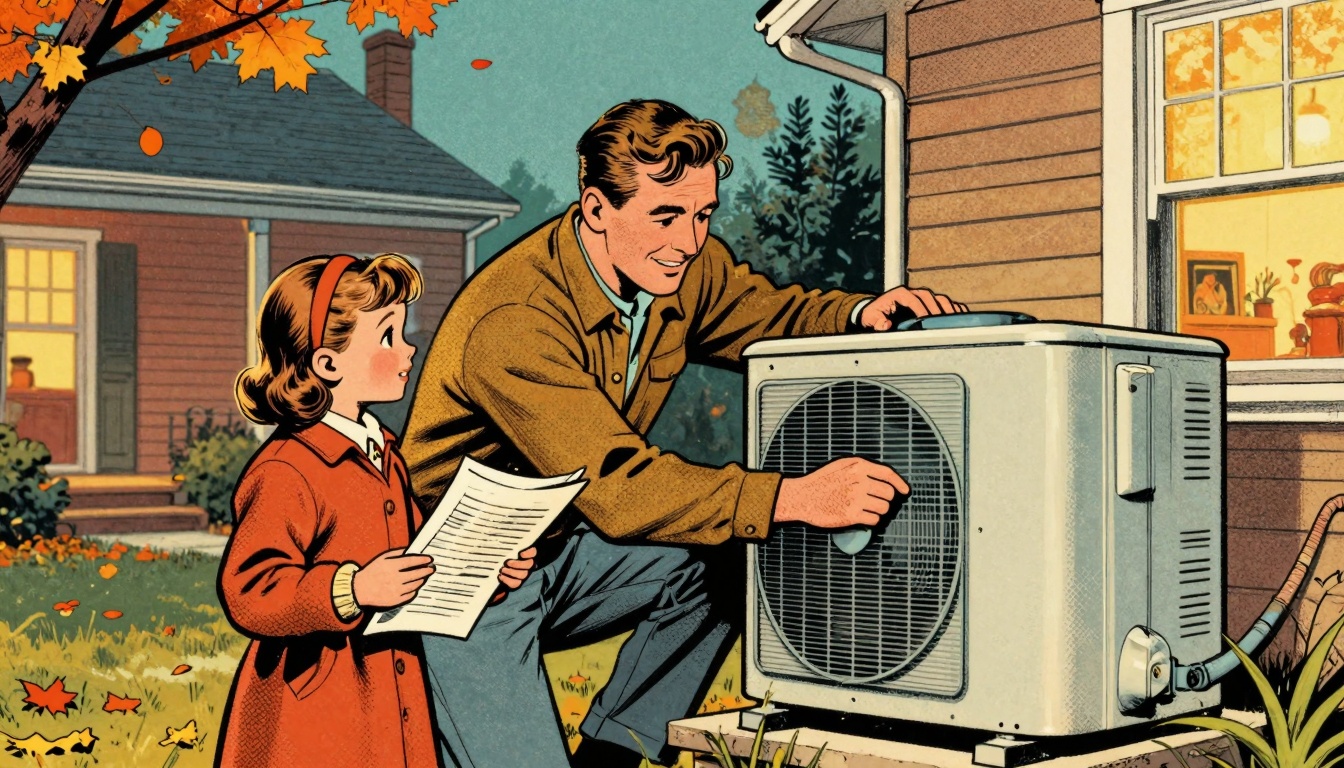
As temperatures drop, your HVAC system faces its toughest workload. Preparing now delivers steadier comfort, lower energy bills, cleaner indoor air, and longer equipment life. In the field, we see pre-winter inspections catch the problems that cause no-heat calls in January: dirty or cracked heat exchangers, airflow restrictions, failing components, and leaking or blocked ducts. Finding these early keeps you warm and avoids mid-season breakdowns.
Preparation also pays back on efficiency. Cleaning internal components, sealing duct leaks, and tightening up thermostat schedules, or upgrading to a programmable thermostat, reduces run time and lowers utility bills. It helps the air you breathe too. Removing dust and debris from ducts, registers, and vents limits particulates and allergens that otherwise recirculate during long heating cycles. Think of it like checking the roof before a storm: a little work before winter prevents bigger problems later. Homeowners can handle filter changes, vent cleaning, and thermostat setup. Tasks that involve gas, high voltage, or heat exchanger inspection are best left to a qualified professional.
When to Schedule Winter HVAC Maintenance: Timing & Frequency
Book a professional pre-winter tune-up in early fall, while weather is mild. A technician can inspect internal components and identify problems before the first cold snap. Skipping annual or pre-season maintenance lets hidden issues worsen and raises the chance of failures during peak demand.
For cadence, plan routine, documented service at least once a year, and often twice: pre-winter for heating and pre-summer for cooling. This regular, written record is commonly recommended and is often required to keep manufacturer warranties valid.
To stay consistent, enroll in a maintenance plan. It reduces the risk of mid-season breakdowns and ensures service is performed and documented on schedule, rather than forgotten when the calendar gets busy.

DIY Winter HVAC Checklist: What Homeowners Can and Should Do
From decades in the field, we recommend this homeowner-safe checklist to get ready for cold weather, stay comfortable, and avoid preventable issues. It also outlines where to stop and call a licensed technician.
- Replace or clean air filters at the start of heating season. Check monthly and replace every 1 to 3 months based on pets, allergies, and filter MERV rating.
- Confirm supply and return vents are open and unobstructed. Vacuum dust from grilles. Think of airflow like breathing through a scarf, blockage makes the system work harder.
- Test and program your thermostat for winter schedules. Replace batteries and consider a programmable or smart model for automated setbacks.
- If you have a whole-home humidifier, replace the media pad and set a winter target around 30 to 40 percent RH to boost comfort without window condensation.
- For heat pumps and other outdoor units, clear leaves and debris, maintain about 2 feet of clearance on all sides, ensure the unit is level, and keep drainage paths open. Never block airflow with covers or snow.
- For oil or propane systems, check and top off fuel tanks before peak season and make sure shutoff valves remain accessible.
- Reverse ceiling fans to clockwise on low to gently push warm air down from the ceiling.
- Insulate exposed refrigerant lines, water pipes, and duct runs in unconditioned spaces to reduce heat loss and freeze risk.
- Keep records of filter sizes, replacement dates, maintenance visits, and any error codes or unusual noises.
Know your limits: do not open blower or electrical compartments, attempt refrigerant servicing, or adjust combustion components yourself. Those tasks require licensed technicians for safety and proper operation.
Inspect and Seal Ductwork: Improve Airflow and Efficiency
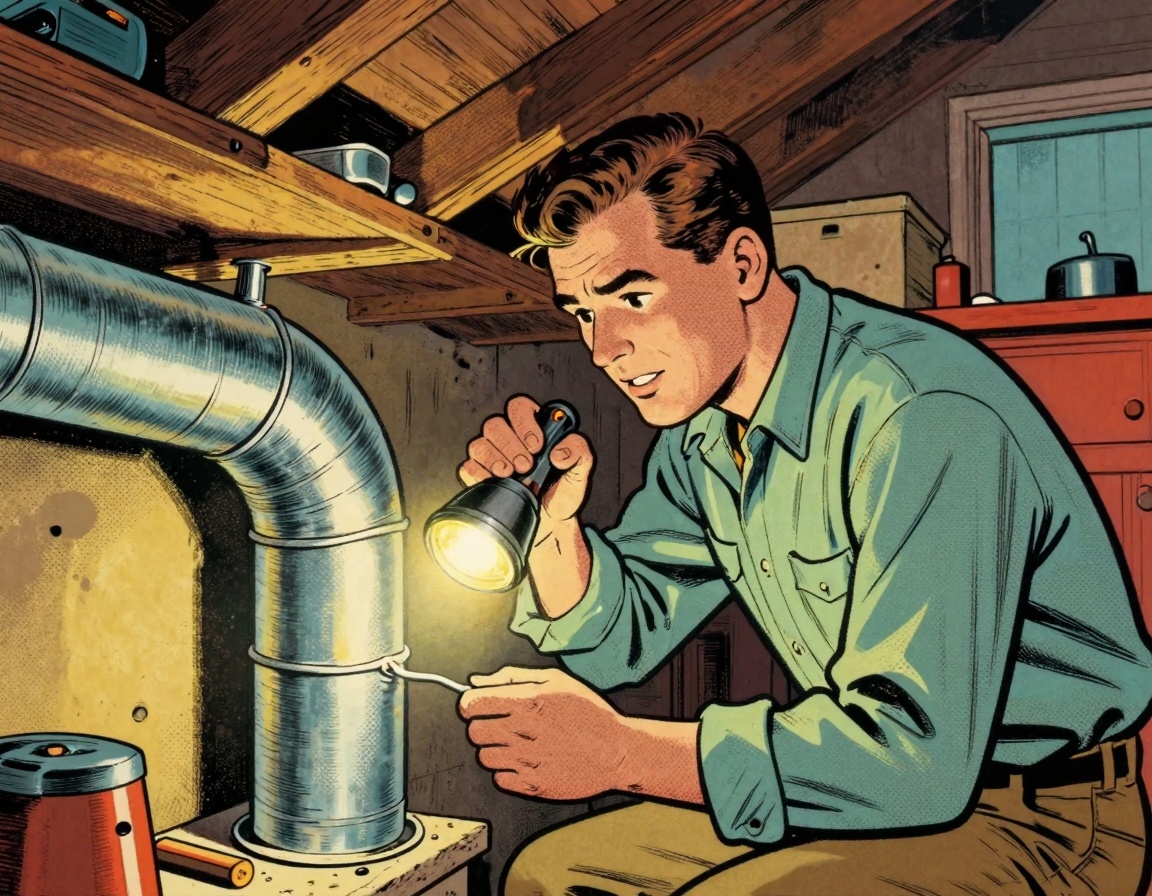
Leaky or constricted ducts rob airflow, like sipping through a cracked straw. That means longer run times, uneven rooms, and extra strain on the blower. At Budget Heating (BudgetHeating.com), sealing and insulating ducts delivers quick gains in comfort and efficiency.
- Check visible ducts in attics, basements, and crawlspaces for loose joints, gaps, crushed sections, or missing insulation.
- Run the system and feel for leaks at seams and takeoffs, then verify airflow at supply and return registers.
- Re-secure loose connections with screws or straps, and straighten or replace crushed sections.
- Seal all joints with duct mastic or UL-rated metal-backed foil tape. Avoid cloth or non-rated tapes.
- Insulate ducts in unconditioned spaces to keep air at the right temperature.
When airflow paths are clean and sealed, the blower and motor operate within design limits, reducing wear and extending life. You also cut hot and cold spots for more even heat throughout the home.
Prepare Air-Water & Hydronic Heating Systems for Winter
Before the first cold snap, we focus on circulation, freeze protection, and limiting heat loss. Air pockets in hydronic piping act like bubbles in a straw, they interrupt flow and cause cold spots.
- Boilers and radiators: bleed trapped air from each radiator until a steady stream appears, then verify boiler pressure and the expansion tank condition before winter.
- In floor and other closed loop hydronic systems: confirm antifreeze concentration or other freeze protection to prevent freeze damage.
- Improve the building envelope: seal air leaks and add insulation. Reducing heat loss helps hydronic systems maintain comfort more efficiently.
Professional Pre Winter Tune Up: What Technicians Do (and Why)
Before the cold sets in, a licensed tech runs a preflight-style checklist to ensure your furnace or heat pump starts safely and efficiently.
- Clean, inspect, and test the furnace or heat pump, verify thermostat operation, and confirm proper startup and shutdown sequences.
- Test burners and gas connections, then inspect and clean combustion components and the heat exchanger for safe flame and intact metal.
- Check and tighten electrical connections, and lubricate moving parts where the manufacturer specifies.
- Flush condensate lines, clear traps, and test condensate pumps on high-efficiency units to prevent leaks and lockouts.
- Confirm safety controls and sensors, and verify venting and combustion-air paths are correct.
Certain work is strictly pro-only for safety and compliance: any task involving high voltage, refrigerant handling, sealed circuits, or combustion-system repairs requires licensed, certified technicians. The sealed refrigerant circuit must not be opened by unqualified persons.
Good safety practice includes shutting off power before service, not removing protective panels without training, and confirming smoke and carbon monoxide detectors work. In our experience at Budget Heating (BudgetHeating.com), this attention to detail prevents the small issues that become midwinter no-heat calls and keeps you aligned with warranty and code requirements.
Inspect and Maintain Your Furnace, Boiler or Heat Pump
From years in the field, we separate homeowner tasks from technician work. Homeowners should replace or wash filters, keep supply and return vents open, gently vacuum grilles, and keep outdoor units clear of leaves, grass, and snow. Professionals handle combustion checks, refrigerant systems, high-voltage electrical, deep cleaning, and safety-control diagnostics.
- Furnace: Swap the filter regularly and keep the return path unobstructed. A technician inspects burners and ignition, verifies gas pressure and safety controls, checks the heat exchanger, and lubricates the blower if the bearings are serviceable.
- Boiler: Keep the area clean, ensure radiators or baseboards are not blocked, and watch for leaks. A technician evaluates combustion, relief and venting hardware, circulators, and lubricates pump motors where the manufacturer allows.
- Heat pump: Rinse the outdoor coil with low-pressure water and maintain clear airflow around the unit. A technician checks refrigerant charge and lines, verifies defrost operation, and tests auxiliary and emergency heat stages so backup heat works when needed, like a fridge pausing to melt frost.
When a Heat Pump (or DIY Fix) May Not Be the Best Choice: Tradeoffs & Myths
Heat pumps work well in many homes, but they are not a fit in every case. In cold climates with limited insulation and air sealing, they can struggle on the coldest days without reliable backup heat. In those situations a dual fuel setup or a high AFUE furnace as the primary heater often performs better. We choose by winter metrics, HSPF or HSPF2 for heat pumps and AFUE for furnaces, and size with an ACCA Manual J to avoid undersizing or oversizing. If the plan is to lean on quick DIY moves instead of fixing airflow and ducts, expect disappointing results.
- Myth: closing vents in unused rooms saves energy. Reality: it raises duct static pressure, can force air through leaks, strains the blower, and creates comfort imbalances.
- Myth: thermostat placement does not matter. Reality: sun, fireplaces, or drafts mislead the thermostat, causing short cycling and uneven heating.
- Myth: the highest MERV filter is always best. Reality: overly restrictive filters choke airflow, reduce efficiency, and stress the blower. Use filters compatible with the system.
Optimizing Efficiency & Regulatory Context: SEER2, HSPF and Cost Considerations
Efficiency ratings can be confusing, here is the version we use in the field. SEER and SEER2 both describe seasonal cooling efficiency. Since 2023 the U.S. test moved to SEER2, which raises external static pressure during testing to mirror real duct conditions. That change shifts the numbers, so compare SEER to SEER or SEER2 to SEER2 only, and rely on the EnergyGuide label for apples to apples comparisons.
Regional minimums vary by climate zone, and heat pumps now have a nationwide minimum. Codes, rebate programs and standard adoption differ by state and utility, so verify local requirements and any incentives.
Modern systems run from the low to mid teens up to the mid 20s in SEER. Upgrading an older ~14 SEER unit to ~20 SEER can cut cooling electricity roughly 20 to 40 percent, if ductwork and installation quality are up to par.
Efficiency depends on comfort settings. In winter, keep indoor humidity near 30 to 50 percent to balance comfort and condensation risk. Specific cost ranges are not listed, since totals depend on local pricing, installation scope and rebates.
Final Checklist & Next Steps: Be Winter-Ready
Change filters, open vents, clear 2 to 3 feet around outdoor units, and verify thermostat schedules. Pair those DIY checks with a pro tune-up to enter winter safe, efficient, and reliable. If you smell gas, hear odd noises, see yellow or unstable flames, uneven heat, or a sudden bill spike, call a certified technician now. If you want a second set of eyes, our factory-authorized team has 30+ years of hands-on HVAC experience.
- Get a Custom Quote
- Talk to Our Team by phone, U.S.-based
- Shop Heating Equipment at wholesale pricing
 Cooling
 Heating
 Money Saving Tips
 Product and Brands Insights
 Buying Guides
 State by State