





 how to guide
 learning center
How to Improve Ventilation in Your Home: A Practical Overview
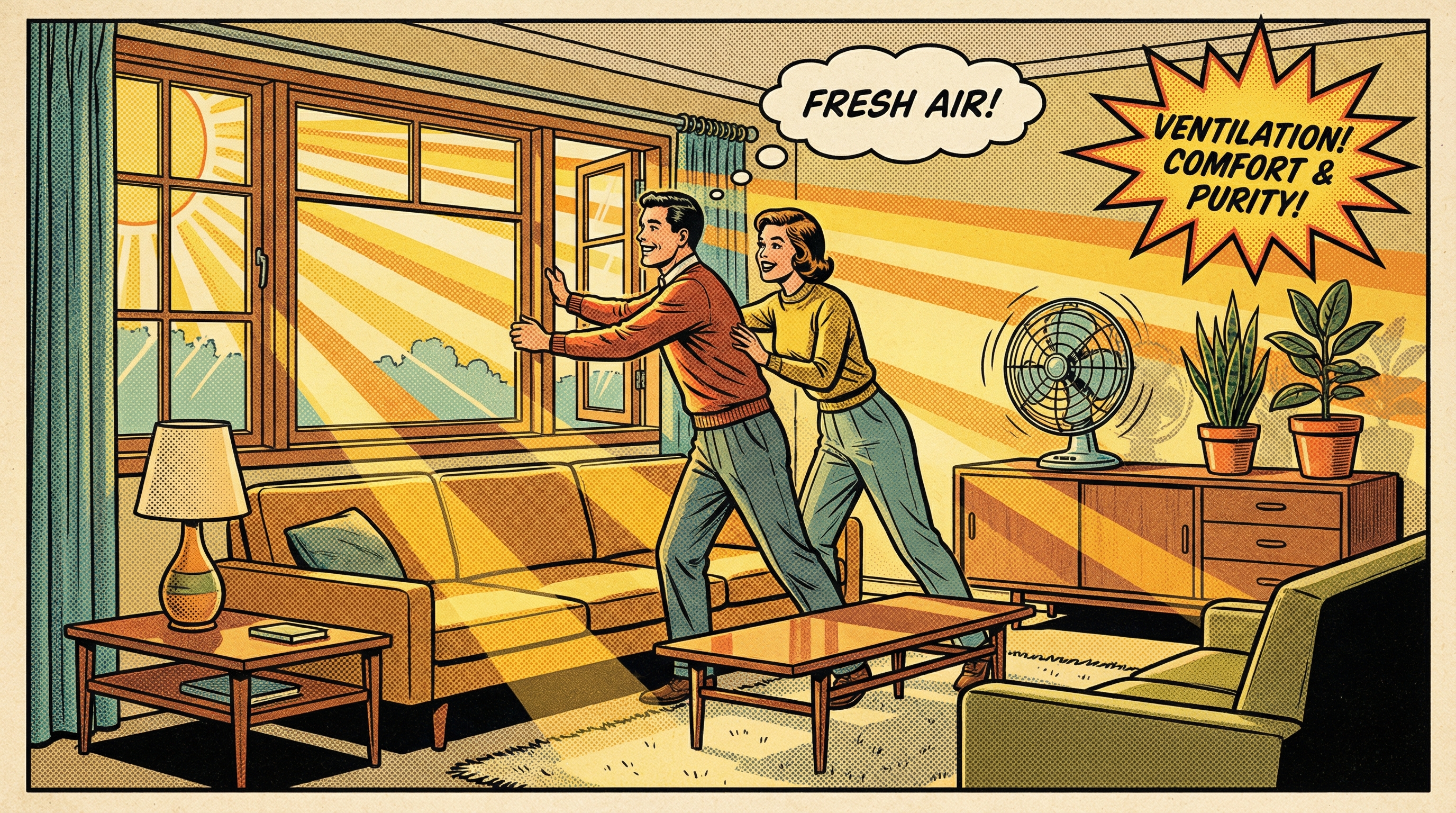
Fresh air is not a luxury, it is the backbone of a comfortable, healthy home. In our field work, the homes that feel the best use a mix of strategies, not just a cracked window. Practical ventilation blends natural airflow from windows when weather allows, targeted local exhaust from kitchens and baths, whole-house mechanical ventilation where needed, and solid HVAC design and upkeep so the air you breathe stays clean and consistent.
Good ventilation is a plan, not a guess. It means:
- Fresh air has a clear way in, and stale air has a reliable way out.
- Moisture, smoke and odors are captured at the source with effective fans.
- Air moves through living areas evenly, without drafts or hot and cold pockets.
- Pressure stays balanced, so you are not pulling dusty or humid air from attics or crawlspaces.
- Filtration and humidity control support the ventilation, reducing irritants and mold risk.
- Equipment is right sized, quiet, and simple to maintain, so performance stays steady over time.
Why Ventilation Matters: Health, Comfort, and Energy
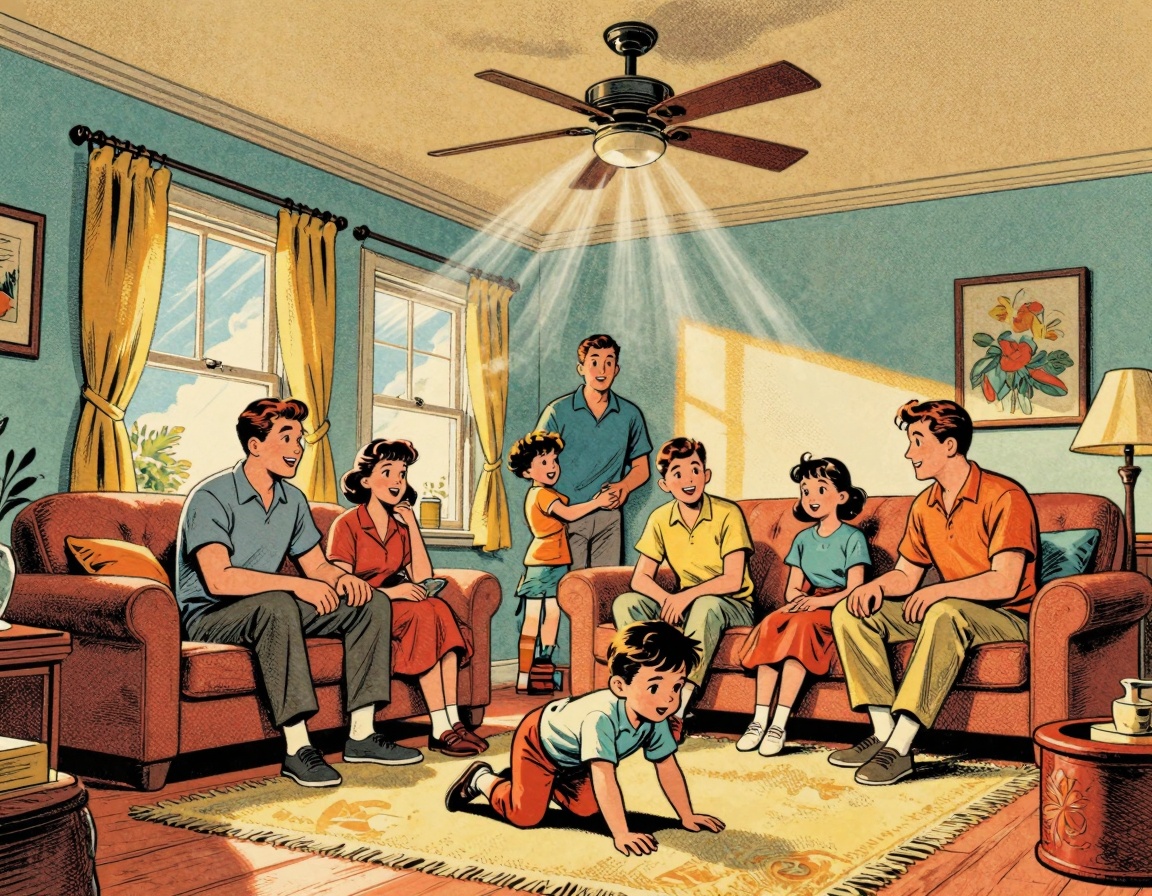
Good ventilation is the quiet hero of a comfortable home. It dilutes indoor pollutants, clears stuffy air and musty odors, and keeps conditioned air moving so rooms feel more even. Think of it like adding new lanes to a busy road, air travels smoothly instead of backing up in corners. When air mixes well, you get fewer hot and cold spots and a more consistent feel from room to room.
Ventilation does not stand alone. Equipment size and run pattern set the stage for how well air actually circulates. Oversized systems tend to short cycle, which cuts run time, weakens humidity control, and reduces air mixing. Right sized equipment runs steadier and supports effective ventilation throughout the home. The result is more reliable comfort and indoor air quality.
A simple planning guide: provide roughly 1 square foot of ventilation area for every 500 square feet of living space. That total can come from a blend of operable windows, exhaust fans, and passive vents. Used with a properly sized system, this practical balance keeps fresh air coming in, stale air moving out, and the conditioned air you pay for distributed where you actually live.
Signs Your Home Has Poor Ventilation (What to Watch For)
In our field checks, poor ventilation shows up in everyday comfort. Watch for stuffy or stale air, persistent musty odors, visible condensation on windows or walls, and recurring mold or mildew. Temperature tells a story too: uneven rooms with hot or cold spots point to air that is not moving or exchanging properly. In winter, frequent static shocks, cracking wood trim, or sore throats often signal air that is too dry or poorly balanced.
- Do a walk-through with doors closed for an hour, then note any stale or musty smell.
- Check morning windows for moisture beads or fogging.
- Look for mold specks in bathrooms, closets, and behind furniture.
- Log room temperatures and where static shocks happen most.
Quick DIY Steps to Improve Ventilation (Windows, Fans, Layout)
Think of a home like a pair of lungs: air needs clear paths in and out to stay fresh. Small habits go a long way.
- Keep supply and return grilles unblocked. Move furniture and rugs, then wipe and vacuum vents. Clean dust from fan grilles.
- Check your HVAC filter monthly in heavy seasons and replace it when it looks loaded. A clean filter keeps airflow up.
- When outdoor air is clean and conditions are mild, open windows on opposite sides to create cross ventilation. Use a window or box fan blowing outward to pull stale air out, and crack another window for makeup air.
- Control sources: run kitchen and bath exhausts while cooking or showering to remove moisture and pollutants at the source.
- Help air mix between rooms by keeping interior doors and return paths open where practical.
- Use ceiling and portable fans to boost air movement. Fans cool people, not rooms, so turn them off when you leave.
Forced Ventilation, Pressure Balance and Honest Tradeoffs
Forced mechanical ventilation uses fans and ducts to move outdoor air on purpose. Common approaches are supply only, exhaust only, and balanced systems like HRVs or ERVs. In tight homes, or when moisture and pollutants need predictable control, forced ventilation is not optional, it is the tool that keeps indoor air healthy. Opening windows is not enough in many climates, and it becomes the wrong choice during wildfire smoke, heavy pollution, extreme heat or cold, or high pollen. In those cases, rely on recirculation and filtration instead.
Pressure balance matters. Think of the house like a balloon that prefers staying close to neutral. Strong negative pressure can pull dusty or humid air from attics and crawlspaces and can backdraft combustion appliances. Excessive positive pressure can push moist indoor air into wall cavities. We regularly see another pressure mistake: closing vents in unused rooms. It raises duct static pressure, chokes airflow, hurts comfort, and can increase energy use.
Filter choice also affects ventilation performance. The highest MERV filter is not always better. If the filter is too restrictive for the blower, airflow drops and ventilation effectiveness suffers. Use a rating the system supports and replace it on schedule.
- Humid climates: continuous exhaust only can drag moisture into assemblies. An ERV or a dehumidifier with sensor controls is safer.
- Tight budgets or simple needs: HRV or ERV improves IAQ but adds cost and maintenance. Supply only or spot exhaust can be the better fit.
- Wildfire or severe pollution days: avoid outdoor intake, use recirculation with proper filtration or room air cleaners.
Types of Home Ventilation: Natural, Mechanical, and Hybrid Options
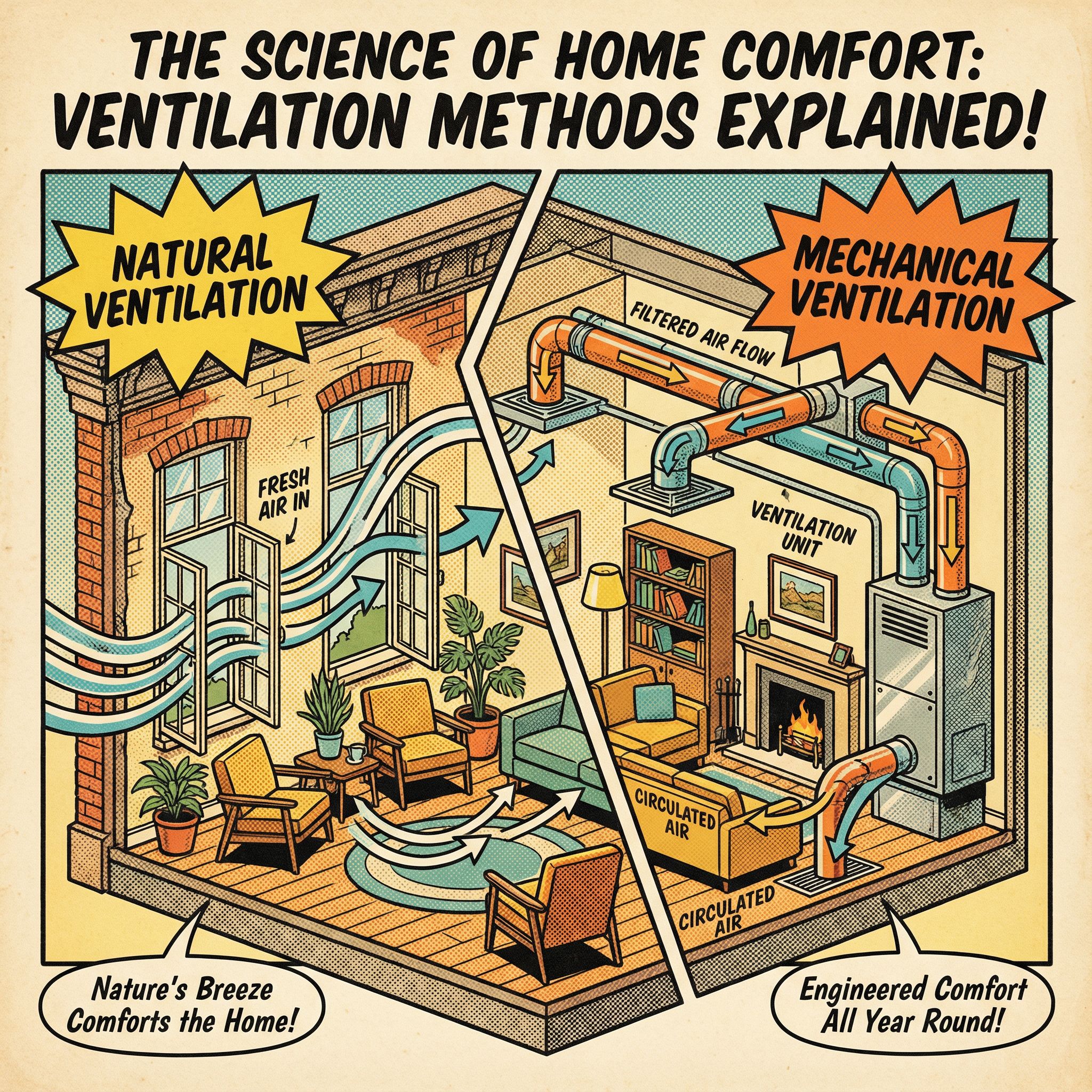
Most homes use a mix of strategies to move fresh air through the living space. The main approaches are natural ventilation, spot ventilation, and whole-house mechanical ventilation, each fitting different needs and climates.
- Natural ventilation: Opening windows and doors lets breezes flush out stale air. It works best in mild weather with low outdoor pollution and pollen. It is simple and free, but airflow is unpredictable and depends on wind and temperature.
- Spot ventilation: Range hoods and bathroom fans remove moisture, odors, and pollutants right where they form. Use them during and after cooking or showering in any home, any season, to control humidity and improve indoor air quality.
- Whole-house mechanical: Supply-only, exhaust-only, or balanced systems provide controlled, continual fresh air. These are well suited for tighter or newer homes and for regions with long heating or cooling seasons where predictable airflow matters.
In practice, a hybrid approach is common: run spot fans as needed, open windows when conditions are favorable, and rely on a whole-house system for a steady baseline of fresh air.
Using Exhaust Fans, Range Hoods and Bathroom Fans the Right Way
Spot ventilation is about capturing moisture and pollutants at the source, like placing a vacuum where the dust is. Install kitchen range hoods and bathroom fans so they vent outdoors, not recirculate back into the space. That way, humid air and cooking byproducts leave the house instead of moving around inside.
Operate fans during the activity and keep them running for 20 to 30 minutes after. In bathrooms, a quiet continuous low rate with a boost for showers works very well to keep humidity in check. In our experience at Budget Heating (BudgetHeating.com), this simple runtime strategy delivers reliable results without overcomplicating controls.
Exhaust-only approaches can work in some climates, but avoid continuous negative pressure in humid regions. Running fans 24/7 in those areas can draw moist air into building assemblies, so use them as needed rather than nonstop.
Ceiling Fans, Portable Fans and Airflow Optimization Tips
Ceiling and portable fans boost air movement across skin, improving perceived comfort without lowering the room temperature. Turn them off in unoccupied rooms. For particles, portable HEPA purifiers clean the air in key rooms, especially when outdoor air is poor and windows must stay closed.
- Keep interior doors open when practical to improve mixing.
- Place purifiers in high-use rooms and avoid tight corners.
- Make sure fans and cords do not block supply or return paths.
HRV vs ERV and the Energy Impact of Ventilation Upgrades
Choose an HRV in cold, dry climates to recover heat without adding moisture, and an ERV in mixed or humid climates to transfer both heat and moisture. Run the unit on low continuously for background ventilation, then use a boost mode for showers, cooking, or pollutant events. During wildfire smoke or extreme outdoor humidity, temporarily throttle or pause the outdoor intake and rely on recirculation with a good filter until conditions improve safely.
Ventilation interacts with HVAC efficiency. DOE updated SEER2, EER2, and HSPF2 tests, and raised minimums that vary by region, shaping equipment choices when you bring in more outdoor air or extend fan runtime. In our experience at Budget Heating (BudgetHeating.com), pairing ventilation with a higher SEER or SEER2 air conditioner helps, but duct design and leakage can erase expected gains.
Think of added outdoor air like cracking a car window while the AC runs: the system works harder. To estimate bill impact, compare SEER to SEER and SEER2 to SEER2, account for duct distribution losses, and use a SEER savings calculator. Include added fan runtime from HRV or ERV in that math.
Maintain, Monitor, and Act: A Room‑by‑Room Ventilation Checklist and Next Steps
Keep air moving where it matters, keep contaminants out, and keep equipment tuned. Here is a tight checklist our team uses in the field:
- Kitchen: Run the range hood on cook and 10 minutes after. Verify outside venting and a working backdraft damper.
- Bathrooms: Use exhaust fans during showers and 20 minutes after. Clean grilles and check dampers.
- Laundry: Vent the dryer outside, no screens. Inspect for lint buildup.
- Bedrooms and living areas: Set target airflow in CFM, replace filters on schedule, and use room purifiers when outdoor air is poor.
- Basement, attic, or garage: Insulate any ducts in unconditioned spaces to prevent condensation.
- Whole house: Locate outdoor intakes away from driveways, exhausts, and busy roads, and make sure incoming air is filtered. Clean HRV or ERV cores and have balanced systems checked annually.
Commissioning tips: confirm measured CFM meets targets, verify runtimes, and inspect backdraft dampers. Call a licensed pro for electrical or refrigerant issues, complex ductwork or whole‑house installs, suspected backdrafting, strong odors, CO alarms, or suspected mold or asbestos. Ask contractors which strategy fits your climate, how they will size and commission CFM and runtimes, where the intake will be located and filtered, and how to operate during smoke or extreme humidity.
The big takeaway: blend natural and mechanical strategies, maintain the gear, and use source exhausts and purifiers as conditions demand. If you are deciding what to buy or how to commission it, we can help, start to finish. With 30+ years in HVAC and U.S. phone support, our team will right‑size and ship fast at wholesale pricing.
- Get a Custom Quote
- Talk to Our Team by phone or chat
- Shop Ventilation and IAQ with fast shipping and Affirm financing
 Cooling
 Heating
 Money Saving Tips
 Product and Brands Insights
 Buying Guides
 State by State
 HVAC Systems