




 how to guide
 hvac systems
 learning center
Why Coastal Homes Need HVAC Choices Built for Salt, Humidity, and Storms
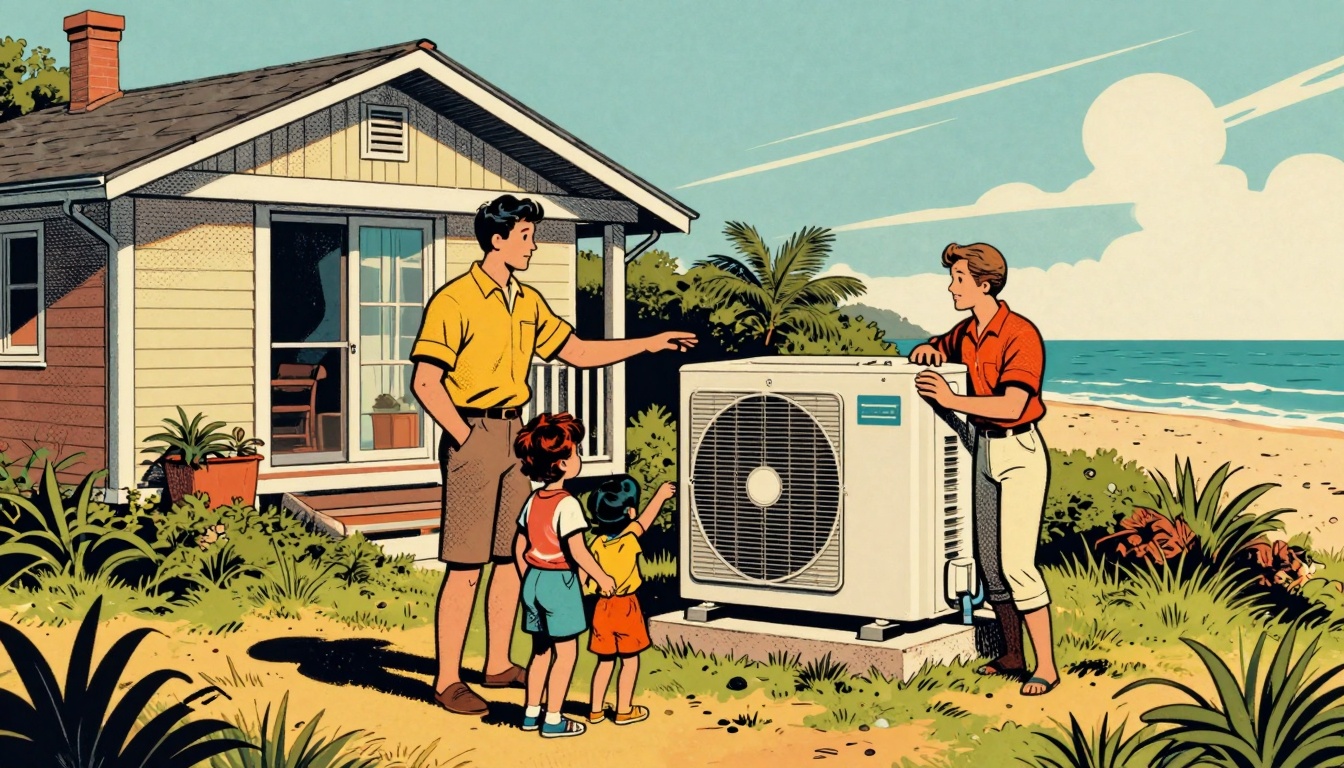
Coastal properties ask more of HVAC systems than inland homes. Salty air behaves like fine sandpaper on metal, high humidity increases the latent load the system must remove to feel comfortable, and storms bring wind, debris, and flood risk. The right equipment and design must manage air quality, moisture, and durability, not just temperature. This guide outlines the coastal factors that shape smart HVAC choices and what features matter in each case. It also means sizing and placement decisions carry more weight near the shoreline.
- Salt-driven corrosion: airborne chlorides attack coils, fasteners, and electrical terminals, so materials and protective coatings become critical.
- Humidity and latent load: even at mild temperatures, moisture removal dictates comfort, mold prevention, and energy use.
- Mold and dampness: poor dehumidification and ventilation feed microbial growth on coils and in ducts, degrading indoor air and efficiency.
- Storm and flood exposure: elevated or wall-mounted condensers, sealed controls, and robust drainage reduce outage and damage risk.
How Salt Air and Moisture Damage HVAC: What Components Are at Risk
In coastal air, salt crystals dissolve into a thin, conductive brine on metal surfaces. Chloride ions strip protective oxide films, so corrosion starts faster, and wind-driven rain plus storm spray push that brine into seams and fins. Without coastal safeguards, outdoor units and nearby ductwork deteriorate early.
- Coils: fins pit and lose heat transfer. Factory epoxy or powder coatings, or polymer-coated coils, slow attack.
- Cabinets and fasteners: uncoated steel rusts. Prioritize coated aluminum housings and stainless steel coils and fasteners where available.
- Electrical compartments: salt moisture bridges contacts. Sealed enclosures protect boards and wiring.
- Drain pans: brine corrodes thin pans. Reinforced, coated pans resist.
Models with explicit coastal packages extend service life, combining factory anti-corrosion coil and cabinet coatings, coated aluminum housings, sealed electrical compartments, reinforced drain pans, and corrosion-resistant fasteners.
Key Coastal Climate Differences: Hot Humid vs. Mild Marine Coasts and What That Means
Coastal climates are not all alike. On hot humid shores like the Gulf and South Atlantic, the cooling season runs long and moisture removal dominates. We prioritize latent load control, meaning equipment that can pull water from the air, and we right size carefully to avoid short cycling that leaves rooms cool but clammy. Along mild marine coasts such as the Pacific Northwest, cooling demand is smaller, yet indoor humidity still matters. Here, high efficiency or cold climate heat pumps shine for most of the year, delivering efficient heating and steady dehumidification.
In short: match the system to the moisture, not just the temperature, and select controls that can manage humidity independently when needed.
Which HVAC Systems Work Best on the Coast: Heat Pumps, Split Systems, Packaged Units, and Mini Splits
A heat pump is a single system that moves heat between indoors and outdoors, so it provides both cooling and heating. In mild coastal climates it is a strong match for year round efficiency, and if winters get cold, choose a cold climate model. Variable speed, or inverter, compressors and blower motors are ideal because long, low speed cycles lower energy use and pull more moisture from the air, like cruise control smoothing a car's speed. In our experience at Budget Heating (BudgetHeating.com), that steady operation is what keeps coastal homes comfortable.
- Ductless mini splits: best for zoning and retrofit needs. No duct losses and room by room control shine in humid rooms and additions.
- Split systems: suited to whole home comfort when you want unified settings. Prioritize inverter equipment for quieter runs and stronger dehumidification.
- Packaged units: a practical fit when a property favors a single consolidated system. Choose inverter versions to maximize comfort and efficiency.
Installation Best Practices for Coastal Conditions: Placement, Elevation, Anchoring, and Duct Protection
We prioritize careful placement and robust mounting in coastal installs to limit corrosion and storm damage while preserving warranties.
- Place outdoor units out of direct salt spray, keep at least 2 feet of clearance, and shield from wind and driving rain without choking airflow.
- Elevate equipment above expected flood levels on rated platforms or wall brackets. Install coil guards or shielding when required.
- Anchor to wind resistant mounts using corrosion resistant hardware per local code, and torque fasteners correctly. Many coastal jurisdictions mandate these details.
- For ducts, use nonferrous or coated materials, seal and insulate all joints, and avoid exposed ferrous parts in outdoor or damp spaces.
Tradeoffs & Limits: When Coastal HVAC Choices Aren't the Right Fit
Coastal-rated and high-efficiency systems have higher first cost. In our experience, buyers weigh that against lower energy bills and fewer corrosion repairs. In many shore markets, moving up in efficiency pays back in 3 to 5 years. Top variable-speed units can cut cooling energy 50 to 60 percent versus baseline. Preventive maintenance trims 5 to 20 percent and avoids many repairs.
- Short ownership horizon: If you plan to move within two years, a 3 to 5 year payback may not pencil out. A mid-tier system plus a strict maintenance plan can be the better fit.
- Humidity is the main problem: High SEER will not guarantee dry air, and oversizing to cool faster hurts dehumidification. Consider right-sized equipment with humidity controls or a dedicated dehumidifier.
- Extreme salt exposure on a tight budget: Coatings alone will not save an outdoor unit in salt spray. Relocation, shielding, and frequent washdowns plus maintenance can be smarter than overspending on features.
Common mistakes: skipping upkeep on coastal-rated gear and choosing by price alone.
Sizing & Performance: Why an ACCA Manual J Load Calculation Matters on the Coast
Coastal homes are a different animal. A proper ACCA Manual J is like tailoring a suit, not buying off the rack. It is a room by room calculation that factors square footage, insulation, window orientation, high solar gain, infiltration from salt saturated air, and elevated humidity. Crucially, it determines both sensible and latent loads, so you avoid rule of thumb tonnage. Done right, Manual J, plus solid duct design and sealing, prevents oversizing that leads to short cycling and poor dehumidification. In some homes, zoning or well placed mini splits makes the design work even better.
SEER2 is the seasonal efficiency metric. On the coast, SEER2 16 or higher and variable speed equipment often deliver better comfort and humidity control, but only if the system is sized by Manual J and the ducts are tight. In our experience at Budget Heating (BudgetHeating.com), the calculation is what turns a high rating into real world results.
- Ask for an ACCA Manual J that includes latent and sensible loads.
- Insist the installer avoids oversizing, and verify duct design and sealing.

Managing Humidity & IAQ: Dehumidification, Ventilation, and Filtration for Coastal Homes
In our experience, comfort and indoor air quality start with moisture control. Prioritize equipment and add-ons that remove humidity efficiently, then support them with ventilation and filtration that fit the home.
- Variable-speed systems: Select equipment with strong dehumidification capability. Variable-speed compressors are designed to target moisture removal effectively.
- Built-in dehumidify modes: Many systems include a dehumidify function that focuses on drying the air without excessive temperature swings.
- Whole-home dehumidifiers: Pair a central system with a dedicated dehumidifier when needed for consistent humidity control across the home.
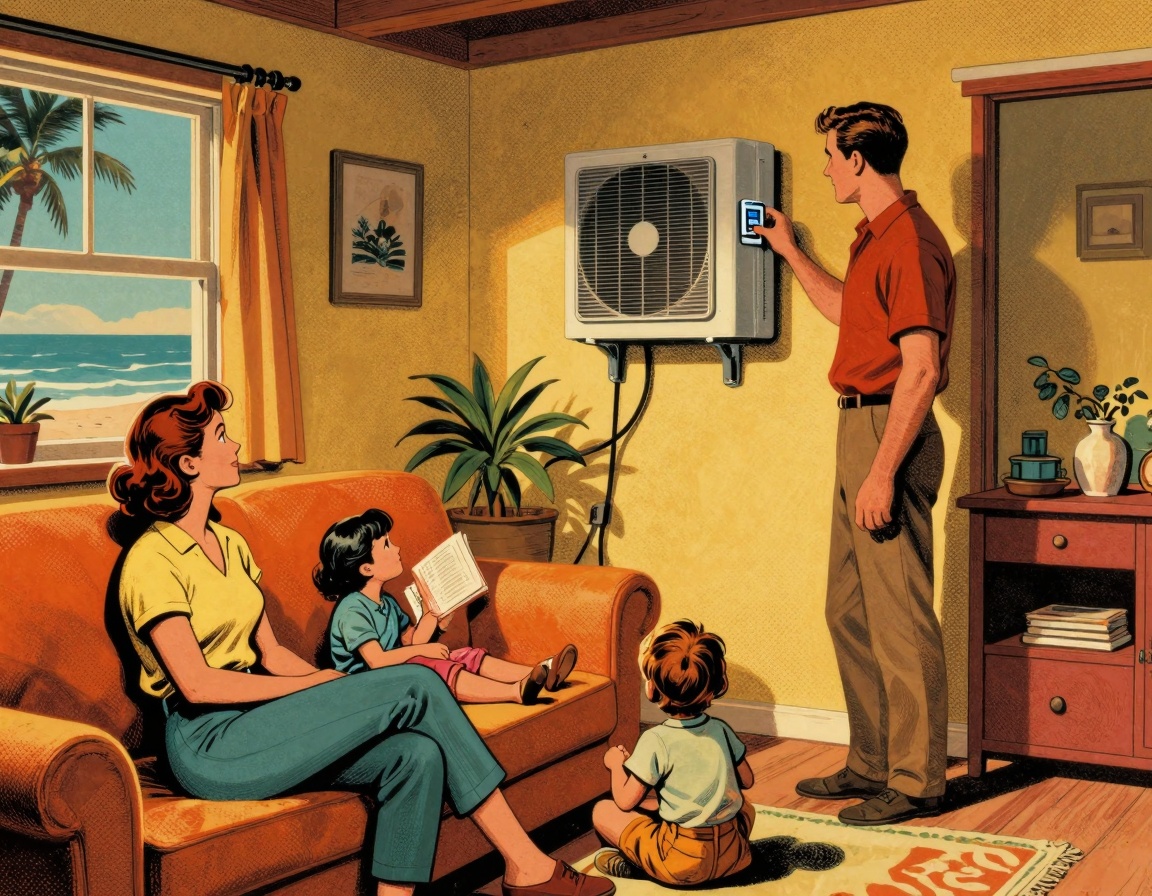
Controls matter. We recommend steady thermostat set points, and smart thermostats with humidity control to improve comfort and reduce short cycling. For IAQ, choose appropriate MERV filters, add filtered fresh-air intake to dilute indoor pollutants, and use UV as needed. UV germicidal lights installed at the evaporator coil help inhibit microbial growth on wet surfaces, keeping coils cleaner and airflow more stable.
This layered approach, dehumidification first, then ventilation and filtration, tackles moisture and air quality together so living spaces feel drier, cleaner, and more consistent day to day.
Maintenance & Service Plan: Rinsing, Anti Corrosion Treatment, Filter Changes and Storm Prep
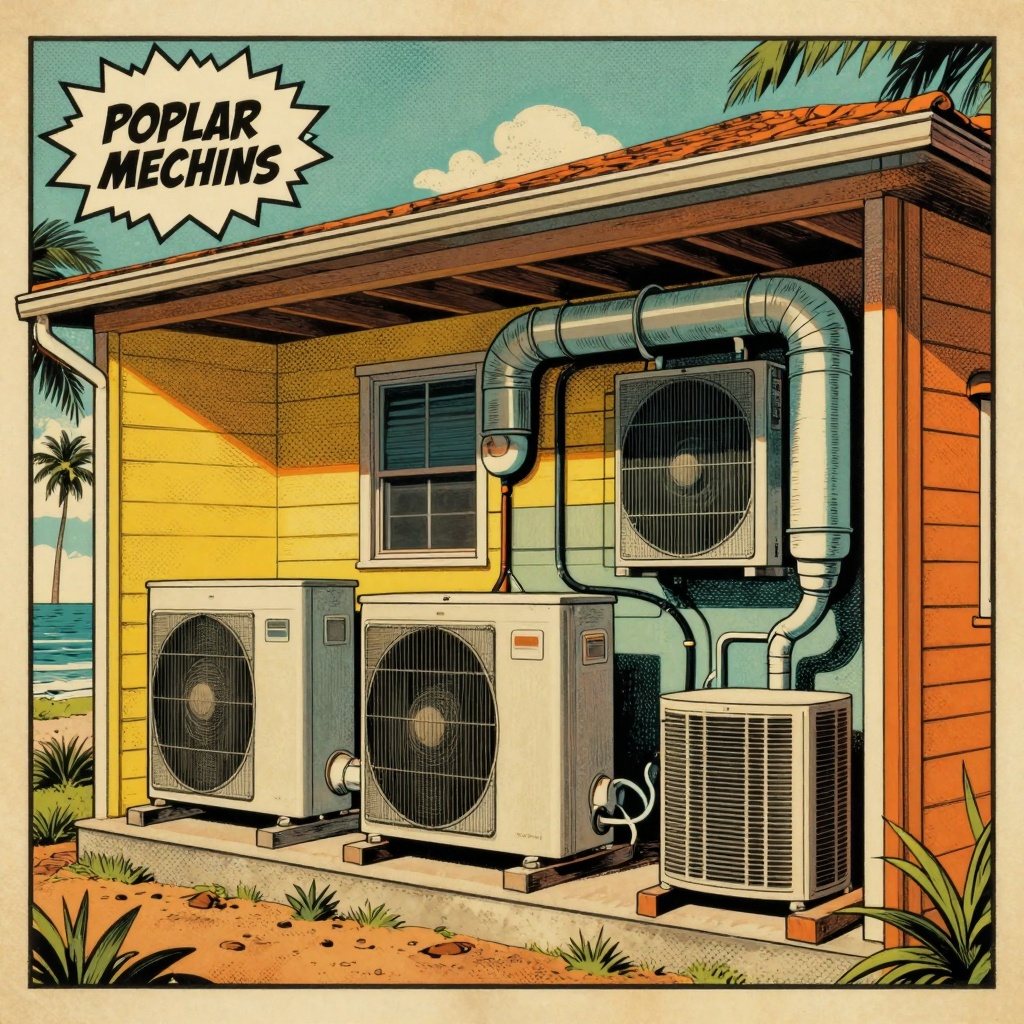
Coastal salt and humidity accelerate wear, so a steady routine pays off. Treat the outdoor coil like a radiator: keep it clean and protected.
- Rinse outdoor units with fresh water every few weeks during high salt spray periods. Use gentle flow only, no pressure washers or harsh cleaners that strip coatings.
- Before any cleaning, power off at the outdoor disconnect. Maintain 2-3 feet of clearance, and check for corrosion, loose hardware, or tilting.
- Replace or clean return air filters every 30-45 days in salty, humid climates to protect airflow and indoor air quality.
- Schedule more frequent coil and fin cleaning, compressor inspections, and replacement of sacrificial parts, since coastal exposure shortens outdoor component life.
- Leave refrigerant, electrical, combustion, installation, and major repairs to licensed pros. EPA 608 certification is required for refrigerant handling.
- After storms, keep systems off if the unit shifted, the pad settled, lines are bent, flooding occurred, or you notice unusual smells or noises.
Confirm warranty terms and any coastal endorsement in advance, since some coverage is limited without a specified coastal package.
Choosing the Right Coastal HVAC: Materials, Sizing, Humidity Control, and What to Ask Your Installer
Bottom line: choose equipment and an installation plan that prioritize corrosion resistance, humidity control, and resiliency. Ask for coastal rated units or a factory coastal package, and verify warranty endorsements cover coastal use. For efficiency and comfort, target ENERGY STAR, aim for about SEER2 16 or higher, and prefer variable speed compressors with ECM blowers. Variable speed systems and mini splits run quietly and keep temperatures even.
Compare quotes apples to apples: SEER2 value, compressor and blower type, humidity features, smart control compatibility, and explicit corrosion protection. Smart thermostats enable remote monitoring, humidity management, and maintenance reminders, ideal for vacation or absentee properties. Confirm efficiencies are listed as SEER2, EER2, and HSPF2 and meet local code. Expect a price premium for coastal coatings, and make warranty terms part of the contract. Choose installers experienced in coastal work, and include hurricane readiness and backup power.
We can handle sizing, materials, and humidity strategy, backed by 30+ years of online HVAC leadership and U.S. based technical support.
- Get a Custom Quote
- Talk to Our Team, call for real phone support from HVAC pros
- Shop Heat Pumps and Ductless Mini Splits
 Cooling
 Heating
 Money Saving Tips
 Product and Brands Insights
 Buying Guides
 State by State