




Heat Pump vs Gas Furnace: A Clear, Practical Overview
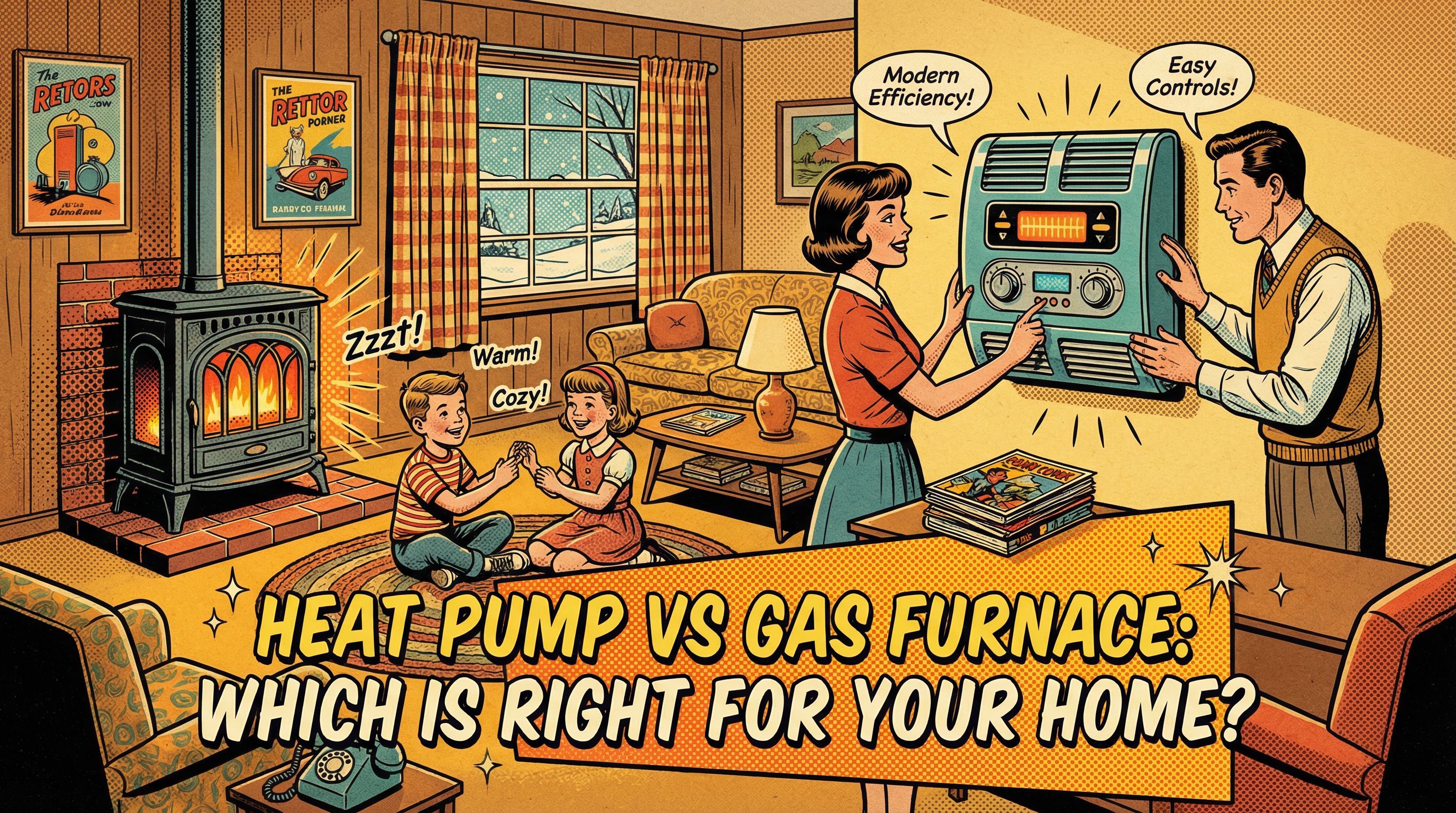
The key distinction is simple: a heat pump transfers heat, a gas furnace generates it. A heat pump moves heat from outdoors to indoors rather than creating it, which is why it typically holds an efficiency advantage. Picture a conveyor belt moving boxes instead of remaking each box from scratch.
Choosing between them affects everyday comfort, monthly energy bills, indoor air quality, and how long the equipment lasts. Typical lifespans: gas furnace about 15 to 20 years, heat pump about 10 to 15 years.
What to expect as you compare: efficiency differences from heat transfer versus heat generation, how your climate can influence performance, up front and operating costs, and routine maintenance needs. Our perspective is practical, shaped by real installations and ownership timelines, so you can weigh tradeoffs clearly and align the system with your home and region.
How Heat Pumps Work: Air-Source, Water-Source, and Mini Splits Explained
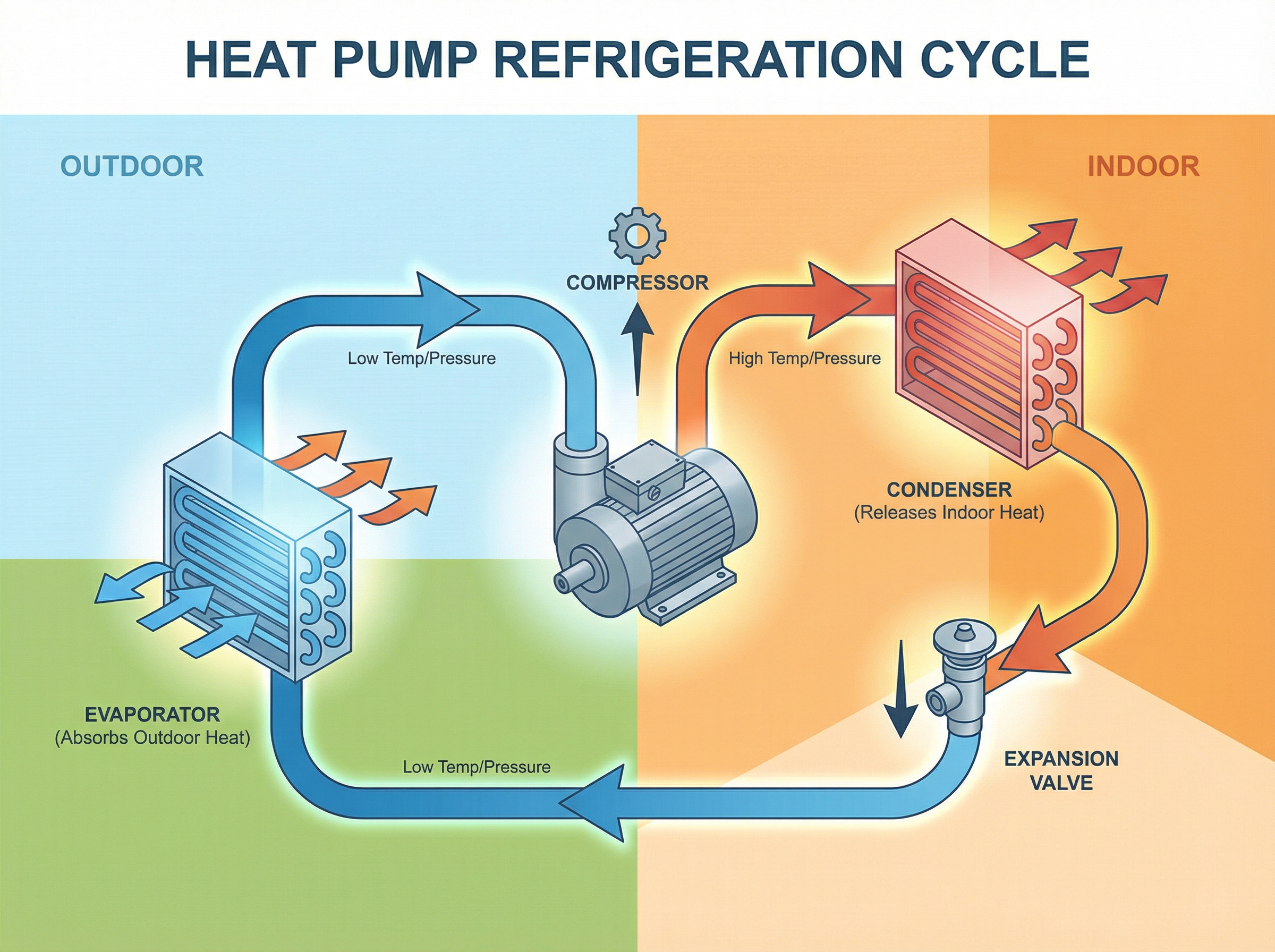
At the heart of every heat pump is the refrigeration cycle. Refrigerant circulates through four key parts: compressor, condenser, evaporator, and a reversing valve. The compressor raises refrigerant pressure and temperature. In the evaporator, refrigerant boils and absorbs heat from its surroundings. In the condenser, it condenses and releases that heat. The reversing valve switches the flow so the indoor and outdoor coils trade jobs for heating or cooling.
In cooling mode, the indoor coil acts as the evaporator, pulling heat from indoor air and sending it outside. In heating mode, the outdoor coil becomes the evaporator, gathering heat from outside air or water, and the indoor coil becomes the condenser, releasing warmth inside. This single system provides both heating and central cooling, a major convenience compared to a separate furnace and air conditioner.
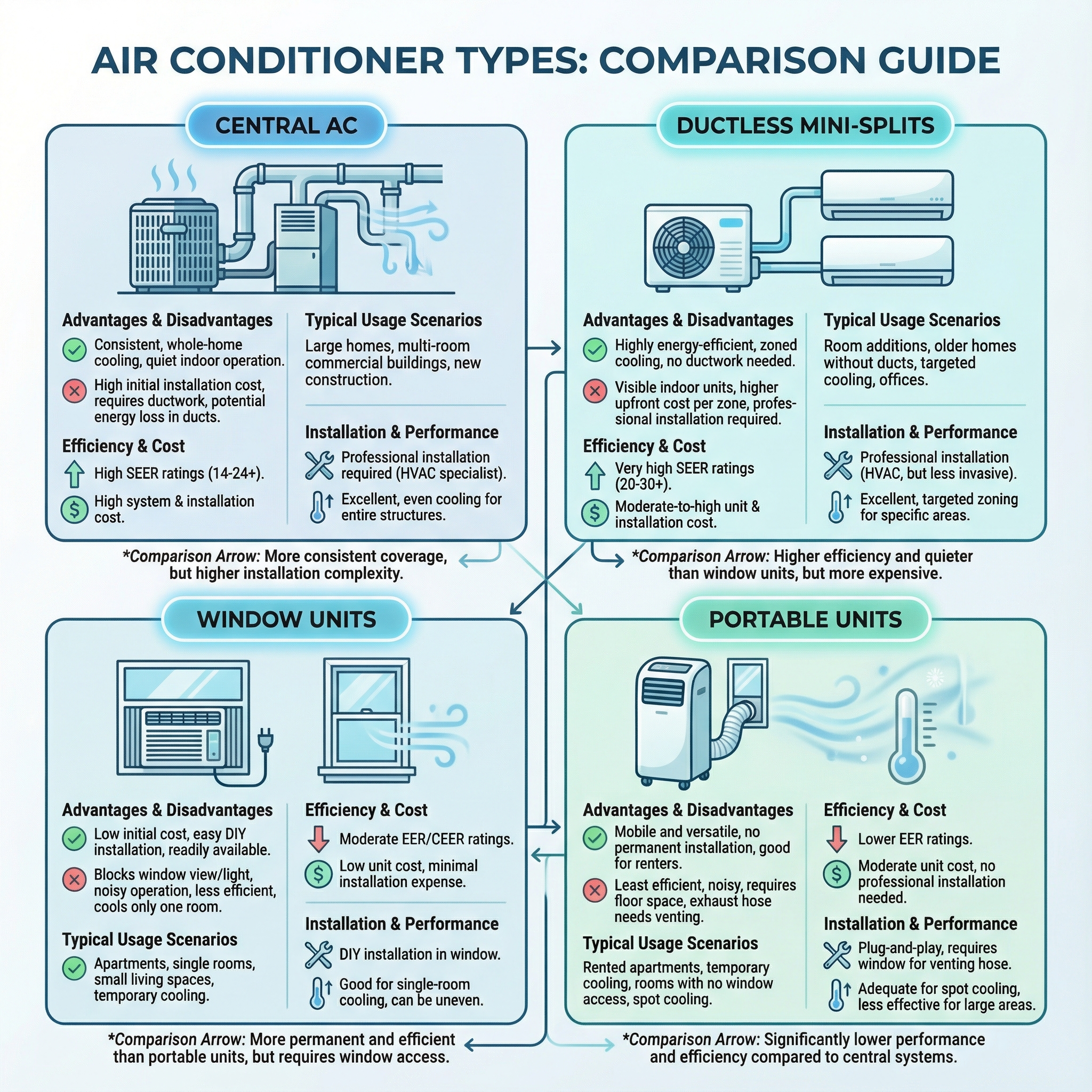
- Air-source: The most common style, exchanging heat with outdoor air. Available as ducted split systems with an air handler or as ductless mini splits with room by room indoor heads.
- Water-source: Exchanges heat with a water loop, such as a building loop or suitable water body, which can provide stable temperatures for efficient operation.
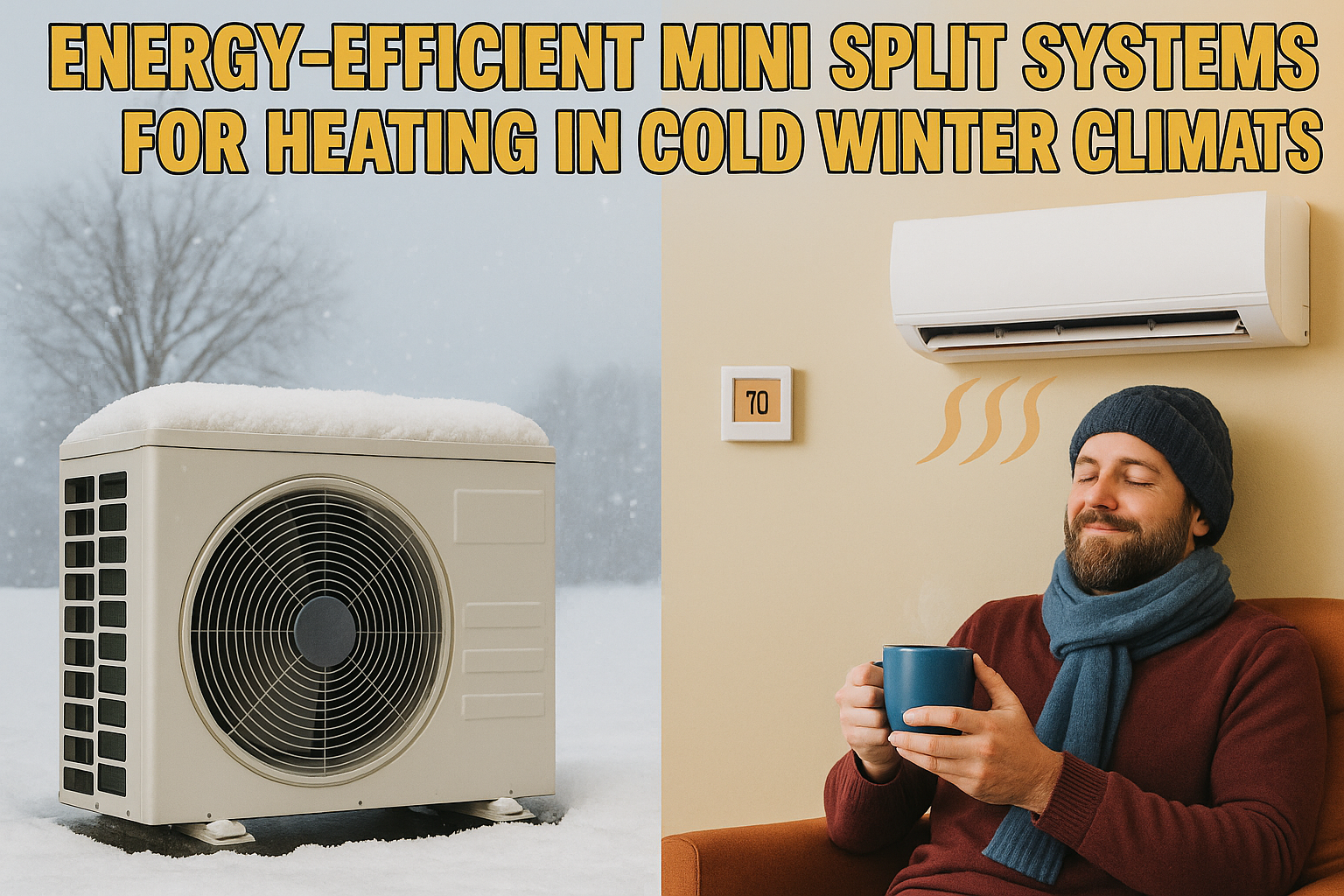
- Ductless mini splits: An air-source variant using compact indoor units for zoned comfort without ducts.
Portable and window units exist, though they are typically used for single rooms. Because of how the cycle meters and moves heat, heat pumps tend to run longer, delivering steadier, lower temperature supply air instead of short bursts of very hot air. We often describe it like cruise control for comfort, smooth and even rather than stop and go.
How Gas Furnaces Work and What AFUE Means for Your Bills
Gas furnaces burn natural gas, propane, or oil to create a flame that heats air, producing high temperature supply air that warms rooms quickly. They run in cycles and deliver hotter, higher velocity bursts, a feel many people prefer in very cold weather.
AFUE, Annual Fuel Utilization Efficiency, is the percent of fuel energy that becomes usable heat. Modern furnaces are roughly 80 to 98 percent AFUE. We explain it with a paycheck analogy: at 90 percent AFUE, 90 cents of every fuel dollar turns into heat you can use. Higher AFUE means less fuel is burned for the same comfort, which shows up as lower energy bills than with a less efficient unit. Fuel choice typically follows what is available in your area, but regardless of fuel, AFUE is the yardstick for how effectively a furnace turns fuel into comfort.
Efficiency Explained: COP and HSPF2 for Heat Pumps vs AFUE for Furnaces
Heat pumps are measured by COP, a ratio that shows how much heat they move compared to the electricity they consume. COP can be greater than 1, which means the unit moves more heat energy than it uses in electrical energy. Furnaces are rated by AFUE, the percent of fuel that becomes usable heat, typically 80 to 98 percent. Higher COP or AFUE lowers seasonal energy use, but your actual bill depends on local $/kWh versus $/therm and how your home's heating load is spread across the season. In our experience at Budget Heating (BudgetHeating.com), homeowners save most when they match the rating to their local utility rates and climate.
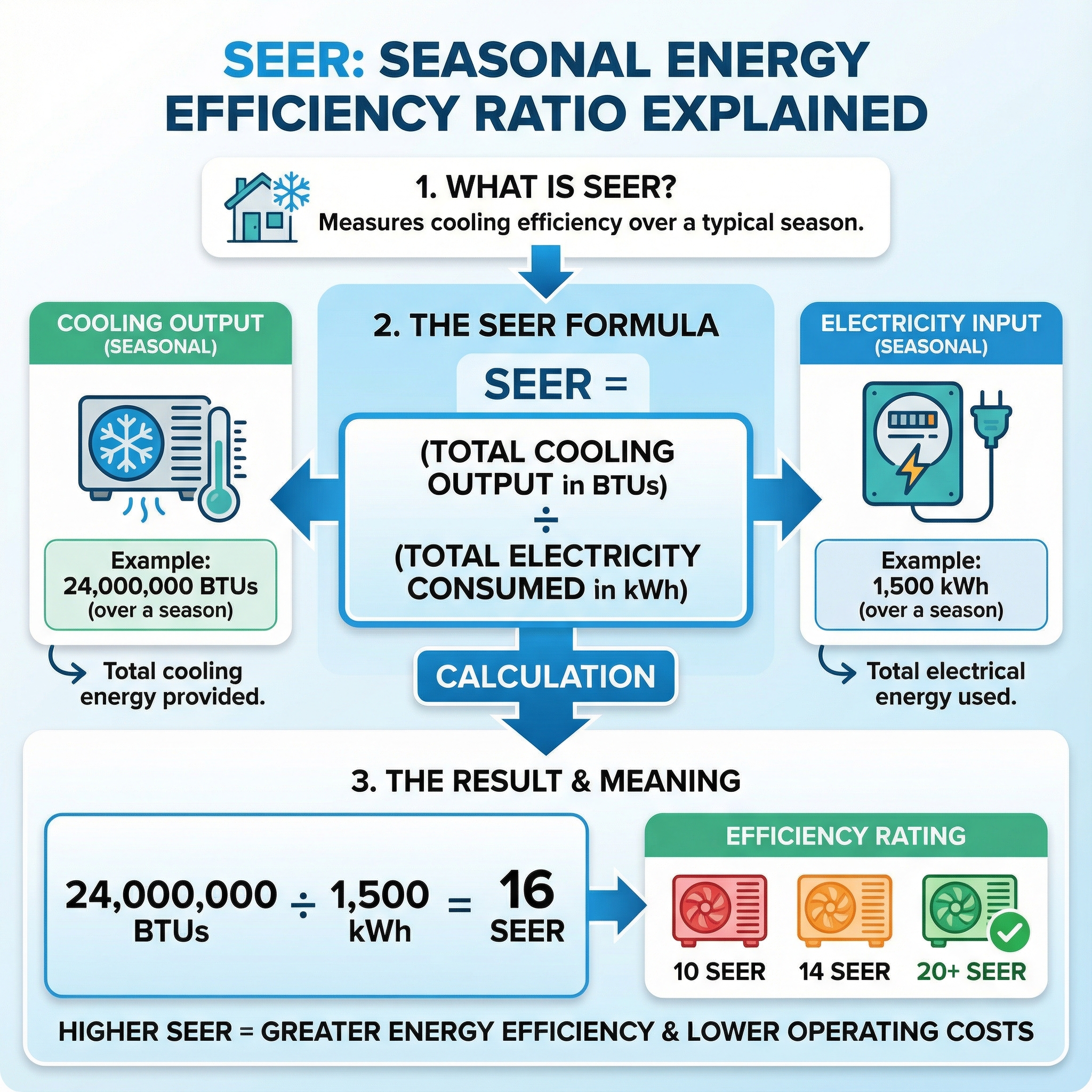
In 2023 the DOE shifted SEER and HSPF to SEER2 and HSPF2. The new tests use higher external static pressure, so labels look different even when equipment capability is similar. Think of it like comparing treadmill results after the incline was raised. For split heat pumps, the national minimum is now 14.3 SEER2 and 7.5 HSPF2. Typical modern systems run about 13 to 20 SEER2, with furnaces commonly 80 to 98 percent AFUE.
Translating ratings to cost: compare your electricity price to gas price, then consider how many mild versus very cold days you have. The right efficiency target lines up with your $/kWh and $/therm and your seasonal load profile.
When a Heat Pump May Not Be the Best Choice (Limitations and Honest Alternatives)
In our field work, standard heat pumps lose capacity as outdoor temps fall, often below about 25 F. Efficiency drops and backup heat is required, such as auxiliary electric or a gas furnace.
- Long, very cold winters: a high-AFUE furnace, or a dual-fuel setup that lets the furnace take over in deep cold, is often the better fit.
- Cheap, available natural gas: a high-AFUE furnace can deliver lower seasonal cost than a heat pump.
Beware myths: a furnace is not always more efficient, upfront price alone can mislead, and heat pumps can heat well in the right climate. Local conditions decide.
Performance in Cold Climates: Can a Heat Pump Replace a Furnace?
In cold weather, standard heat pumps give up capacity and efficiency as outdoor temperatures fall, while furnaces keep steady output in deep cold. Newer cold climate inverter units narrow the gap and can heat effectively at lower temperatures, which means in many mild to moderate regions a heat pump can fully replace a furnace and also provide your cooling.
Where winters are long and harsh, or where natural gas is inexpensive and already at the house, a furnace remains the simpler, stronger choice. A practical middle path is a dual fuel setup. Think of it like a hybrid car that selects the best power source based on conditions.
In a dual fuel system the heat pump handles most days, including shoulder seasons, then an outdoor sensor or thermostat logic triggers an automatic switchover to the gas furnace when temperature or utility rates make gas the better option. You get efficient electric heat most of the year and furnace performance when it is truly needed.
Upfront Costs and Installation: Comparing Purchase, Ductwork, and Utility Hookups
Upfront costs come from three areas: equipment purchase, ductwork condition, and utility hookups. Like remodeling a kitchen, the hidden items often drive the bill.
- If your home already has gas service and compatible ductwork, a furnace swap is often the lowest upfront cost.
- Heat pump installs can run higher due to the outdoor unit, refrigerant line routing, and electrical panel or breaker upgrades.
- Adding natural gas service, piping, meters, or complex venting can tip totals toward a heat pump instead of a furnace.
- Duct repairs, sealing, resizing, or adding returns to meet airflow can change the quote significantly.
- Site and labor factors matter: permits, attic or crawl access, pad and condensate, line set length, or a crane set.
Installed pricing varies by region, so request local quotes. In our experience at Budget Heating (BudgetHeating.com), a clear scope up front avoids surprises. Utility rate comparisons are a separate step when weighing long term value.
Maintenance, Lifespan, Safety, and Common Repair Costs
Plan on typical lifespans of about 15 to 20 years for gas furnaces and 10 to 15 years for heat pumps, which run year round for heating and cooling.
Homeowner upkeep is simple: check and replace air filters monthly as needed, keep supply and return registers clear, and keep outdoor heat pump cabinets free of leaves, grass, and snow.
Heat pumps benefit from two tune ups each year, one in spring and one in fall. Combustion furnaces should be inspected annually before the heating season.
For safety, do not attempt refrigerant work or combustion repairs. High pressure, potentially flammable refrigerants, high voltage, and carbon monoxide risks require certified technicians. Many warranties also require documented professional maintenance.
- Furnace warning signs: gas smell, a CO alarm, soot, a yellow burner flame, or repeated ignition failure.
- Heat pump warning signs: tripping breakers, persistent ice, oil on lines, or unusual noises.
Repair needs typically increase as equipment nears end of life, so factor that into long term budgets.
Sizing, Incentives, and the Questions to Ask Your HVAC Contractor
Right sizing and clear proposals prevent comfort issues and surprise costs. We always start with design conditions and a load calculation, then layer in your utility rates and local rules. Use this checklist to get apples to apples bids and avoid poor installs.
- Confirm climate design temperature and your comfort style: quick warm up or steady heat.
- Gather rates: $ per kWh and $ per therm, include time of use tiers. Note grid carbon intensity and whether you plan to add solar.
- Inspect ducts: leakage testing and total external static pressure. If ducts are missing or undersized, consider ductless mini splits.
- Check electrical panel capacity and available breakers. Confirm gas availability and venting path if a furnace is considered.
- Require ACCA Manual J, Manual S, and Manual D. Manual J sizes the load, Manual S matches equipment to that load, Manual D ensures ducts deliver quiet airflow.
- Ask for AHRI reference numbers and manufacturer spec sheets for every proposed match.
- Plan auxiliary heat and defrost strategies for heat pumps, especially in colder climates.
- Itemize proposals: equipment, labor, permits. Compare total cost of ownership, expected lifespans, and maintenance.
- Know the landscape: SEER2 and HSPF2 test ratings began in 2023, many furnaces must meet 95 percent AFUE in 2028, refrigerant transitions and some local codes limit new gas hookups.
- Consider current and future incentives, many favor heat pumps. Schedule installs in shoulder seasons when possible.
Conclusion: How to Decide Between a Heat Pump and a Gas Furnace
There is no universal winner: heat pumps suit mild to moderate climates and prioritize efficiency, integrated cooling, and lower on-site emissions. Furnaces are often best for long, harsh winters or where gas is inexpensive, and dual-fuel can blend both. If you are weighing both options, our U.S.-based team, with 30+ years in HVAC and 200,000+ orders fulfilled, will finalize your choice with a professional Manual J, a local operating cost comparison, and an incentives review.
- Get a Custom Quote
- Talk to Our Team by phone for fast, U.S.-based technical support
- Shop Heat Pumps or Gas Furnaces, with free shipping and Affirm financing available