




Heat Pump vs Furnace: A Climate-Based Overview to Help You Choose
Choosing between a heat pump and a furnace is fundamentally a climate decision with downstream impacts on comfort, energy bills, indoor air quality, and equipment lifespan. This guide walks homeowners through how each system works, how they perform by climate, cost and maintenance tradeoffs, and which option typically makes sense where.
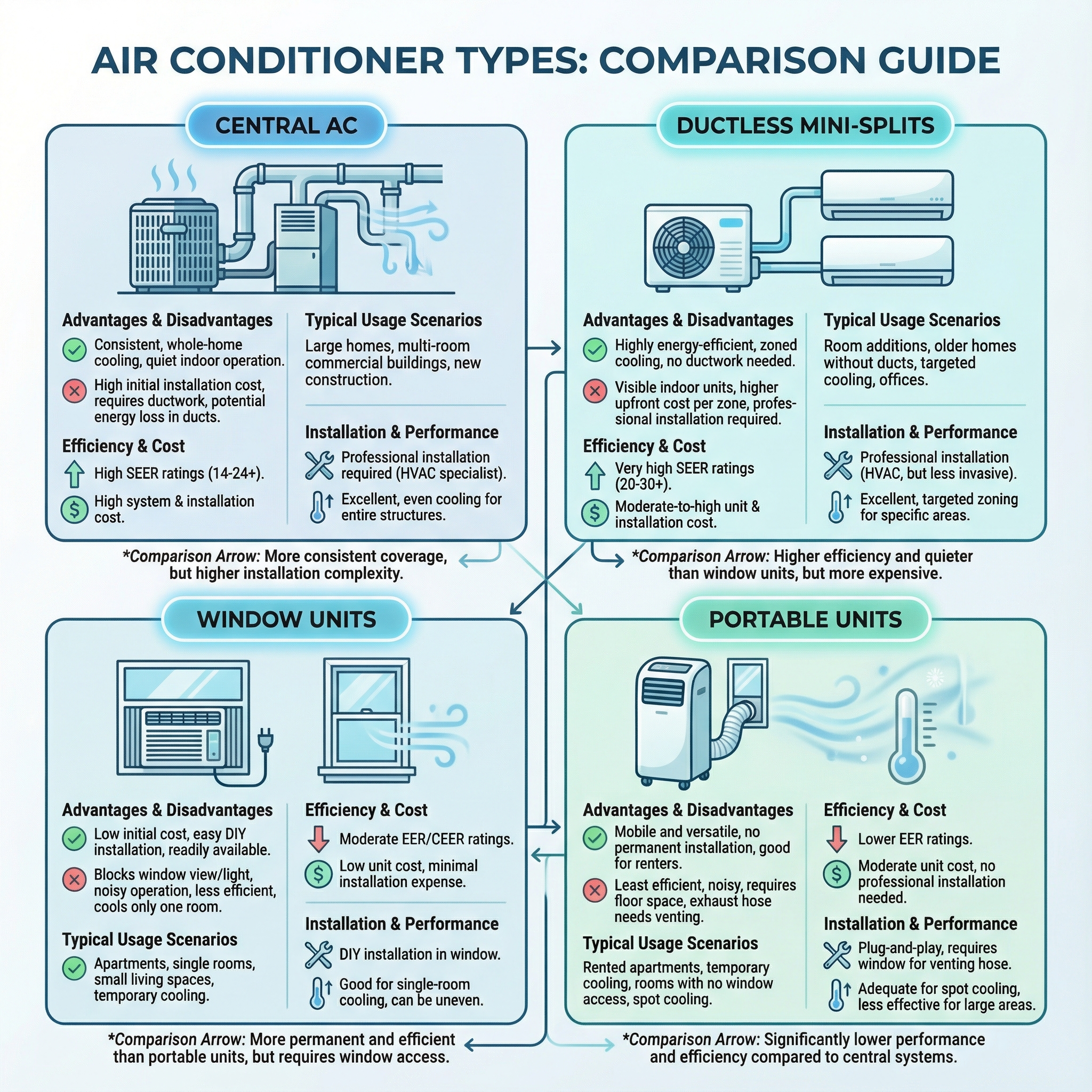
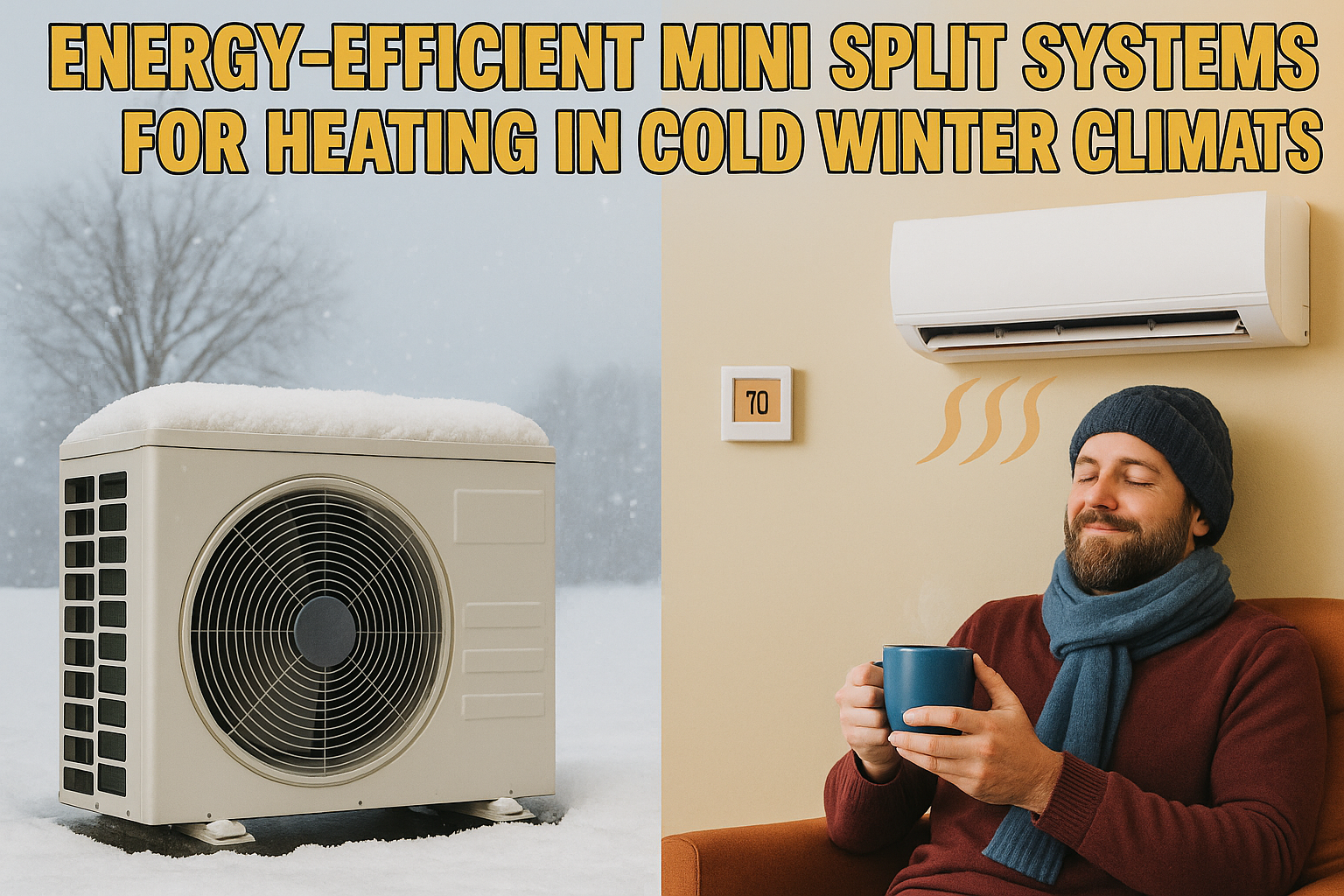
Heat pumps move heat, not make it. They pull heat from outdoors to indoors in winter, then reverse in summer for cooling, like a conveyor belt for heat. They use electricity to run compressors and fans and avoid on site combustion. Furnaces generate heat by burning fuel, such as natural gas, propane, or oil, or by resistive electric elements, and they provide heat only. At a high level, heat pumps are typically more energy efficient than heating only electric resistance because they transfer heat rather than generate it, which makes them attractive in many mild and moderate climates. Furnaces often rely on combustion fuels unless electric resistance furnaces are used.
How Heat Pumps Work: The Refrigeration Cycle and Reversing Valve
Core components of an air-source heat pump include a compressor, condenser coil, evaporator coil, a metering device, and a reversing valve.
The refrigeration cycle moves heat. In heating mode the outdoor coil extracts heat from outside air, the refrigerant reaches the compressor, the compressor raises its temperature, then that heat is released indoors through the indoor coil. In cooling mode the cycle reverses to carry indoor heat outside. The metering device regulates refrigerant between coils so each can do its job. This role reversal is what lets a single system provide both heating and cooling.
The reversing valve is the traffic director, like a railroad switch that flips the path. In heating it routes flow so the indoor coil acts as the condenser and the outdoor coil acts as the evaporator. In cooling it flips the flow so the indoor coil absorbs heat and the outdoor coil releases it. Same parts, opposite roles, commanded by that single valve.

How Furnaces Work: Gas, Oil and Electric Heating Basics
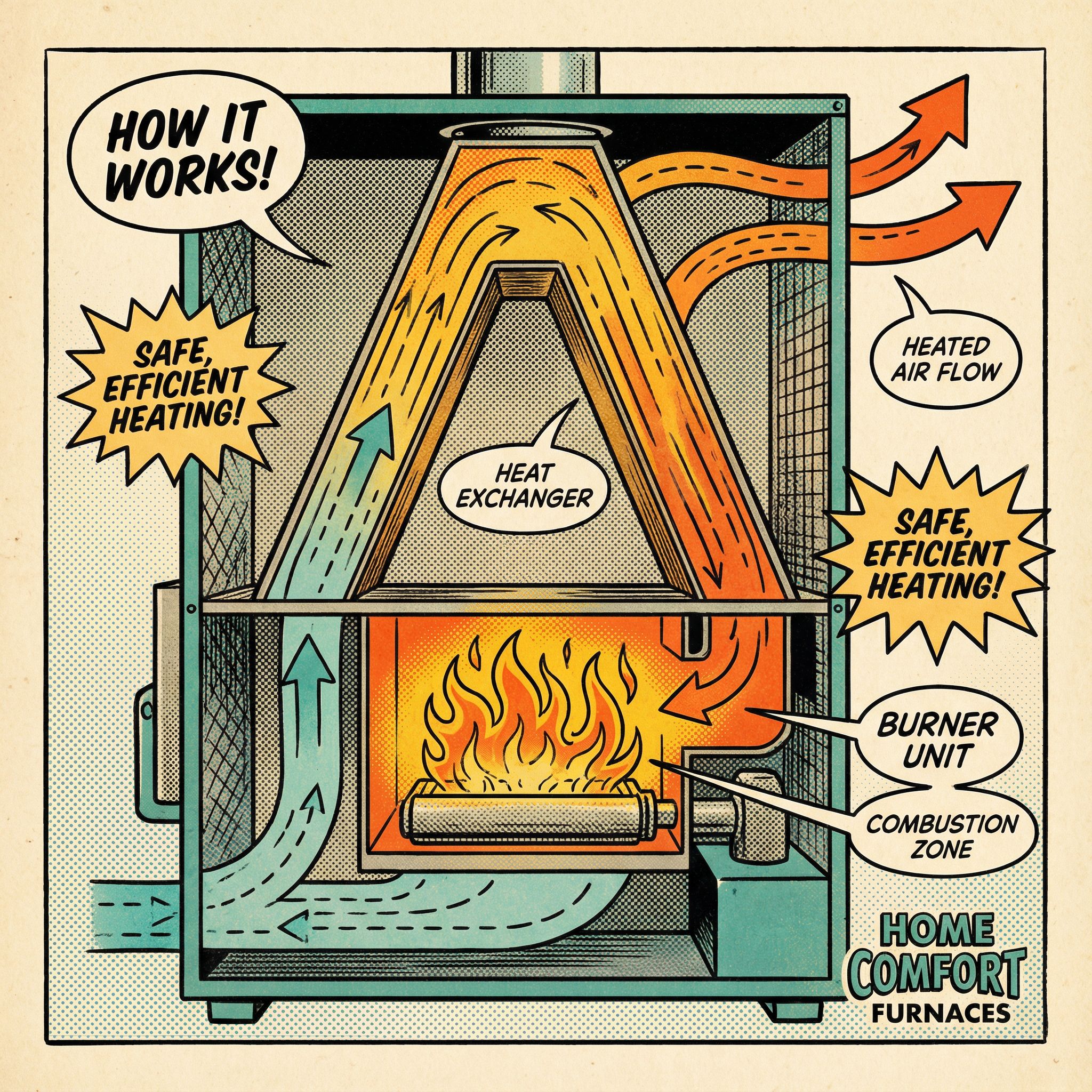
Combustion furnaces burn natural gas, propane, or oil inside sealed burners, transferring heat through a metal heat exchanger while keeping flame and exhaust separate from indoor air. A blower pushes room air across that hot surface, creating high temperature supply air. In the field, we verify venting, draft, and combustion safety checks, including flame sensing and carbon monoxide protection. Electric furnaces skip flames and use resistance elements, like oversized toaster coils, with a blower to deliver the same hot air. Furnaces heat only, so if cooling is needed, a separate air conditioner is paired with the blower. In our experience, practical choices follow infrastructure: where natural gas is widespread and inexpensive, gas is compelling. Without gas service, electric options, including heat pumps or resistance furnaces, become more practical.
Energy Ratings Explained: SEER2 / HSPF2 / COP vs AFUE (What Those Numbers Mean)
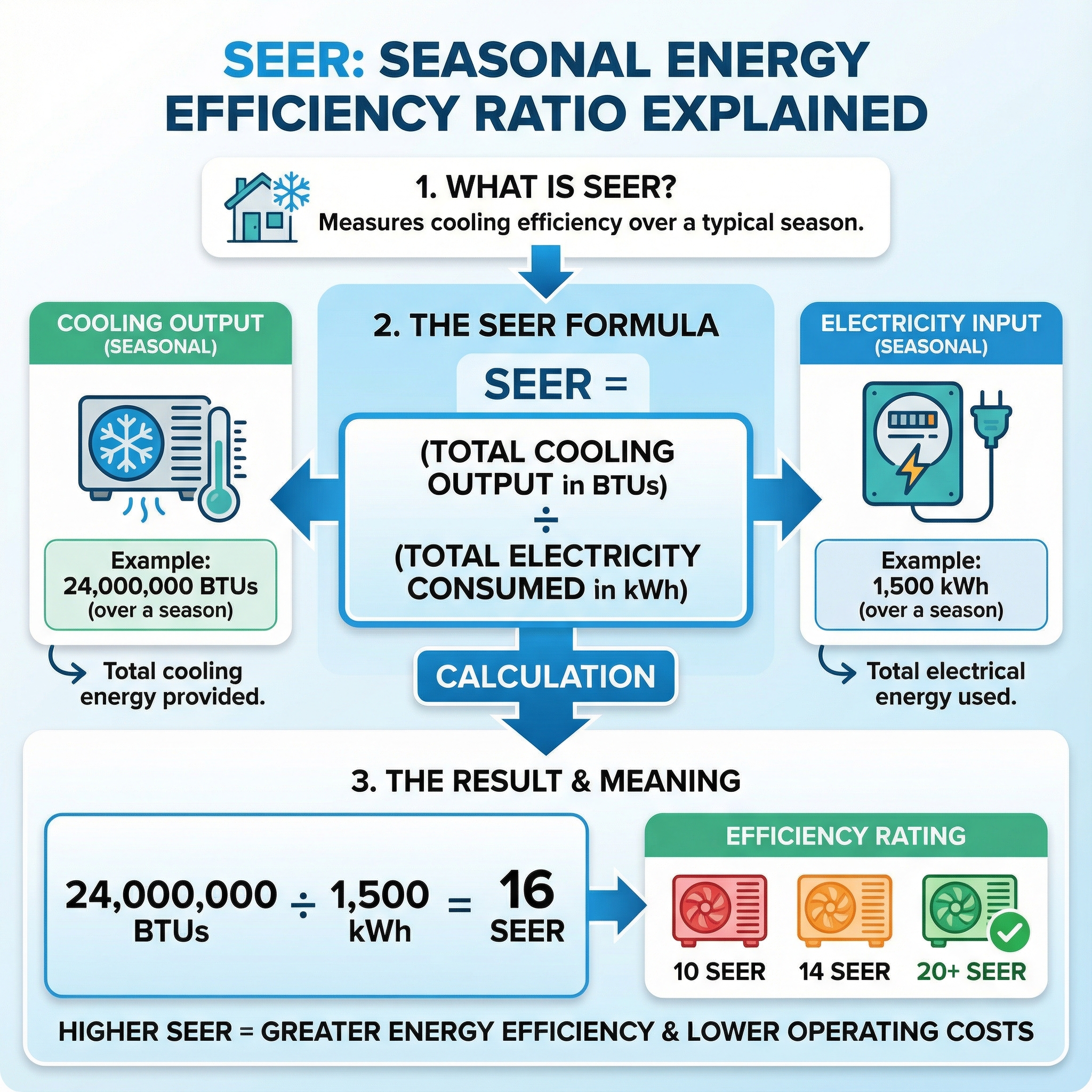
SEER and SEER2 measure seasonal cooling efficiency, higher is better. HSPF and HSPF2 do the same for heat pump heating, while COP is an instantaneous snapshot of heating output per unit of electricity (COP 3 means roughly three units of heat per unit of power). AFUE rates furnace heating efficiency over a season. Since 2023, federal tests use SEER2, EER2 and HSPF2 with higher external static pressure, so today's ratings read lower than legacy SEER and HSPF.
Think of these like MPG stickers. In our experience at Budget Heating (BudgetHeating.com), the best pick matches ratings to your climate and duct system.
- Cooling: moving from 14.3 SEER2 to 18 SEER2 can trim cooling electricity about 20 to 25 percent in similar conditions.
- Heat pumps: compare HSPF2 and COP at your expected outdoor temps. Cold climate models publish low temperature capacity and HSPF2.
- Furnaces: AFUE shows fuel use, for example 95 percent AFUE means 95 percent of the fuel becomes heat.
- Baselines: split heat pump minimums are 14.3 SEER2 and 7.5 HSPF2. Single package minimums differ.
Growing heat pump adoption supports electrification and decarbonization, especially where the grid is relatively clean.
Hybrid (Dual Fuel) Systems: Combining a Heat Pump and Furnace
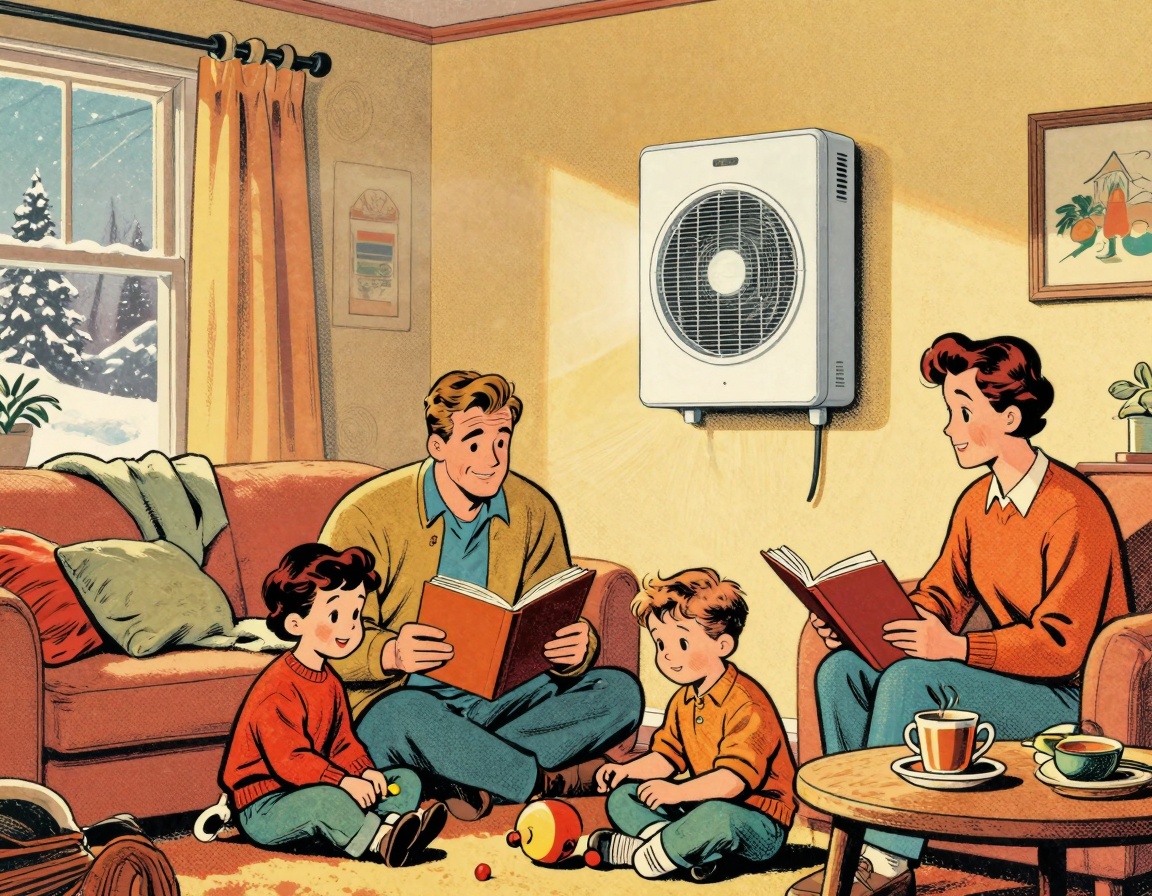
A dual fuel system pairs an electric heat pump with a gas furnace. The heat pump covers all cooling and most heating in mild weather; the furnace automatically takes over when it is cheaper or the pump reaches capacity. Think hybrid car: electric in town, gas for the hill. The changeover is set by a balance point during commissioning. We determine it from local utility rates, typical outdoor temperatures, and comfort goals. Above that point the heat pump is most economical; at or below it the furnace supplements or replaces the pump to keep capacity and comfort steady. Modern controls can stage or lock out equipment to hold the line on costs.
When Heat Pumps Aren't the Best Choice: Honest Tradeoffs and Alternatives
From decades of field sizing and startups, we see clear limits. Standard air source heat pump capacity and efficiency fall as outdoor temperatures drop. Cold climate models reach deeper into winter, yet at very low temps output still tapers, so backup heat is commonly required.
Heat pumps are less optimal when winters are long and severe, when electricity is very expensive or unreliable, or when you need consistently high temperature supply air. In these cases, a high AFUE gas, propane, or oil furnace provides steady high heat. Dual fuel pairings blend a furnace with a heat pump. For top efficiency across climates, ground source geothermal performs well, though the upfront cost is higher. In prolonged cold, expect electric strip heat or a combustion furnace to carry the load unless a cold climate unit is precisely sized for those conditions.
- Myth: heat pumps only work in mild climates. Reality: cold climate ASHPs exist.
- Myth: furnaces are always cheaper. Reality: it depends on local fuel and electric prices.
- Myth: SEER shows heating performance. Reality: use HSPF or COP for heating.
Operating Costs and Payback: Electricity vs Gas, What to Watch For
To turn efficiency into bill impact, convert rates into cost per heat delivered. A furnace upgrade from 80% AFUE to 95% trims the fuel needed for the same comfort by roughly 16%, and to 98% by about 18%. If you used 600 therms at 1.50 dollars per therm, 95% AFUE saves about 95 therms, roughly 140 dollars per year. Those savings grow in heating dominated climates.
Heat pump economics hinge on cents per kWh, gas prices, and climate. Heat pumps win in mild or mixed regions, while furnaces can be cheaper in cold or fuel advantaged areas. In our experience at Budget Heating (BudgetHeating.com), payback swings with local rates: heat pumps can offset higher upfront cost in mild zones, and in cold areas dual fuel or high AFUE furnaces shorten payback when electricity is costly.
- Upfront equipment and installation
- Energy use over the expected life
- Likely replacement cycles
- Repair probability
- Rebates or tax credits
Performance by Climate: Cold, Moderate, and Warm Region Guidance
We start with climate, because performance shifts as outdoor temperature drops. Here is how it typically plays out by region.
- Cold climates: Furnaces deliver the most robust, dependable heat during long subfreezing stretches. Cold-climate air-source heat pumps can be viable, with many models holding meaningful capacity to about −10 to −25 °C (14 to −13 °F). Expect capacity and COP to taper as temperatures fall, so careful sizing and a backup heat source are often prudent.
- Moderate climates: Heat pumps usually lead on overall value. One system covers efficient heating most of the year and all cooling, which simplifies equipment and can lower annual bills.
- Warm climates: Cooling dominates, so a heat pump provides strong efficiency for AC and adequate, occasional heating. A separate furnace is usually unnecessary.
Upfront Costs, Installation, Maintenance and Comfort Considerations
Upfront costs vary: standard gas furnaces are often cheaper to install, while a heat pump can replace a separate AC, changing the net price. Geothermal offers very high efficiency with steady output, but requires higher initial spend and site work. Build a fair comparison checklist: room by room Manual J, Manual S selection, Manual D verification, published heat pump capacity at winter design temps, duct leakage and static pressure, needed duct repairs, electrical panel capacity and any backup heat circuit, condensate drainage and freeze protection, venting or gas line work, permits, plus available rebates or tax credits and who files the paperwork. Plan outdoor unit placement for airflow, snow protection, drainage and acceptable sound near living spaces.
Maintenance is simple but regular: change or clean filters, keep registers clear, and clear debris and snow from the outdoor unit. Schedule annual professional tune ups, leaving refrigerant, electrical and combustion checks to licensed pros. Disconnect power before cleaning, maintain clearances, and use carbon monoxide detectors where combustion appliances are present. In outage prone areas, consider backup power, since both heat pumps and furnaces need electricity for controls and fans.
Which Should You Choose? Clear Decision Checklists and Next Steps
In most mild to moderate climates, an electric heat pump is the stronger pick for efficiency and combined comfort. In very cold regions, or where electricity is costly or unreliable, a high AFUE furnace or a dual fuel system delivers better resilience and predictable bills. Geothermal is efficient across climates, but with higher upfront cost.
Your home, climate, and utility rates are unique, so use this quick filter:
- Heat pump: mild or mixed climate, want heating plus cooling in one, no gas service, decarbonization priority.
- Furnace: prolonged severe winters, low cost gas available, need hotter supply air or maximum cold weather capacity.
- Dual fuel: mixed climates that need balance and backup.
Next steps: confirm winter design temperature, compare local electricity and fuel rates, check ductwork and electrical capacity, get Manual J/S/D quotes from multiple installers, and review rebates. If unsure, dual fuel keeps options open.
- Get a Custom Quote
- Talk to Our Team by phone for sizing and selection help
- Shop Heat Pumps or Shop Gas Furnaces