




Goodman R32 Furnace Review: 80,000 BTU, 96% AFUE, Two-Stage ECM (Quick Verdict)
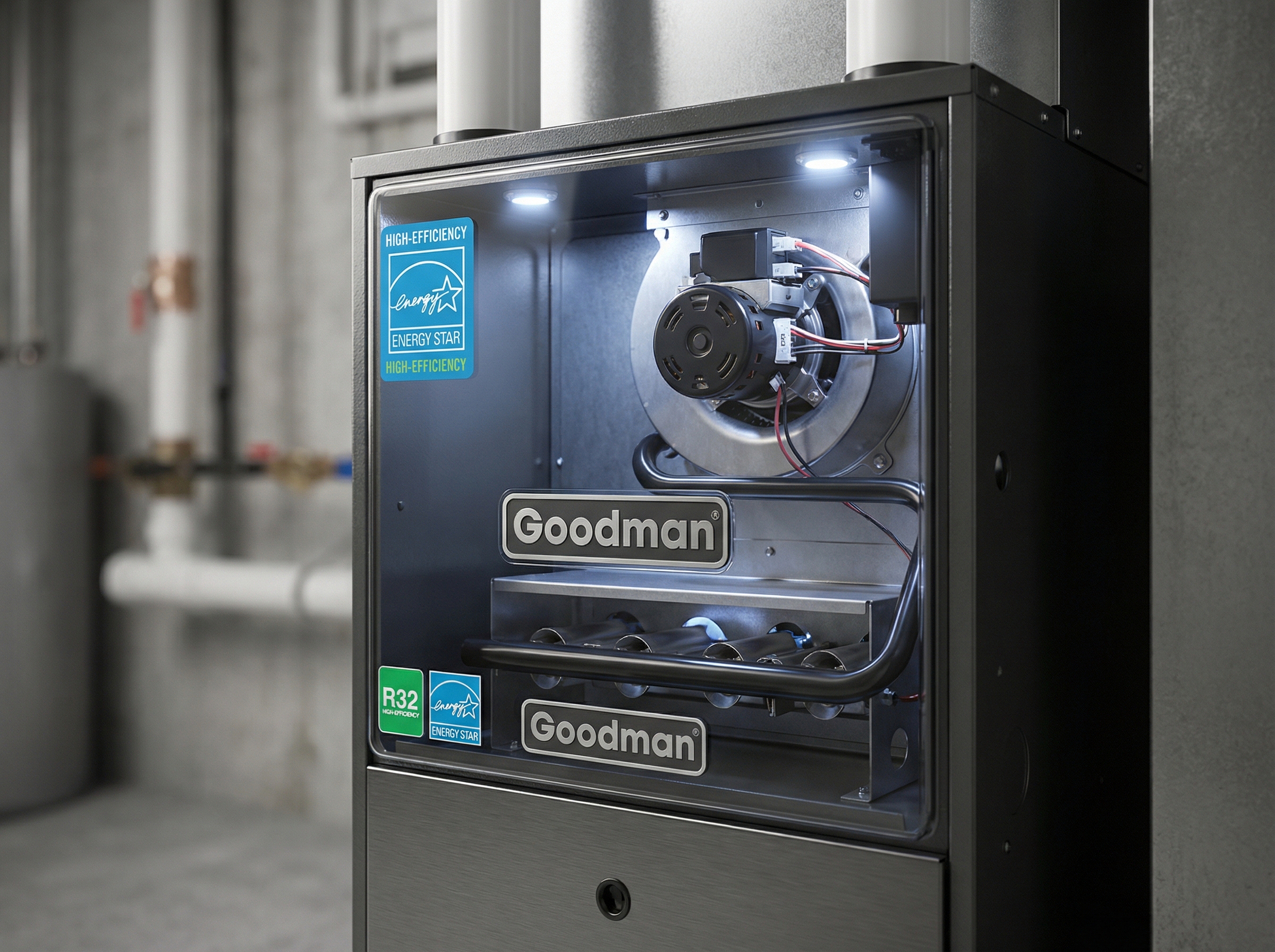
The Goodman GR9T960803BN is a high efficiency, condensing gas furnace that pairs two stage heating with an ECM blower for quieter runs and steadier room temperatures. It targets homeowners who want premium comfort and 96% AFUE performance without paying modulating furnace prices. In plain terms, it fits many mid sized homes that need an 80,000 BTU input and value affordability, reliability, and easy service.
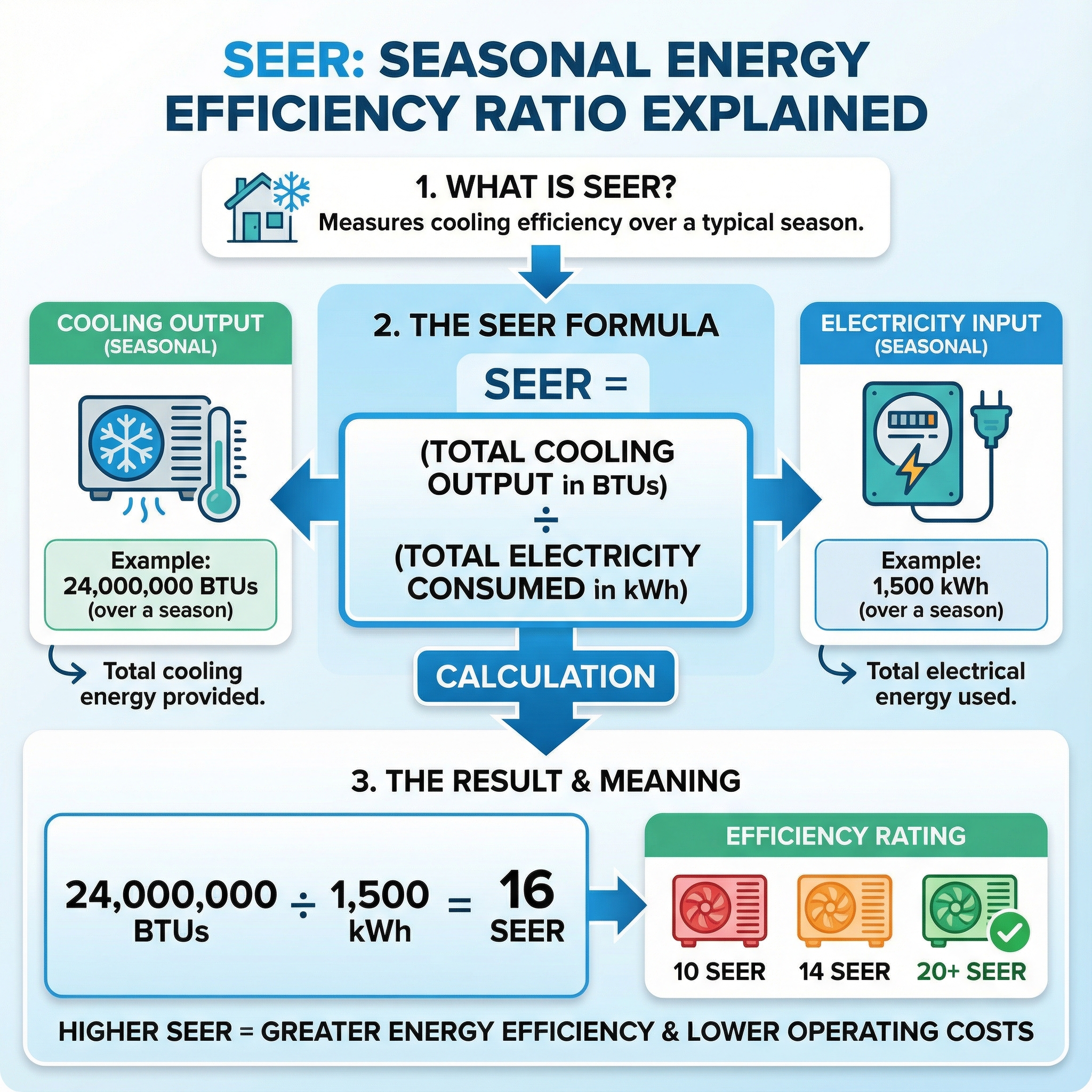
AFUE means Annual Fuel Utilization Efficiency. At 96% AFUE, about 96 cents of every fuel dollar becomes heat inside the home, with only 4 cents lost up the vent. Upgrading from an older 80% unit typically cuts gas use by roughly 15 to 25 percent, depending on climate and duct conditions.
Two stage heat is like a dimmer switch versus a simple on or off light. Low fire handles mild weather for longer, gentler cycles, while high fire steps in for colder snaps. An ECM, short for electronically commutated motor, adjusts airflow precisely, which lowers electrical draw, reduces noise, and evens out temperatures. In our field installs, ECM blowers commonly trim fan energy 30 to 50 percent compared with older PSC motors while improving filtration time and comfort.
What the Goodman R32 Is: Model Overview & Key Specs
The R32 is a 96% AFUE condensing gas furnace sized for typical mid-range heating needs. With an 80,000 BTU input, it delivers about 76,800 BTU per hour of heat. Application is flexible, supporting multiple cabinet orientations and multi-speed ECM blower configurations, so it suits new builds and many retrofits.
- Cabinet footprint: about 17.5 in W x 34.5 in H x 28.75 in D
- Plan for service clearance and unobstructed filter access
- Output is roughly 96% of input, high fuel utilization
If your space matches the footprint and clearance notes, it is a straightforward physical fit.
Performance: Heating Power, Efficiency, and Real World Fuel Use
R 32 comes into play on the cooling side. For heating fuel use, focus on the furnace's AFUE. Moving from an ~80% AFUE furnace to a 96% model typically trims natural gas consumption for the same delivered heat by about 16 to 17 percent. Stepping up from 90% to 96% saves closer to 6 to 7 percent. Real outcomes depend on climate, runtime, and local gas prices. AFUE gauges the furnace's efficiency, it is not a direct promise of bill reductions, but it is the best apples-to-apples indicator of fuel use.
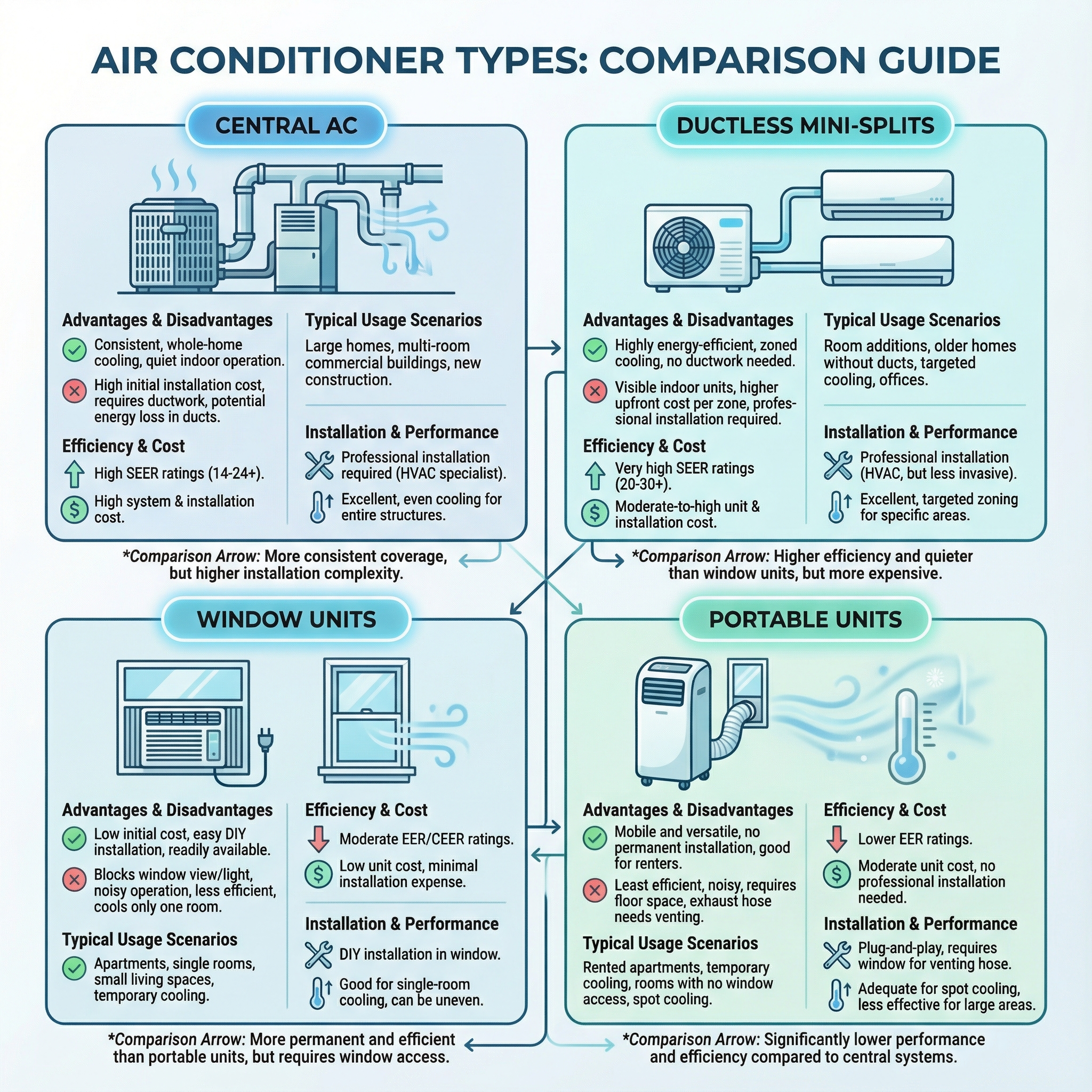
Cooling efficiency is rated differently. SEER and the updated SEER2 apply to the matched air conditioning components, and when those components use R 32, the system's SEER2 rating is what matters. Minimum SEER2 requirements vary by region, which can influence which matched systems make sense and how much electricity your AC will use. In our experience at Budget Heating (BudgetHeating.com), pairing a high-AFUE furnace with an appropriately rated SEER2 R 32 coil and condenser balances winter gas savings with summer electric efficiency.

Noise, Comfort, and Indoor Airflow: What Homeowners Should Expect
In normal operation you should hear a soft fan hum and a brief start up whoosh. While the R32 is designed for quiet operation, new or unusual sounds, rattling, duct booming, ignition noise, usually point to installation or duct issues and should be inspected.
Comfort improves when heat is delivered steadily. With two stage and ECM operation, steadier heat and more even airflow keep rooms within a tighter temperature band. Tuning staging at the thermostat, using sensible differentials and delays, and running a low continuous fan setting can maximize even temperatures and keep operation quiet.
Airflow and indoor air quality are linked. Smooth, even circulation increases filter contact time, like a slow, steady river that carries dust to the filter. It reduces dead zones where particles settle and, when paired with proper filtration and IAQ accessories, can indirectly improve overall air quality.
When the Goodman R32 Is Not the Best Choice: Tradeoffs, Limits, and Better Alternatives
The Goodman R32 is a two stage condensing furnace. It raises comfort over single stage units, but it is not fully modulating. In a few cases, other approaches yield better results or lower total cost.
- If you want the finest temperature control and whisper smooth output, choose a modulating condensing furnace.
- In very mild climates with short heating seasons, the gas savings over mid efficiency can be small. Consider lower upfront cost, or a heat pump or hybrid system.
- In extreme cold where condensing benefits are limited, a simple high capacity single stage furnace, sometimes with thermal storage or zoning, can be preferable.
Poor installation, wrong venting, gas pressure, condensate, or ducts, can erase gains. Use an installer experienced with 96 percent condensing systems and R-32 matched coils.
- Bigger is not better, oversizing causes short cycling.
- AFUE is not a direct percent bill reduction.
- The furnace does not contain R-32 refrigerant.
- Not every contractor can install high efficiency equipment correctly.
Two Stage Burner & ECM Blower: How They Improve Comfort, Cycling, and Efficiency
Two-stage firing lets the furnace stay at a lower output most of the time, which stretches run times into longer, gentler cycles. That steadier heat trims temperature swings, reduces hot or cold spots, and cuts down on short cycling.
Pair that with an ECM blower and you get airflow that adapts to the call. Multi speed, part load operation matches supply to demand, so rooms with tougher duct runs still get the air they need, and the system does not waste power moving more air than required.
Startups and air noise improve too. Instead of snapping on at full blast, the blower can ramp up and down smoothly, like using cruise control instead of stop and go. The result is quieter operation and more even comfort, especially during mild weather when low fire can carry the load efficiently.
To realize these gains, set blower speed taps so supply temperature stays within the furnace rated temperature rise, and use comfort or economy profiles where available. In our experience at Budget Heating (BudgetHeating.com), this setup is what unlocks the part load efficiency and room to room balance homeowners expect.
Installation, Compatibility, and Smart Thermostat / Cooling Pairing
For a 96% condensing furnace, venting and condensate management drive safety and uptime. Use properly sized PVC or CPVC with continuous slope back to the unit, follow elbow and length limits, and place intake and exhaust where wind or drifting snow will not ice terminations. Trap the condensate, drain by gravity or a listed pump, add overflow protection, and install a neutralizer where required.
Fuel and startup matter: confirm natural gas or LP, install the correct orifices or conversion kit, verify gas line sizing and inlet pressure, then perform and record combustion analysis on startup, including O2, CO2, CO, and stack temperature.
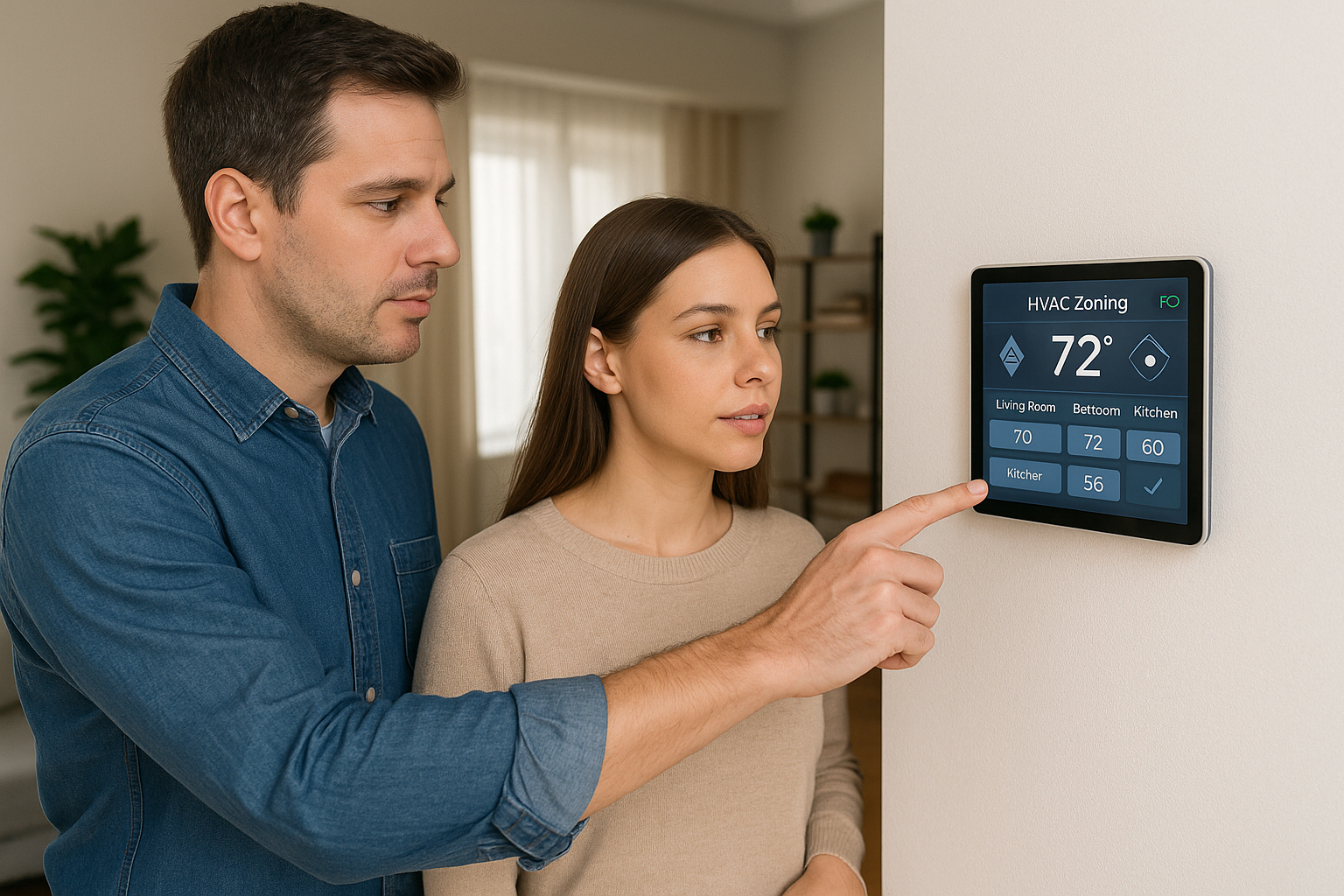
Electrical and controls: supply a dedicated 120 V circuit with the correct breaker, verified grounding and polarity. A thermostat with a C wire enables full two stage control. Add surge protection for the control board and ECM.
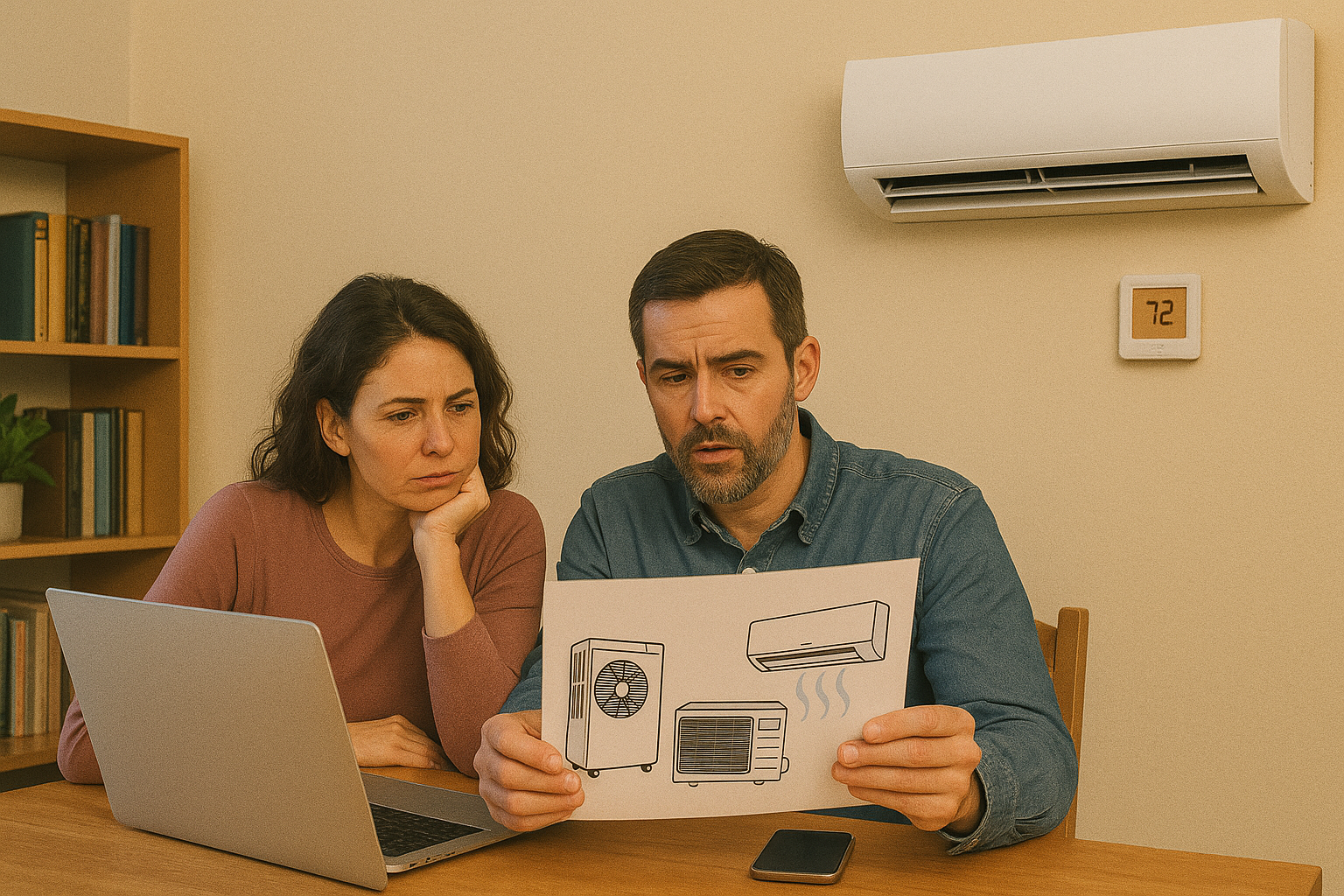
Pairing with R-32 cooling requires a compatible evaporator coil and matched outdoor unit, an AHRI matched-system certificate, and compliance with A2L refrigerant rules and technician certifications. 96% units generally exceed federal minimums and often qualify for utility rebates. Observe altitude derating and SEER2/A2L requirements when selling matched systems.
Sizing: Is 80,000 BTU Right for Your Home? (Simple BTU & Duct Guide)
Use a quick screen, not the final answer. In mild climates, rules of thumb are 30 to 35 BTU per square foot; in very cold climates 50 to 60. That puts 80,000 BTU in the range of roughly 2,300 to 1,300 square feet, depending on climate and home quality. We recommend Manual J, the room by room heat load that reflects insulation, windows, air leakage, and design temperatures. We pair it with Manual D, which sizes ducts and registers so the blower can deliver the load. Plan documented pre and post total external static pressure readings, aiming near 0.5 in. w.c., and keep filter face velocity around 300 to 350 fpm or less to avoid excess pressure. Why it matters: oversized furnaces, even two stage, can short cycle and create uneven rooms; undersized or high static hurts comfort and equipment life. Ducts are like roads, if they are too narrow, traffic jams no matter the engine size.
Maintenance, Service Life, Common Problems, and Warranty Details
The R32 emphasizes rugged heat exchanger construction and a solid overall build, which supports long term reliability when installed and maintained correctly. With proper commissioning and routine care, expect a long service life. A yearly tune up is preventive care that keeps efficiency and comfort consistent.
- Change or clean filters every 1 to 3 months.
- Keep the unit area and all supply and return grilles clear.
- Check the condensate line for blockages and clear as needed.
- Inspect outdoor terminations for obstructions and debris.
- Monitor for unusual noises or smells, and shut off power before any inspection. Never open technician only compartments.
- Schedule annual professional service: combustion analysis, burner and heat exchanger inspection, condensate system service, ECM and blower diagnostics, and documented gas and static pressures. Any work on gas, controls, or A2L R 32 refrigerant belongs to certified technicians.
Watch for short cycling, duct booming, condensate leaks, or persistent unusual sounds. These usually point to correctable issues such as sizing, static pressure, or drain problems. If you smell gas or a CO alarm sounds, evacuate and call emergency services.
Permits and commissioning documentation are essential, including Manual J and D, gas sizing, combustion analysis, and static pressure reports. Register within the manufacturer window to secure typical protections, often 10 year parts and lifetime heat exchanger terms when registered, and keep all records for claims.
Quick Buy Checklist: Is the Goodman R32 Right for You?
Choose a Goodman R32 setup if you have a medium to large home in a mixed or cold climate and want condensing efficiency with longer low stage runtimes. It is a solid value when you want high AFUE comfort without paying for full modulation. Typical equipment pricing lands around 4,900 to 6,500 depending on options, promotions and financing can reduce upfront cost, and installed price will vary by contractor and region.
- Manual J, S, and D reports, plus an AHRI matched system certificate if pairing with R 32 cooling.
- Pre and post static pressures and combustion analysis printouts.
- Vent routing and condensate plan, blower speed and temp rise settings.
- Verify thermostat staging and C wire, permits, and warranty registration steps.
If this aligns with your goals, request detailed bids from licensed installers who provide the above documentation, and register the unit after installation to activate full warranty coverage. We have guided thousands of homeowners through this choice and can help you dial in the right match.
- Get a Custom Quote, sized and matched by our U.S. based tech team.
- Talk to Our Team by phone for real HVAC advice, not a script.
- Shop Goodman R32 systems at wholesale pricing with free shipping and Affirm financing options.