




Daikin Mini Split Air Conditioners: Choosing the Right System for Your Home
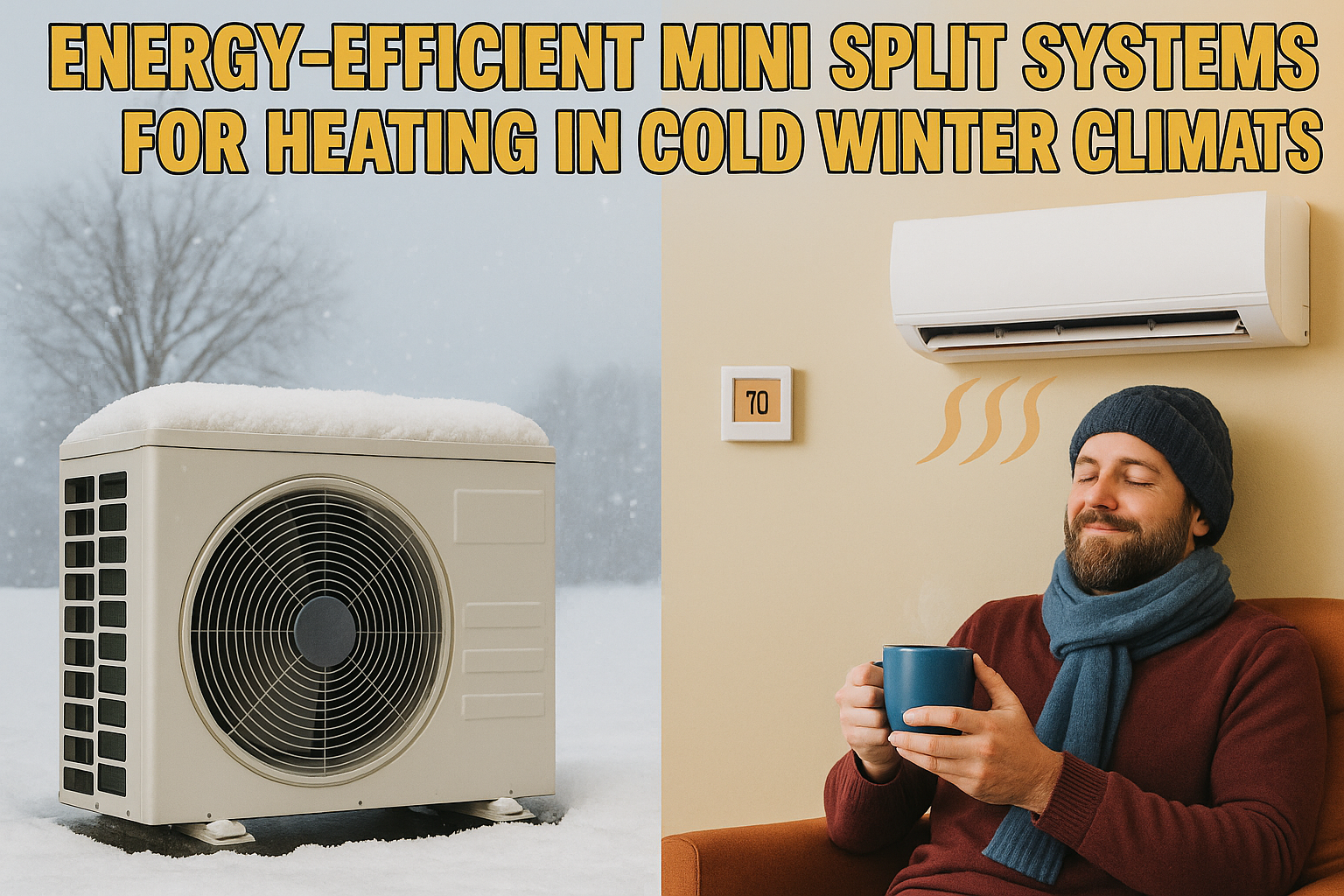
Thinking about a Daikin mini split? These systems can tame hot rooms, add quiet cooling, and provide efficient heat in many climates. With decades of hands-on HVAC experience, we focus on what matters. This guide helps you match a Daikin setup to your home, weather, and goals: sizing capacity, choosing single or multi zone, weighing SEER2 and HSPF2, understanding low temperature performance, features and noise, placement and power, and how to balance comfort with budget.
What Is a Daikin Ductless Mini Split and How Does It Work?
A Daikin ductless mini split is an inverter driven heat pump that moves heat rather than creating it. The outdoor unit (compressor and condenser) connects to a slim indoor evaporator with small refrigerant lines, so no ducts. We often call it a heat mover: it shifts heat in or out of the room.
In cooling, the indoor coil absorbs heat as refrigerant evaporates, the compressor boosts pressure and temperature, then the outdoor coil rejects that heat as the refrigerant condenses. In heating, the flow reverses.
The inverter compressor varies speed to match demand, like a dimmer switch, which cuts on-off cycling, raises efficiency, and keeps temperatures steady.
Top Benefits of Choosing a Daikin Mini Split: Efficiency, Zoning and Quiet Operation
Mini splits deliver precise comfort with practical, everyday savings and convenience.
- High efficiency: inverter compressors match output to the room load, often trimming energy use 20 to 30 percent compared with single stage systems, while reducing wear from on off cycling.
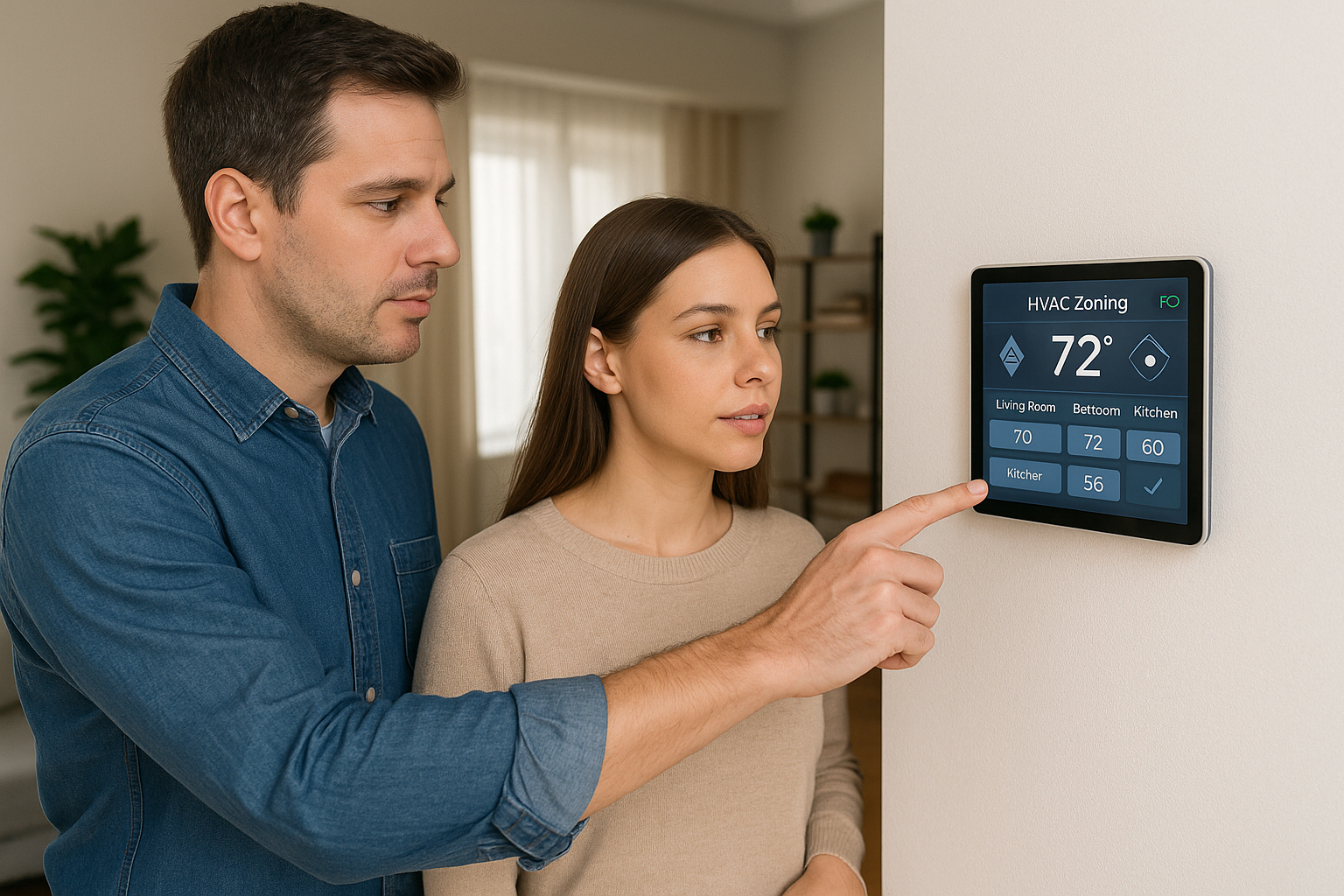
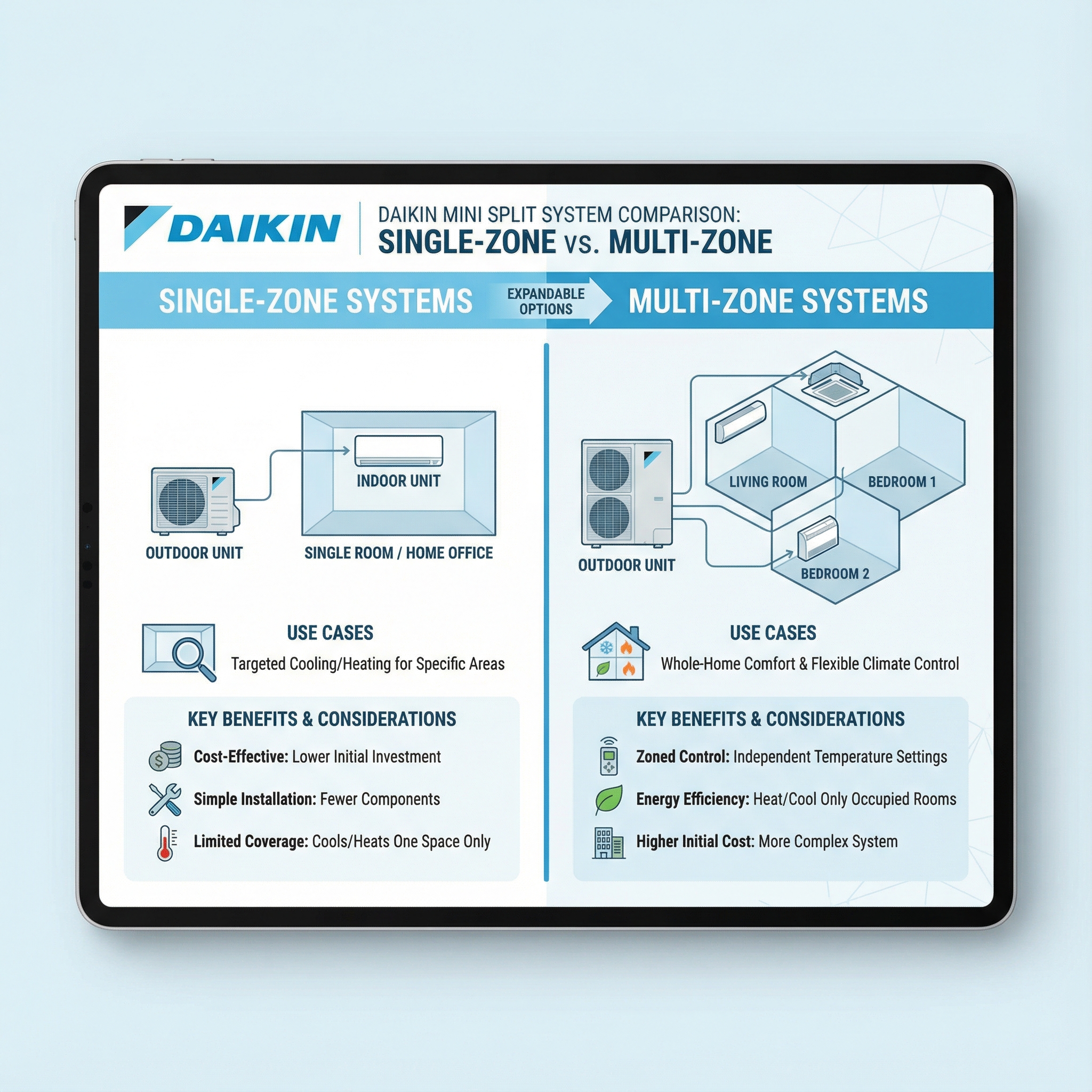
- Flexible zoning: choose single zone or multi zone layouts to set each room to its own temperature, cut conditioning in unused spaces, and eliminate hot or cold spots.
- Ductless installation: no bulky duct runs means faster, cleaner installs and no duct leakage, which commonly wastes 20 to 30 percent of output. Ideal for additions, older homes, and rentals.
- Quiet comfort: indoor sound levels can be similar to a library, around 25 to 35 dB, with discreet outdoor operation that keeps patios and yards pleasant.
- All season performance: heat pump heating with strong dehumidification for muggy days, plus smart app controls and multi stage filtration that supports better indoor air quality.
Key Features to Compare: SEER2, Inverter Compressors, Noise Levels and Smart Controls
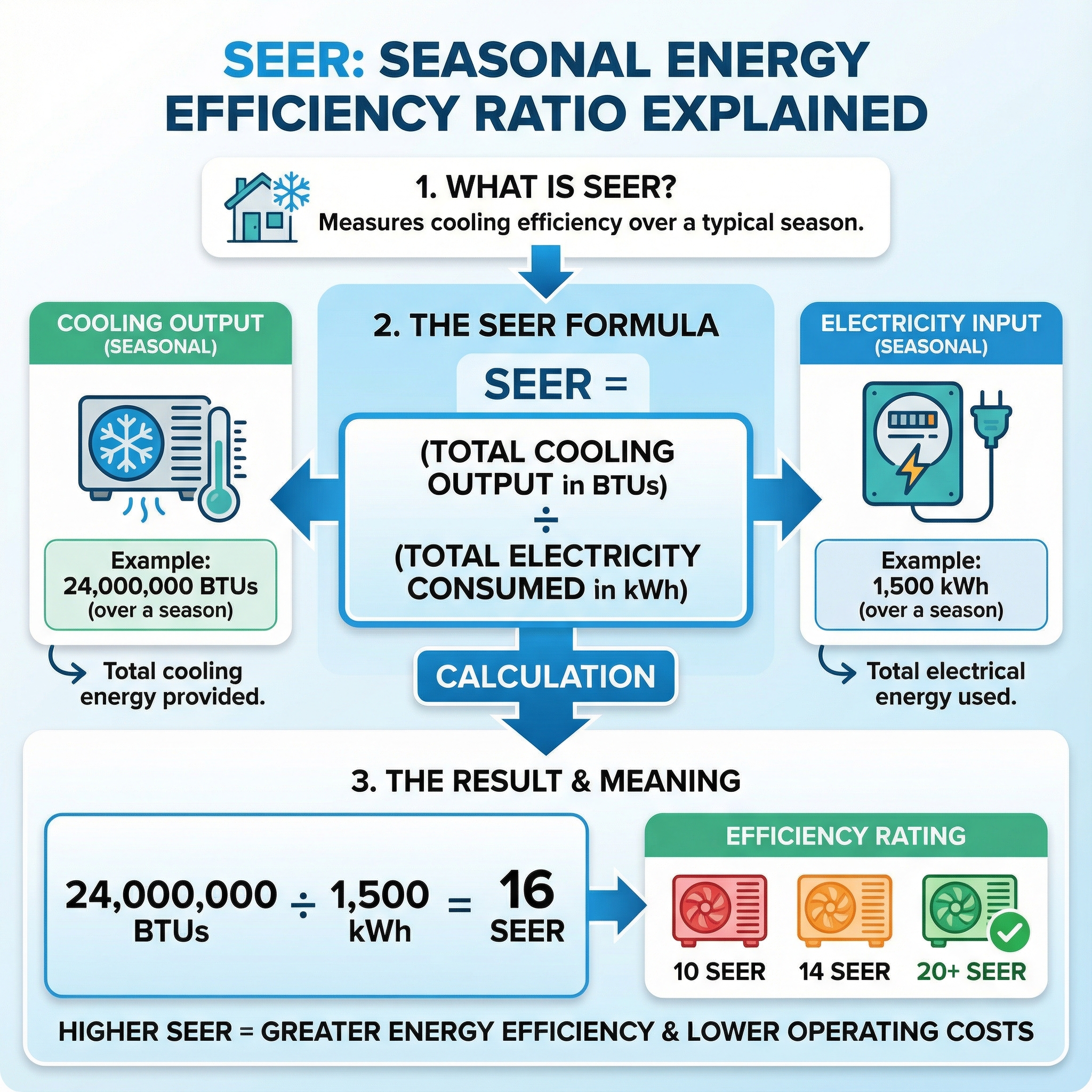
When comparing Daikin models, focus on the metrics that drive bills and comfort. SEER2, HSPF2 and EER2 are the updated 2023 efficiency ratings that use a new test method to better reflect real-world ductwork and static pressure. Think of SEER2 like miles per gallon for cooling, higher means less electricity per unit of cooling. EER2 shows fixed-point efficiency at peak conditions, important in hot dry climates. HSPF2 rates heat pump heating performance, critical where the system heats for long seasons.
- Inverter compressors: Most homes run at part load most of the time. Inverters ramp output to match the load, which cuts energy use and lengthens mild cycles for better dehumidification. Lower indoor humidity improves comfort, often allowing a slightly higher setpoint without feeling sticky.
- Noise levels: Modulating outdoor units and variable indoor fans typically run quieter at low speed. Compare published dB ratings across sizes.
- Smart controls: Look for features that tune airflow, staging and schedules to keep temperatures steady and reduce short cycling.
When a Daikin Mini Split May Not Be the Best Choice (Common Mistakes and Better Alternatives)
We like mini splits, but they are not magic. Pitfalls we see in the field: topping off refrigerant instead of fixing a leak, oversizing that ruins dehumidification, oversized multi-zone heads that short cycle, and cranking setpoints up and down, which hurts efficiency. It is also a myth that installation is always invasive, or that mini splits cannot heat in cold climates, but real limits still apply.
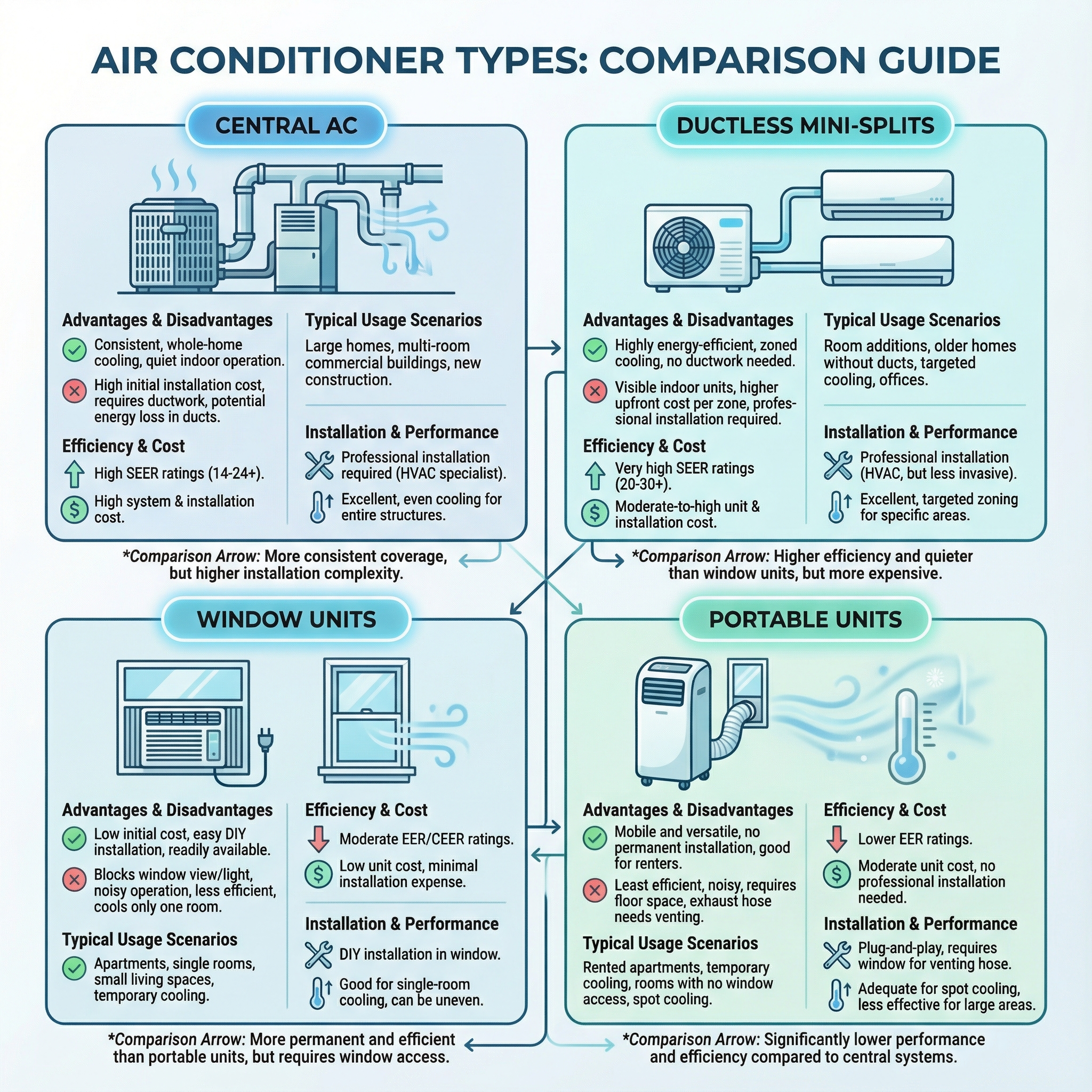
- Extreme cold: choose a gas furnace or a properly sized hybrid system.
- Huge open plans without zoning: consider a central high-capacity system or a ducted heat pump.
- Lowest upfront cost only: a window or portable AC suits short-term needs.
Single Zone vs Multi Zone Daikin Systems and How to Pick the Right Model
Single zone pairs one outdoor unit with one indoor head, great when a room needs its own capacity or when distance and control are straightforward. Multi zone uses one outdoor unit feeding 2 to 5 indoor heads on dedicated ports, ideal when you want multiple rooms on a single condenser. With multi zone, size each room first, then match a Daikin outdoor that supports the combined connected capacity and the number of ports.
Start with correct sizing. Do a room by room Manual J load calculation, not a whole house shortcut. In our experience at Budget Heating (BudgetHeating.com), this is what prevents short cycling and comfort complaints. As a sanity check: small bedrooms often land 6k to 9k BTU, living areas 12k to 18k, large open spaces 18k to 24k, then adjust for climate and insulation quality.
Indoor unit styles and placement:
- Wall mount: fastest install, high on exterior walls, keep 6 to 8 inches clearance above.
- Ceiling cassette: centered throw for larger rooms, needs ceiling cavity and condensate lift planning.
- Floor console: good under windows or knee walls, useful where high walls are crowded.
- Concealed ducted: hidden look, serves one or multiple small rooms, requires short duct runs and return path.
Homeowner checklist:
- List zones and note usage patterns by time of day.
- Measure rooms, record windows, orientation, and insulation level.
- Run room Manual J, then verify with the BTU sanity ranges above, adjust for envelope and climate.
- Choose indoor unit style per room, plan placement for airflow and service access.
- Confirm line set routing, condensate drain path, and electrical availability with dedicated breakers.
- For multi zone: match outdoor ports and allowable connected capacity, check minimum turndown to avoid oversizing.
- Contractor and commissioning: nitrogen pressure test, evacuate to 500 microns, weigh in additional refrigerant if line lengths require, verify airflow and condensate, set controls.
- Compare solutions and secure permits as required by your jurisdiction.
Regulatory and Regional Issues: SEER2 Minimums, Refrigerant Changes and What They Mean
Since 2023, new systems must meet the SEER2, EER2, HSPF2 framework with regional minimums. The South and Southwest require higher cooling minimums than the North, and the Southwest adds a specific EER2 threshold at 95 F. In hot, dry markets we focus on models with strong high ambient EER2, not just headline SEER2, to satisfy inspections and manage peak costs. In colder climates, choose heat pumps labeled for cold climate use with verified low temperature capacity, which often ties directly to utility incentive eligibility.
The next shift is refrigerant. A2L options such as R 32 are arriving as codes update. Adoption timing is local, and jurisdictions are adding rules for ventilation clearances, approved detectors, and equipment listing. Technicians need A2L rated gauges, recovery machines, and documented training, all checked during permitting and inspection.
Maintenance and Safety: What You Can Do and What a Technician Must Handle
With decades in the field, we separate simple upkeep from safety-critical service so your system runs reliably.
- Homeowner tasks: replace or wash filters every 30 to 90 days, keep at least 24 inches clear around the outdoor unit, gently hose off leaves and lint, confirm the condensate drain is dripping freely, and do quick visual checks for loose panels or damaged insulation.
- Safety first: turn power off at the disconnect or breaker before any cleaning. Do not open sealed electrical or refrigerant compartments.
- Red flags: ice on lines or coil, hissing or bubbling, burning or musty smells, frequent breaker trips, short cycling, or water around the air handler. Stop use and leave it to a licensed technician.
- Technician only: refrigerant recovery, pulling a vacuum and charging, electrical diagnostics and repairs, deep chemical coil cleaning, control board or sensor issues, and any combustion or venting work.
Installation, Costs, Energy Savings and Incentives: What to Expect
DIY is fine for site prep, pads and thermostats. Refrigerant lines, charging, controls and permits belong with a licensed pro. Installed price depends on tonnage, ductwork and code work. High efficiency units cost more upfront.
Upgrading from SEER 10 to 16+ typically cuts cooling energy 20 to 40 percent. Think lifecycle cost: a $150 tune up can prevent a $2,000 compressor failure and helps reach 15 to 20 years. In our experience at Budget Heating (BudgetHeating.com), rebates and tax credits hinge on efficiency, so confirm ratings and check your utility and energy.gov.
Next Steps: Choosing the Right Daikin Mini Split and Finding a Qualified Installer
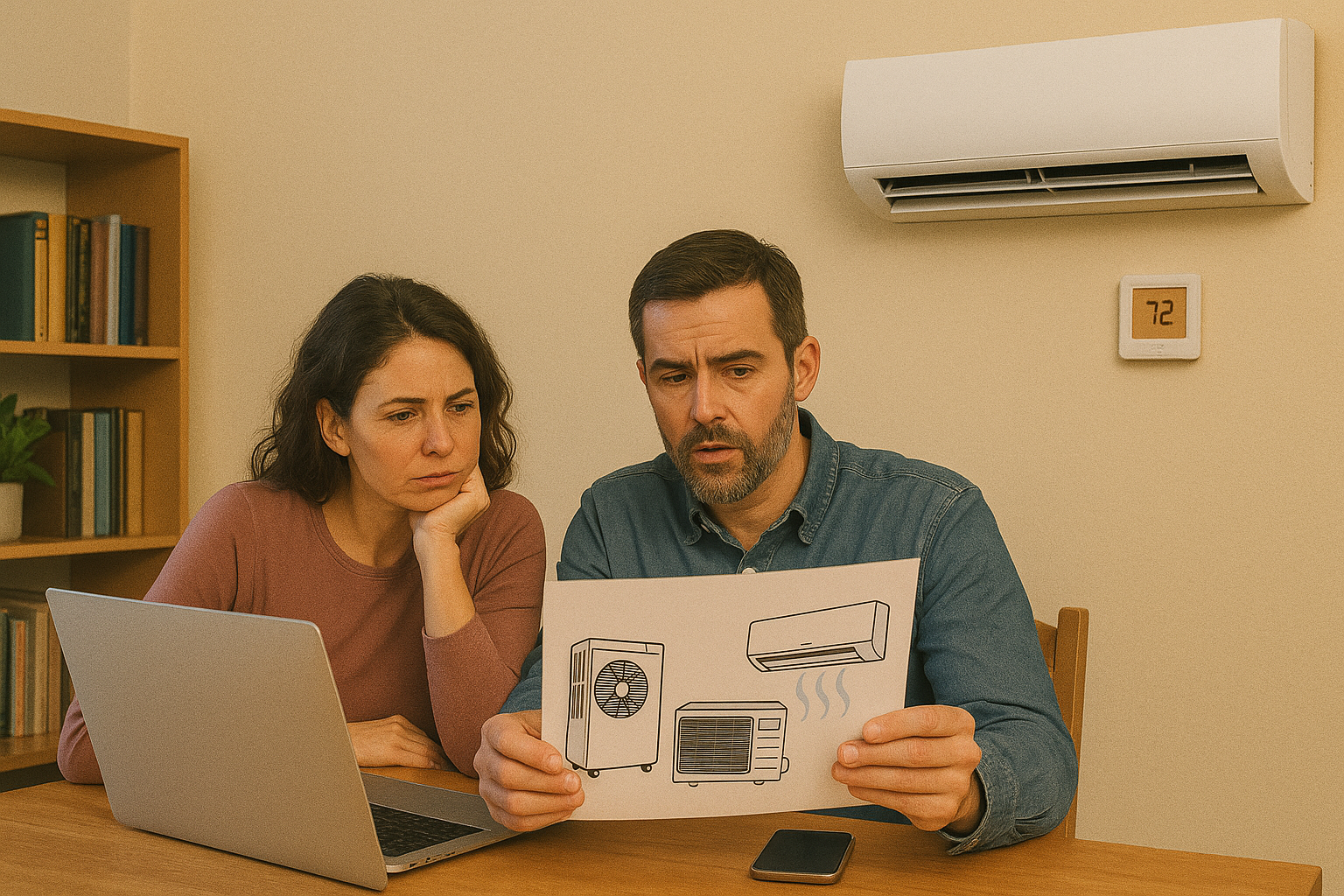
Start with the fundamentals: get a Manual J load calculation, choose single or multi zone based on how you actually use each space, then select a Daikin inverter heat pump with the right capacity, SEER2 and HSPF2 targets, and low ambient performance for your climate. Before you sign a contract, confirm your installer will size the line set correctly, pull permits, perform proper evacuation and charging, complete the electrical work, and commission the system. Compare total cost, available incentives, and a simple maintenance plan.
We know this is a big decision and small misses can ripple into comfort and cost. Our team can turn your room measurements and goals into a clean parts list and installer-ready questions.
- Get a Custom Quote
- Talk to Our Team by phone for real, U.S.-based support
- Shop Daikin Mini Splits