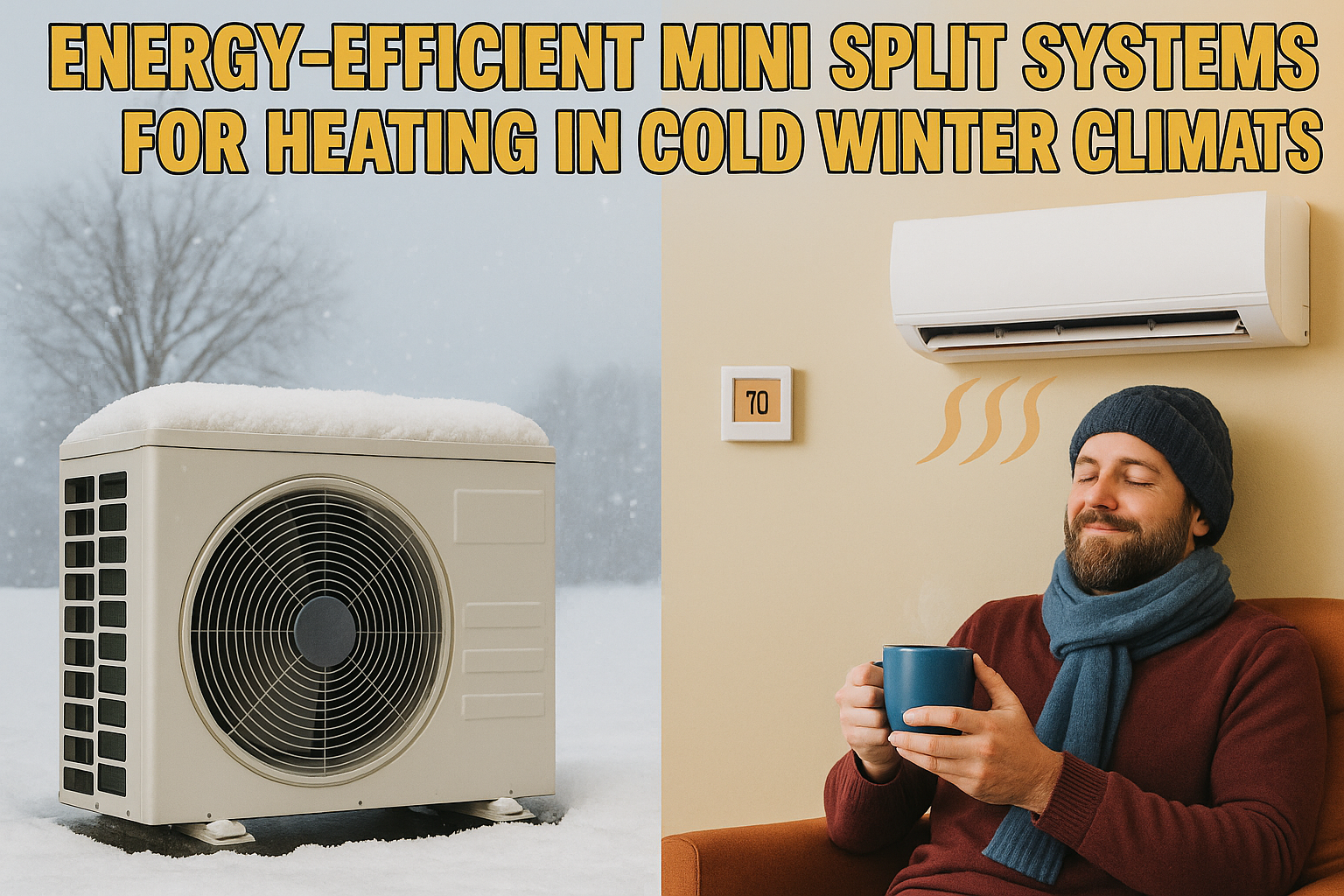





Daikin Cirra 18,000 BTU 2-Zone Mini Split: What It Is and Why It Matters
Looking for whole-home comfort without energy waste? The Daikin Cirra 18,000 BTU 2-zone mini split heat pump delivers quiet, customizable heating and cooling to two rooms or areas from a single compact outdoor unit. Each zone gets its own indoor unit for independent control, making it a fit for homes, apartments, and light commercial spaces. ECO+ energy optimization fine-tunes operation to reduce consumption, Blue Fin Protection shields coils from corrosion, and the system runs whisper-quiet.
How it works: a heat pump does not create heat, it transfers it. Picture a reversible conveyor belt that carries heat where you want it. In cooling mode it moves indoor heat outside. In heating mode it pulls available heat from outdoor air and brings it in. That transfer process is why mini splits often use less energy than resistance heaters or window ACs while maintaining steady, even comfort.
Why Choose a 2 Zone Mini Split? Key Benefits of the Daikin Cirra
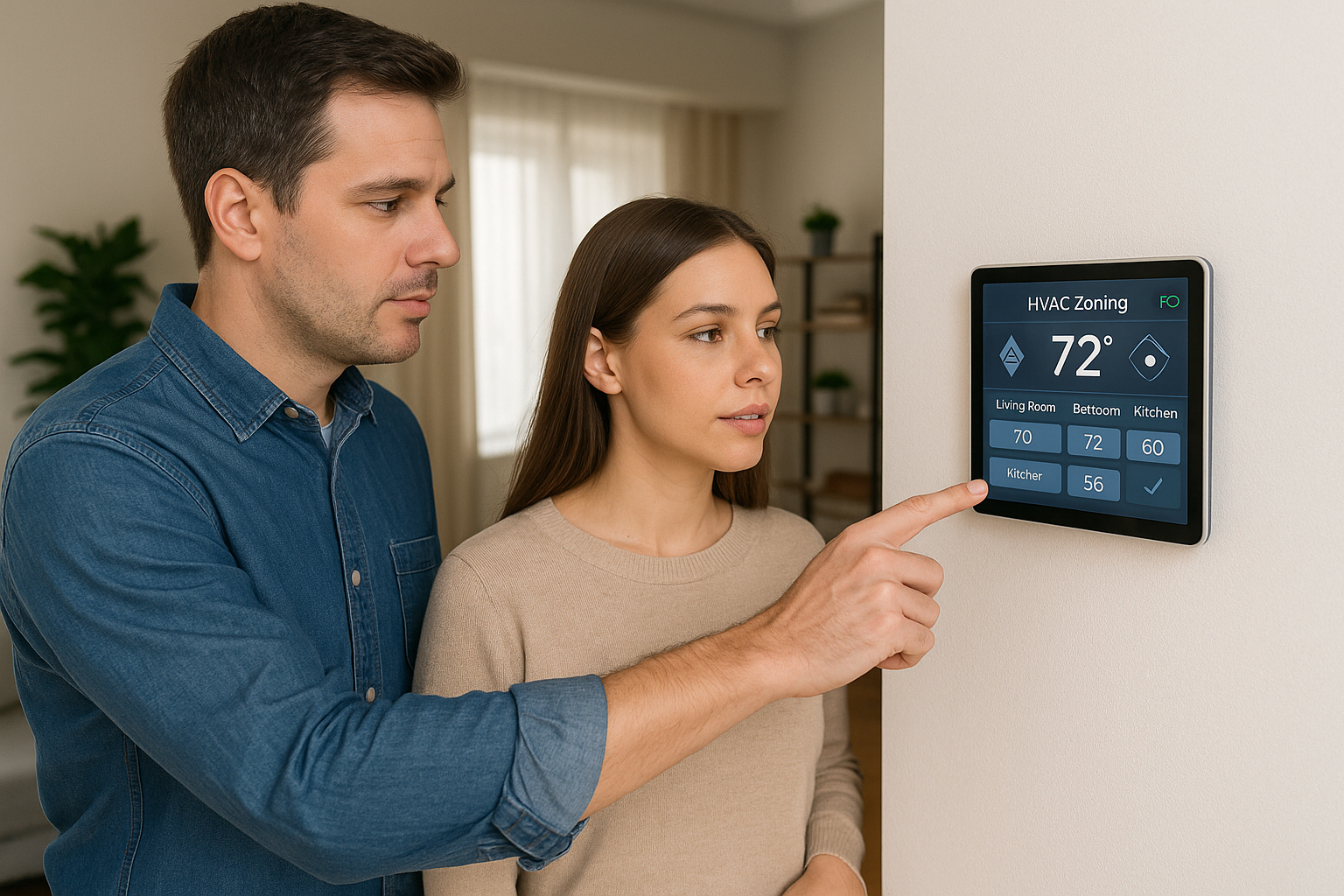
A 2 zone Daikin Cirra delivers independent comfort in two rooms, ideal for living room plus bedroom pairs, basements, additions, and light commercial. The inverter with ECO+ modulates like a dimmer to match load, steady temperatures, and lower energy use. Quiet performance fits bedrooms and offices. Blue Fin coil protection resists corrosion. A ductless layout and compact footprint save space. It heats and cools year round, and the factory pre charge supports longer line runs for quicker, low disruption installs. 10 year parts warranty with proper install and registration.
Efficiency Explained: SEER2, HSPF2, and the Cirra's Performance
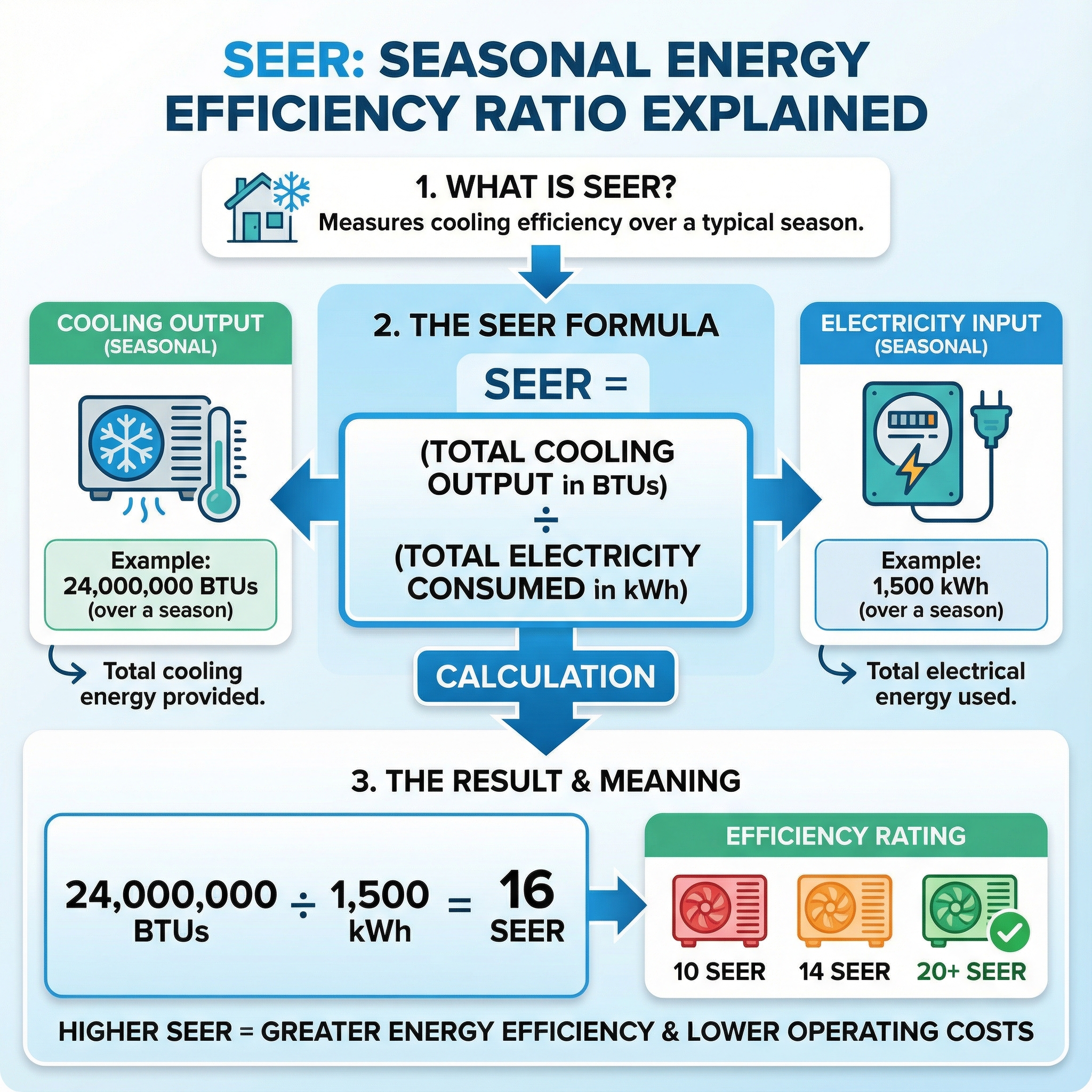
Daikin lists the Cirra 2 zone at up to 17 SEER2, up to 10 EER, and up to 9 HSPF. SEER2 and HSPF2 use a stricter procedure that applies 0.5 in. w.c. external static pressure, so ratings often read 8 to 10 percent lower than older SEER figures. That difference is intentional, giving a closer picture of how equipment performs in real homes. If you see the Cirra's heating shown as HSPF2 instead of HSPF, expect a lower value under that tougher test.
The Cirra's inverter compressor modulates output to match the load. Instead of full blast then off, it ramps smoothly like cruise control on a hill. That reduces cycling, raises part load efficiency where systems run most of the time, and keeps indoor temperatures steadier.
Sizing & Pre Install Checklist: Will 18,000 BTU Cover Your Two Rooms?
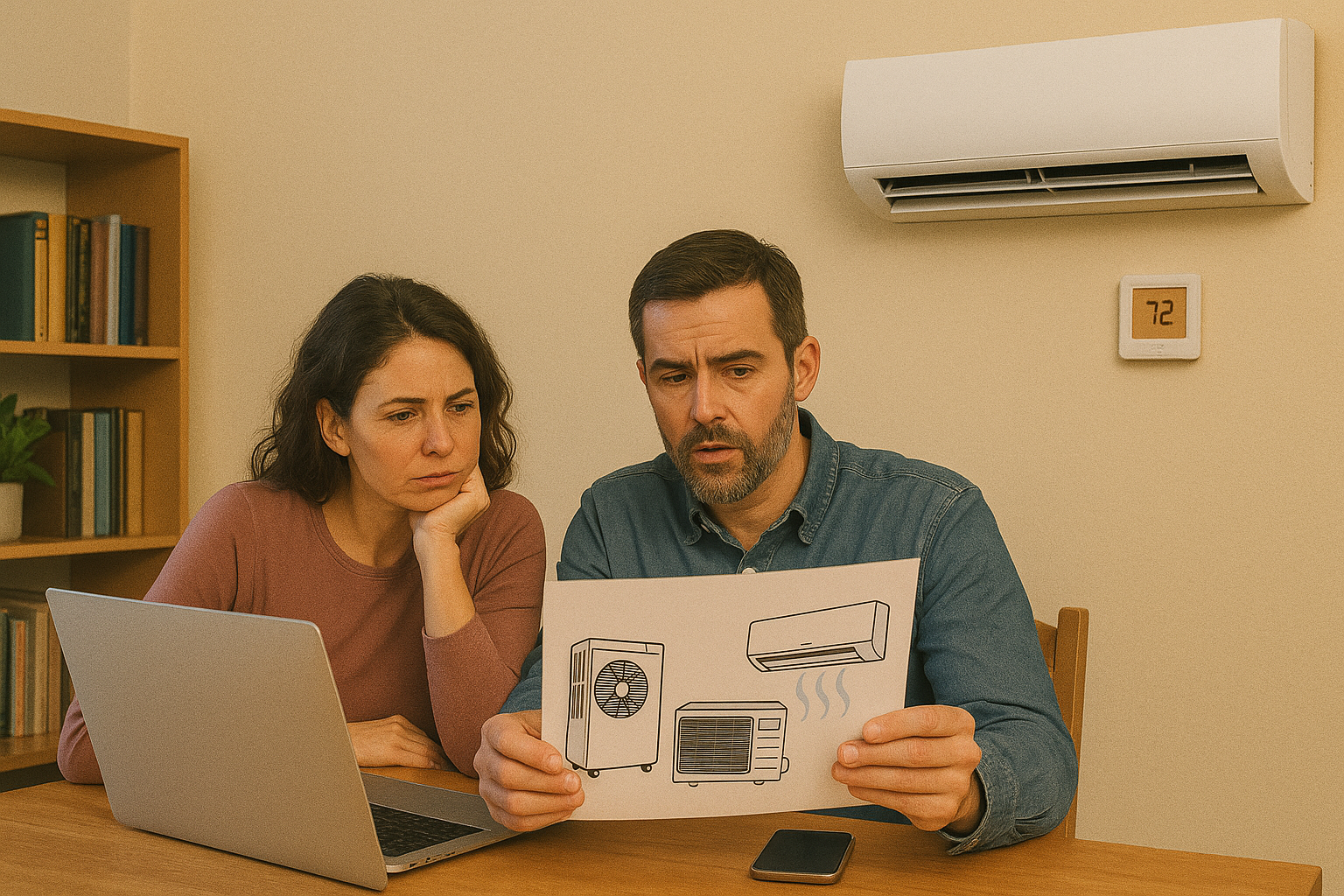
Thinking about a single 18,000 BTU system for two rooms? Treat sizing like shoes: the right fit avoids sore spots.
- Request a Manual J load, room by room. Do not split capacity evenly. Sun, insulation, and windows can push one room far above 9,000 BTU.
- Confirm zoning. Two heads on one condenser versus one head serving both spaces changes comfort and control.
- Check climate. In very cold regions choose a cold climate model or plan supplemental heat.
- Electrical readiness: dedicated 208/230V circuit. Size the breaker to the unit's MOP and wire to MCA, and verify panel space and a lockable disconnect. In our experience at Budget Heating (BudgetHeating.com), getting this right prevents nuisance tripping and delays.
- Line set and condensate: map length and lift, stay within factory pre charge limits or plan a charge adjustment, route the drain with continuous fall, and evacuate properly.
- Placement: select indoor and outdoor locations with clear airflow, minimal noise transfer, and clean condensate routing.
- Paperwork: obtain the AHRI certificate for rebates and permits.
- Hire a licensed installer and require full commissioning, startup documentation, and permit handling.
When the Cirra Isn't the Best Fit: Tradeoffs, Limits, and Better Alternatives
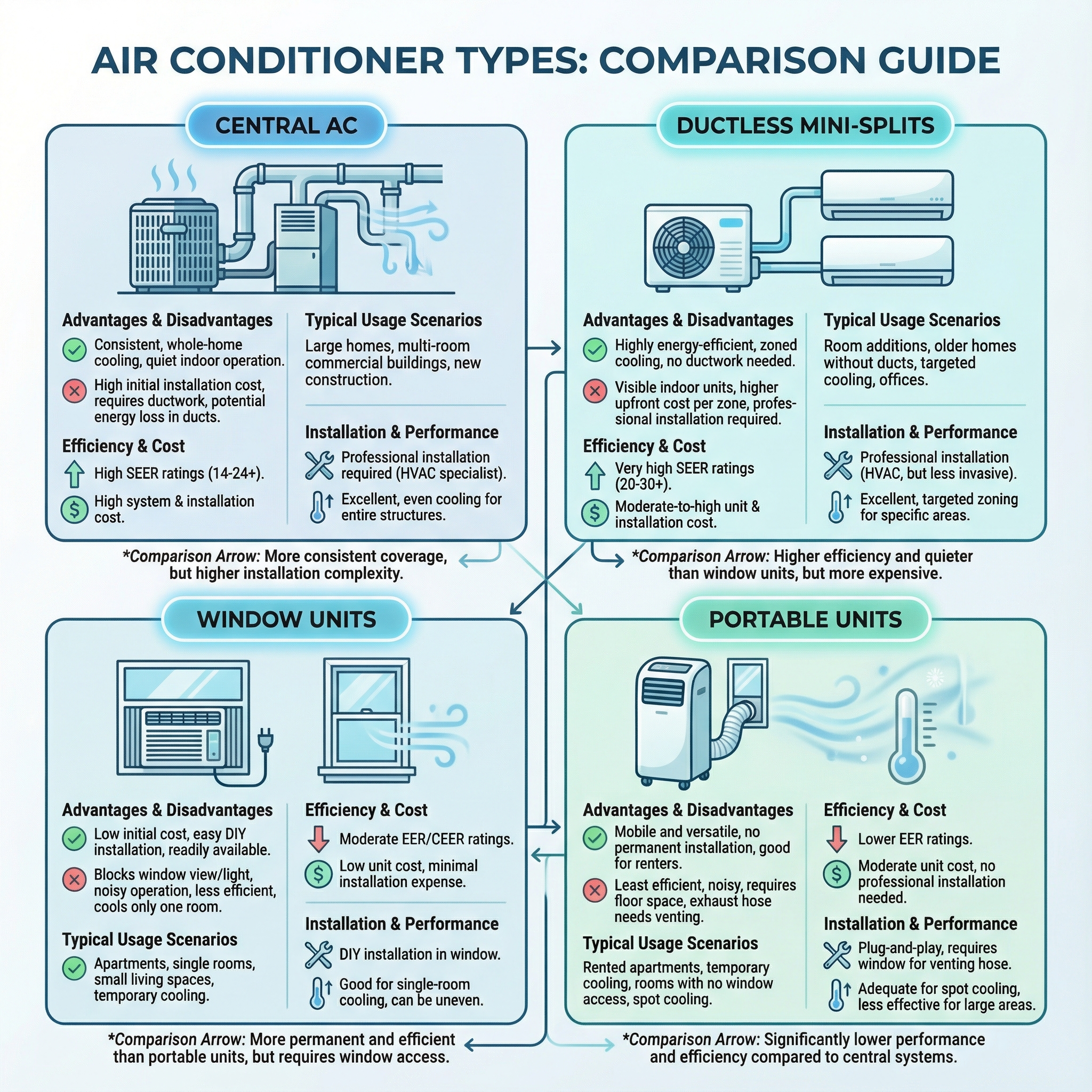
In very cold climates, a standard mini split loses output and may need backup heat. A cold-climate model or a gas furnace is often the smarter pick. For one room on a tight budget, a window unit can do the job at lower cost. Avoid oversizing: it short cycles, misses humidity control, and feels like stop and go traffic rather than a smooth cruise. Refrigerant is not used up; a low charge usually signals a leak that must be fixed. DIY installs risk poor performance and can void warranties. Frost or vapor during defrost is normal, but persistent heavy ice or a drop in comfort is not. Also note, typical multi zone systems cannot heat some rooms while cooling others at the same time.
Costs & Savings: What to Expect vs. Window Units and Old Central AC
The Cirra's ~17 SEER2 cuts cooling energy 40 to 50 percent versus a 1990s 10 SEER. On a $1,500 yearly bill, that is roughly $600 to $750 saved. Against stacking window units, a correctly sized whole-home system typically uses less total kWh and holds steadier temps across the house.
Simple payback often runs 3 to 5 years, shaped by electric rates, climate, run hours, and incentives. Installed cost varies by contractor, region, and job complexity. Many rebates require AHRI-matched equipment and professional installation. In our experience at Budget Heating (BudgetHeating.com), right sizing and duct checks keep the math honest.
Savings depend on install quality and upkeep: correct refrigerant charge, clean coils, strong airflow, and regular filters. A seasonal tune-up can prevent a 10 to 20 percent efficiency loss, and proper installation and maintenance are essential to realize the full benefit.
Installation & Maintenance: What Homeowners Can Do and What Pros Must Handle
We separate safe homeowner care from pro-only work to protect performance and warranty coverage.
- Homeowner tasks: operate controls correctly, clean washable filters every 2-4 weeks during heavy use, wipe indoor cabinets, clear leaves and clutter from around the outdoor unit, and check that the condensate line is draining.
- Professional tasks: refrigerant piping, pressure testing, evacuation, electrical circuit work, deep coil cleaning, and annual maintenance.
- Safety musts: shut off power before any external cleaning, never vent refrigerant, and avoid DIY refrigerant or electrical work since it can void warranties.
Think of the filter like a lint screen, keeping airflow open and efficiency steady. To preserve coverage, register the system and keep installation records. For Daikin equipment, this helps maintain the 10-year parts warranty.
Product Snapshot: The Daikin Cirra 18,000 BTU 2 Zone: Model & Specs
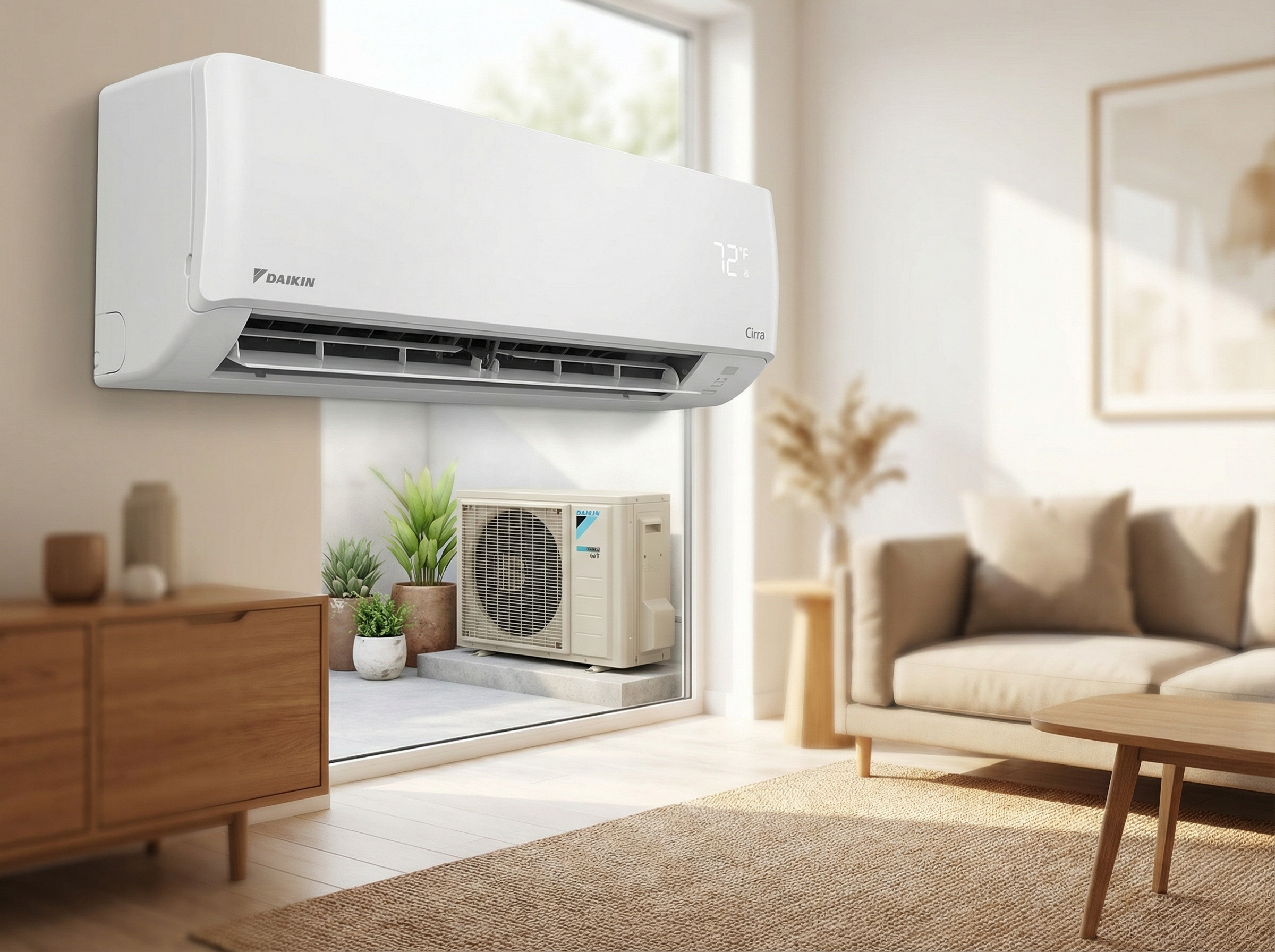
The Daikin Cirra 18,000 BTU mini split 2-zone heat pump is an outdoor condenser that supports two indoor heads for true zoned heating and cooling. It is aimed at small to medium multi-room layouts, for example two bedrooms or an office plus living area. As the condenser unit, it allocates capacity across two properly matched air handlers, giving each zone independent temperature control without full ductwork.
Regulatory, Warranty & Buying Notes: Refrigerants, SEER2, and Rebates
Since 2023, efficiency labels use SEER2 and HSPF2. Compare equipment on these ratings. We start every selection by confirming SEER2 values, refrigerant type, and that the indoor and outdoor units form an AHRI-matched combination.
The AIM Act is phasing down high GWP HFCs. Many current models use R-410A, which will be restricted. For forward compliance, look for low GWP A2L refrigerants such as R-32 or R-454B. Some jurisdictions require A2L-specific installer training and adherence to updated safety codes, so verify local rules before you buy.
- Verify refrigerant type and SEER2/HSPF2 ratings on the AHRI listing.
- Ensure the indoor and outdoor equipment are an AHRI-matched set.
- Confirm any local A2L training or code requirements for installation.
- Keep the AHRI certificate and full spec sheets for permits and rebates.
Treat the AHRI certificate like an ID card, it proves the exact pairing that inspectors and rebate programs expect to see.
Is the Daikin Cirra 18k 2 Zone Right for You? Final Recommendation & Next Steps
The Daikin Cirra 18,000 BTU 2 zone mini split fits two rooms or small multi room areas, often up to about 900 sq ft depending on climate and envelope. It brings inverter modulation with ECO+, quiet operation, Blue Fin protection, and a straightforward ductless install. With sound design and commissioning, it delivers efficient, flexible comfort.
Next steps: have a pro complete a Manual J, verify SEER2 and HSPF2 for rebates, confirm electrical, and perform refrigerant charging and startup, then register the warranty. Plan routine filter cleaning and an annual service. Our U.S.-based team has 30+ years in HVAC and can guide you end to end.
- Get a Custom Quote
- Talk to Our Team, call for live U.S.-based phone support
- Shop Multi Zone Mini Splits