




Daikin 36,000 BTU Polara Mini Split: Big-Room Cooling Made Simple
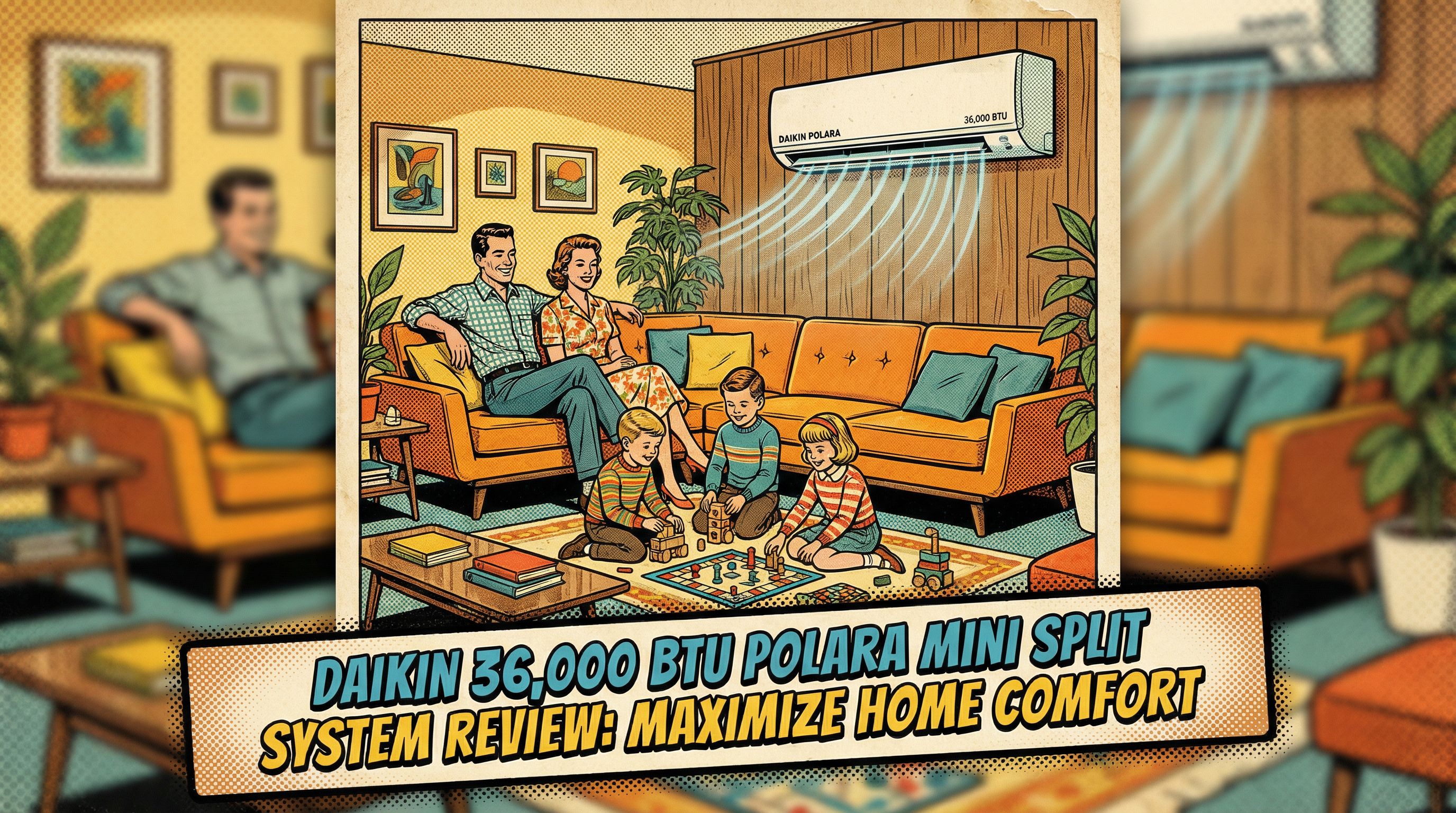
The Daikin Polara 36,000 BTU is a high capacity, cooling-only, single zone mini split built to tame big, open spaces like great rooms, lofts, shops, and outbuildings. We set expectations up front: this is a dedicated cooler for one large area, built for straightforward operation.
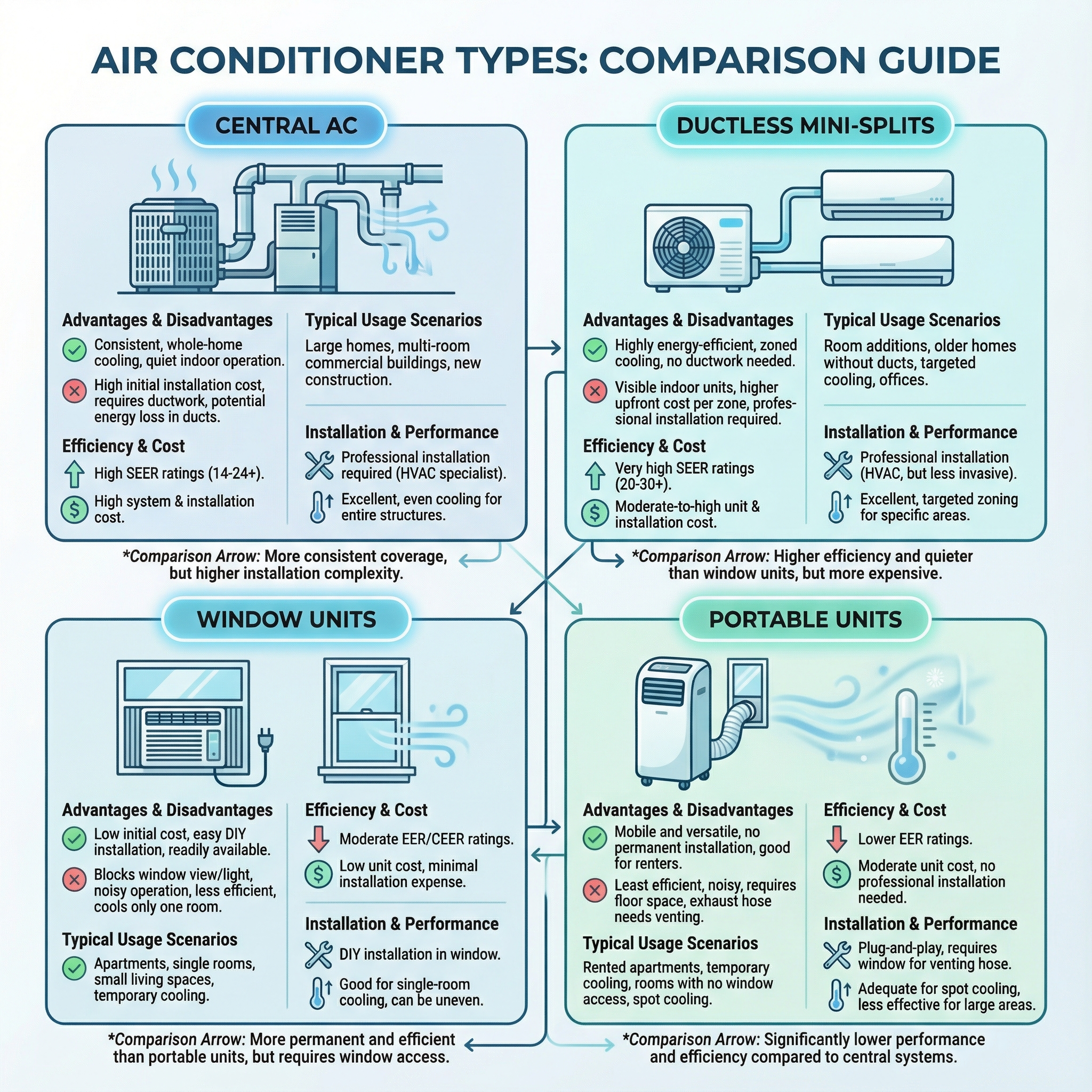
We like to explain BTUs as horsepower for cooling. At 36,000 BTU, the system removes a large amount of heat each hour, which is why it suits expansive rooms. Cooling-only means it focuses on summer comfort or spaces that already have separate heat. Single zone means one outdoor unit paired with one indoor air handler serving a single area, no ductwork required, simpler wiring, and clear, room-specific control.
- Homeowners or renters upgrading comfort in a large living room, loft, or addition.
- DIY-savvy buyers who want a direct, single space solution with clean installation paths.
- Small contractors comparing reliable cooling for shops, studios, and outbuildings.
Bottom line, this model delivers strong, dedicated cooling for one big space with minimal complexity.
Quick Verdict: Who the 36,000 BTU Polara Is Best For
The 36,000 BTU Polara is ideal for one big area that needs serious cooling: great rooms, open living plans, large garages, workshops, or light-commercial bays. In our experience, this capacity shines as a ductless add-on to fix a hot spot or upgrade an under-served space. It is a single-zone system, one outdoor unit paired to one indoor head, so all the capacity focuses on one area. Multi-zone systems connect multiple indoor heads to one outdoor unit and split capacity across rooms. If you want whole-house coverage, plan on multiple units or a multi-zone design. If you want to tame one big space, this is the sweet spot.
Key Specs at a Glance: BTU, SEER2 and Warranty
In our experience at Budget Heating (BudgetHeating.com), buyers look first at capacity, efficiency, and warranty. Here are the highlights you need:
- Capacity: 36,000 Btu/h (3 ton class), suitable for a large single zone space.
- Efficiency: One 36k configuration is rated about 15.9 SEER2, with Polara series options reaching up to about 17.5 SEER2 across configurations.
- Type: Cooling only configuration, does not provide electric heating.
- Warranty: 10 year parts warranty when professionally installed and properly registered, manufacturer terms apply.
Bottom line: a true 3 ton single zone cooler with SEER2 options up to the mid high teens, backed by a 10 year parts warranty. If heating is required, plan a separate heat source since this configuration cools only.


Cooling Performance: Real World Comfort, Humidity and Operating Envelope
In day to day use, Polara feels strong and controlled. From a hot start it pulls rooms down to setpoint quickly, then trims capacity to hold a steady temperature without big swings. In larger single zones, like an open living room, we have seen it keep air even from wall to wall with minimal overshoot.
Humidity control is a standout. Inverter modulation improves part load dehumidification compared with fixed speed units, so on sticky afternoons you feel drier at the same thermostat setting instead of chasing a colder target.
As for operating envelope, it is intended primarily for warm and hot climates as a cooling solution. In colder regions, plan a separate heating strategy for the shoulder season and winter. That pairing keeps Polara in its comfort sweet spot, delivering fast pull down and steady, low draft cooling when outdoor temperatures climb.
Thermostat, Remote and Smart Controls: How You'll Operate the Polara
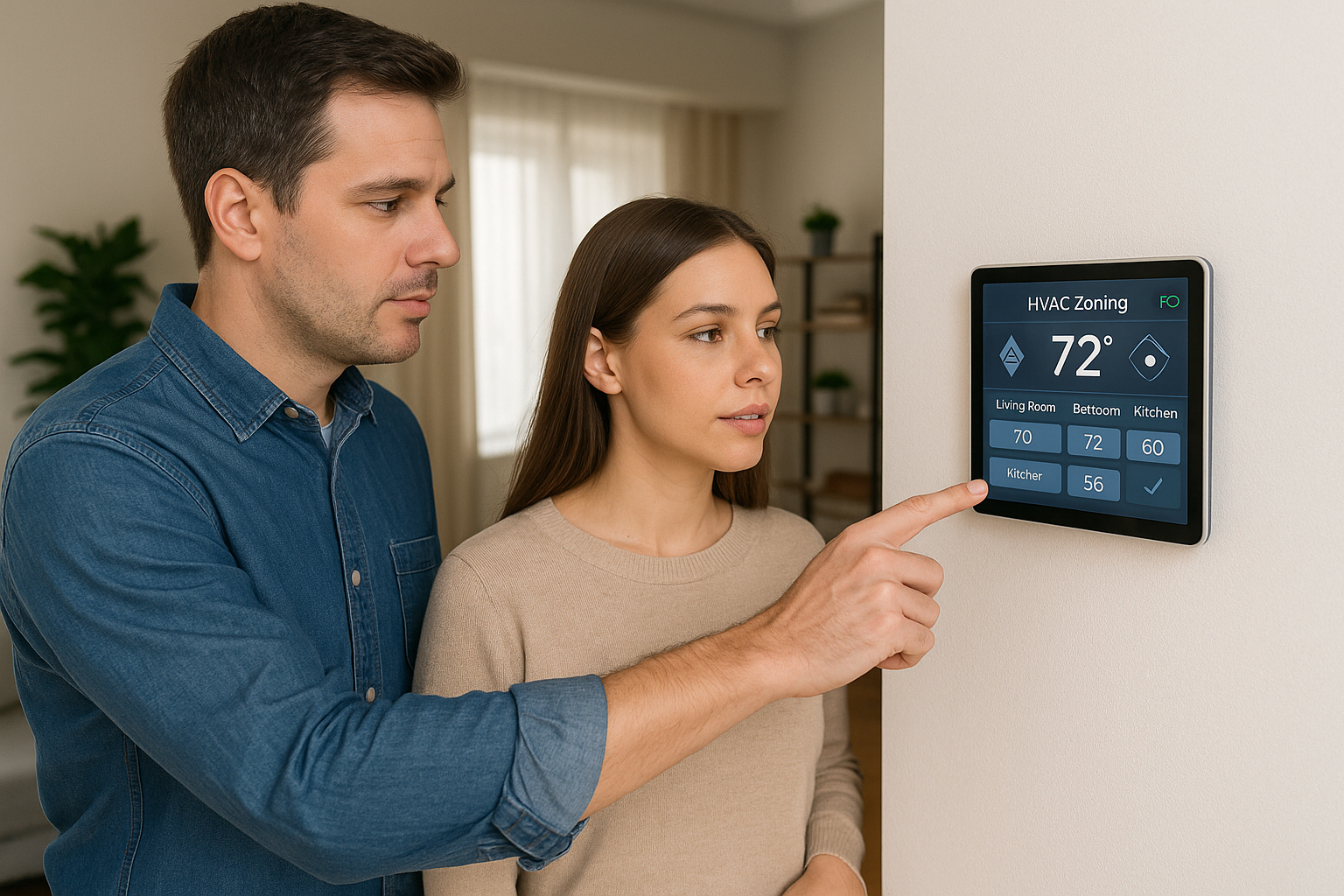
From decades in HVAC, confirm how you will control the Polara before purchase. The unit ships with a remote that handles setpoint changes, multiple fan speeds, mode selection, louver or swing direction, and timers. At startup, ensure the remote is paired and every button produces the expected response.
- Remote functions verified at install: setpoints, fan speeds, modes, louver or swing, timers.
- Optional Wi Fi or app control is available on many Daikin product lines. Confirm Polara support and smartphone integration.
- Third party thermostat compatibility varies. Verify with your installer if you want a wall thermostat.
What Is the Daikin Polara 36,000? Design, Build and Key Features
The Daikin Polara 36,000 is a ductless mini split built around a wall mount indoor unit paired with an outdoor compressor. This compact layout preserves floor space, avoids ductwork, and drops into homes where adding ducts would be costly or disruptive. The indoor head has a low profile with a modern face, so it blends in and runs quietly, ideal for bedrooms, living areas, or a finished basement.
At the heart of the system is an inverter driven compressor. Think of it like a dimmer switch rather than a simple on or off. The compressor modulates output to match the exact load, which keeps room temperatures steadier, improves humidity control during long, low speed runs, and boosts part load efficiency compared to units that constantly start and stop. The result is fewer swings from too warm to too cool, less noise from hard cycling, and lower wasted energy in mild weather.
Airflow and acoustics matter day to day. The wall unit is tuned for unobtrusive operation, so conversations and sleep are not interrupted by harsh ramp ups. In our experience at Budget Heating (BudgetHeating.com), homeowners notice the comfort first, then the quiet. The design focus is simple, reliable comfort in a compact package that fits where traditional systems do not.
Energy Efficiency & Operating Costs: SEER2 Explained and Expected Savings
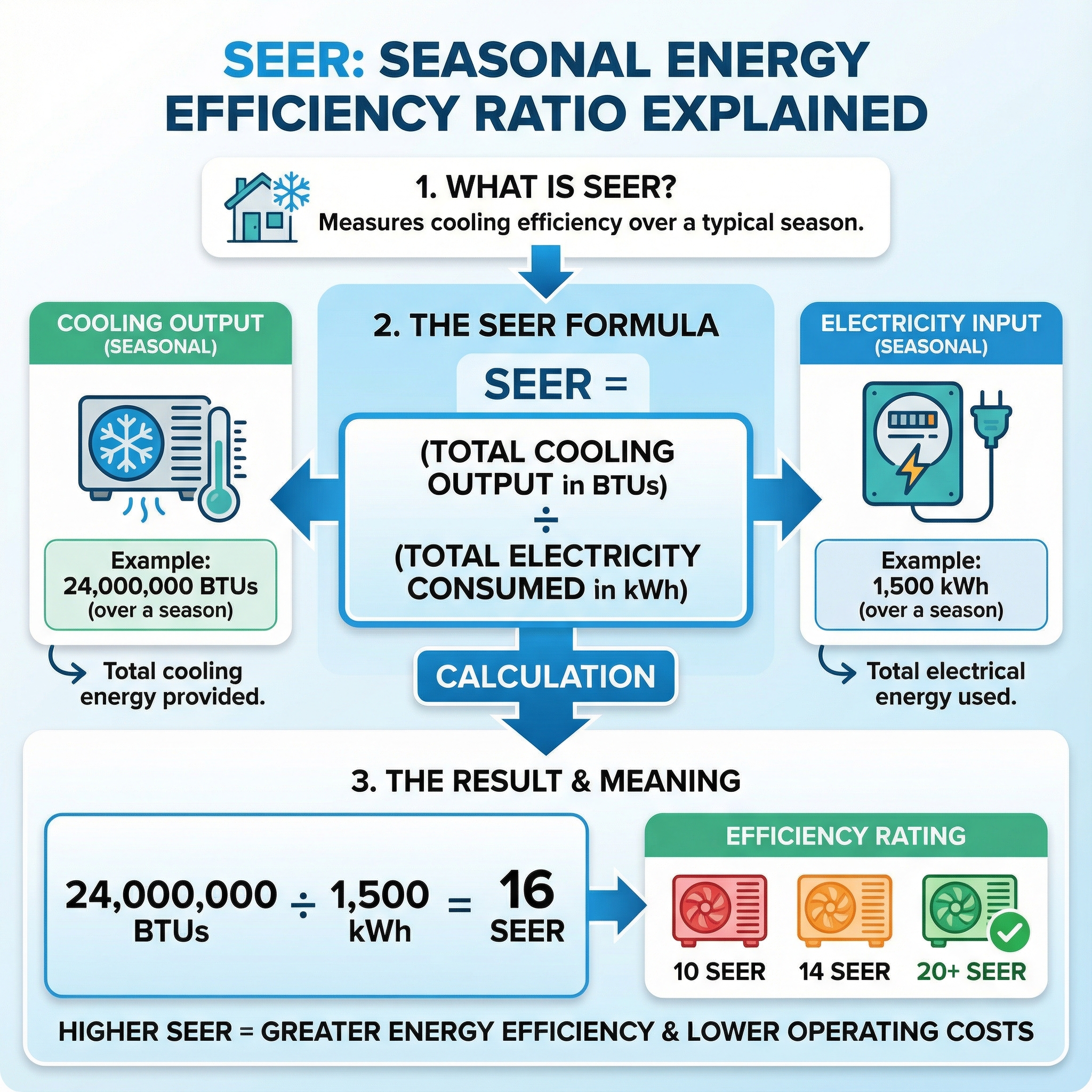
SEER2 is the seasonal efficiency rating for cooling under the DOE's newer M1 test, in place since 2023. Think of it like miles per gallon for an air conditioner. Higher SEER2 means less electricity for the same cooling. Always compare SEER2 to SEER2, not legacy SEER numbers, since the test methods differ.
The Polara 36k sits above current minimums, with a documented SEER2 around 15.9 in a specific match and up to about 17.5 across the series. Regional minimums are about 13.4 SEER2 in the North and about 14.3 SEER2 in the Southeast and Southwest, so the Polara clears the baseline with room to spare.
How that translates to energy use: for a 36k system at 1,000 equivalent full load hours, moving from about 14.3 SEER2 to roughly 17-18 SEER2 cuts use from about 2,517 kWh to about 2,000-2,118 kWh, roughly a 16-20 percent reduction. Your seasonal cost is simply kWh multiplied by your local electricity rate and your actual run hours. In hotter climates or long cooling seasons, the savings scale up with hours.
- Quick estimate: kWh saved × your $/kWh = seasonal dollar savings.
- More hours or higher rates increase the value of higher SEER2.
Upgrading from an older 10 SEER system to a roughly 16-18 SEER2 class unit often trims cooling energy about 30-40 percent, which is noticeable on annual bills.
Regulatory notes: the HFC phase down is steering equipment toward lower GWP refrigerants beginning around 2025. Check the model's refrigerant and any state overlays. Many incentives prioritize heat pumps or very high efficiency tiers, so cooling only equipment may not qualify for top rebates.
Pros, Cons and Tradeoffs: When the 36k Polara Isn't the Right Choice
We like 36k wall mounts for large, open areas, but there are clear cases where a different path is smarter.
- Cold climates or year-round heating: This configuration is cooling only. For true four-season comfort, choose a heat pump variant or pair with a dedicated heating system, gas or electric, for winters.
- Multiple separate rooms: One wall-mounted head will not evenly condition closed bedrooms or offices. Go with a multi-zone mini split setup with multiple indoor heads, or a properly sized ducted system.
- Oversizing risks: Dropping a 36k into a smaller load often causes short cycling, weak dehumidification, and hot-cold swings. It is like tapping the gas pedal on and off instead of cruising. Downsize to 18k or 24k where loads are lower and base the choice on a Manual J calculation.
Common mistakes to avoid:
- Refrigerant is not consumable. If it is low, there is a leak that needs repair.
- Check or clean filters frequently, monthly in heavy use, to protect airflow and humidity control.
- Cranking the setpoint colder does not cool faster. It only runs longer and can overshoot.
- Modern mini splits are typically quiet. Do not assume old window unit noise levels.
Installation, Checklist & Maintenance: Costs, Permits and Owner Tasks
Start with sizing. Have a professional Manual J load calculation to confirm 36,000 BTU is appropriate before purchase. Plan for permits, and once installed, register the product for warranty. Keep model and serial numbers with your commissioning records. Expect line items like electrical work, a pad or wall bracket, and a condensate pump if slope is not possible.
- Power and code: a dedicated 208/230V circuit matched to the unit nameplate, a code compliant outdoor disconnect, correct bonding and grounding, and GFCI or AFCI where required, such as garages.
- Placement: set the outdoor unit on a stable pad or bracket with manufacturer clearances. Choose an indoor wall that is unobstructed, has easy filter access, and allows direct condensate routing.
- Line set and condensate: keep refrigerant line length and vertical separation within Daikin limits. Fully insulate both lines. Route condensate with continuous slope or use a condensate pump.
- Professional vs DIY: major installation, refrigerant, and electrical work belong to licensed and EPA certified technicians. This protects warranty, performance, and code compliance.
Commissioning checklist we require in the field:
- Nitrogen purging during brazing when used.
- Pressure test and verified leak check.
- Deep vacuum to 500 microns or less with a stable decay. Think of it like drying a sponge before sealing it so moisture cannot cause trouble.
- Proper torque on flare or mechanical fittings.
- Start up checks: confirm correct rotation and operation, test condensate drainage, record amperage, pressures, and temperatures, then save those records.
Owner maintenance: clean indoor filters monthly, more often in dusty conditions, and let them dry fully before reinstalling. Keep the outdoor unit clear of debris and vegetation. Inspect the condensate drain periodically. Schedule annual or biennial professional tune ups for coil cleaning, system checks, and diagnostics.
Final Recommendation: Is the Daikin 36,000 BTU Polara Right for Your Home?
If you have a large single-zone space that needs strong, quiet cooling without ducts, Daikin's 36,000 BTU Polara is a solid, compliant pick when right-sized and professionally installed. If you need heating, multi-zone coverage, or worry about oversizing, consider alternatives.
Next steps: get a Manual J, request licensed installer quotes with best-practice commissioning, confirm warranty registration, and ask about refrigerant and rebate eligibility. Our team brings 30+ years in HVAC, 200,000+ orders fulfilled, and U.S.-based phone support.
- Get a Custom Quote
- Talk to Our Team by Phone
- Shop Ductless Mini Splits