




Daikin 2 Zone Mini Split AC Heat Pump: What this review covers
Looking for whole home comfort in two hard to serve rooms without the cost of ducts? Daikin's 2 Zone Mini Split AC Heat Pump is built for efficient, quiet, targeted control.
The heart of the system is a 24,000 BTU outdoor condenser (model 3MXL24WMVJU) that can support up to 31,200 BTU of combined indoor capacity and is rated to keep working in cold snaps down to −13 F. Indoor wall heads run whisper quiet, as low as 31 dB(A), and hold temperature and humidity steady, which suits bedrooms, offices, rentals, and studios.
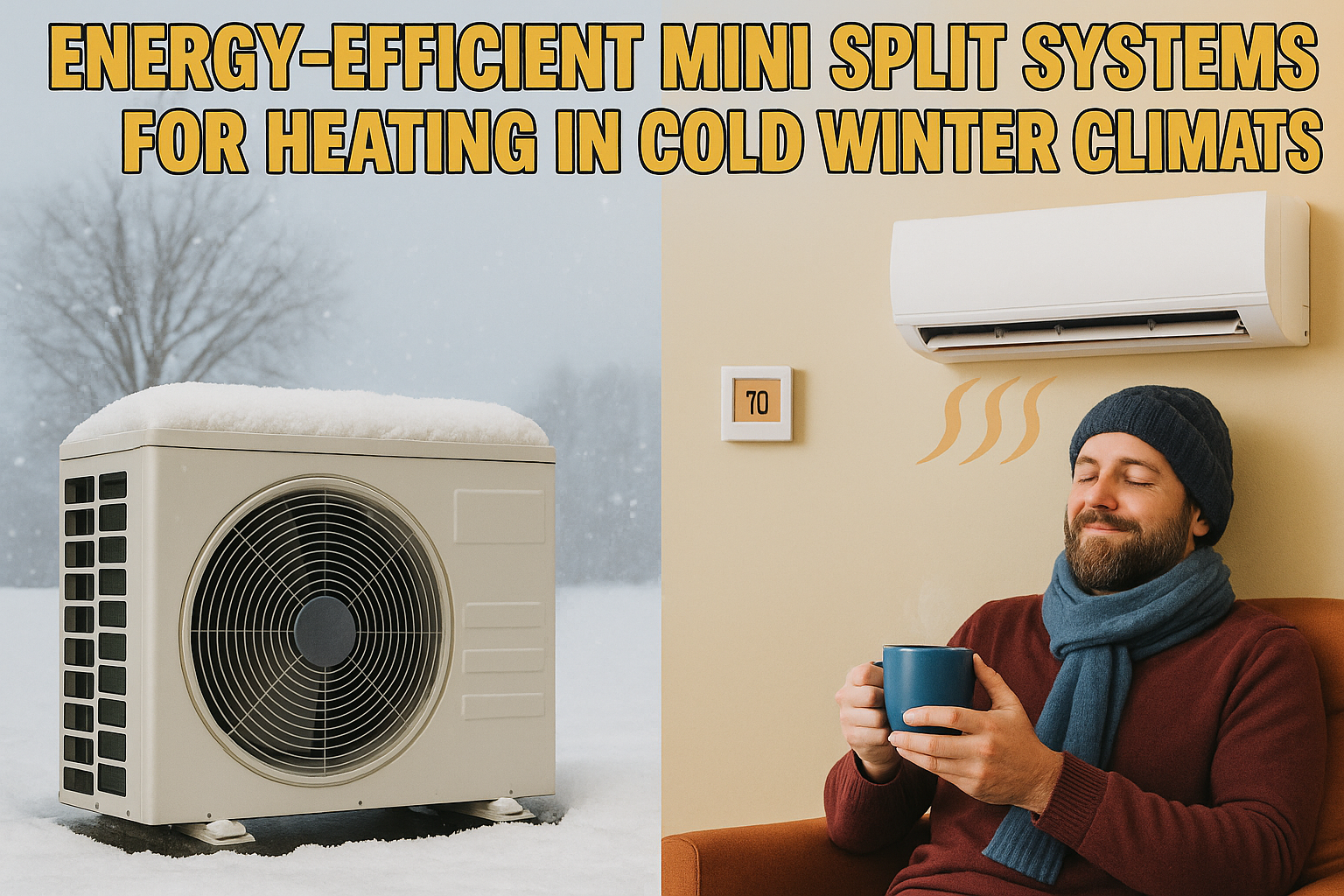
As a heat pump, it transfers heat instead of generating it. Think of it like a pump moving warmth from one place to another, which is fundamentally more efficient than making new heat with electric coils or burning fuel.
Drawing on decades in HVAC, this Comfort & Efficiency Review covers zoning and capacity matching, controls, everyday comfort, expected operating costs, noise, and cold weather behavior, plus practical installation and configuration tips and simple maintenance habits that protect performance over the long haul.
Quick verdict: Who the Daikin 2 Zone serves best
If you want efficient, quiet heating and cooling in two key areas with precise per room control, this two zone setup fits well. It combines heating and cooling in one system and, with professional design and installation, delivers balanced comfort without the usual hot or cold spots.
In our experience, it typically beats window units, electric resistance heaters, and oversized single zone systems on operating cost because of higher seasonal efficiency and zoning. Daikin is a reputable manufacturer, and the equipment is built to last, with multi year warranties available, with terms depending on model and registration. For homeowners planning a future oriented upgrade across two important spaces, it is a strong pick.
Key specs & features: Capacity, cold climate rating and Econo Mode
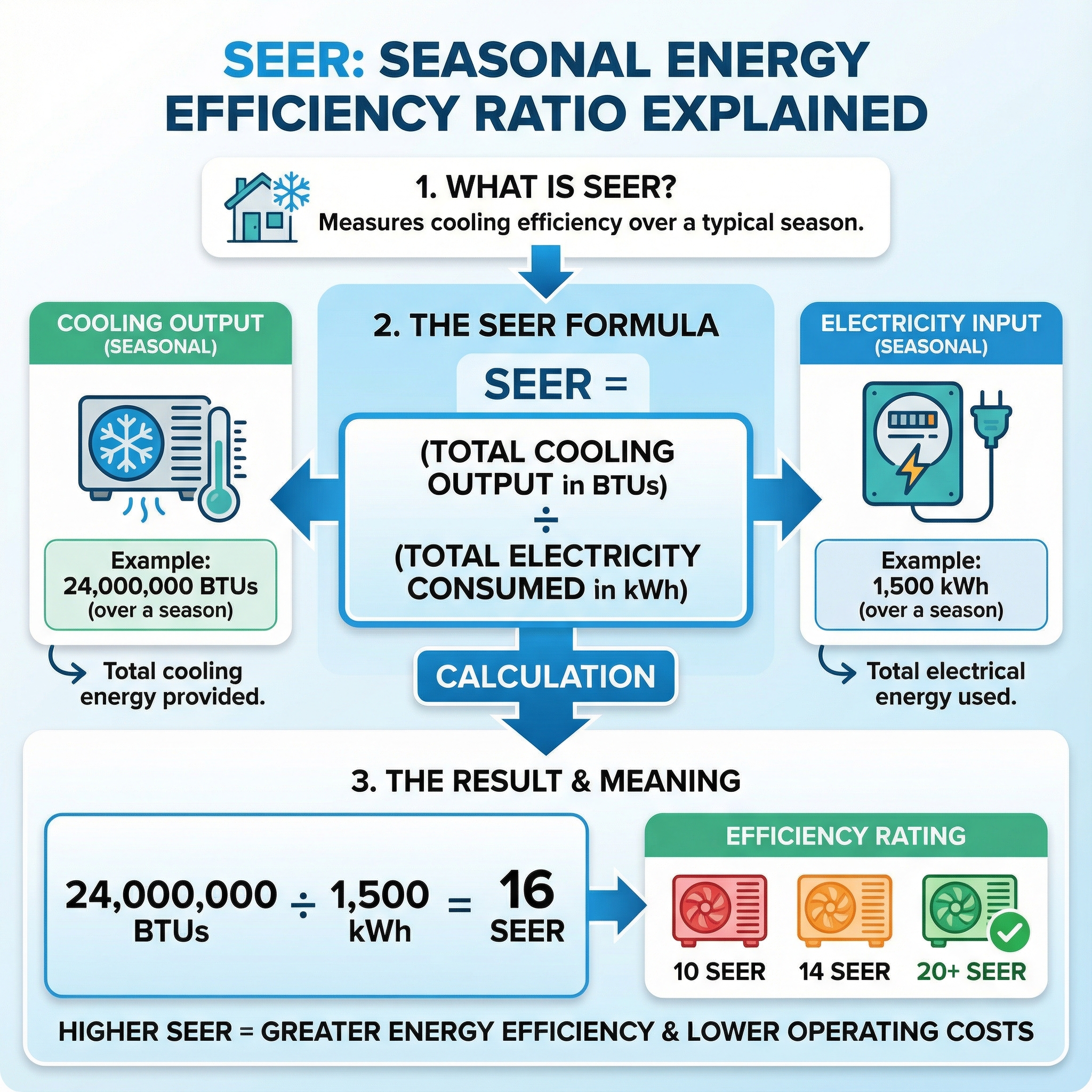
Match the outdoor unit's capacity to your combined zones and check the cold climate heating rating. Since 2023 the industry moved to SEER2/EER2/HSPF2, a newer mpg style test. SEER2 numbers run lower than legacy SEER but better reflect field performance. High tier inverter multi splits commonly reach high teens SEER2. Moving from 14.3 to 20 SEER2 cuts seasonal cooling kWh about 29 percent.
Regulatory minima are 14.3 SEER2 and 7.5 HSPF2. Daikin's Econo Mode trims startup power up to 30 percent, reducing peak draw and helping when panel capacity or time of use rates matter. In our experience at Budget Heating (BudgetHeating.com), this 2 zone Daikin is characterized as high SEER and, combined with zoning and Econo Mode, can lower operating cost, though savings vary by rates, climate and setpoints.
Installation & sizing guide: planners' checklist for a 2 zone setup
Use this checklist to plan a reliable, efficient 2 zone setup. In our experience at Budget Heating (BudgetHeating.com), projects that start with clear sizing and layout end with quiet comfort.
- Confirm you truly need two independent zones and that ductless heads fit those rooms.
- Request room by room Manual J for cooling and heating. In cold climates size heating to a realistic design temperature.
- Capacity: outdoor is 24,000 BTU (3MXL24WMVJU). Indoor nameplates may total 31,200, but simultaneous capacity is limited to 24,000. Follow Daikin diversity guidance.
- Line sets and drainage: keep length and elevation within Daikin limits, insulate lines, plan gravity or pump condensate, and provide outdoor clearances with a stand for snow.
- Electrical: dedicated circuit, outdoor disconnect, proper grounding and overcurrent protection. Review starting current and panel capacity. Econo Mode can mitigate startup draw.
- Controls: choose remotes, centralized controller, or Wi Fi. Set schedules and reasonable setpoints, and use min or max lockouts.
- Commissioning: nitrogen pressure test, deep vacuum at 500 microns or less with a standing vacuum test, charge verification per Daikin, correct communication wiring, and properly torqued fittings.
Cost, savings transparency and what the review does NOT estimate
We quantify operation, not your final bill. This review notes Econo Mode's up to 30% startup reduction, but omits installed cost ranges and annual dollar savings. No simple payback or lifecycle cost is provided, since those depend on local labor, electricity rates, loads, and incentives.
For a ballpark, estimate seasonal kWh as: baseline kWh × (14.3 / your SEER2), then multiply by your local $/kWh. Zoning and higher SEER2 can reduce use further. Figures reflect SEER2, not legacy SEER.
- Get local, itemized install quotes and confirm AHRI ratings for matched equipment.
- Include permits, line set or pad work, and any electrical upgrades.
- Apply utility or state incentives and the federal tax credit if eligible.
When the Daikin 2 Zone is not the best match (and better alternatives)
With 30+ years in the field, we see a few cases where a 2 zone mini split is not the ideal fit.
- Very cold regions: despite some setups rated to −13 F, plan for a precise Manual J. Use a dedicated cold climate variant or add backup heat (electric strip, hydronic coil, or keep a furnace for hybrid operation).
- Clean, hidden look: wall heads are visible and need line set routes. Select slim ducted air handlers or ceiling cassettes if you want equipment out of sight.
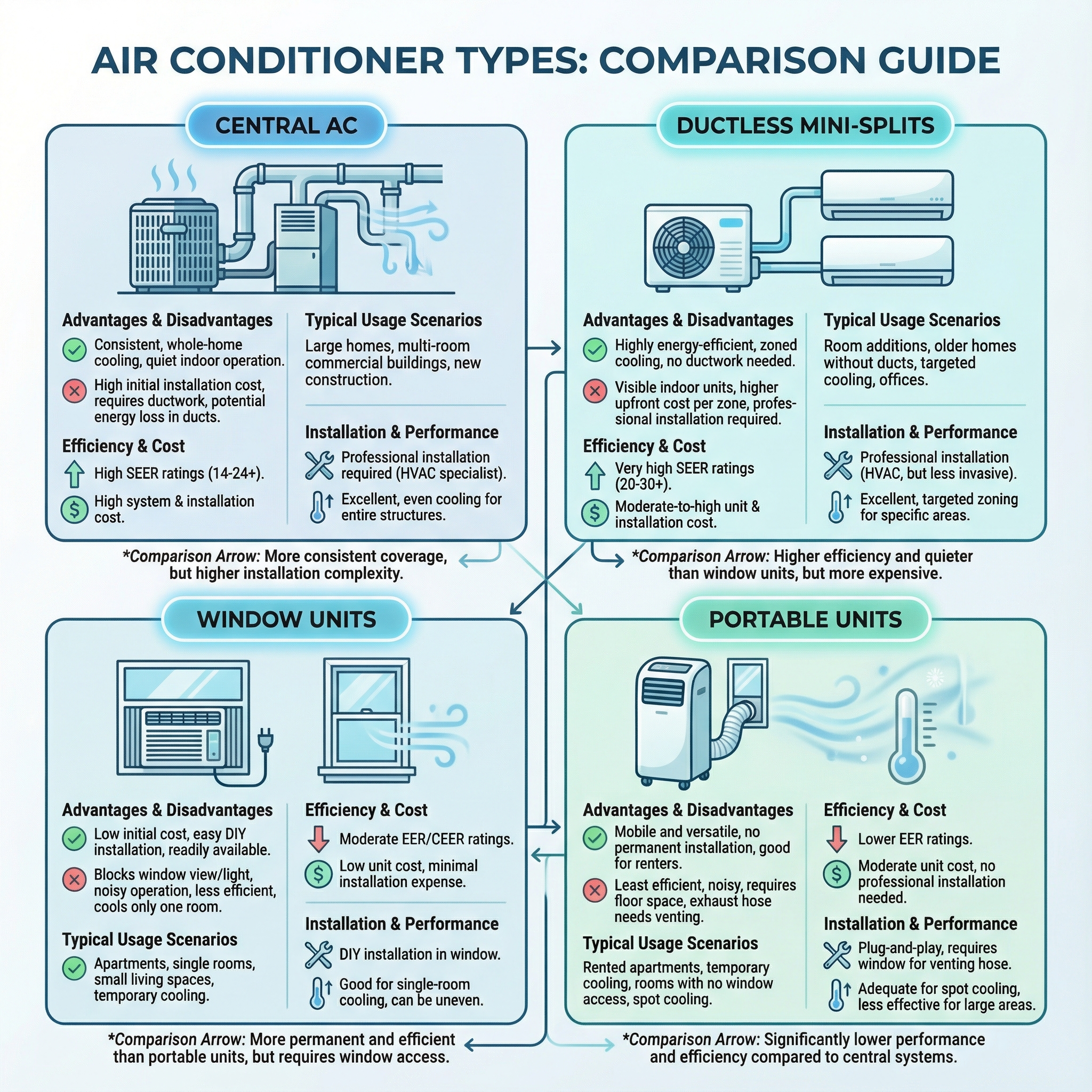
- Tight budgets or simple rooms: equipment and pro install usually cost more than window units or basic single zone systems. A pair of single zone minis or room units can be cheaper.
- Long line sets or tricky pairings: performance and incentives depend on exact indoor outdoor matches. Respect line set limits and AHRI pairing.
Misconceptions to clear up: mini splits do heat, cold climate models work when sized right, zoning can save when rooms differ, and bigger is not better. Installed cost and payback must be calculated per home.
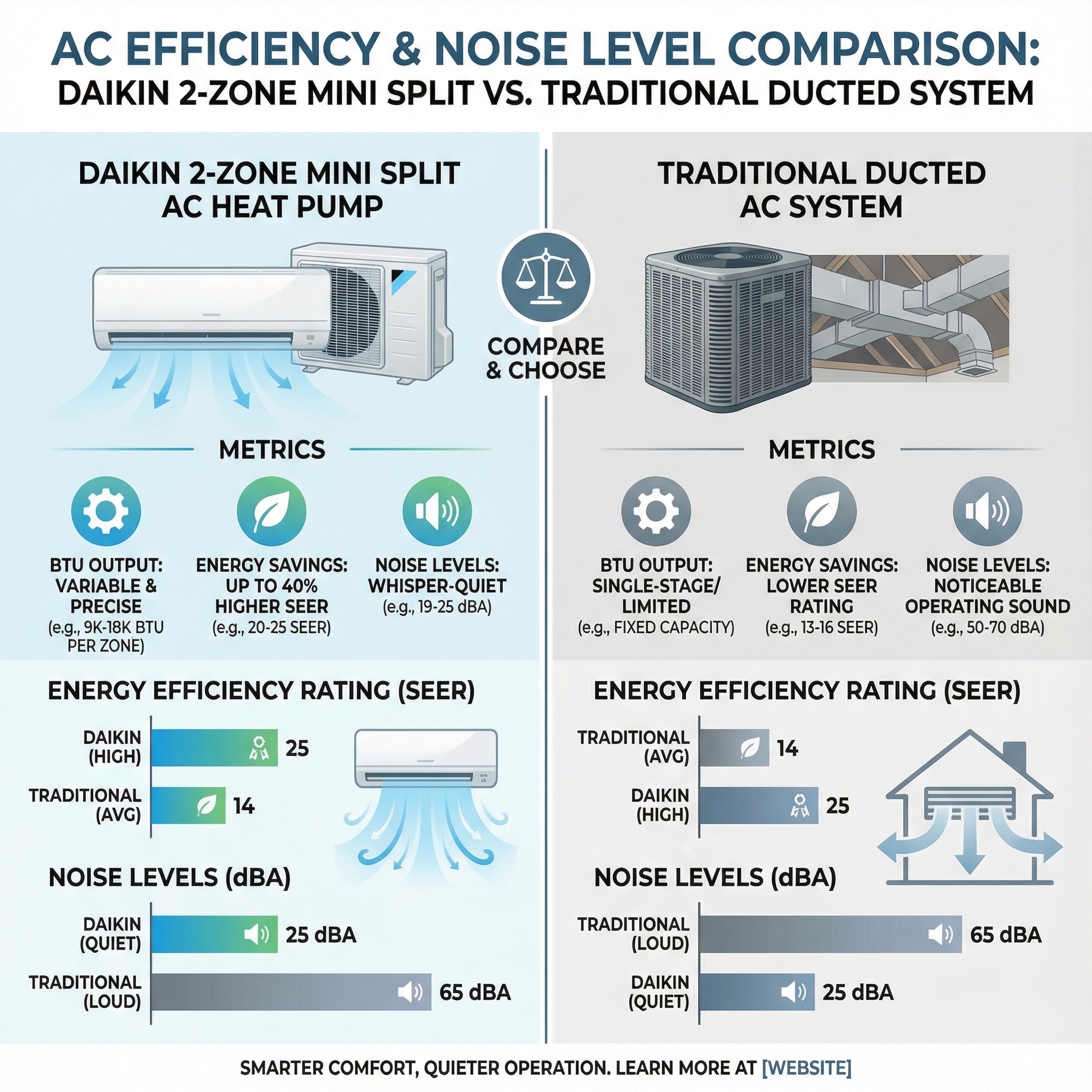
Comfort, noise and indoor unit choices: real world use
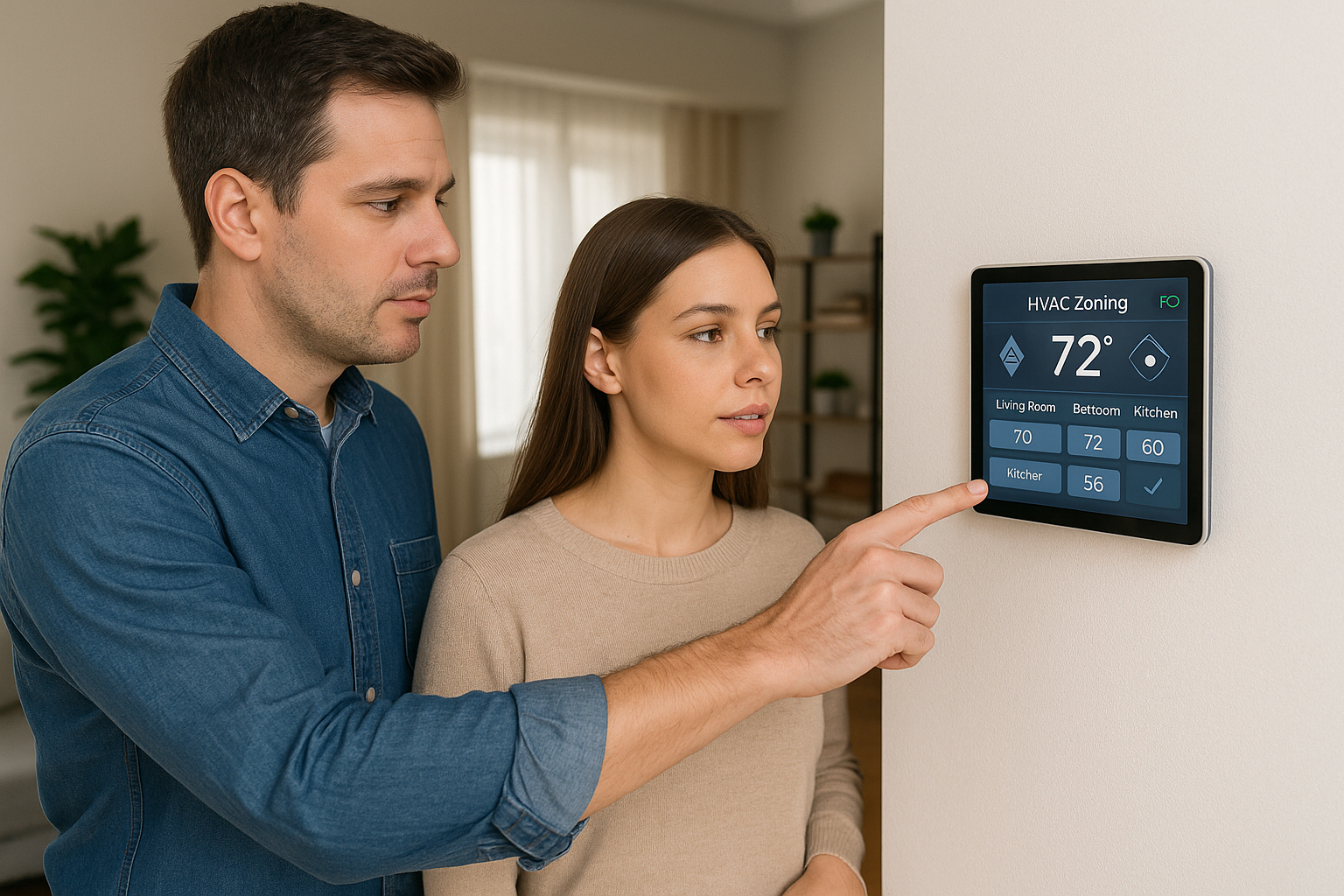
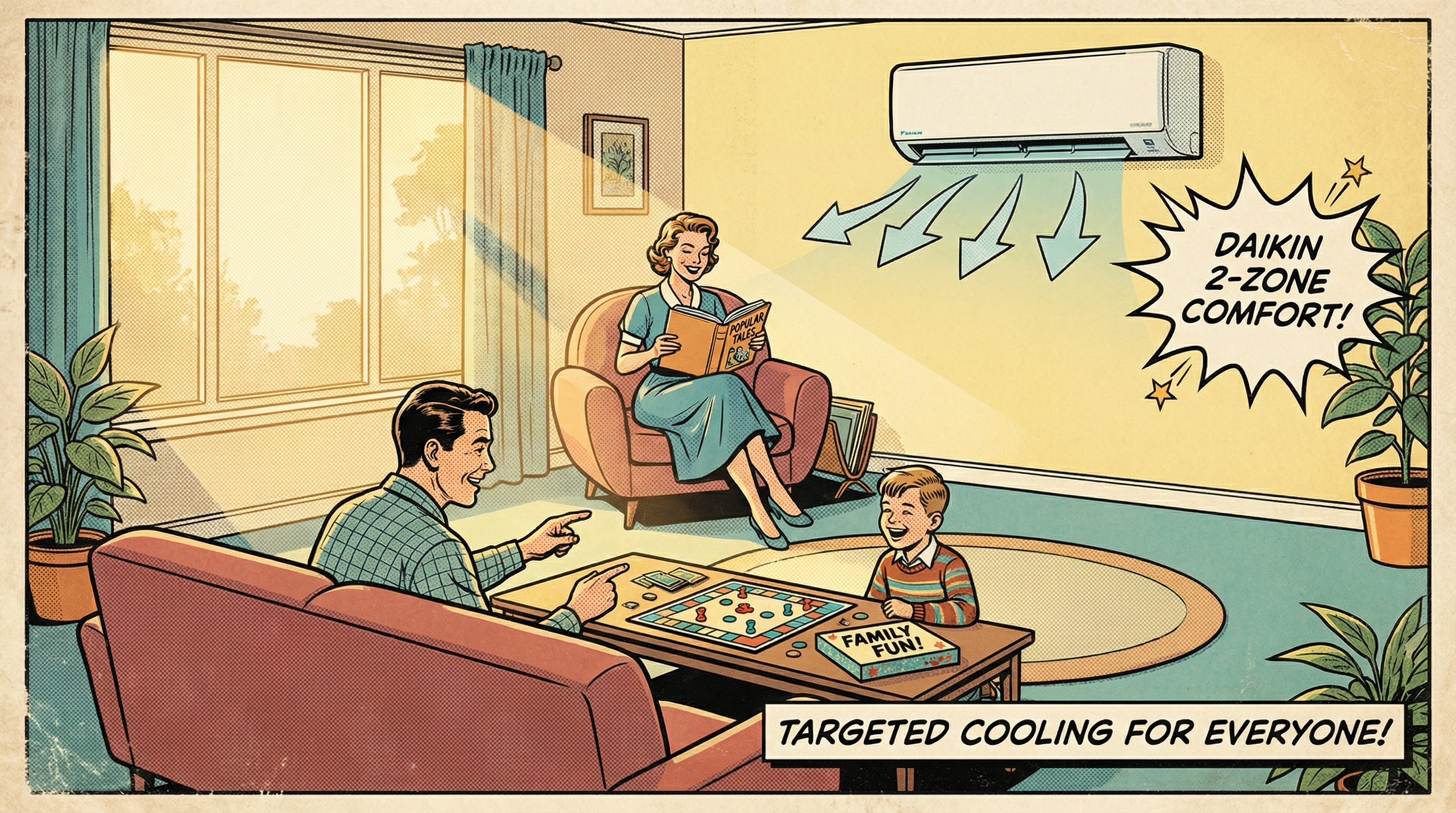
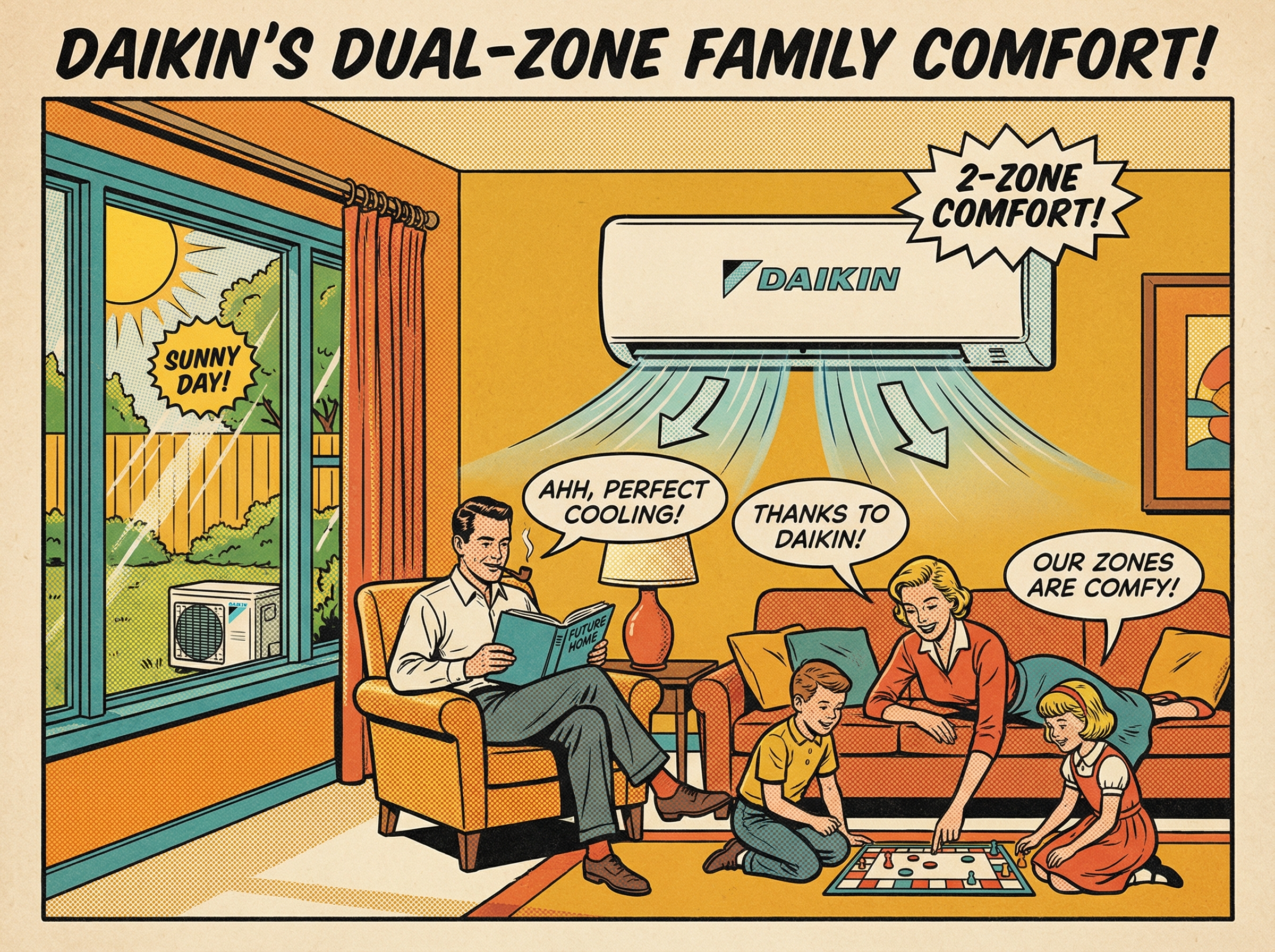
Dual zone control lets each room have its own setpoint, boosting comfort and cutting waste by conditioning only occupied spaces. Use it smartly: set back empty rooms, keep bedrooms cooler for sleep, and let the office drift a few degrees when you step out.
Choose indoor heads room by room: wall mounted for simple layouts, slim ducted for hidden grilles, and ceiling cassettes to spread air evenly in studios or small commercial spaces. Right size capacity so units run quieter, cycle less, and dehumidify more effectively. Place heads so the airstream does not hit beds or main seating. To reduce noise, add anti vibration pads, isolate line sets from framing, and maintain clearances around supply and return. These choices shine in bedrooms, home offices, vacation rentals, studios, and other spaces where quiet operation and precise control matter.
Regulatory, incentives and refrigerant trends that affect buying decisions
From 2023, split-system heat pumps must meet at least 14.3 SEER2 and 7.5 HSPF2 under the DOE's Appendix M1 tests. Incentives typically hinge on high efficiency, often ENERGY STAR Most Efficient tiers, and almost always require AHRI-certified indoor and outdoor matches. The federal §25C credit (2023-2025) covers 30% of qualifying air-source heat pump costs up to $2,000 per year, including installation, with a separate credit available for a home energy audit. To maximize eligibility and serviceability, confirm the exact model pairing meets DOE minimums and appears in the AHRI directory. Refrigerant rules are also shifting under the AIM Act: new residential splits are moving from R-410A to lower-GWP A2L refrigerants beginning around 2025. Verify local code adoption and technician servicing provisions for A2Ls before selecting equipment.
Maintenance, warranty and practical reliability tips
Routine care matters. Clean or wash indoor filters every 2 to 4 weeks in heavy use, wipe the unit, and keep the outdoor condenser clear of leaves, grass, and snow with about 2 feet of clearance.
Schedule annual professional service for coil and fan inspection, electrical checks, refrigerant performance verification, drain or pump checks, and control or firmware updates. In our experience, keeping records supports warranty compliance.
Daikin warranties vary by model and registration. Use an authorized installer to preserve coverage, and confirm local spare parts and service through distributors or authorized partners to reduce downtime.
Conclusion & recommendation: is the Daikin 2-zone right for your home?
Daikin 2-zone mini splits deliver efficient, quiet, reliable comfort, a strong choice for two priority rooms when professionally designed and installed.
Pros include per-room control, heating and cooling, select cold-climate pairings, and Econo Mode. Cons are higher upfront cost, visible heads, line-set planning, and model-dependent incentives.
Next step: get a room-by-room Manual J, request AHRI-matched listings, and obtain written quotes with installation, electrical, and warranty details. Our team has 30+ years in HVAC.
- Get a Custom Quote from our U.S.-based techs
- Talk to Our Team by phone about layout and power
- Shop Daikin Multi-Zone with free shipping and Affirm