




Introduction: Why Choosing the Right Furnace Matters
Choosing the right furnace is not about chasing a single best model. It is about matching the fuel and system to your home and region. In our experience, the winner in a snowy northern climate with low natural gas rates often differs from the best fit in a mild area with higher electricity prices. Think of it like picking footwear for the season, the right pair depends on the weather, the terrain, and how you use it every day.
This guide compares common furnace types and explains where each option shines or struggles. We focus on practical factors you can verify at home and on your utility bill, not hype. You can expect plain language pros and cons, no brand favoritism, and clear tradeoffs among upfront price, long term cost, and the comfort you feel day to day. Use these criteria as a checklist while you read:
- Climate severity and design temperatures
- Fuel availability in your area
- Local energy prices today and expected volatility
- Comfort priorities, temperature steadiness and airflow character
- Lifecycle cost, purchase, installation, maintenance, and expected service life

Quick Overview: Common Furnace Types and the Key Factors That Matter
There is no single best furnace for every home. Most houses use forced-air delivery through ductwork, which pairs with several heat sources. Choosing a system is like picking a vehicle for your commute: the right fit depends on climate, energy costs, and what your home already supports.
- Natural gas: low operating cost in many regions, fast heat, needs gas line and venting.
- Propane: gas-like performance where no main exists, higher fuel cost, tank required.
- Oil: strong heat for cold areas without gas, more maintenance, onsite storage.
- Electric furnace: lowest upfront, higher bills where electricity is pricey.
- Heat pump with air handler: very efficient in mild climates, add backup in deep cold.
- Dual fuel: heat pump plus gas furnace, switches for best cost and comfort.
- Climate and design temperatures.
- Local energy prices.
- Existing infrastructure and ducts.
- Upfront versus long term costs.
- Maintenance and service access.
- Safety, emissions, and comfort.
Gas Furnaces (and Why AFUE Matters for Combustion Heat)
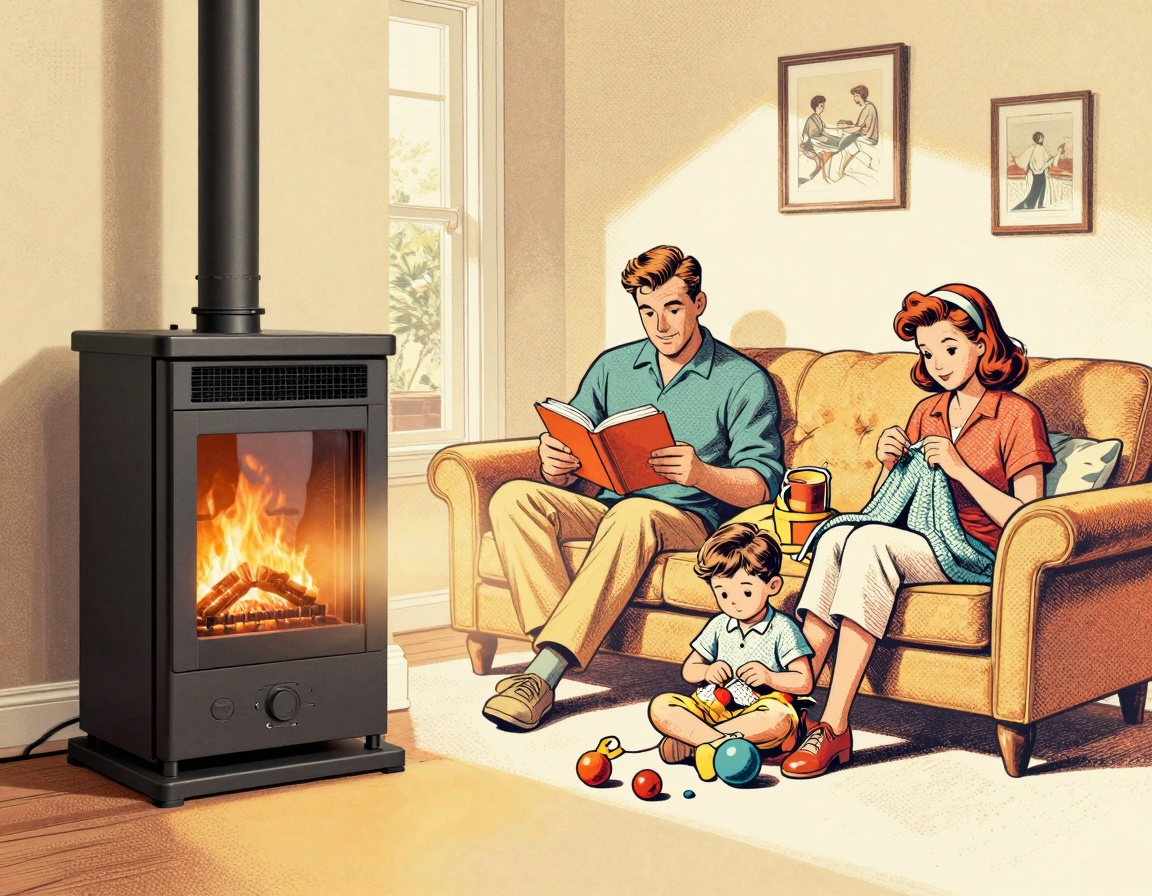
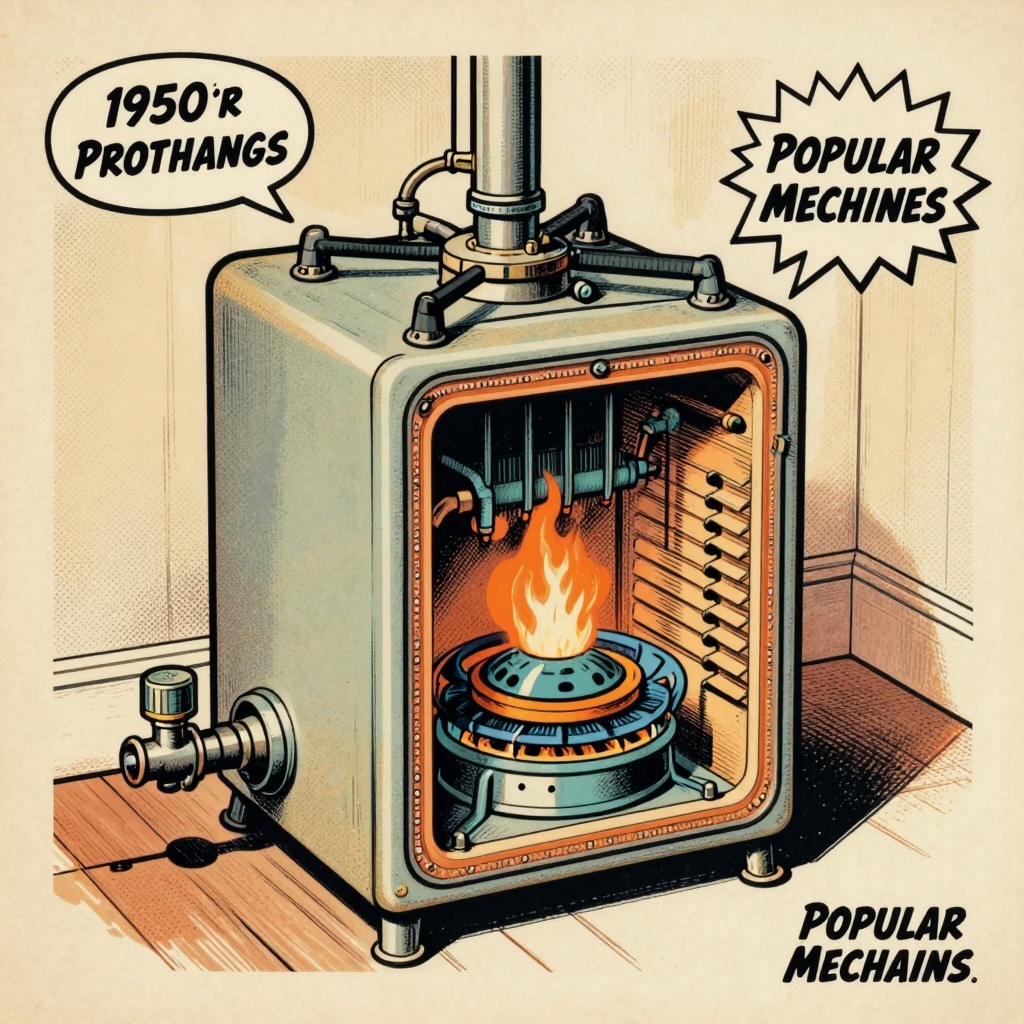
Gas furnaces deliver dependable, high temperature comfort, and the number that tells you how efficiently they turn fuel into heat is AFUE: the percent of gas energy that becomes usable indoor heat over a season. Think of AFUE like miles per gallon for heating. Non condensing furnaces typically run about 80 to 83% AFUE, while modern condensing models reach roughly 90 to 98%. Higher AFUE means less gas burned for the same comfort and lower utility bills. For example, a 95% unit uses about 15 to 20% less fuel than an 80% unit.
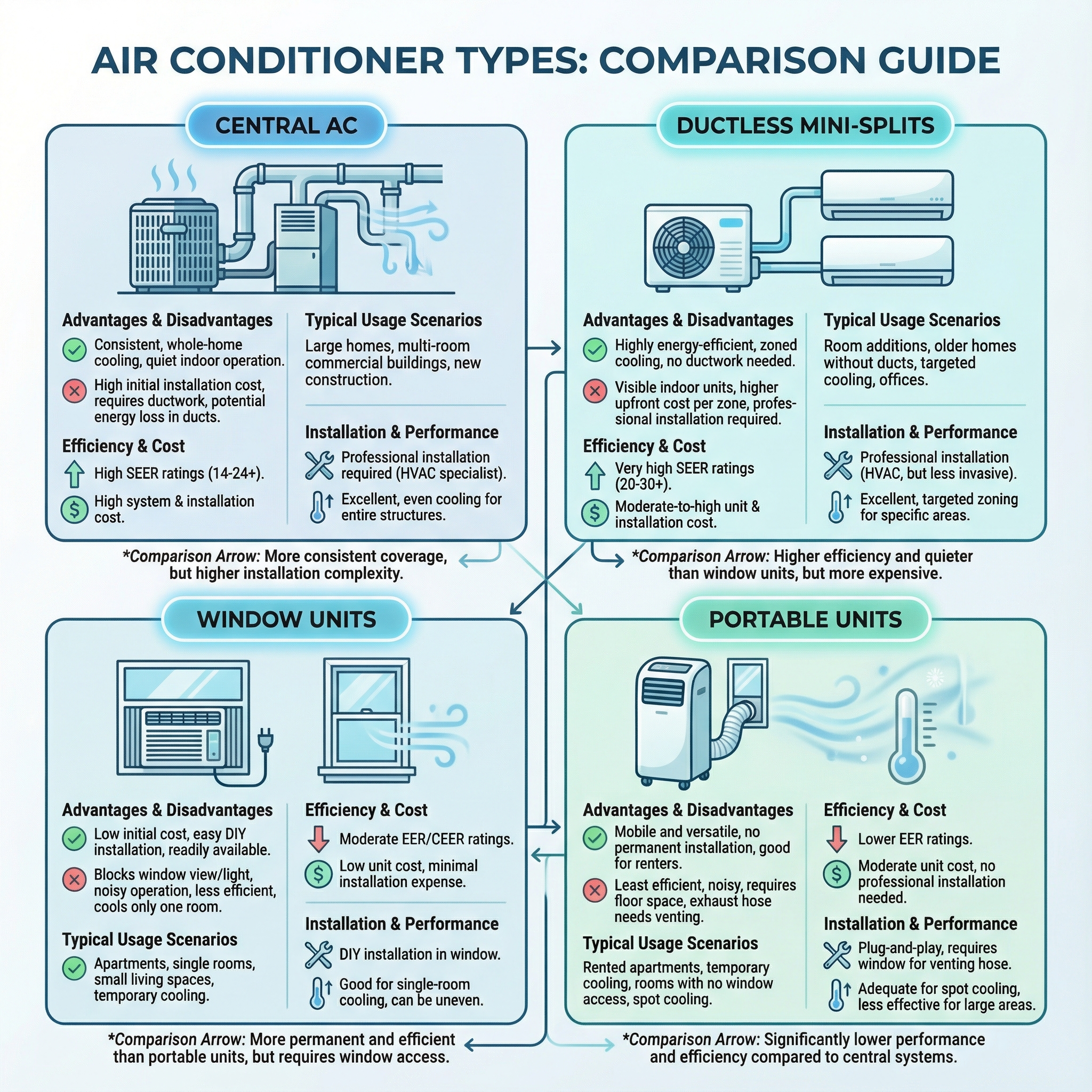
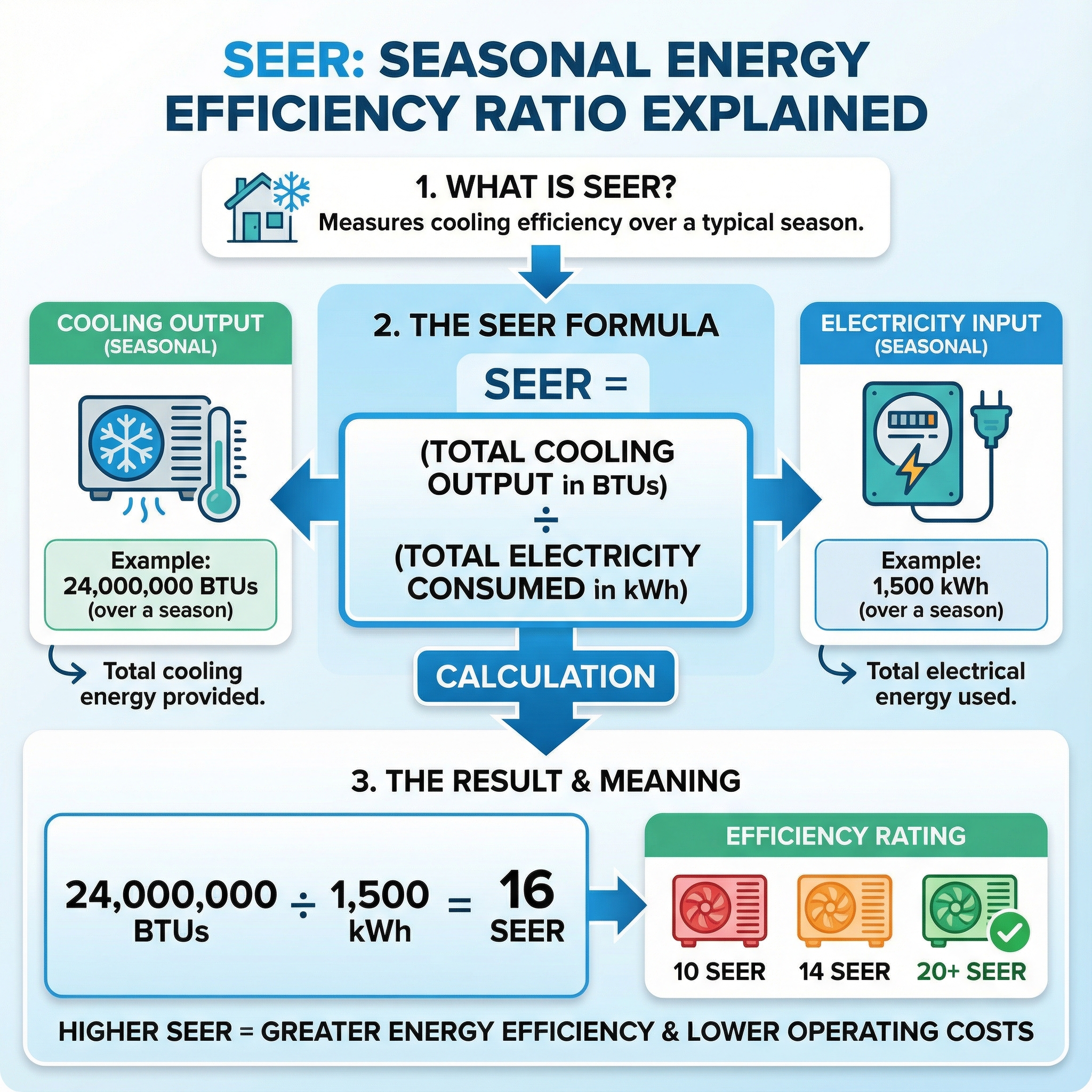
In our experience at Budget Heating (BudgetHeating.com), the cleanest way to compare whole systems is to pair AFUE for heating with SEER2 for cooling. If your furnace shares ductwork with an air conditioner or heat pump, use SEER or SEER2 to compare cooling efficiency, and AFUE to compare the furnace side, so you see the total picture.
Oil Furnaces: Pros, Cons and Maintenance Realities
In our experience, oil furnaces excel in deep cold. High energy content delivers quick recovery and steady heat, and they serve homes without natural gas using on site tanks. The tradeoff is maintenance. Oil combustion makes soot, so burners and flues need yearly cleaning and tuning, with nozzle, filter, and pump screen replacement and a proper combustion analysis.
- Homeowner tasks: monitor tank level and rust, keep the area clear with combustion air available, and test CO alarms.
- Professional work: annual brushing of the heat exchanger and flue, burner adjustment, safety control checks, and tank and line inspection.
Red flags that need fast attention: fuel or soot odor, visible smoke at the chimney, repeated burner lockouts, rumbling on shutdown, or any CO alarm.
Regional Rules, Codes and Practical Climate Guidance
In our field work, climate, fuel access and codes set the direction. DOE minimums set the floor, then states and cities add layers. Cooling is graded by SEER2, furnaces by AFUE, and paired systems must meet regional SEER2 with a compatible blower and coil.
- Cold regions with natural gas: choose 95 to 98 percent AFUE condensing, sealed combustion, and two stage or modulating heat for steady comfort.
- Cold regions without gas: use propane or a dual fuel setup that pairs a cold climate heat pump with a high AFUE furnace.
- Mixed climates: 92 to 96 percent AFUE with a variable speed ECM blower improves comfort and helps the matched AC reach SEER2.
- Warm South: where allowed, 80 to low 90s AFUE can be practical, or go all electric with a heat pump. Incentives increasingly reward higher efficiency.
Electric Furnaces: Upfront Cost, Operating Cost and When They Make Sense
Electric furnaces are usually the least expensive to buy and install, and they convert all incoming electricity into heat. The tradeoff is the bill. In high kWh markets they often cost more to run than gas furnaces or heat pumps, but in mild climates, homes with solar or low electric rates, or properties without gas service, they make economic sense.
Think of it like a budget printer: low price, the ink decides the real cost. Do a lifecycle calculation. Add the installed price to 15 to 20 years of energy use, plus basic maintenance. Estimate annual kilowatt hours from your heating load and local rate, multiply by your utility price, then compare options. In our experience at Budget Heating (BudgetHeating.com), electric furnaces last 20 to 30 years and need little upkeep. Ask a contractor for load and operating cost estimates.
Propane Furnaces: Where They Fit and What to Expect
Propane furnaces deliver similar comfort and output to natural gas, with quick, high-temperature air that suits cold climates and larger homes. The key difference is on-site fuel logistics. Instead of a utility line, you rely on a storage tank and scheduled deliveries, which must be planned like keeping a pantry stocked. We have outfitted many off-gas homes where this setup makes the most sense, especially when a high-output, ducted system is preferred. Expect strong performance, but budget time and space for the fuel side so the system runs smoothly through peak winter demand.
- Tank placement and space: clearances, access for trucks, and aesthetic screening.
- Delivery scheduling: plan refill windows before severe weather.
- Right-sizing: match furnace capacity and tank size to heat load and usage.
- Permits and code compliance: tank, pad, setbacks, and grounding as required.
- Service network and leak monitoring: dependable local support and tank-level alerts.
Dual-Fuel & Heat Pump Options: Advantages, Limits and Honest Tradeoffs
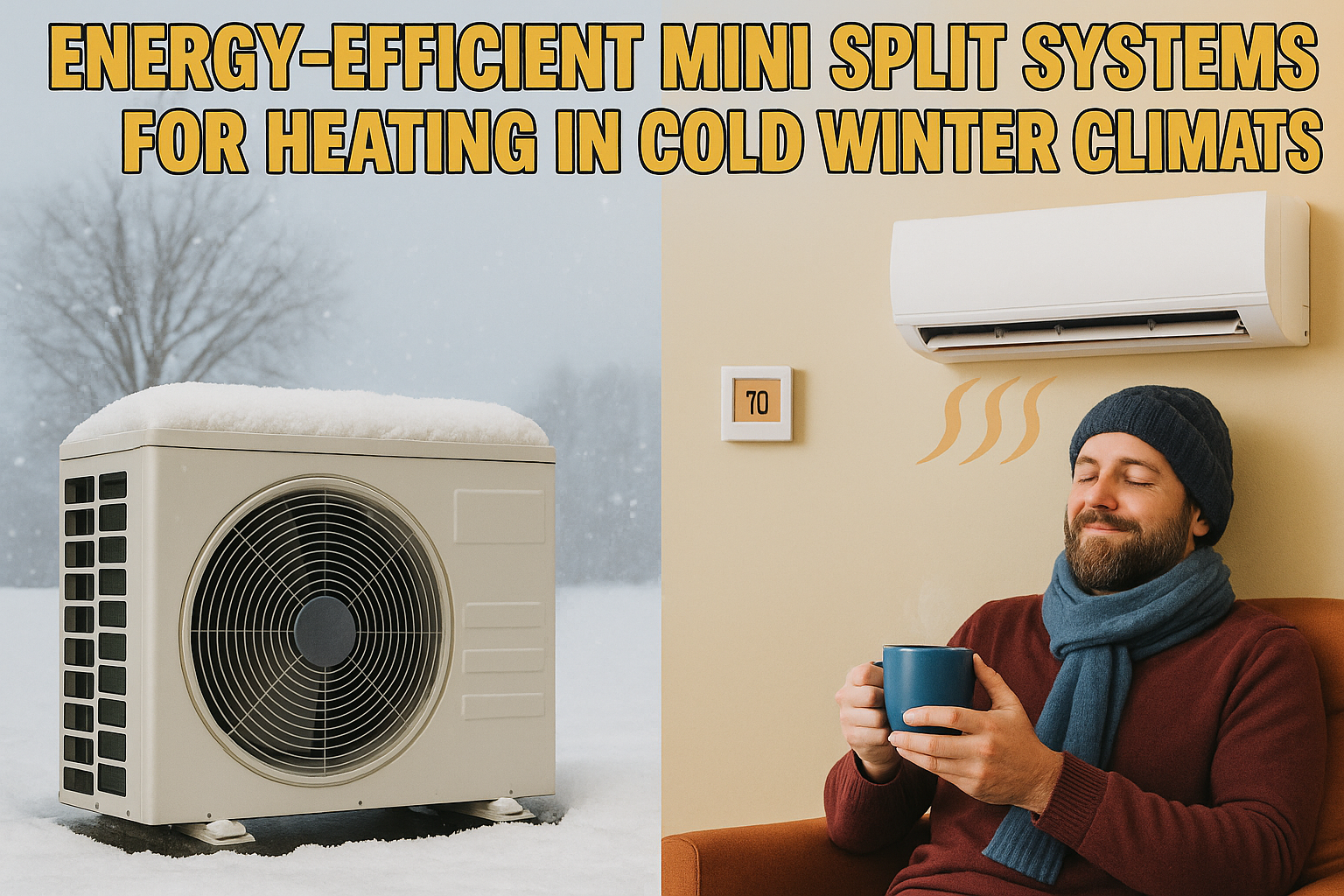
In real-world installs, air-source heat pumps shine in moderate and mixed climates. They move heat instead of making it, delivering roughly 2 to 4 times the heat per kilowatt compared with electric resistance strips. Pairing a heat pump with a gas furnace in a dual-fuel setup uses the pump for most hours, then hands off to gas when it makes more sense, which keeps comfort steady and bills predictable.
Common misconceptions trip people up: AFUE alone does not guarantee the lowest utility bills, electric is not always cheaper once local rates and fees are included, and fuel types carry different safety and maintenance needs. Installation complexity matters too. Extra electrical capacity, venting, or gas piping can change total project cost more than nameplate efficiency.
- When electricity is expensive or a panel upgrade is required, a high-efficiency gas furnace can beat dual-fuel on total cost of ownership.
- In mild-winter regions, a straight heat pump with resistance backup is simpler, avoids gas infrastructure, and typically covers all heating hours.
- If you want minimal combustion-related maintenance and safety checks, all-electric heat pumps reduce those tasks compared with gas equipment.
If the goal is the lowest possible operating cost and you can handle higher upfront expense, geothermal can be outstanding efficiency, though the initial investment is substantial.
Compatibility, Controls and Next Level Features to Consider
In our experience, controls determine how the system behaves. Smart thermostat compatibility comes down to signals. Most furnaces use 24 volt control with a C wire, while some communicating models need their own matched thermostat. Confirm the stat supports your number of stages and any dehumidify or ventilation terminals. A variable speed ECM blower is a dimmer switch for airflow, starting soft, running quieter, pulling air through filters longer, and helping with humidity and room balance. For paired cooling, make sure blower CFM and coil match the outdoor unit to preserve efficiency and warranty.
- Thermostat model and available conductors, including C wire or power kit.
- AC tonnage, coil type, lineset size and length for a rated match.
- Duct static pressure, return size, venting path, condensate, gas line.
Summary: Pros, Cons and How to Choose Your Best Furnace Option
Bottom line: every fuel and system has tradeoffs. In cold climates, a high AFUE gas furnace is often the most reliable and cost-effective. Where the electric grid or home renewables are strong, electric or heat pump heating can make sense. If natural gas is not available, propane or oil often fill the gap. To choose with confidence, base the decision on numbers: get a Manual J load calculation, compare AFUE, estimate lifecycle costs, and pull 2 to 3 written quotes using the checklist you already built. If you want a quick gut check, our team has 30 plus years in HVAC and has fulfilled over 200,000 orders, so we can validate sizing and help you avoid mismatches.
- Get a Custom Quote: send your basics and we will size and match equipment for your home.
- Talk to Our Team: call our U.S.-based techs for fast, no-pressure answers.
- Shop Furnaces: browse gas, electric, and oil options at wholesale pricing, with free shipping options and Affirm financing.