




Why 2026 Is a Turning Point for Mini Splits (Smart Controls, New Refrigerants, Better Efficiency)
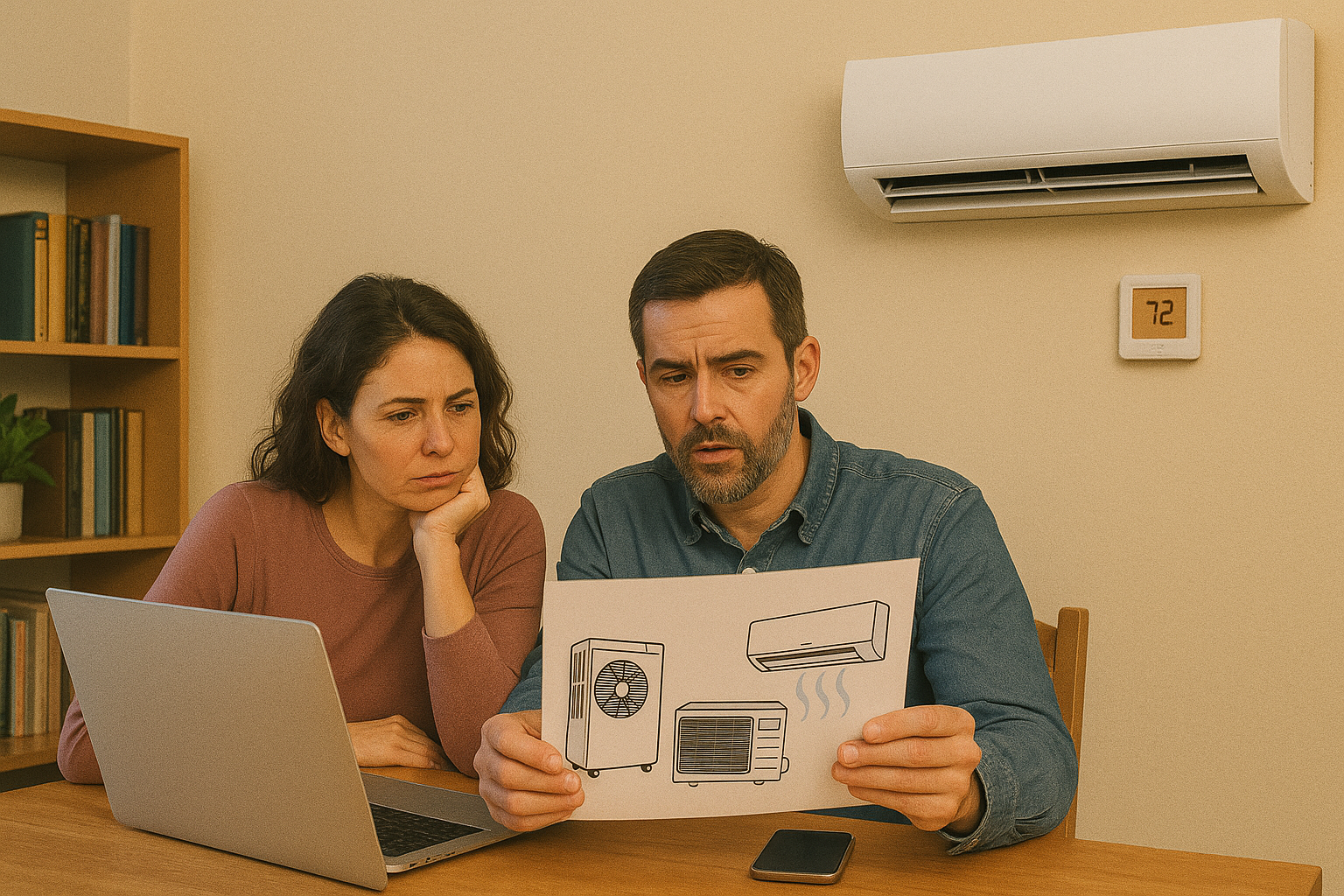
Choosing a mini split in 2026 is about daily comfort, lower energy bills, healthier indoor air, and long term durability, not logos. Policy deadlines are driving broader Matter compatibility, the move to lower GWP refrigerants R 32 and R 454B, and tighter efficiency benchmarks that raise the performance floor across the board.
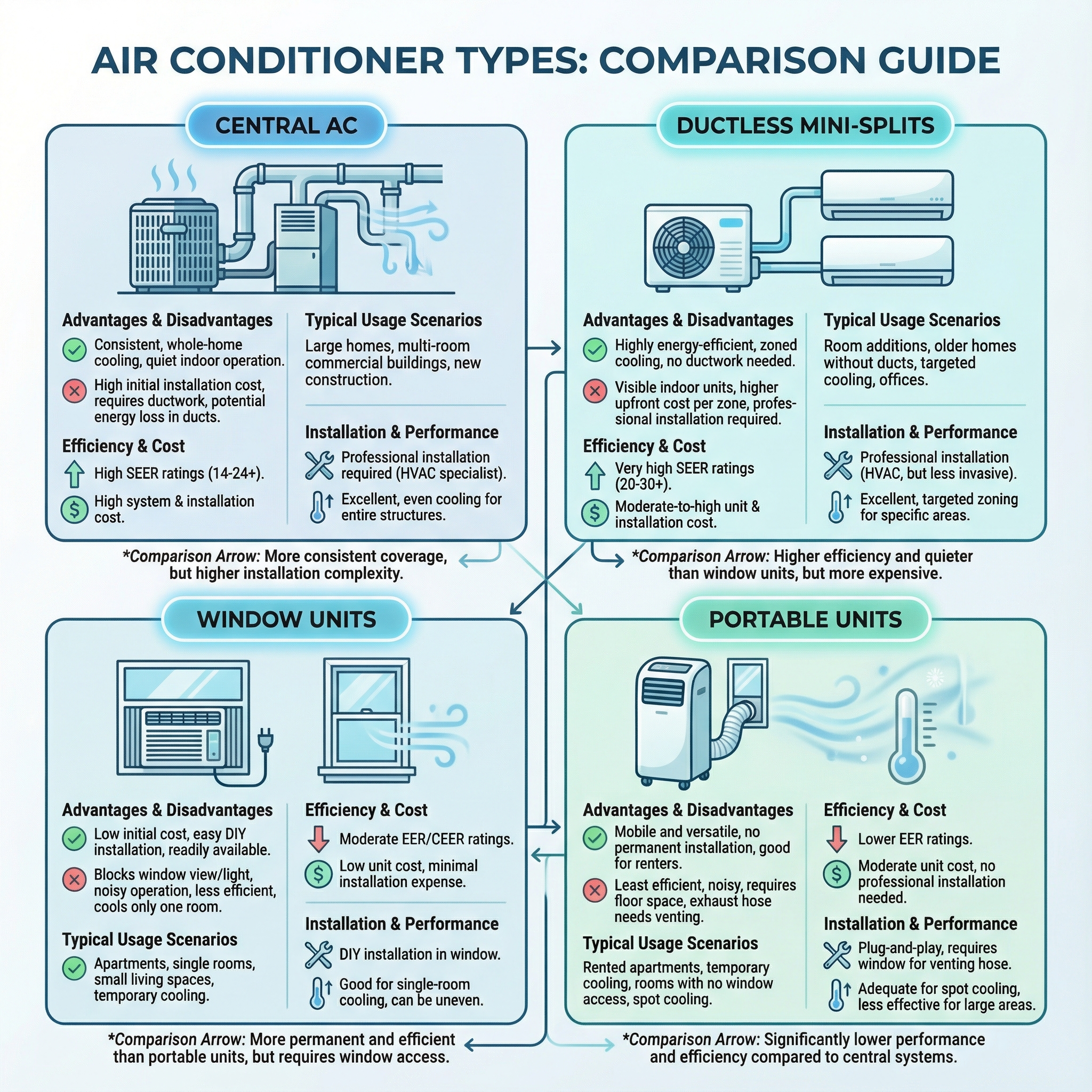
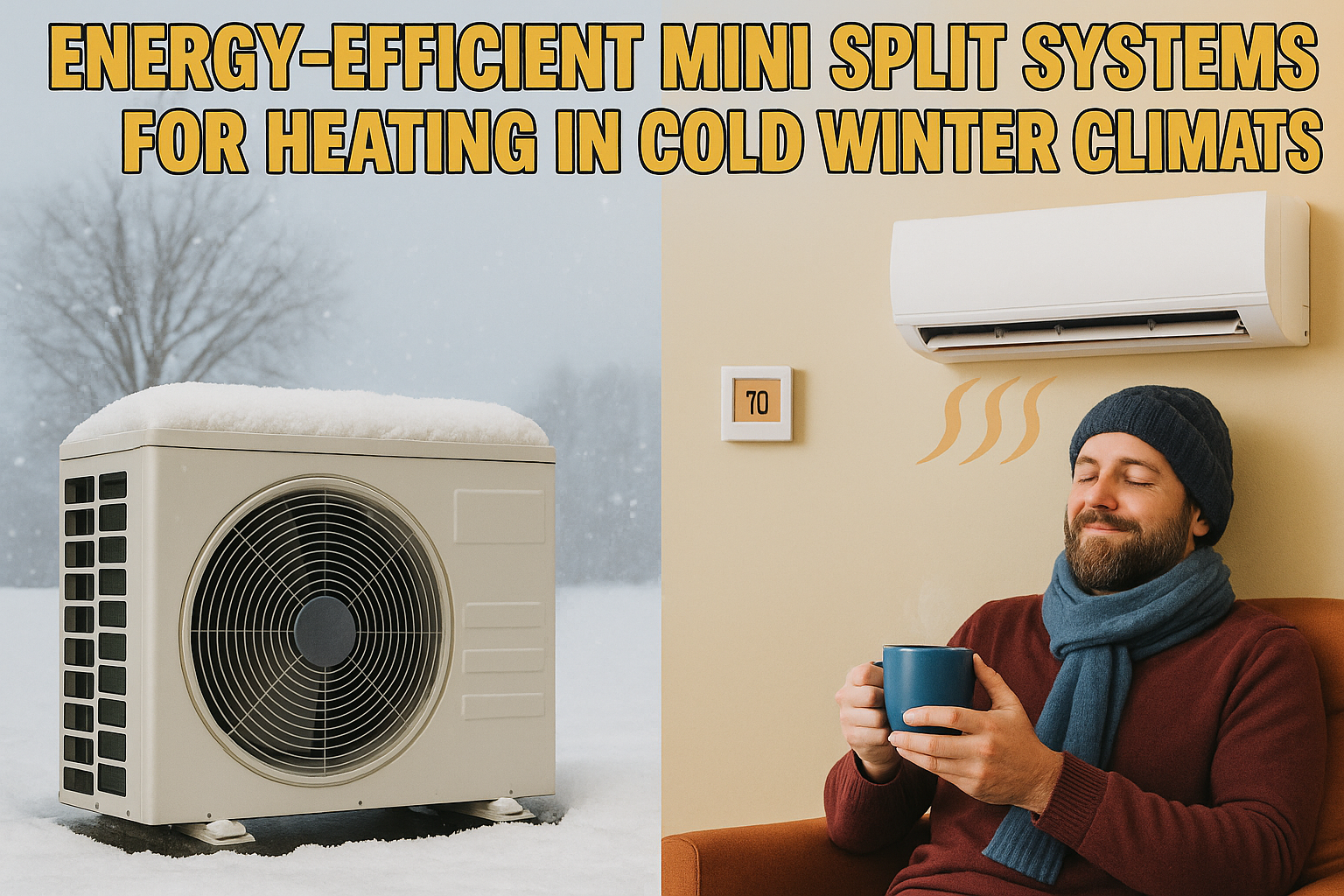
Mini splits are heat pumps. They transfer heat instead of generating it, like a refrigerator in reverse. Moving heat takes less work than creating it with burners or resistance coils, so you get more output per kilowatt. In typical conditions many systems deliver roughly 2 to 4 units of heat for every unit of electricity, which is the core efficiency advantage.
This guide highlights the best mini split brands for 2026 by efficiency, budget, and climate, and explains how these shifts affect comfort and operating costs. Expect plain language takeaways on what to prioritize and what to skip.
How We Picked These Brands: Ratings, Climate Performance and Value
We pick brands by how they perform in real homes across climates. We balance efficiency, reliability, sizing, smart features, and total cost of ownership. Premium mini splits can cut cooling costs by about 30 percent or more through efficient inverter control, and they tend to be quieter with stronger warranties and broader contractor support. We look beyond headline SEER2, because total cost of ownership depends more on routine maintenance and selecting the efficiency tier that matches your usage.
Reliability and sizing weigh heavily. We require proper load calculations, Manual J or equivalent, and correct zone sizing to avoid short cycling and poor humidity control. Decide early between single-zone and multi-zone based on layout, knowing multi-zone is convenient but needs careful design for each head.
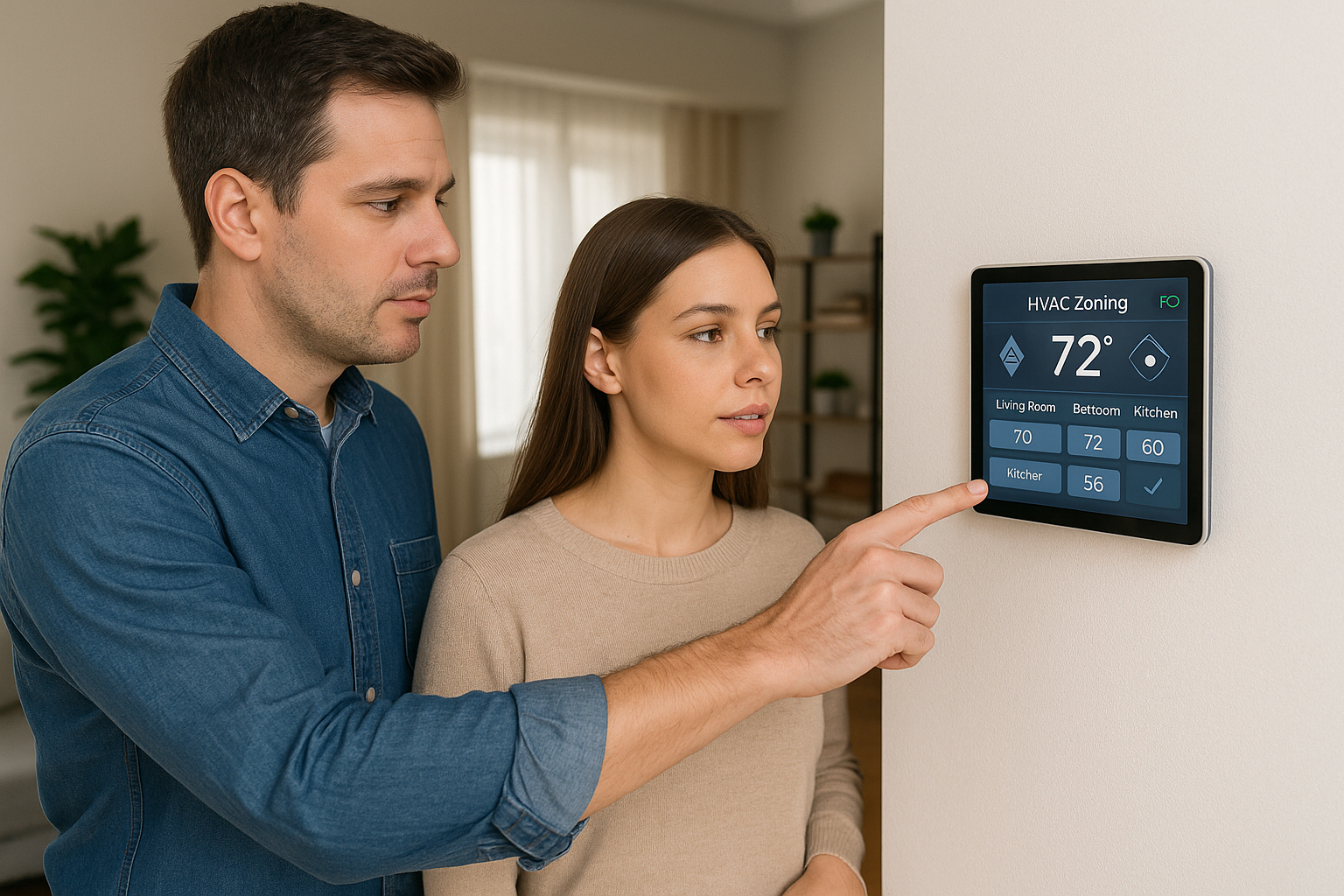
Features also matter. Built-in Wi-Fi, app control, and Matter or voice integration reduce friction and often replace the need for aftermarket thermostats.
Top Picks Overall: Mitsubishi, Daikin, Fujitsu, LG and Value Standouts
From years of specifying and stocking systems, these brands lead for 2026. Mitsubishi Electric is the dependable choice for long term reliability, top efficiency, and broad cold climate lines that hold capacity in deep cold. Daikin stands out for advanced inverter control, strong efficiency, and steady comfort in both hot humid and colder regions. Fujitsu excels where noise is a concern, delivering very quiet rooms with low energy use. LG brings strong value, competitive efficiency, and smooth smart integration, with some series reaching SEER2 in the mid 20s. For tight budgets, Gree and Tosot cover the lower price tier and are widely available. If DIY installation is the goal, MRCOOL pre charged quick connect kits can trim installed cost for capable homeowners.
Best for Cold Climates: What to Look For and Which Brands Excel
If you live where winters bite, prioritize heat pumps built for low ambient heating, not just mild-weather efficiency. The key is capacity that holds when the thermometer drops. In our experience at Budget Heating (BudgetHeating.com), the standouts are model lines designed to keep delivering close to their rated output well below freezing, with Mitsubishi's cold-climate or hyper-heat systems frequently leading that group.
- Cold-climate labeling and a low-ambient heating rating.
- Published capacity retention at 5 F that shows a large share of the rated heat still available.
- Enhanced vapor injection compressors, often noted as EVI or similar.
- Documented low-temperature capacity tables and strong HSPF2 heating performance.
Choose the unit whose low-temp capacity data matches your load, so you stay warm without relying on backup heat.
When a Mini Split May Not Be the Best Choice (Tradeoffs & Alternatives)
From years in the field, we see three situations where a mini-split can disappoint and better options exist.
- Extreme cold, continuous loads: In subzero climates, unless you select a certified cold-climate heat pump and plan a backup, a gas furnace or a dual-fuel setup often rides out long cold snaps more reliably.
- DIY misunderstandings: Only clearly labeled pre-charged systems are realistic DIY. Any refrigerant work or a non-commissioned startup risks safety issues and can void warranties. Many warranty benefits require professional installation and registration.
- Poor sizing or install quality: Oversizing leads to short cycling, clammy rooms and higher bills. The fix is a Manual J load calculation, an authorized installer and proper commissioning.
Common buyer mistakes to avoid: chasing the highest SEER2 as always best, assuming a big brand guarantees performance in every climate, believing R-410A is banned overnight and focusing only on cooling while ignoring heating metrics like HSPF2.
Costs and lifetime savings depend on region and usage. Exact ranges are not provided here, local modeling is needed to compare a mini-split with a furnace, dual-fuel or other approaches.
Key Specs & Rules to Know in 2026: SEER2, HSPF2, Refrigerants and Incentives
In 2026, model selection is shaped by the SEER2 and HSPF2 test procedures that replaced older metrics in 2023. Regional minimums still apply across the north, south, and southwest, and the change effectively raised baseline requirements by about 8 to 10 percent. That means many entry models from years past no longer qualify, especially in warmer regions.
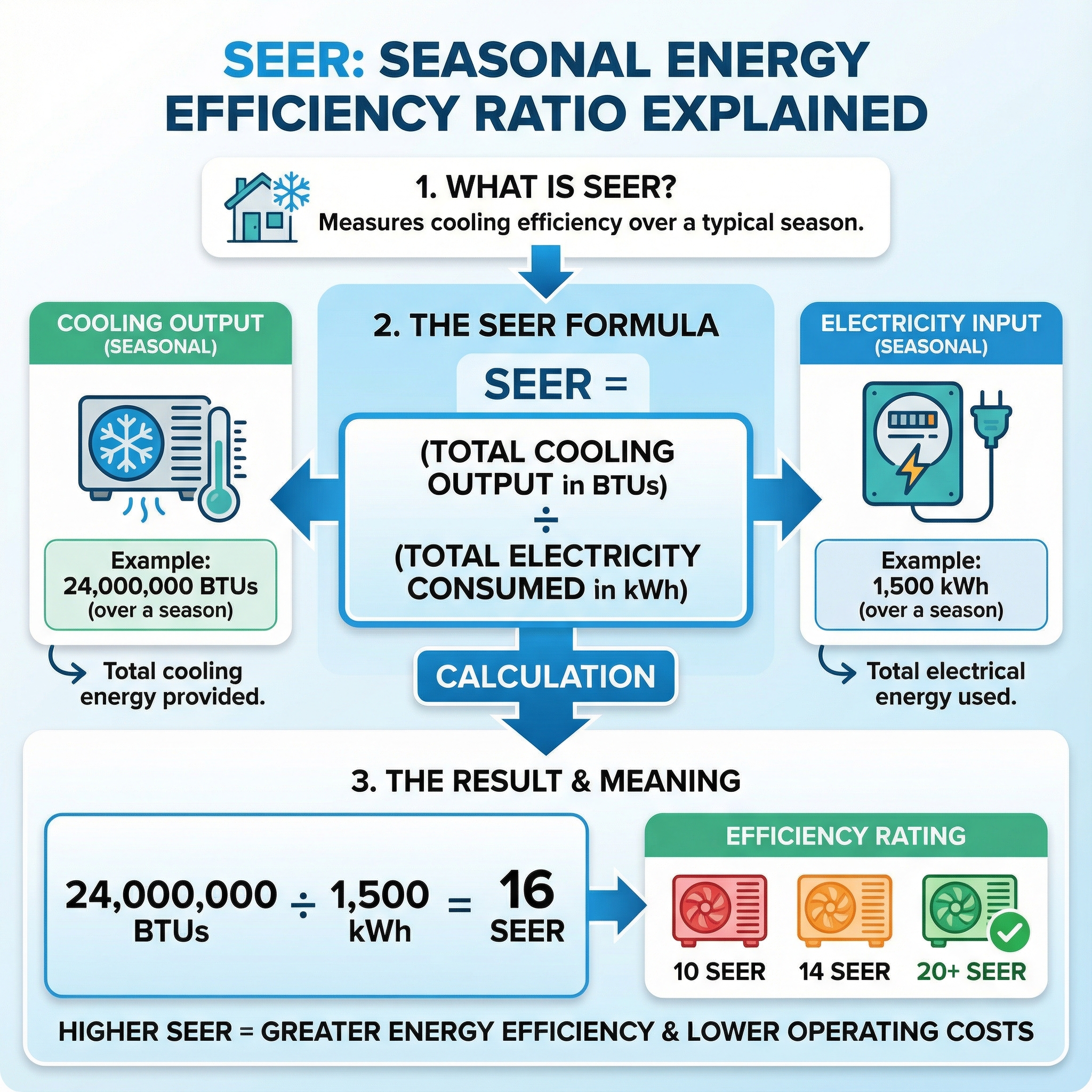
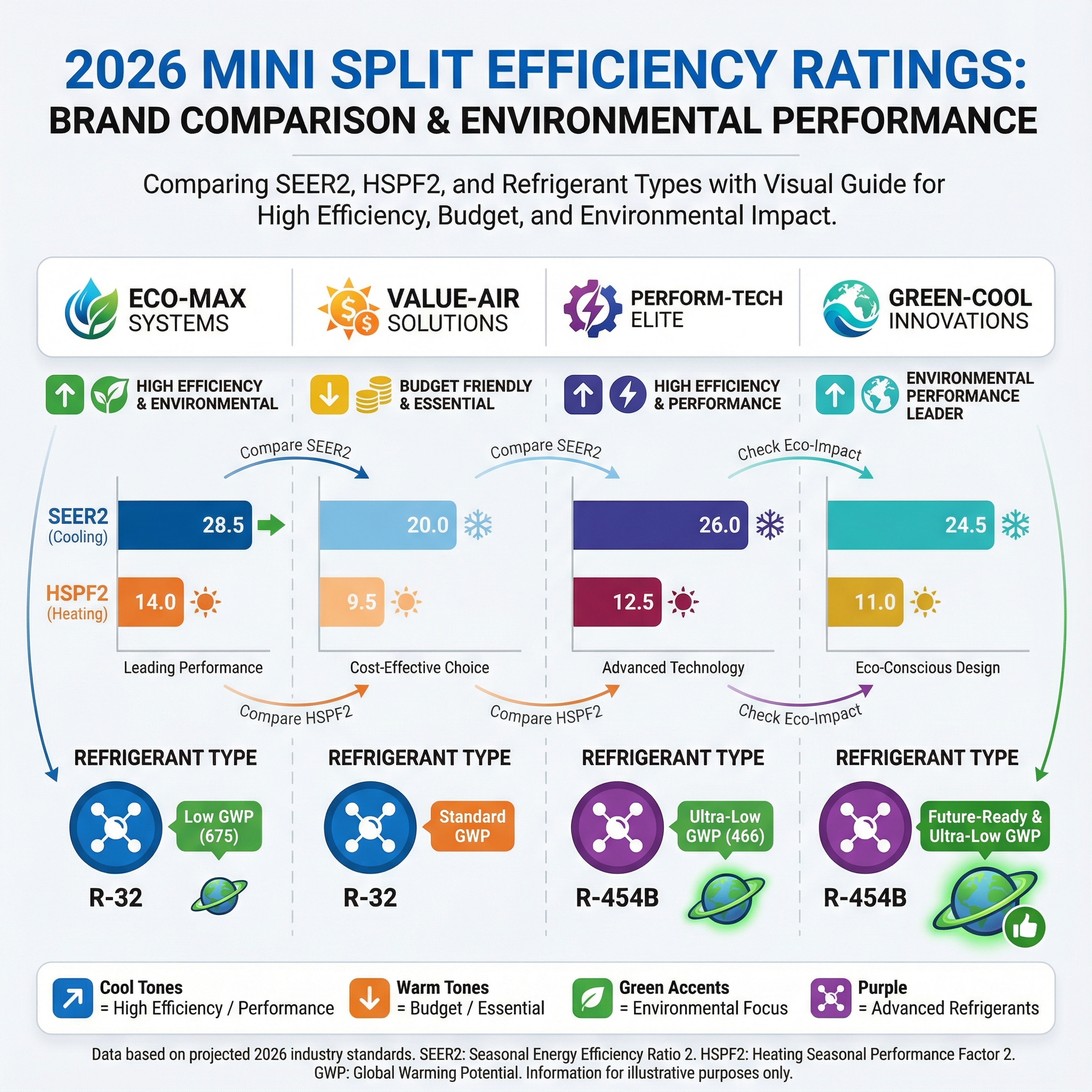
SEER2 and HSPF2 are the headline numbers. Think of SEER2 as cooling miles per gallon, and HSPF2 as the winter version. Higher ratings reduce seasonal electricity use, so SEER2 drives summer bills while HSPF2 governs heat pump operating cost in heating season. The updated SEER2 method better reflects real-world system performance, including external static pressure and cycling.
- Practical 2026 targets: for primary whole-home systems in high-use climates, SEER2 around 20 or higher is a strong long-term value. For budget, rentals, or occasional-use spaces, SEER2 around 16 to 18 often balances cost and savings.
- Typical mini split efficiency under SEER2 clusters around 16 to 20. Very high efficiency above 20 tends to pay off in long, hot cooling seasons.
Rebates and tax credits increasingly call out SEER2 and HSPF2 thresholds. Many 2026 programs start incentive eligibility near 17 SEER2 and may require ENERGY STAR or ENERGY STAR Most Efficient. ENERGY STAR and LEED aligned models are commonly prioritized, which simplifies paperwork and pre-approval. Choosing an ENERGY STAR qualified unit charged with an A2L refrigerant can streamline eligibility in several programs.
Refrigerants are also changing. The AIM Act phasedown of HFCs is accelerating the shift to lower GWP A2L refrigerants, primarily R-32 and R-454B, in 2026 and 2026. Safety provisions in IMC and IRC, and product standards like UL 60335-2-40, have enabled residential A2L use as jurisdictions adopt them. A2Ls are low flammability and require updated installation practices, proper leak detection strategies, and adherence to local code. When in doubt, verify your local adoption timeline before ordering equipment.
Best for Hot & Humid Climates: Dehumidification, Part Load Efficiency and Quiet Operation
In hot, humid regions, comfort depends as much on moisture removal as it does on temperature. Effective dehumidification controls the latent load, reducing that sticky, clammy feel and helping you maintain roughly 45 to 55 percent indoor humidity without overcooling. Systems that can run longer at low speed wring moisture from the air like a slow, steady squeeze.
- Look for strong part load efficiency and stable inverter modulation that keep the coil cold and air moving gently.
- Choose modes that target humidity, such as dry or dedicated dehumidify, so the unit can pull moisture without dropping the thermostat too low.
- Quiet operation matters with long cycles. Daikin is a frequent standout for low sound and moisture control. In our experience at Budget Heating (BudgetHeating.com), these traits pay off in hot humid homes.
Best Budget Mini Splits: Value Brands and DIY Friendly Options
Value brands such as Gree, MRCOOL, Senville and Tosot deliver sensible comfort at a lower upfront cost. Budget mainstream lines, for example the Gree Livo Gen4, typically land in the high teens for SEER2, roughly 17.5 to 20, which is strong performance per dollar. The key tradeoff is cost versus efficiency: moving above this band raises price quickly while the incremental energy savings often shrink. In our experience it is like choosing a mid trim car, you get most of the features without the sticker shock. Many value models now include built-in Wi-Fi and useful comfort modes, narrowing the gap with premium lines. DIY minded buyers can look at select MRCOOL kits with pre-charged quick-connect line sets, but expect stricter warranties and possible local code limits.

Warranty, Service & Maintenance: What Keeps a Mini Split Running for 10+ Years
Warranty length varies by brand. Premium systems often register at about 10-12 years on parts and compressor with professional installation and registration, many budget lines are roughly 5 years parts and 7 years compressor. Protect coverage by confirming electrical and site details before install: required voltage, correct breaker size, panel capacity, an outdoor disconnect, and surge protection where needed.
- Installation verification: nitrogen pressure test, deep vacuum to ≤500 microns, confirm refrigerant charge for actual line length, run heating and cooling modes, verify Wi Fi pairing.
- Homeowner maintenance checklist: power down first, clean or replace filters every 2-4 weeks in heavy use, wipe indoor grilles, gently rinse outdoor coils, keep 2-3 feet of clearance, keep the unit level, check condensate drains, add pumps or pan heaters where required, never open electrical panels or refrigerant circuits.
Service cadence: monthly filter care in heavy use, seasonal coil and drain checks, and annual professional service, twice yearly in extreme climates. Call a pro for odd noises, leaks, ice, breaker trips, or electrical work. Vet installers for brand authorization, Manual J capability, documented pressure and vacuum testing, and clear workmanship terms.
Best Pick by Use Case: Quick Recommendations and Next Steps for 2026 Buyers
In 2026 the standouts combine above minimum SEER2 and HSPF2, lower GWP A2L readiness, integrated smart controls, and brands with real service networks that back long warranties. Quick match: cold climates, look at cold climate lines from Mitsubishi. Hot and humid, Daikin. Whisper quiet bedrooms, Fujitsu. Best value, Gree, MRCOOL, or Tosot. DIY kits, select MRCOOL models with caveats.
Choose for your climate and usage, verify SEER2 and HSPF2 plus rebate eligibility, insist on Manual J sizing and proper commissioning, and register warranties. Our team has 30+ years and 200,000+ orders, so we can turn these signals into a right sized package at wholesale pricing.
- Get a Custom Quote
- Talk to Our Team by phone, U.S. based technical support
- Shop Mini Split Systems
- Ask about free shipping and Affirm financing