





 learning center

Why Choose an Eco Friendly HVAC System in 2026?
2026 is a turning point: homes are electrifying, SEER2 and HSPF2 have replaced older test metrics, and systems are moving to low GWP refrigerants. Choosing an eco friendly HVAC setup cuts bills and emissions while improving comfort, with electric heat pumps and inverter compressors leading the market.
Heat pumps move heat rather than make it, like a refrigerator in reverse, which gives a basic efficiency advantage over burning fuel or using resistance heat. This guide explains SEER2, HSPF2, and COP, key regulations, system types and brands, real world installation and maintenance priorities, cost factors, and practical next steps for homeowners, renters, property managers, and green builders.
SEER2, HSPF2 and COP: What the Numbers Mean for Energy and Emissions
SEER2 is seasonal cooling efficiency, EER2 is peak cooling, HSPF2 rates heat pump heating, and COP gauges instantaneous efficiency. These are the primary ratings today. Higher numbers mean less electricity, lowering bills and emissions. Upgrading from 13 SEER to 16 SEER can trim cooling energy roughly 20%.
Modern air source heat pumps land in the mid teens to 20+ SEER2 and 8 to 13 HSPF2; geothermal sees COP 3 to 5. In our experience, the sweet spot is 15 to 18 SEER, about 14.3 to 17 SEER2. SEER2, EER2, and HSPF2 use higher test pressures than old ratings, so compare like for like. Inverter compressors modulate output instead of short cycling, boosting part load efficiency and humidity control.
Low GWP Refrigerants and 2026 Regulatory Changes You Need to Know
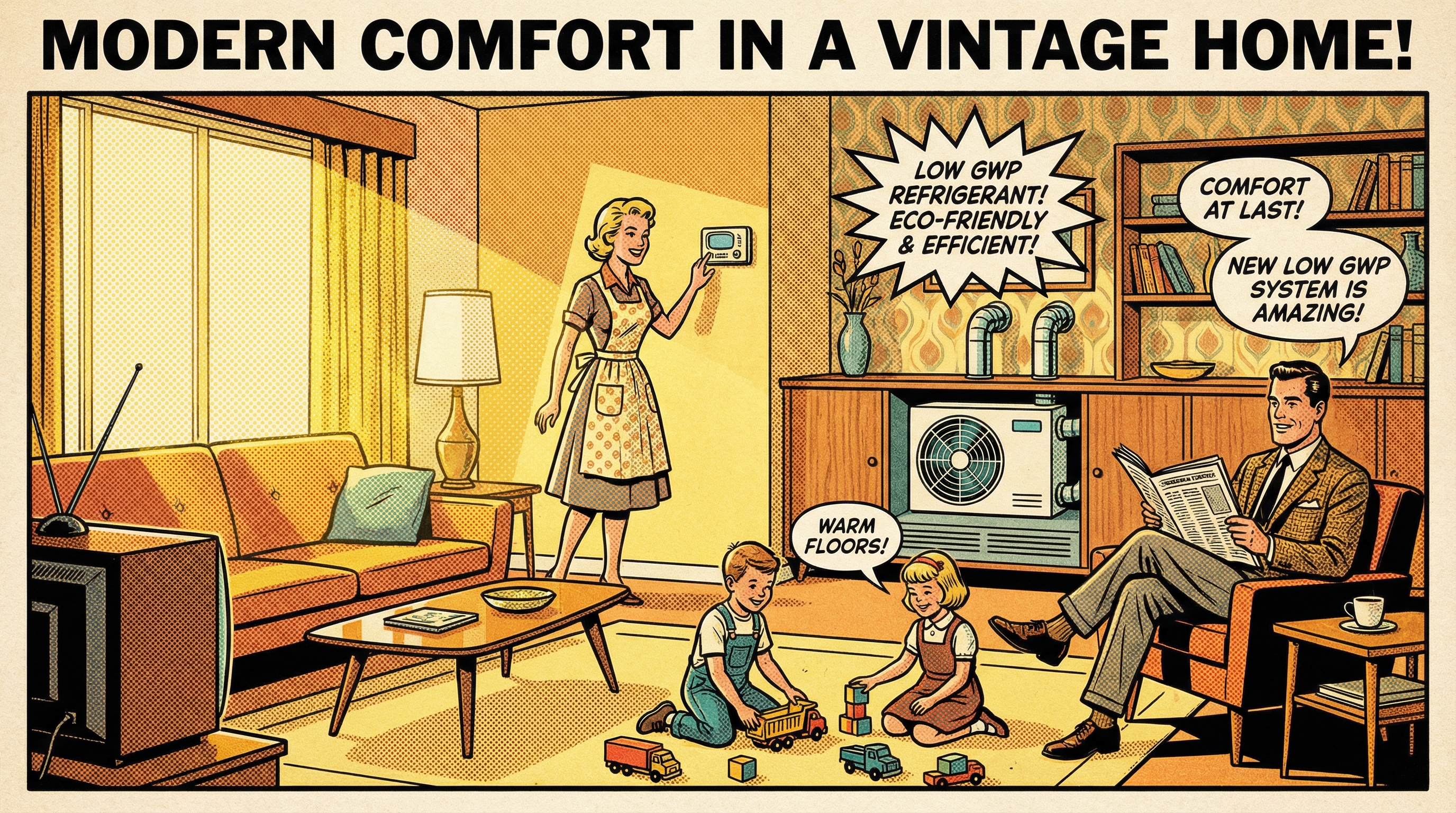
The EPA AIM Act moves new residential and light commercial AC and heat pumps to refrigerants with a GWP of 750 or less starting in 2026. That shifts most new systems to A2L refrigerants, commonly R 32 or R 454B, which cut lifecycle climate impact compared with legacy R 410A. For new purchases, specify equipment listed for A2L use, with matched indoor units and line sets, and confirm the installer is trained on A2L procedures: charging, brazing, ventilation, and leak management. Expect manufacturers to ship A2L ready models with updated controls and labeling.
Important myth check: existing R 410A systems are not required to be replaced in 2026. They can continue to operate and be serviced, often with reclaimed refrigerant. The transition governs new equipment production, not the units already in the field.
Top Eco Friendly HVAC Brands and Models to Consider in 2026
In 2026, the most eco friendly HVAC picks come from proven heat pump makers. Prioritize inverter lines, A2L ready models, solid warranties, and a dependable installer network.
- Mitsubishi Electric: cold climate lines.
- Daikin: FIT units.
- Fujitsu: efficient inverter heat pumps.
- Carrier: Infinity variable speed.
- Trane: XV series variable speed.
- Lennox: SL28XCV ultra high SEER.
- Rheem: EcoNet enabled high efficiency.
- Bosch, NIBE, Stiebel Eltron: well regarded for efficient heat pump tech.
Choose models that list A2L compatibility and verify warranty terms, parts availability, and installer coverage in your area. In our experience at Budget Heating (BudgetHeating.com), that combination preserves performance and avoids surprises over the life of the system.
Ductless Mini Splits: Practical Tips for Retrofits, Placement and Performance
In retrofits, ductless shines by removing duct losses and giving zoned control. From years of field installs, we see placement and sizing decide comfort and efficiency.
- Size each head to the room; oversizing causes short cycles and wasted energy.
- Mount high on interior walls with clear throw, not blowing directly on beds or sofas.
- Treat a head like a lamp for coverage; large or L-shaped rooms may need two smaller heads.
- Plan neat line-set and drain routes with gravity, protect with line-hide, and provide any required dedicated circuits.
When an Eco Friendly HVAC System May Not Be the Best Choice (Tradeoffs and Alternatives)
From years of installs and diagnostics, we see a few cases where the greenest option on paper is not the best fit.
- Extreme cold: Air source heat pumps can lose output as temps plunge, which drives long runtimes and costly strip heat. Plan for backup heat requirements: a dual fuel setup or an efficient gas furnace, or consider geothermal where drilling is feasible.
- Mild climates: Ultra high SEER equipment often fails to pay back. A well installed mid tier inverter heat pump usually delivers better lifecycle value.
- Small urban lots: Geothermal needs yard space or boreholes and a larger upfront budget. If vertical bores or ground loops are not practical, use ductless mini splits or a right sized variable capacity ducted system.
Common pitfalls we still find: oversizing, leaky ducts, mixing up SEER vs SEER2, closing vents to save energy, and expecting a smart thermostat to create savings by itself.
Best Systems by Category: Heat Pumps, Ductless Mini Splits, Geothermal, VRF and High Efficiency Centrals
Choose by home layout, climate and comfort goals. In our experience at Budget Heating (BudgetHeating.com), a good match beats a bigger unit.
- Variable speed air source heat pumps, as high efficiency centrals, fit most homes and climates, with strong comfort and humidity control.
- Ductless mini splits shine in duct free homes, additions and zoning, they cut duct losses and give room level control.
- Geothermal has the highest seasonal efficiency and the lowest operating emissions (COPs near 3 to 5), but needs higher upfront cost and suitable sites.
- VRF suits larger or multi zone buildings where multiple indoor units and capacity modulation deliver efficiency and comfort.
Add a heat pump water heater to trim hot water energy use and emissions.
Cold Climate Heat Pumps: What Northern Homeowners Must Ask and Expect
Modern cold climate, variable speed heat pumps can carry the load in northern homes, but capacity tapers as temperatures fall. Verify low temp performance rather than relying on nameplate tonnage. Defrost is normal, like a quick pit stop, and well tuned controls minimize comfort swings and keep auxiliary heat locked out until it is truly needed. On every cold region project, we confirm low temp data against the local 99 percent design temperature so output and efficiency match the home's needs.
- Heating capacity at your 99 percent design temperature, for example 5 F or −15 C.
- COP at low temperatures, not just at 47 F.
- The unit's defrost strategy and expected cycle length.
- A clear backup heat plan, electric resistance or dual fuel, with lockout settings defined.

Sizing, Ductwork, Installation and Maintenance: Getting Efficiency in the Real World
Real efficiency is earned in design, airflow, and setup. Start with the basics: require Manual J load calculations, Manual S equipment selection, and Manual D duct design. Avoid oversizing, even with variable capacity systems, because it short cycles and reduces comfort.
- Ductwork and airflow: test and seal all joints, insulate runs in attics, crawlspaces, or garages, and correct undersized branches. Aim for low external static pressure to protect inverter performance. Think of static like blood pressure, too high stresses the system.
- Commissioning essentials: verify refrigerant charge, measure delivered airflow and total external static pressure, and calibrate controls. Insist on a documented commissioning report with readings before final acceptance.
- Safety and pro-only tasks: leave refrigerant handling, electrical diagnostics, combustion appliance service, and duct pressure testing to licensed professionals. A2L refrigerants are mildly flammable, which means trained technicians, proper ventilation, and correct tools are required.
- Homeowner maintenance cadence: replace filters monthly as needed, clear leaves and debris around outdoor units, keep condensate drains clear, and update smart thermostat firmware. Schedule annual tune-ups, or semi-annual for heat pumps.
- Cost offsets: use ENERGY STAR and Most Efficient listings to identify eligible models and stack utility, federal, and state rebates to reduce upfront cost.
Do the duct fixes before commissioning so charge and airflow targets are set to the actual system. A clean, measured start-up preserves efficiency and helps avoid early failures.


Next Steps: Energy Audit, Get Quotes, and Evaluate Incentives
For 2026, go electric with high-efficiency inverter heat pumps, air-source, cold-climate, ductless or VRF, and geothermal where feasible. Choose low-GWP refrigerants, right-sizing, and professional commissioning with qualified installers to hit rated efficiency.
We know quotes and incentives can be confusing. We will streamline it. Take action now: schedule an energy audit, get 2-3 itemized quotes with Manual J/S/D and documented commissioning, and apply rebates and tax credits to improve payback.
- Get a Custom Quote
- Talk to Our Team by phone
- Shop Heat Pumps and Ductless Mini Splits
 Cooling
 Heating
 Money Saving Tips
 Product and Brands Insights
 Buying Guides
 State by State
 HVAC Systems