




Understanding the True Cost of a New HVAC System: Quick Summary
Replacing your heating and cooling system affects comfort, monthly bills, indoor air quality, and equipment lifespan. It is a major investment, not just a swap. In 2026, typical whole home replacements commonly fall in the 11,590 to 14,100 dollar range nationally, with many 2,000 to 2,500 square foot homes landing around 13,430 dollars. This quick summary sets expectations and explains what drives those numbers so you can avoid surprises.
From decades on job sites, we see the spread driven by the mix of equipment type and size, efficiency rating, condition of existing ducts, required electrical or gas upgrades, installation access and code permits, climate demands, and extras such as zoning or air purification. Higher efficiency can lower operating costs over time, while aging ducts or tight attic access can add labor and materials.
Frame your budget as a whole package, equipment plus installation materials, thermostat, pad or stand, condensate safety, and any control wiring or line set work. Start with realistic national ranges, then tailor options to your home and comfort goals rather than chasing a single universal price.
Average Cost Ranges: What Homeowners Typically Pay for a New HVAC System
In our experience, most projects fall into clear price bands. For 2026, national installed averages run about $11,590 to $14,100, with many 2,000 to 2,500 sq ft homes landing near $13,430.
- Basic change-out, reusing existing ducts: $5,000 to $11,000.
- System replacement with new ductwork: $7,000 to $16,000.
- Premium or high efficiency packages: $9,500 to $20,000+.
Rule of thumb by size: installed cost often runs $3 to $6 per square foot. That puts a 1,800 sq ft home near $5,400 to $10,800, and a 2,400 sq ft home near $7,200 to $14,400, before any specialty upgrades.
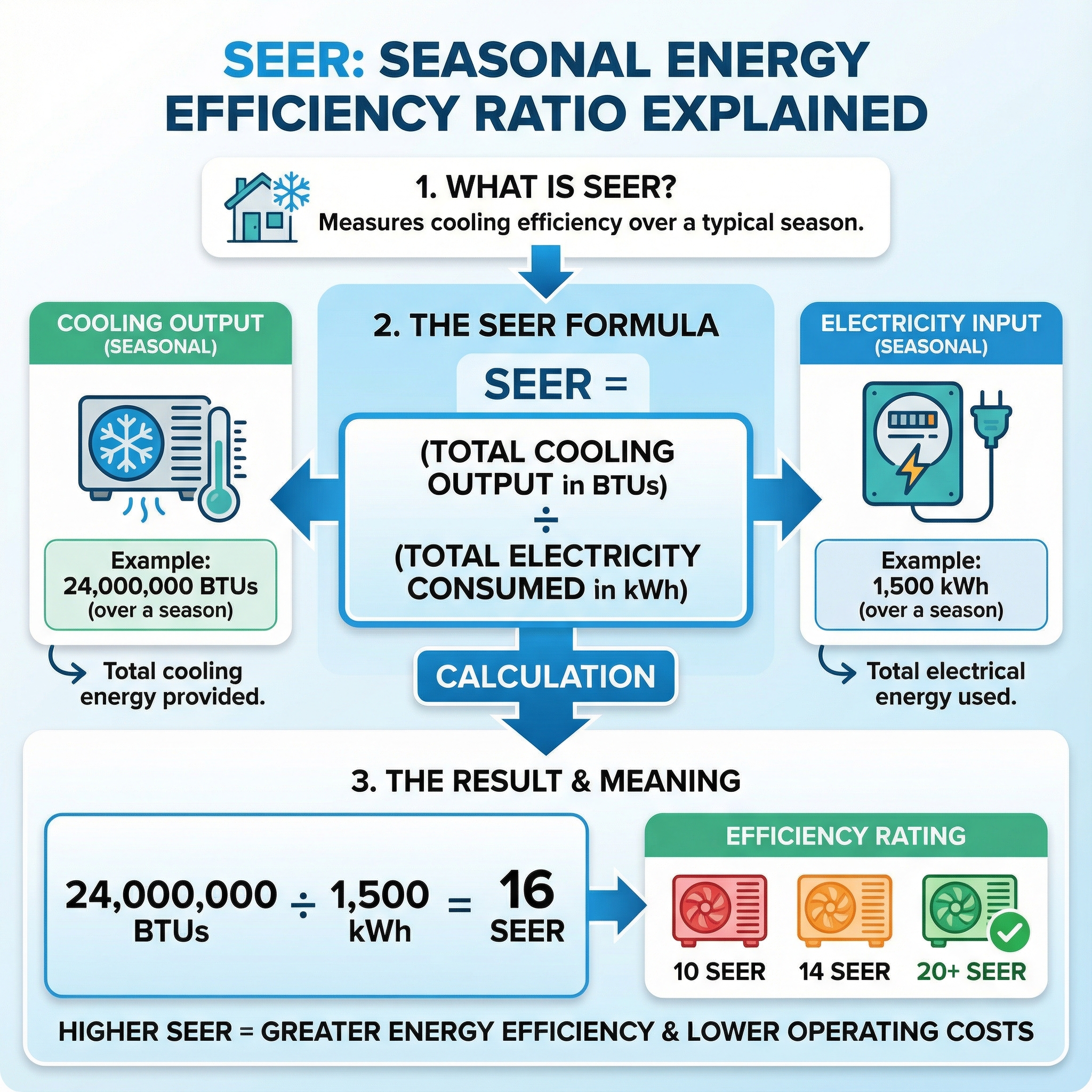
Efficiency affects both price and operating cost. Upgrading cooling from SEER 10 to SEER 16 can trim cooling energy use by up to about 30 percent, which helps offset a higher upfront investment over the life of the system.
Use these bands to ballpark your project: start with the per square foot range, adjust for ductwork needs, then consider whether a premium efficiency level makes sense for your climate and utility rates.
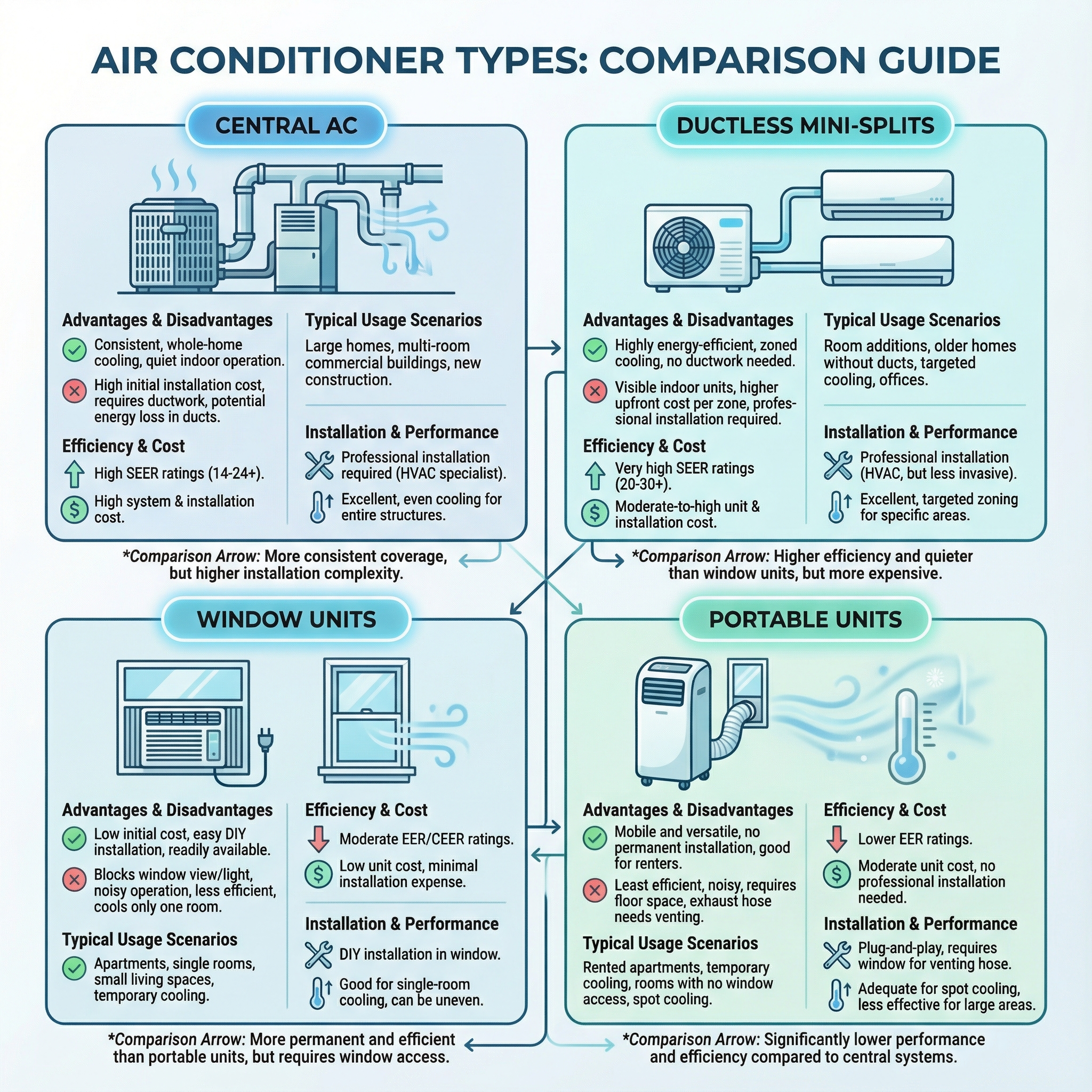
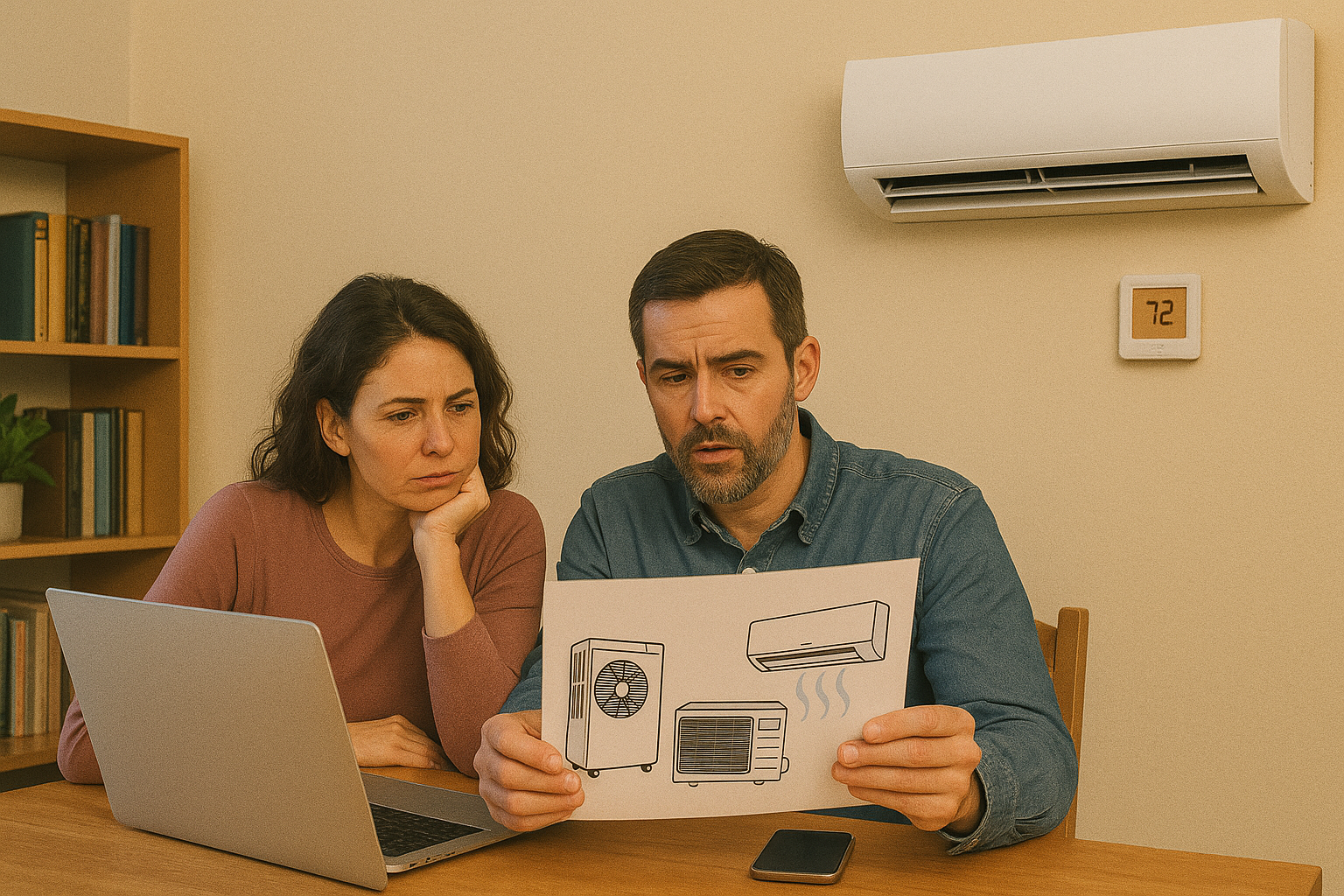
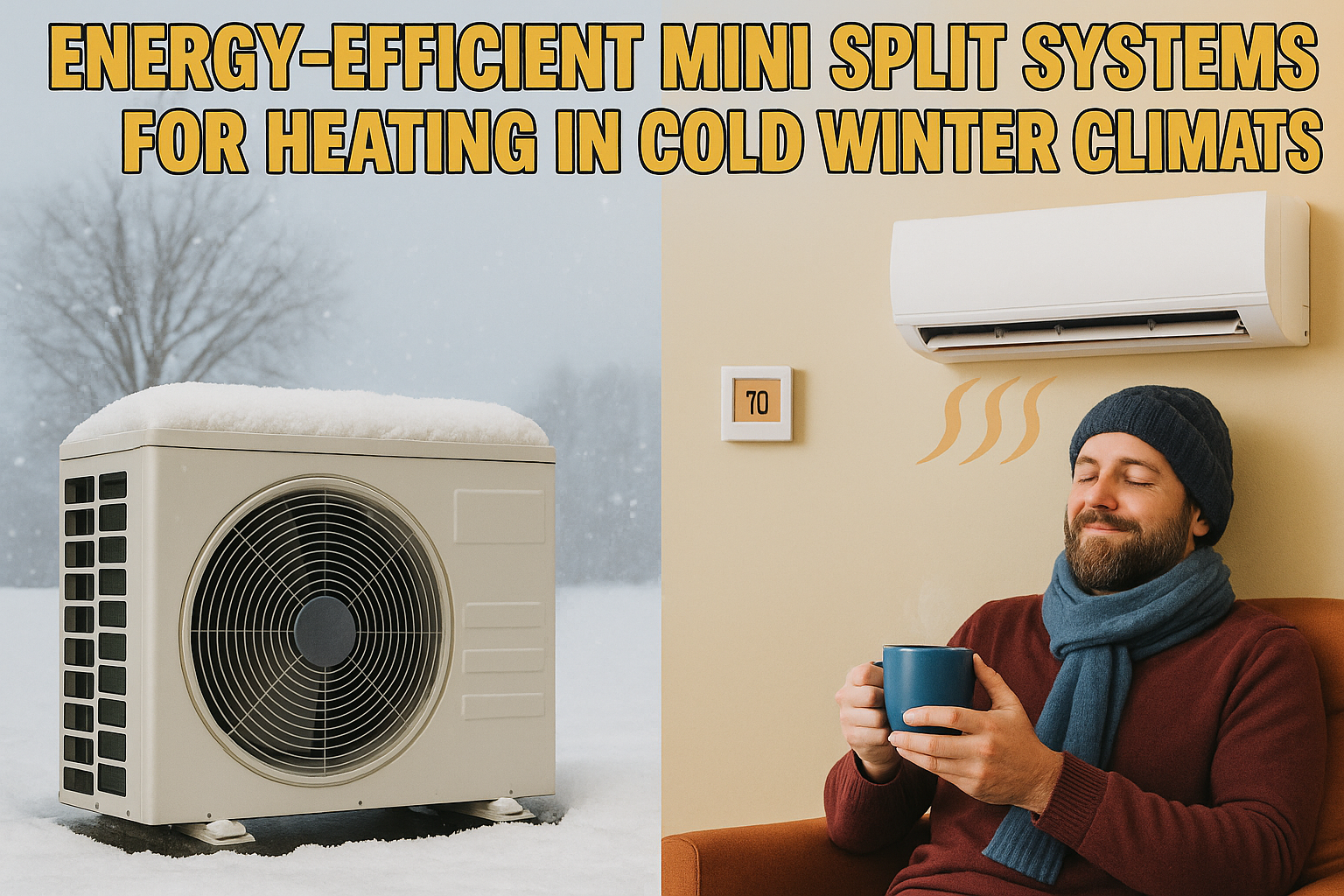
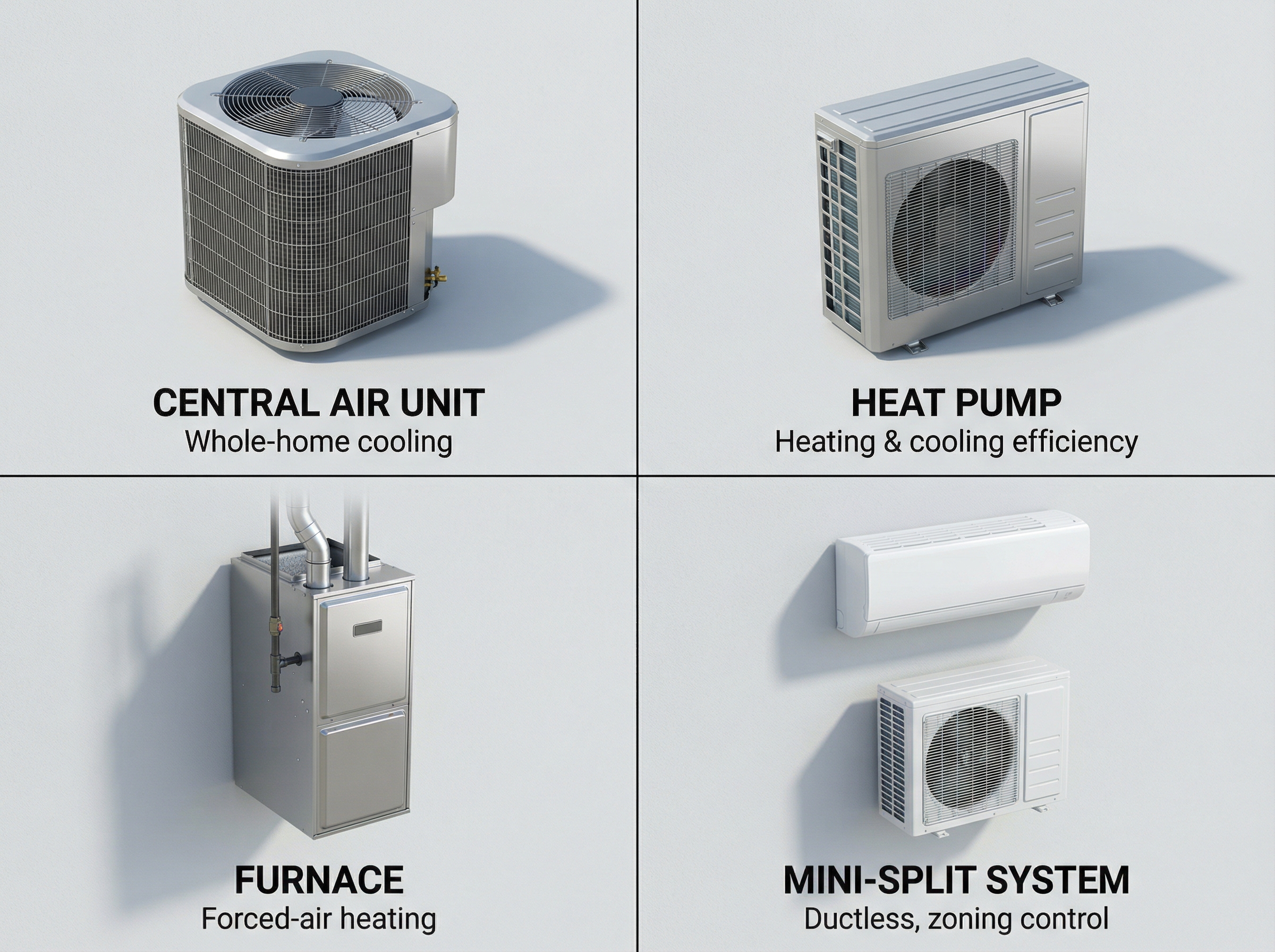
How System Type & Project Scope Change Price: Furnaces, Heat Pumps, Central Air, and Mini Splits
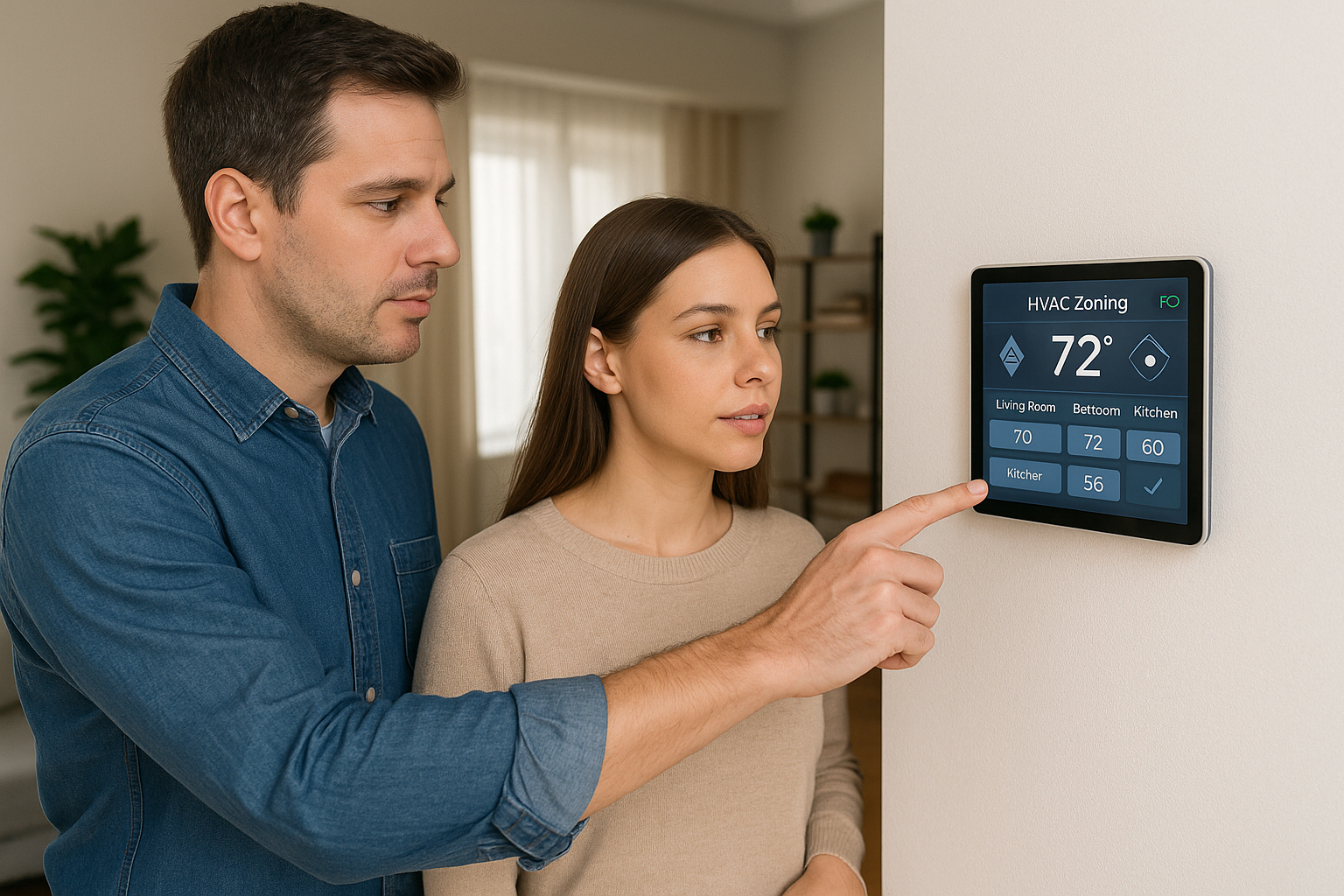
Beyond any installed cost per square foot rule of thumb, we see the real price drivers are system type and size, efficiency ratings, installation complexity, local labor and permits, and add ons. A furnace with central AC, an all electric heat pump, or ductless mini splits each land differently on cost and complexity. Higher SEER, HSPF, or AFUE raises equipment price but can lower utility bills. Ductwork changes, zoning, and indoor air quality add ons increase labor and materials.
Scope works like a sliding scale, not a switch:
- Basic change out, reuse ducts and lines where sound: roughly $5,000 to $11,000.
- Full replacement with ductwork modifications or new ducts: roughly $7,000 to $16,000.
- Premium systems, high efficiency, advanced controls or zoning: roughly $9,500 to $20,000 plus.
What is typically included: equipment, standard labor, a basic thermostat, and common install materials. Often extra: duct replacement, significant electrical upgrades, major carpentry, and certain permit fees.
Repair versus replace comes down to patterns. Frequent or expensive fixes combined with high energy use often tilt toward replacement for payback and comfort. If the system is otherwise reliable and the repair is minor, a targeted fix can be sensible.
When a full central system is not ideal: homes without viable duct paths often fit better with ductless mini splits. If you plan to move soon, premium upgrades may not return their cost, a basic change out or repair can be smarter. In tight budgets with healthy ducts and acceptable comfort, staying at the basic tier often beats a full redesign.

Regional Rules, Codes, and Climate: Why Location Changes What You Can Buy and How Much It Costs
What you can legally install and what it costs shifts by ZIP code, much like fuel blends change by season.
- Regional efficiency minimums: After SEER2, Northern AC minimums are about 14 SEER (13.4 SEER2). Southeast and Southwest push higher, about 15 SEER (14.3 SEER2) for units under 45k BTU/h. Split heat pumps have a national floor near 15 SEER (14.3 SEER2) and HSPF2 around 7.5. These thresholds narrow model availability and affect price.
- Refrigerant transition and code changes: IECC and DOE updates, plus the shift to lower GWP refrigerants R-32 or R-454B and updated AFUE, phase out legacy lines. In our experience at Budget Heating (BudgetHeating.com), these updates can temporarily reduce stock and raise costs during the changeover.
- Climate based system selection: Hot, humid regions need strong dehumidification. Colder zones favor cold-climate heat pumps or dual-fuel. Local permits and enforcement vary, adding time and labor that influence installed price.
Maintenance, Lifespan, and Safety: What You Can Do and When to Call a Pro
Routine care protects efficiency and keeps warranties intact. Do these at home: replace filters every 1 to 3 months, keep the outdoor unit clear by 2 feet, power off then gently rinse coils, confirm the condensate drain flows, and program the thermostat. Also schedule a yearly tune up.
Leave to licensed pros: any refrigerant handling or charging, electrical diagnostics or wiring, gas and combustion work or venting changes, brazing or torching, and final commissioning.
Safety is the reason: high voltage, refrigerant exposure, and carbon monoxide risks. In our experience, with proper maintenance, many systems operate 15 to 25 years, preserving performance while avoiding avoidable breakdowns.
Energy Efficiency and SEER Ratings: How Efficiency Choices Affect Upfront Price and Operating Costs
SEER and SEER2 describe how efficiently an AC or heat pump cools over a season, similar to miles per gallon. SEER2 is the newer test and yields slightly lower numbers for the same unit, for example 15 SEER is roughly 14.3 SEER2. New systems typically fall in the mid teens through low 20s for SEER, with corresponding SEER2 values a bit lower. Heat pumps also list HSPF and HSPF2 for heating performance.
Higher efficiency raises upfront price, yet it trims kWh use and operating cost. The payoff depends on climate and run hours: hot, long seasons shorten payback, mild climates lengthen it. A simple check is to compare the equipment price premium to expected yearly savings from run hours and your electric rate. Premium divided by annual savings gives a rough payback in years. In our experience at Budget Heating (BudgetHeating.com), stepping from 14 to 20 SEER can cut cooling energy by about 30 percent, which accelerates payback in high-use homes.
Homeowner Checklist: How to Prepare for Quotes, Load Calculations, and Ductwork Evaluations
- Define scope: change-out or full replacement including ducts and controls.
- Document home size, layout, windows, and room-by-room comfort issues.
- Require ACCA Manual J. It is the heat loss and gain math that sets proper system size. If relevant, add Manual S for equipment selection and Manual D for duct design.
- Assess ducts: request leakage testing or static pressure readings, plus sizing and return-air checks with a written plan for any fixes.
- Verify readiness: electrical panel, breakers, wiring, and gas line capacity and shutoffs.
- Set efficiency and indoor air quality targets.
- Request 2 to 3 written quotes listing model numbers, ductwork scope, IAQ add-ons, permits, disposal, labor, and warranties.
- Compare by principles: line-by-line scope, total cost of ownership, and documented commissioning steps with a maintenance plan.
Common Myths & Costly Mistakes Homeowners Make (So You Don’t)
We see the same HVAC myths drive up bills and headaches. Here is what actually works, in plain terms:
- Bigger is better: Oversized systems short cycle, remove less humidity, and wear out faster. The fix is proper sizing, not upsizing.
- Closing vents saves money: Shutting registers raises duct static pressure, reduces airflow, and can harm the system. Keep vents open and balanced.
- Filters rarely need changing: Dirty filters choke airflow, stress components, and spike energy use. Replace them regularly.
- Cranking the thermostat speeds heating or cooling: It does not work faster, it just runs longer. Set a sensible temperature and give it time.
- Skipping maintenance has no cost: Neglect cuts efficiency and shortens lifespan. Routine maintenance preserves performance and reliability.
An oversized unit is like stop and go driving, lots of starts and stops with poor comfort.
Finding Local Services, Financing, and Next Steps to Lower Upfront Costs
Shortlist licensed, insured contractors with strong reviews, then request 2 to 3 written quotes that include a Manual J load calculation and note ductwork condition. Prioritize reputation and proper scope over the lowest bid. When comparing, look at efficiency ratings plus parts and labor coverage. Search utility rebates, local incentives, and eligible tax credits to cut the net price. If cash is tight, consider low APR financing or same as cash promos, and schedule in the shoulder season when possible. Same day or emergency work varies by region and often carries a premium.
Next Steps: Budgeting, Choosing the Right System, and Scheduling Your Installation
Whole-home HVAC replacements typically range from $3,000 to $20,000+, often landing in the mid teens. Final cost is driven by system type, capacity verified with a Manual J, efficiency ratings like SEER and HSPF, ductwork condition, installation complexity, local labor, and incentives. Best practice: get 2 to 3 written quotes that include a Manual J, compare efficiency and warranty terms, factor any duct upgrades, and pursue local rebates. Plan regular maintenance to protect efficiency and lifespan.
If you are weighing options, that is normal. Our team pairs wholesale pricing with first-hand technical guidance, backed by 30+ years in HVAC and 200,000+ fulfilled orders.
- Get a Custom Quote
- Talk to Our Team, U.S.-based phone support available
- Shop [Category]
- Ask about free shipping and Affirm financing