




Why Modulating Furnaces Matter: Quiet, Efficient, Steady Heat
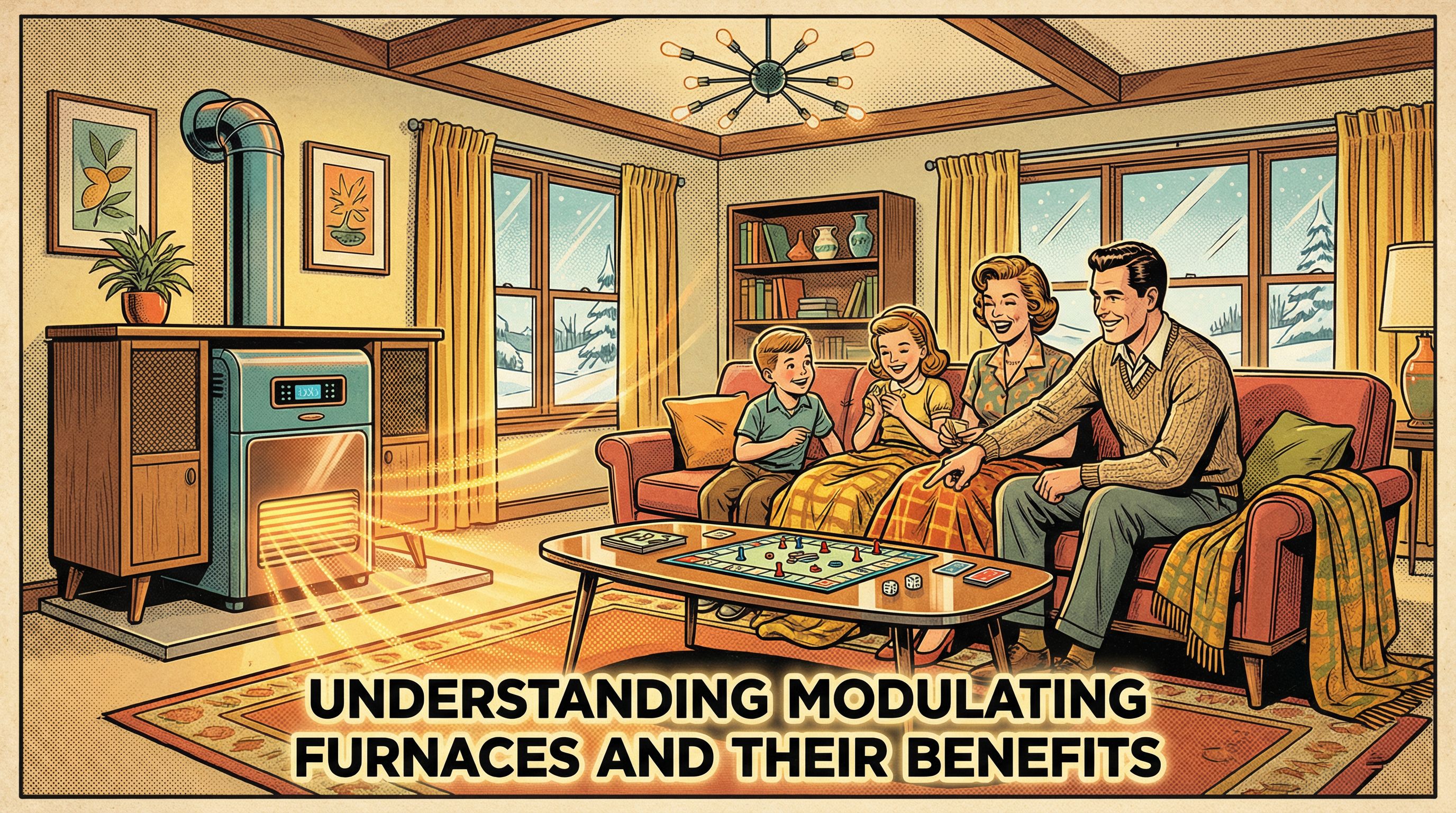
Think of a modulating furnace like a dimmer switch for heat. Instead of blasting hot air, then resting, it fine tunes heat output and airflow to match what the home needs. The result is steadier room temperatures, quieter operation, and fewer hot and cold swings. Because it spends most of its time at low to mid output rather than full throttle, it can achieve very high efficiency, with AFUE ratings often up to about 98 percent.
This overview explains what modulation means in practice, how it differs from single stage and two stage units, and the comfort and efficiency benefits you notice day to day. It also sets expectations for where the real value comes from: proper sizing to the heat load, ductwork that supports longer low speed runs without drafts, and installation that sets airflow and gas input correctly. When those pieces line up, a modulating furnace delivers quiet, even warmth, not short noisy blasts, and makes heating a background comfort you barely notice.
What Is a Modulating Furnace? A Simple, Technical Explanation
A modulating furnace varies its heat output continuously to track the building's real time heating load, rather than toggling between fixed settings. Think of it like a dimmer switch for heat: the output is adjusted up or down so the system delivers only as much heat as the space needs. This wide control range is often described as turndown ratio, commonly 3:1 to 10:1.
Because the furnace can throttle instead of running at full fire, it avoids frequent on off cycling that overshoots the setpoint. Longer, low output runs keep delivered heat more consistent, which produces steadier indoor temperatures with tight swings.
Compared with a single stage unit that is either 100 percent on or off, and a two stage unit that offers only low or high, a modulating furnace operates across a continuous spectrum. That finer control lets it match small and large loads alike, especially during mild weather when a fixed stage system would short cycle.
When modulation is paired with a condensing heat exchanger and a variable speed blower, the result is very high efficiency, with AFUE ratings commonly in the upper 90s.
Key Benefits: Comfort, Efficiency, Quiet and Longevity (and the Trade Offs)
Think of modulation like a dimmer switch for comfort. Instead of big temperature swings, it trims output to hold rooms steady, typically about 0.5 to 1 F from the setpoint. In our experience, that steadiness brings a quieter house, cleaner air, and less mechanical stress day to day.
- Comfort: Long, low-speed cycles smooth out hot and cold spots and keep temperature extremely consistent.
- Efficiency: Upper 90s AFUE performance captures more heat from the same fuel, especially at part load.
- Quiet: Low blower speeds run longer but softer, reducing drafty blasts and door-rattle starts.
- Air quality: More total run time moves more air across the filter, which improves capture of dust and allergens.
- Longevity: Fewer hard starts and gentler operation reduce wear on burners, blowers and controls.
- Part-load performance: Output matches the home's actual demand, improving comfort and fuel use in shoulder seasons.
Trade offs are real: higher upfront cost, more complex controls and diagnostics, and greater dependence on correct sizing, tight ductwork, and a compatible thermostat to unlock the full benefit.
When is this not the best choice? If the duct system is undersized or leaky, dollars are better spent sealing and resizing ducts or adding returns first. For small condos or short-term ownership on a strict budget, a quality single-stage or two-stage furnace may be more practical. In very mild climates or all-electric homes, a variable-speed heat pump or ductless mini split can deliver better seasonal efficiency and comfort at similar or lower lifecycle cost.
Real World Savings: Installed Cost, Payback Period and Incentives
Typical installed pricing, plus tax: about $4,000 to $4,800 for a 95% single-stage, $5,200 to $5,800 for a 96% two-stage, and roughly $7,200 to $7,800 for a 98% modulating furnace. Monthly gas use in a normal season tracks closely with efficiency: a 95% might average about $18 per month, a 96% two-stage around $16.20, and a 98% modulating about $15.30.
That spread is real but modest, so weigh comfort features against payback. Example: stepping from 95% to 98% can add roughly $2,400, while saving about $2.70 per month, a simple payback that can be very long in a mild climate. If your climate or run-hours are higher, or gas prices spike, savings scale up and payback improves accordingly. In our experience at Budget Heating (BudgetHeating.com), many homeowners land on two-stage models for a balance of comfort and cost.
To shorten payback, check local utility rebates and tax incentives, which directly reduce upfront price.
Climate, Codes and Where Modulating Furnaces Make the Most Sense
Modulating furnaces excel in cold and mixed-humid regions with long heating seasons and wide swings in load. They run steadily at low output, like using cruise control on rolling hills, which keeps rooms even and avoids on-off blasts. In hot climates with short heating seasons, full modulation adds less value, and a simpler two-stage can be sufficient.
Regulatory checks matter. U.S. DOE AFUE minimums set the floor, and some areas mandate condensing models. Before selecting, verify local AFUE and SEER minimums, any low NOx requirements, and available utility rebates. In our field experience, aligning equipment with local rules and climate delivers the best comfort and avoids compliance surprises.
Efficiency Explained: AFUE, SEER and How Modulation Lowers Bills
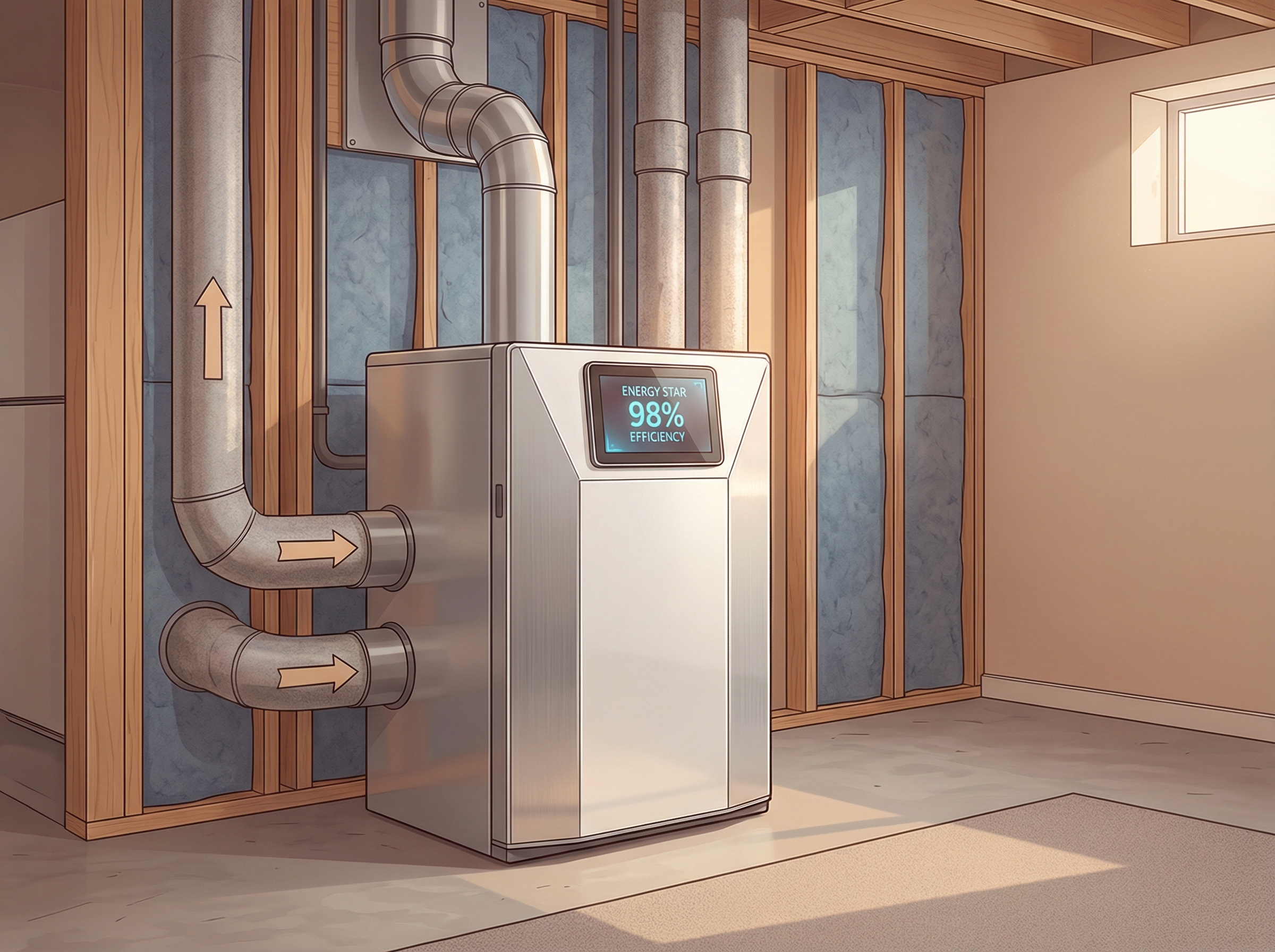
AFUE tells you how much of each dollar of gas becomes usable heat in your home. Modern modulating, condensing furnaces commonly reach about 95 to 98 percent AFUE, so only a small slice of energy leaves the flue. They do this with a condensing heat exchanger that extracts more heat from the exhaust, and with gas valves that modulate to hold steady, high combustion efficiency at light or heavy loads. That steadiness trims fuel use compared with single stage designs.
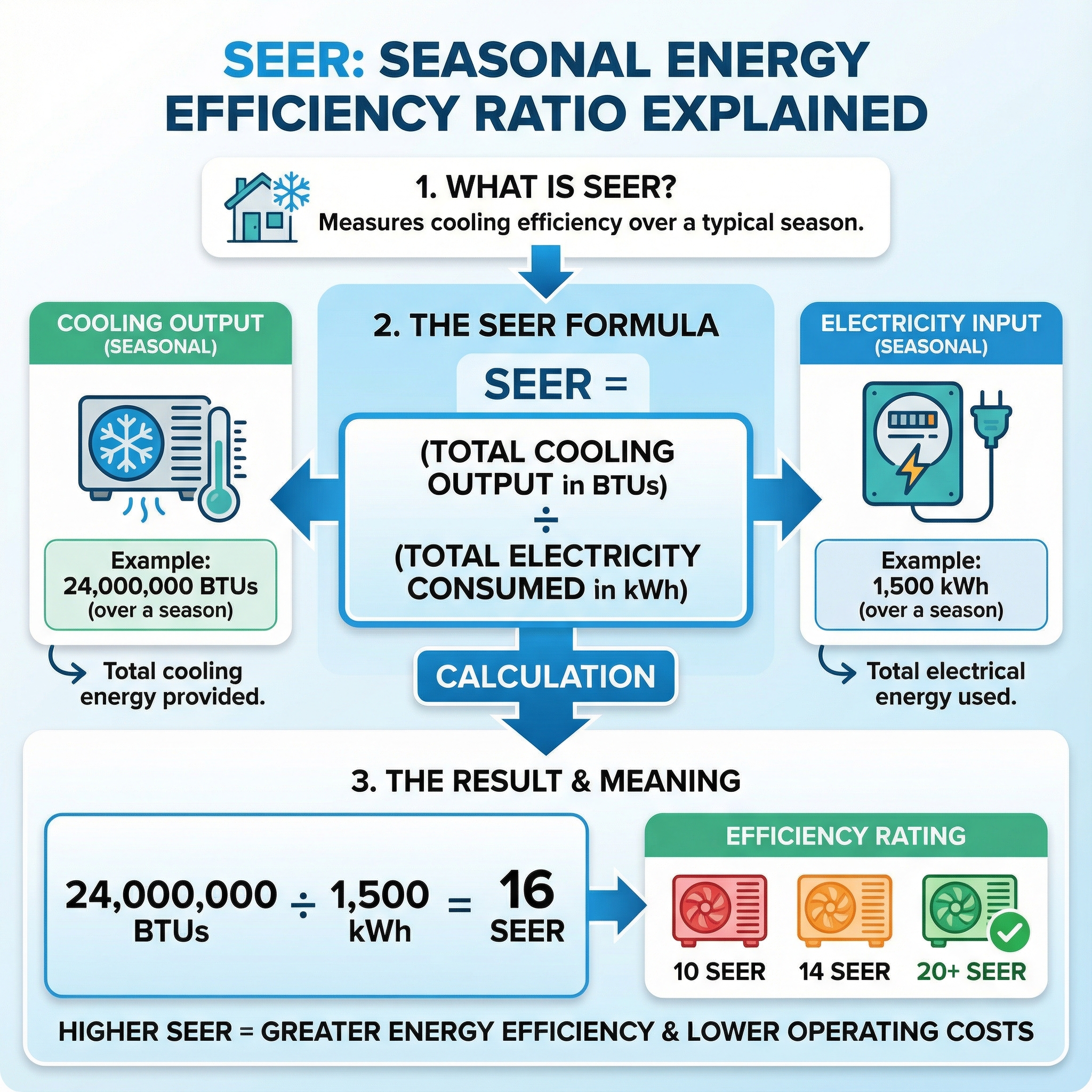
Cooling efficiency uses a different yardstick: SEER applies to the air conditioner you pair with the furnace. The furnace still matters. A variable speed blower lowers fan electricity and typically bumps cooling SEER by roughly one point. In our experience at Budget Heating (BudgetHeating.com), that combination translates to lower winter gas costs and modest summer electric savings.
Choosing and Installing a Modulating Furnace: A Homeowner Checklist
Use this checklist to be sure your new modulating furnace delivers on comfort and efficiency.
- Set priorities: comfort, efficiency, quiet. Let these drive feature choices.
- Sizing and Manual J: require a Manual J heat load with room by room numbers, and size to the design load, not the old nameplate.
- Modulation range: choose a wide turndown. Ensure the minimum output is at or below your shoulder season load so it idles instead of short cycling.
- Core design: prefer a condensing furnace with an ECM variable speed blower for steady airflow and lower electrical use.
- Ductwork and airflow: seal leaks, measure total external static pressure, add or enlarge returns, and balance supplies. In our experience at Budget Heating (BudgetHeating.com), high static undermines modulation benefits.
- Venting and condensate: plan PVC vent routing, termination locations, and a reliable condensate drain or neutralizer if required. Verify gas line sizing and electrical circuit.
- Commissioning: insist on combustion testing, gas pressure, airflow and temperature rise checks, and control setup.
- Compare: get 2 to 3 like for like quotes, and review warranties and local incentives.
Common Myths and Mistakes About Modulating Furnaces
These are the misconceptions most likely to cloud a buying decision, and what actually happens in real homes.
- “They're loud because they run more”: Modulating units spend most hours at low fire and low fan speed, so they are typically the quietest.
- “Running longer uses more energy”: Longer, low-output cycles avoid wasteful full-capacity starts and stops, which reduces overall fuel use.
- “Two-stage gives the same benefits”: Two-stage has only two fixed outputs. Modulation trims output in small steps, like a dimmer, for steadier comfort.
- “Higher upfront cost never pays back”: In colder climates or for long-term owners, reduced cycling and tighter control can offset the premium. Payback depends on usage and local utility rates.
Maintenance and Safety: What Homeowners Can (and Shouldn't) Do
We advise homeowners handle only basic care:
- Check filters monthly, replace every 1 to 3 months.
- Keep vents clear, inspect outdoor intakes and exhausts.
- Replace thermostat batteries.
Leave to a pro: annual tune up with combustion analysis, gas or combustion work, refrigerant service, electrical diagnostics, duct changes, installation or venting.
Never bypass safety devices. If you smell gas, see soot, or a CO alarm sounds, shut down and call a licensed pro. Cadence: filters monthly, vents seasonally, pro tune up yearly.
Should You Upgrade? A Clear Takeaway and Next Steps
If comfort, quiet performance, and steady energy use are priorities, upgrading to a modern furnace is a smart move when the equipment is correctly matched to your home and installed with care. That is what separates a good purchase from a great one.
Every house is different, so the right decision comes down to your space, ductwork condition, climate, and how long you plan to stay. If you are unsure, a quick review with us eliminates guesswork and helps you avoid overspending.
Our team has 30+ years in HVAC and has fulfilled over 200,000 orders, so we can evaluate your needs, spec a complete system, and support you by phone before and after you buy.
- Get a Custom Quote: Send a few details and we will recommend a properly matched furnace and accessories.
- Talk to Our Team: Call our U.S.-based specialists for straight answers and real-world guidance.
- Shop Furnaces: Browse in-stock systems at wholesale pricing made accessible.
- Prefer flexible payments: Most orders ship free, and financing is available with Affirm.