




What Furnace Short Cycling Is, and Why It Matters
Furnace short cycling is when the unit turns on, runs only a short time, shuts off, then repeats before the thermostat setpoint is reached. Instead of a steady, even burn, you get a series of bursts. That creates hot and cold swings from room to room, drafty moments at the registers, and a system that never quite settles into a comfortable rhythm.
From 30+ years of hands-on HVAC work, we see short cycling waste energy and money. Each start uses extra power and fuel, so those rapid on and off patterns raise utility bills without delivering steady heat. The extra cycling also piles wear on key parts, especially the blower motor, igniter, and controls, which can cut equipment life and invite breakdowns. Think of it like stop and go traffic for your furnace: more starts, more stress, less miles per gallon. Short cycling is a symptom, not a normal operating mode. Treating it early with a prevention mindset keeps comfort consistent, reduces energy waste, and protects the furnace from unnecessary strain.
The #1 Cause: Restricted Airflow: Dirty or Clogged Air Filters
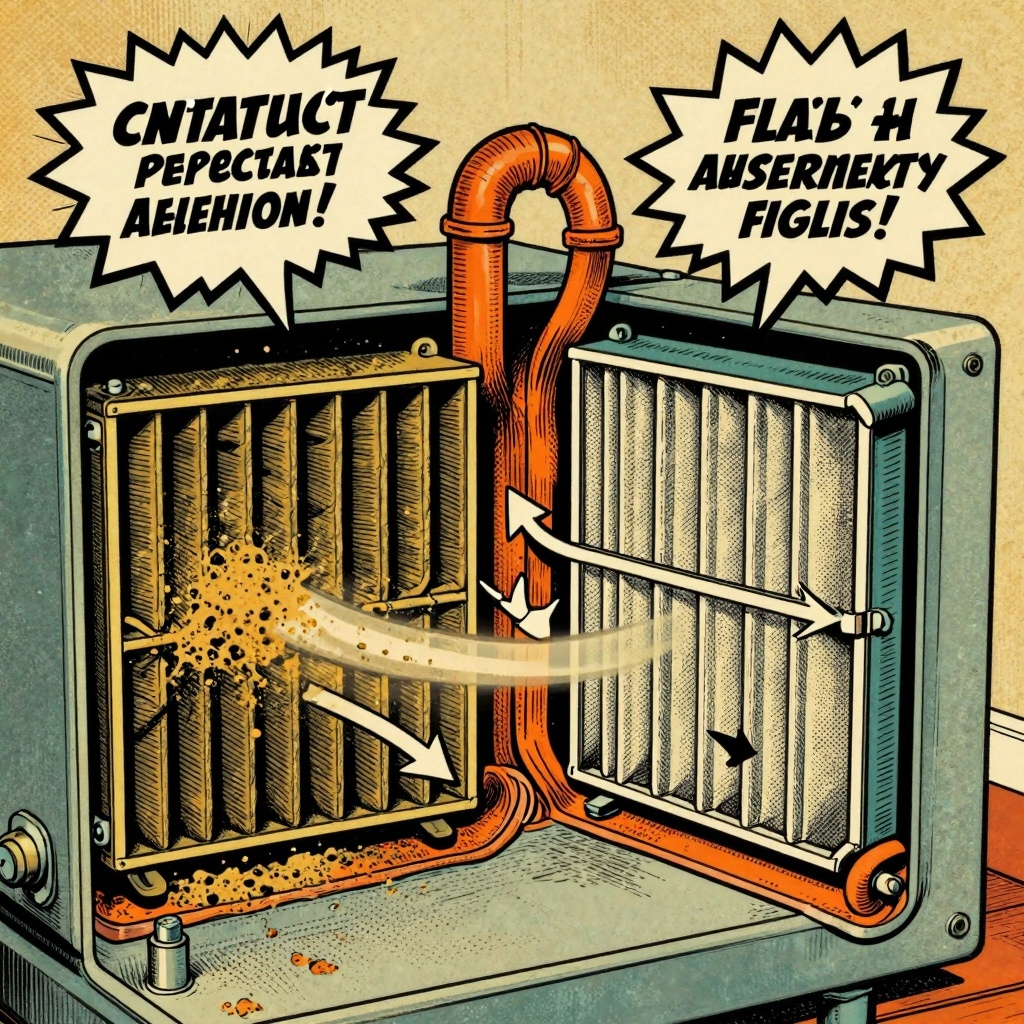
When a furnace short cycles, the first place to look is the return air filter. In our 30 plus years working on HVAC systems, the most common culprit we find is restricted airflow from a dirty or clogged filter. It is like trying to breathe through a thick scarf. The system cannot move enough air, so it shuts itself off early, then starts again.
This problem is highly preventable with routine filter care. In many homes the remedy is simple, replace the dirty filter to restore airflow and the short cycling often stops without major repairs. Stay ahead of it by keeping the filter clean, and the furnace can run the full heat cycle smoothly instead of bouncing on and off.
How Restricted Airflow Overheats the Furnace and Trips the High Limit Switch
Airflow is the furnace's cooling system. When a filter is clogged, supply or return vents are closed, or ducts are blocked or overly restrictive, the blower cannot move enough air across the heat exchanger. Static pressure in the duct system rises, the fan moves less usable airflow, and convective cooling drops. The exchanger then heats rapidly, like a radiator without air moving through it, so internal temperature climbs fast.
A temperature sensitive high limit switch sits near the heat exchanger to protect it. When that sensor sees its set threshold, it opens the burner circuit, the flame goes out, and the blower often keeps running to pull excess heat off the metal. After the exchanger cools, the switch resets, the controls call for heat again, and the burner relights. If airflow is still restricted, overheating returns and the short cycling loop repeats.
Beyond comfort, this wastes fuel, stresses the heat exchanger and the limit switch, and leaves rooms unevenly heated. Keeping airflow healthy with the right filter and unobstructed, open ducts lets the blower carry heat away at the rate the burner creates it, which keeps temperatures stable and the limit switch quiet.
Step by Step: How to Replace or Clean Your Furnace Filter (Safe DIY)
Do this safely and your system will breathe easier, like swapping a dusty mask for a fresh one.
- Turn the furnace off at the service switch or breaker.
- Locate the filter at the return grille or inside the furnace/air handler cabinet. Slide it out.
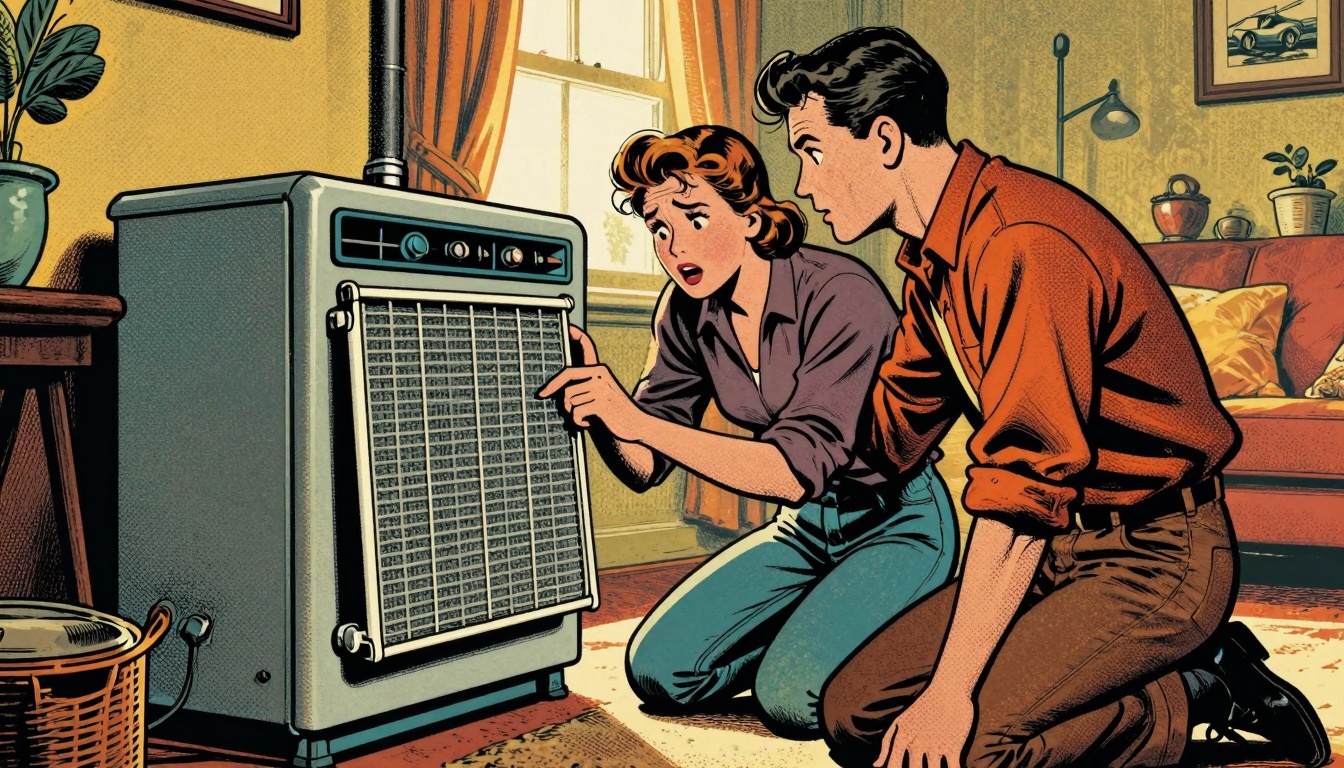
- Inspect it: if it is gray or dusty, or light will not pass through, replace it. Only rinse and reuse if the filter is clearly labeled washable, then let it dry fully.
- Match the exact size and install with the airflow arrow pointing toward the furnace.
- Restore power, run one full heat cycle, and make sure airflow and operation are steady.
Choose a filter that balances air quality and airflow. In our experience at Budget Heating (BudgetHeating.com), MERV 8 to 11 works well for most homes without choking the blower. Avoid highly restrictive filters in 1 inch slots unless you increase media area, for example a 4 to 5 inch media cabinet or larger return. More media area lets you capture finer particles without starving the system of air.
When Short Cycling Means You Should Call a Professional (and What to Expect)
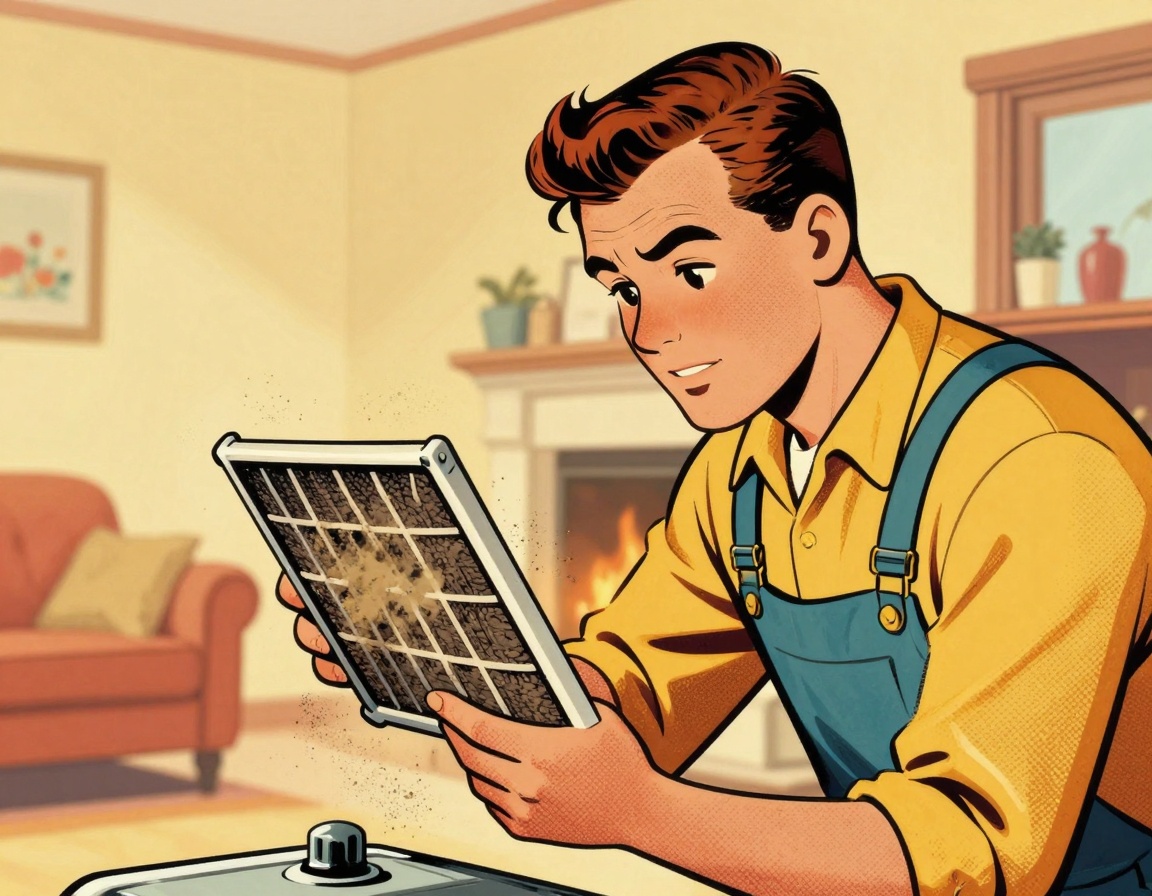
Short cycling that continues after a fresh, correctly installed filter and open supply and return vents is a signal to bring in a pro. Think of it like a safety circuit tapping the brakes over and over. Stop using the system and schedule service immediately if you notice any of the following:
- Repeated high limit switch trips
- Abnormal blower noises or tripped breakers
- Burning smells, flame instability, or soot
- Any carbon monoxide alarm activity
In our experience at Budget Heating (BudgetHeating.com), most short cycling traces to airflow issues or safety controls doing their job. A qualified technician will check blower performance, static pressure, limit and temperature controls, the flame sensor, combustion and venting safety, and the condensate drain. They will document measurements and, if sizing is suspect, may reference Manual J and D to confirm capacity and duct design.
Plan for costs: minor fixes often land around 250 to 300 dollars. More involved repairs can range from about 1,000 to several thousand based on parts and labor. Regular maintenance and timely filter changes help avoid many of these bills.
Quick DIY Checks to Confirm a Dirty Filter or Airflow Problem
Before deeper troubleshooting, stick to safe, no-tools observations. Do not open electrical panels or touch burners.
- Watch a complete heat call: note if the furnace ignites, runs a few minutes, shuts off, then starts again. Log run times and any lights or codes. Short cycles point to restricted airflow, which a dirty filter commonly causes.
- Confirm airflow paths: open all supply registers and return grilles, move rugs and furniture away, and vacuum dust from the grilles.
- Thermostat basics: install fresh batteries, set mode to Heat and fan to Auto. Make sure the thermostat is not in direct sun, above a supply vent, or near a space heater, which can trick it into shutting off early.
If short cycling improves after these steps, airflow is likely the culprit.
Other Common Causes of Short Cycling: Thermostat, Blower, Sizing, and More
We often trace short cycling to:
- Thermostat problems: bad location, miscalibration, or wiring.
- Safety or drain faults: dirty flame sensor, clogged condensate, or venting blockage.
- Airflow and sizing: blocked registers or returns, dirty blower or coil, leaky or undersized ducts, weak blower, or an oversized furnace that hits setpoint too fast.
Myths to avoid: replacement is not automatic, closing vents will not cure cold rooms, and higher MERV is not always better. Each can hide the real fault or cut airflow.
When a filter swap is not the best fix: in heavy dust or wildfire areas, use larger media and change more often; with oversized systems, do a Manual J and choose staged or modulating heat; high MERV typically needs a bigger cabinet to keep pressure in check.
How to Troubleshoot Each Likely Cause: Simple Tests and When to Stop
Use simple checks first, like following a breadcrumb trail from the thermostat to the drain. Keep safety in mind and stop if anything seems unsafe.
- Thermostat: Set to Heat, Fan to Auto, raise the setpoint 3 to 5 degrees, replace batteries. Keep it away from supply air or heat sources. If it has a remote sensor, reposition it out of drafts. Retest one full cycle.
- Flame sensor: Power the furnace off and on, then watch ignition. If the flame lights and drops out in a few seconds, especially in repeated short bursts, stop. Do not clean, bend, or bypass anything.
- Blower and airflow: Replace a dirty filter and open supply and return vents. Listen for rubbing or grinding. If the burner shuts off but the blower keeps running, that often reflects a high limit trip covered earlier. Stop here.
- Condensate: On condensing models, inspect clear tubing for kinks, algae, or ice. Empty an overfull pump reservoir and make sure the float is down. If the line is blocked, clear only the visible drain path. Stop if codes return.
- Retest each change: Observe at least one full cycle. If short bursts persist, or the burner shuts off quickly while the blower continues to cool the furnace, stop and seek professional service.
- Do not attempt: electrical diagnostics, refrigerant work, gas valve adjustments, or bypassing safety controls.
Prevention: A Routine Maintenance Checklist to Stop Short Cycling
In our field experience, short cycling drops when systems are right sized with Manual J, ducts follow Manual D, indoor and outdoor units are matched, and filter media area fits airflow. That helps preserve rated AFUE and SEER2.
- Create recurring reminders to check filters and replace as the system needs.
- Keep returns and supplies clear, with 18 to 24 inches of open space at returns.
- Schedule a yearly furnace tune-up.
- Dust, wildfire smoke, pets, and cold climates load filters faster. New DOE SEER2 methods and AFUE updates, plus ASHRAE MERV guidance, mean higher MERV filters and variable-speed blowers require adequate media area and more frequent changes to avoid pressure drop and short cycling.
Fix the Airflow First: Replace the Filter, Check Vents, Then Call a Pro If Needed
The most common cause of furnace short cycling is restricted airflow, usually a dirty filter that overheats the heat exchanger and trips the high limit safety switch. Start simple: replace the filter, open and clear all supply and return vents, and verify the thermostat is well placed and not getting false heat. If short cycling continues, schedule a qualified inspection to check the blower, controls, combustion and venting, and system sizing. With 30+ years in HVAC, our team can guide your next step.
- Get a Custom Quote
- Talk to Our Team by phone, U.S. based support
- Shop Furnaces at wholesale pricing