




Why Your Roof Is One of the Biggest Drivers of Home Energy Use
Your roof is the biggest solar collector on the house, the hat that sets how hot or cool the attic runs. Materials behave differently in the sun. High reflectance cool roofs and some metal panels bounce solar radiation away, which lowers attic temperature and trims air conditioner run time in warm seasons. Darker, higher mass options absorb heat and can be advantageous in colder climates where a bit of solar gain reduces heating demand.
Surface matters, but the whole assembly determines real performance. Color, material, and reflective coatings control solar reflectance and emissivity, yet outcomes hinge on insulation levels, air sealing at the ceiling plane, and roof ventilation. A bright roof over an underinsulated attic can still waste energy, while a darker roof above a tight, well insulated assembly may perform acceptably. This guide compares materials by climate, offers practical installation and retrofit tips, highlights trade offs, and outlines lifecycle and ROI factors.
How Roofs Gain and Lose Heat: Reflectance, Emissivity, SRI and Thermal Mass
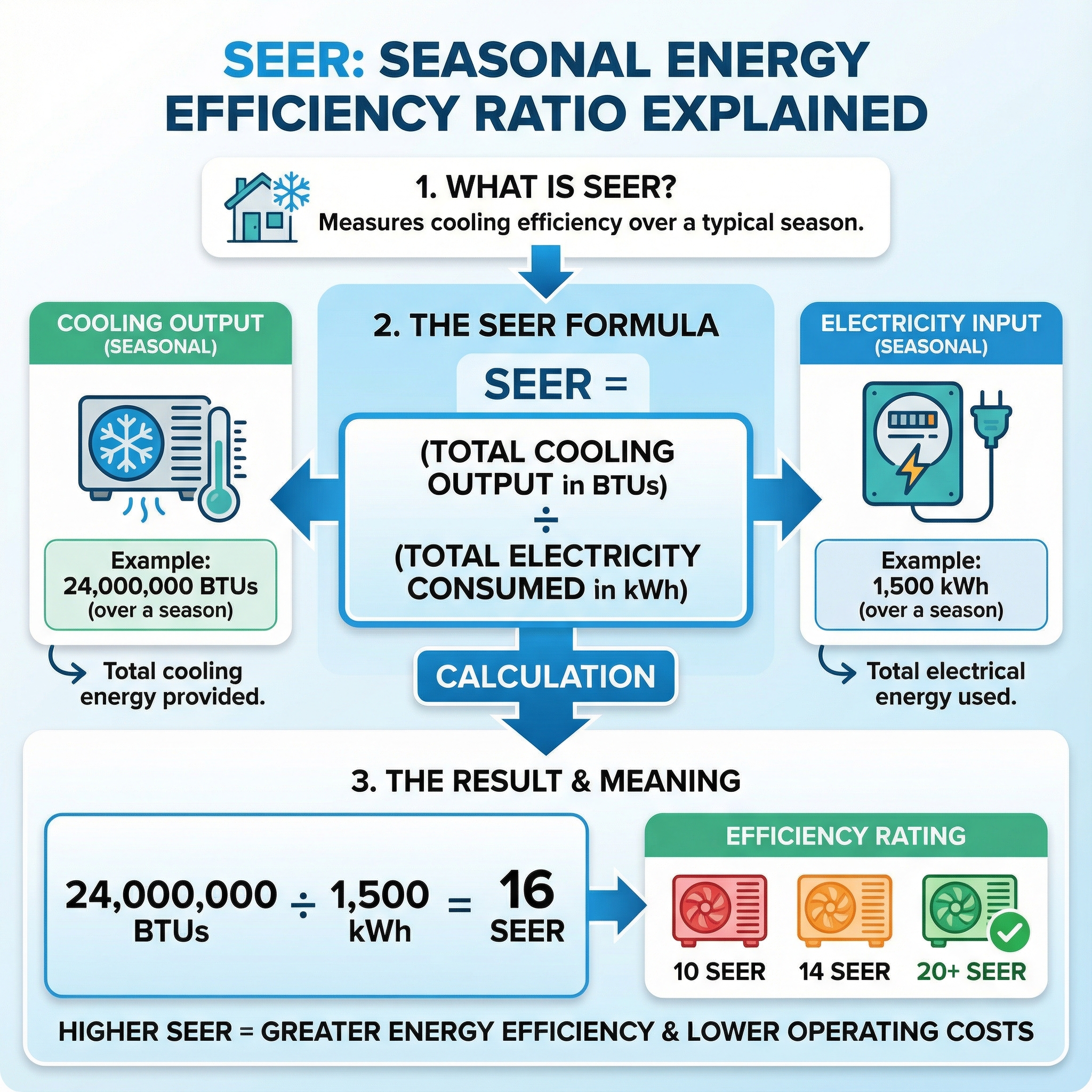
Roofs gain and lose heat through how much sun they reflect, how fast they re-radiate what they absorb, and how much heat they store. In practice, four properties do the work: solar reflectance, thermal emittance, thermal mass, and the combined Solar Reflectance Index. From what we have seen in the field, roof choices shift attic and ceiling temperatures on hot days, which directly changes the cooling load. SEER is the efficiency of the cooling equipment at removing that load. Moving from SEER 14 to 16 gives about 12.5 percent savings on the equipment side, and envelope improvements compound with that gain.
- Solar reflectance: Lighter or cool surfaces reflect more sunlight, lowering roof and attic temperatures and reducing indoor heat gain, like wearing a white shirt in summer.
- Thermal emittance: High emittance surfaces shed absorbed heat quickly, so the roof cools faster after peak sun and carries less heat into the night.
- Thermal mass: Concrete, clay, and tile dampen temperature swings and can reduce peak loads in large day to night swings, especially with ventilated airspaces beneath tiles.
- SRI: The Solar Reflectance Index combines reflectance and emittance into a single 0 to 100 score. Higher SRI generally means a cooler roof surface and larger cooling energy savings in hot climates.
Comparing Common Roofing Materials: Energy Performance Overview
Here is a quick, material-by-material look at energy traits so you can compare at a glance. From decades on roofs, we see color, coatings, and ventilation drive the biggest swings in performance, like choosing a light or dark shirt on a hot day.
- Metal roofing: Factory-coated panels are naturally reflective, especially with cool coatings, and resist UV degradation. In hot climates, reflective metal has documented cooling savings up to about 25%. It sheds snow effectively and often lasts 40-70 years, which supports favorable lifecycle economics.
- Single-ply membranes (TPO/PVC): On low-slope roofs, white membranes deliver very high solar reflectance and emissivity. That combination substantially reduces cooling demand and keeps rooftop temperatures in check.
- Clay and concrete tile: Significant thermal mass helps dampen heat flow, and a ventilated airspace beneath the tile further reduces transfer into the attic. Color and finish strongly affect reflectance. Steep-slope clay tile SRI often lands around 41-58, while concrete tile may range roughly 14-72 depending on finish.
- Asphalt shingles: Budget friendly, but standard dark shingles absorb solar heat and raise attic and indoor temperatures. Cool-rated shingles with reflective granules are an affordable upgrade, and they perform best when paired with strong attic insulation and ventilation.
- Slate and natural stone: Extremely durable and, thanks to mass, can help stabilize indoor temperatures in cold climates. They are heavy and costly, while synthetic alternatives can reduce weight and cost.
For any roof, matching reflectance, emissivity, and mass to the climate and roof slope, then supporting them with proper attic insulation and ventilation, produces the most reliable energy gains.
Integrating Solar: PV-Ready Roofs, Metal Compatibility, and Planning Ahead
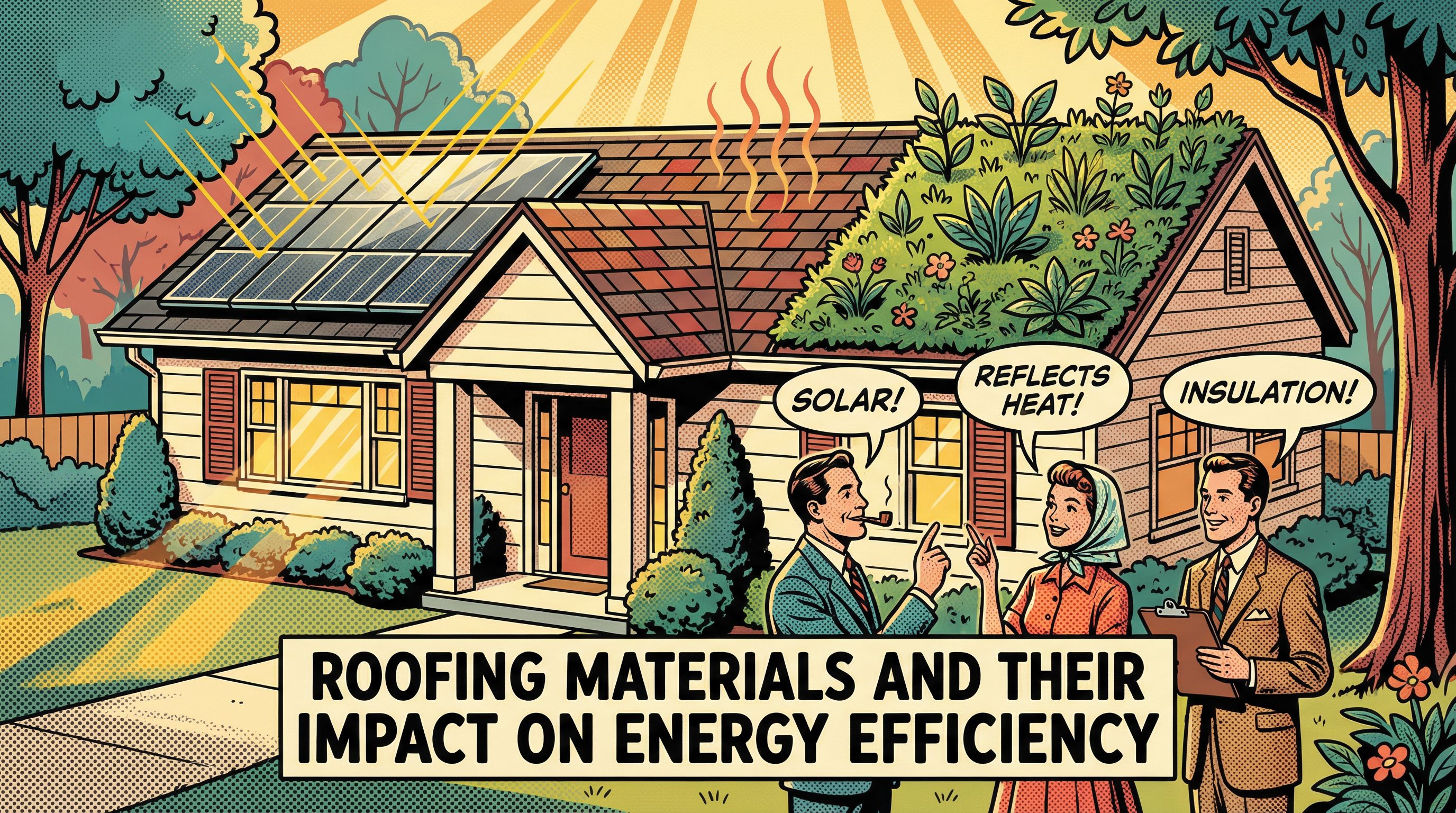
Plan for solar when you reroof. Coordinating penetrations, flashing, and wire pathways during the roofing work reduces moisture and thermal risks, and sets you up for long-term renewable energy performance. It is like running the plumbing before the drywall, cleaner and far less invasive.
Material choice matters for PV readiness. Long-lived, recyclable roofs, especially standing-seam metal, simplify attachment with fewer penetrations, which cuts installation complexity and supports a lower lifecycle impact. In our experience at Budget Heating (BudgetHeating.com), pre-mapped conduit routes, defined set-backs, and attachment zones make arrays neater, faster to mount, and more durable so your roof and PV system age in step without surprise rework.

Installation, Ventilation, Radiant Barriers and Best Practices to Maximize Efficiency
Efficiency is built, not bought. In our field installs, the roof performs when insulation, air sealing, and underlayment work as one system. Place insulation continuously at the ceiling plane, align it with a continuous air barrier, and seal every top-plate, fixture, and duct penetration with foam or mastic. Choose underlayments matched to climate and roof covering. When those basics are right, reflective surfaces deliver their full benefit.
Ventilation is the roof's breathing. A balanced intake and exhaust layout, typically soffit to ridge, keeps attic pressures neutral and stabilizes shingle temperatures. Maintain clear baffles at eaves and unobstructed ridge slots. Radiant-barrier underlayments must face an air space. Installed on battens they have produced very large thermal efficiency gains, around 113.9% in some tests, and about 77.8% when applied directly to the deck. Tape seams, limit dust on foil surfaces, and detail around penetrations without creating moisture traps.
In cold climates, include ice-and-water shields at eaves and valleys, add snow guards on smooth metal roofs, and specify freeze-thaw resistant fasteners and flashings. That combo avoids the winter failures we see most, like ice backup and popped fasteners.
Not every project needs a tear-off. Reflective coatings and cool-color shingles can trim summer loads at lower cost. Confirm remaining service life before choosing a coating, and prep and thickness should follow the manufacturer's window for temperature and cure.
- Document SRI values, initial and 3-year aged.
- List solar reflectance and emittance percentages.
- Provide CRRC or ENERGY STAR certifications where applicable.
- Include detailed underlayment, flashing, and balanced ventilation plans.
- Spell out warranty terms, coverage, and maintenance requirements.
When Roofing Choices Backfire: Climate, Weight and Moisture Trade-offs
Roof choices can disappoint when myths drive decisions. We routinely see four traps: assuming all materials perform the same, chasing the lowest bid as most cost-effective, thinking upgrades only change curb appeal, and believing color alone determines efficiency. Real performance comes from the full assembly and how well it fits your climate and structure.
- Cold or mixed climates: very reflective roofs can add a small winter heating penalty and keep the deck colder, which raises condensation risk. Validate the assembly with hygrothermal analysis. Alternatives include moderate reflectance surfaces or reflective systems paired with a verified air, vapor, and insulation strategy.
- Structural limits: heavy clay, concrete, or slate often require reinforcement, especially with snow loads. If upgrades are not feasible, choose lighter options like metal or modern composite profiles.
- Hot sun alone is not a color decision: reflective color helps, but assembly quality and detailing drive durability and comfort. Consider products with solar reflectance plus robust moisture control.
Green Roofs and Energy Savings: Benefits, Costs and Maintenance Trade-offs
Vegetated roofs cool the roof surface through plant shading and evapotranspiration, essentially giving the building a living sunhat. By lowering surface temperatures, they reduce heat gain to the spaces below. Co-benefits include stormwater management, since the system holds and slows rainfall, and support for urban biodiversity through added habitat.
These gains come with trade-offs: significant added structural load, specialized waterproofing and drainage assemblies, and higher maintenance compared with simple reflective surfaces. Expect periodic weeding, irrigation during dry spells, and routine inspection to keep vegetation healthy and drains clear.
Evaluating Lifespan, Maintenance and ROI: Regulations, Ratings and Long-Term Value
Long-term value starts with durable, UV-stable materials and correct installation. When a roof keeps its reflectance and emittance over time, it cuts heat gain, avoids premature repairs, and often keeps warranties and insurance terms favorable. In our experience at Budget Heating (BudgetHeating.com), ROI hinges as much on aged performance and install quality as on the spec sheet.
Codes and rating frameworks, like California Title 24 and the Cool Roof Rating Council, test both initial and aged values. Many local ordinances and rebate programs use CRRC-rated aged reflectance to make sure performance holds up. Think of it like sunglasses that lose tint with wear, the aged rating tells you what the roof will really deliver years from now.
Efficient roofing reduces cooling energy and trims HVAC runtime. Even with a higher upfront price, the combination of lower operating costs and longer service life typically improves total cost of ownership when modeled over decades, especially when HVAC interaction is considered.
How to Choose the Best Roofing Material for Your Climate and Budget
From hands-on projects, a climate-first selection prevents missteps. Think of the roof as a sunshade in heat or a winter coat in cold. Use this checklist:
- Define goals by climate: hot-sunny regions, maximize reflectance and emittance; cold or mixed climates, emphasize insulation, airtightness, and moisture control.
- Shortlist by local weather and energy behavior: metal with cool coatings, asphalt cool-roof lines, tile in lighter finishes (confirm structure), slate or synthetic to manage weight.
- Choose color and finish wisely: white or light roofs can reflect up to ~80% of sunlight, medium tones often reach ~40-60%, advanced cool pigments let darker hues hit up to ~40%.
- Check codes and constraints: verify building codes, HOA rules, fire-class requirements, and energy-code provisions; incentives or rebates may require CRRC or similar certification.
Conclusion: A Holistic, Climate-First Path to Lower Roof-Related Energy Use
Lower roof-related energy use starts with a holistic plan. Pick materials and colors for your climate, optimize the assembly, insulation, air sealing and controlled ventilation, then coordinate roof work with HVAC and solar. Viewed as one system, choices in emittance, thermal mass and assembly R-value deliver lifecycle value, cutting energy and extending system life.
If you are reroofing or replacing equipment, the timing and options can be overwhelming.
Our team brings 30 plus years of hands-on HVAC experience. We will right-size equipment to your reduced loads and map a clear, value-first path.
- Get a Custom Quote
- Talk to Our Team by phone for U.S.-based technical guidance
- Shop Heat Pumps & Mini Splits