




Is an 80,000 BTU Furnace Right for Your Houston Home? Start Here
Wondering if an 80,000 BTU furnace is the right fit for your Houston home? In a hot, humid city with mild winters, the right size matters more than raw power. Oversized units short cycle, waste energy, and leave rooms unevenly heated. Undersized units struggle on chilly nights. Sizing correctly affects everyday comfort, monthly bills, indoor air quality, humidity control, noise levels, and how long the system lasts.
What drives the decision: your home's heat load. That is shaped by Houston's climate, square footage, insulation and windows, and the condition of the ductwork. You will weigh what 80,000 BTUs typically covers, the efficiency rating (AFUE), and how burner staging and blower type play into comfort. Single stage heat can feel on or off, while two stage burners and variable speed blowers support steadier temperatures and better moisture control with lower operating cost.
We will also outline practical trade offs, when an 80,000 BTU model makes sense, and when a smaller furnace or a heat pump is smarter for Houston. Rebates and simple maintenance habits protect indoor air quality and help the equipment last, so you can choose with confidence and avoid paying for capacity you do not need.
Quick answer: When an 80,000 BTU Furnace Makes Sense, and When It Does Not
In our experience across Houston, an 80,000 BTU gas furnace can be the right size or too much, depending on the home and the design load. Many mid-sized homes land where 80,000 BTU is appropriate, offering steady comfort when properly matched and good value because this size is widely stocked and competitively priced.
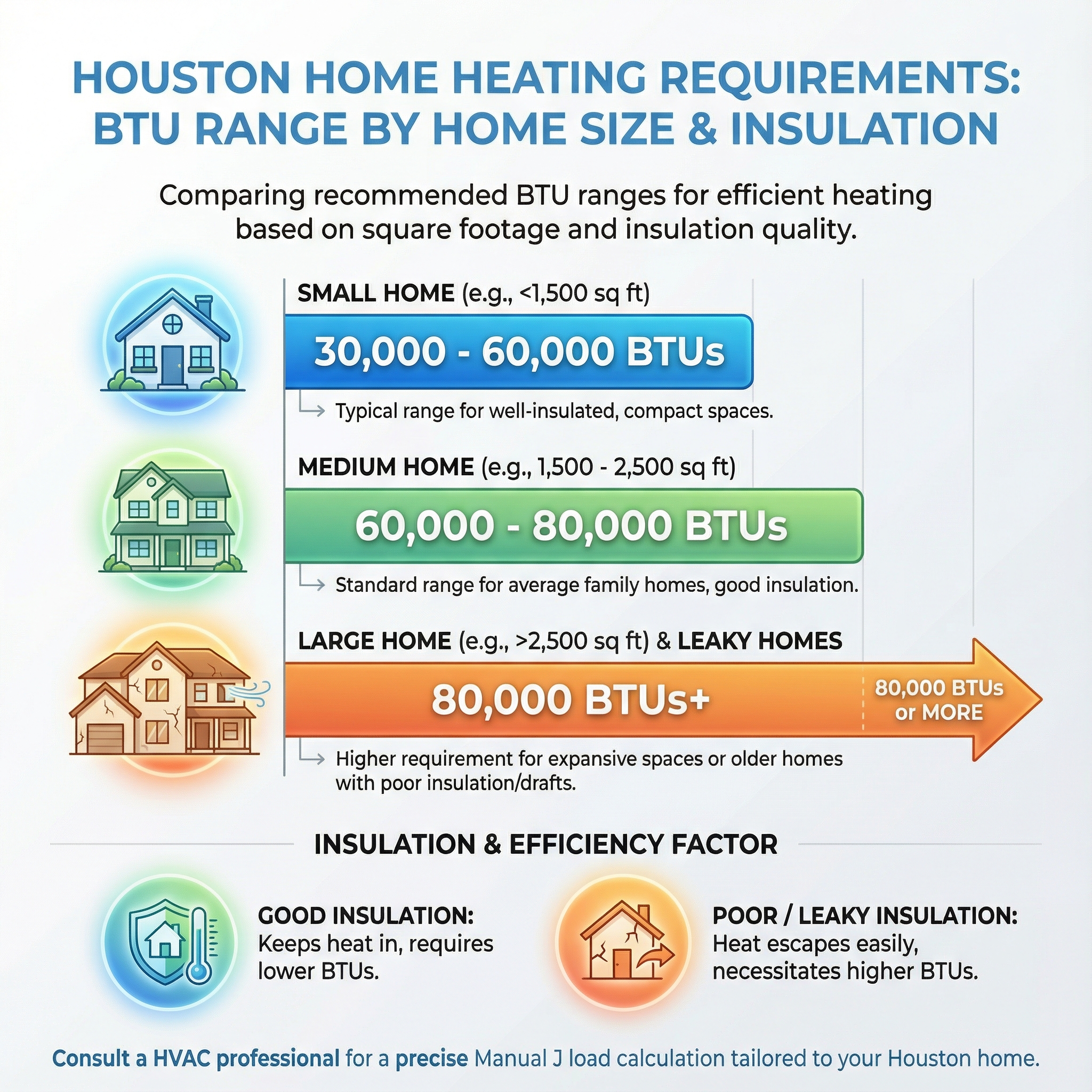
Winters are generally mild in Houston, so design heating loads for many average single-family homes sit well below 80,000 BTU. Properly sized furnaces often fall in the 30,000 to 60,000 BTU range, so an 80k model can be oversized for many smaller or tighter homes.
- Good fit: mid-sized floorplans that calculate near this capacity, and households that want smoother operation from two stage or variable speed options, plus a blower that pairs well with cooling.
- Probably not necessary: smaller or tight homes with loads in the 30,000 to 60,000 BTU range, where a smaller furnace or a heat pump often makes more sense.
Treat 80,000 BTU as one capacity point to verify with a proper load calculation. Also weigh AFUE, staging, and blower type before choosing, and compare it with lower capacities or a heat pump if your load is on the low side.
Honest tradeoffs: When an 80k Furnace Is a Bad Fit (and Better Alternatives)
Across Houston, we often see 80,000 BTU furnaces chosen for the wrong reasons. Bigger is not better, oversizing causes short cycling, uneven rooms, higher bills, more repairs, and shorter life. BTU is capacity, not efficiency, AFUE is. Square footage alone misleads, insulation, windows, leakage, ceiling height, and orientation matter. Copying the old size or using AC tonnage skips Manual J and Manual D. Do not assume fuel, compare local gas vs propane pricing.
- Newer tight 1,200 to 2,000 sq ft homes: 80k is usually too large. Better: 40k to 60k two stage gas, or variable speed heat pump.
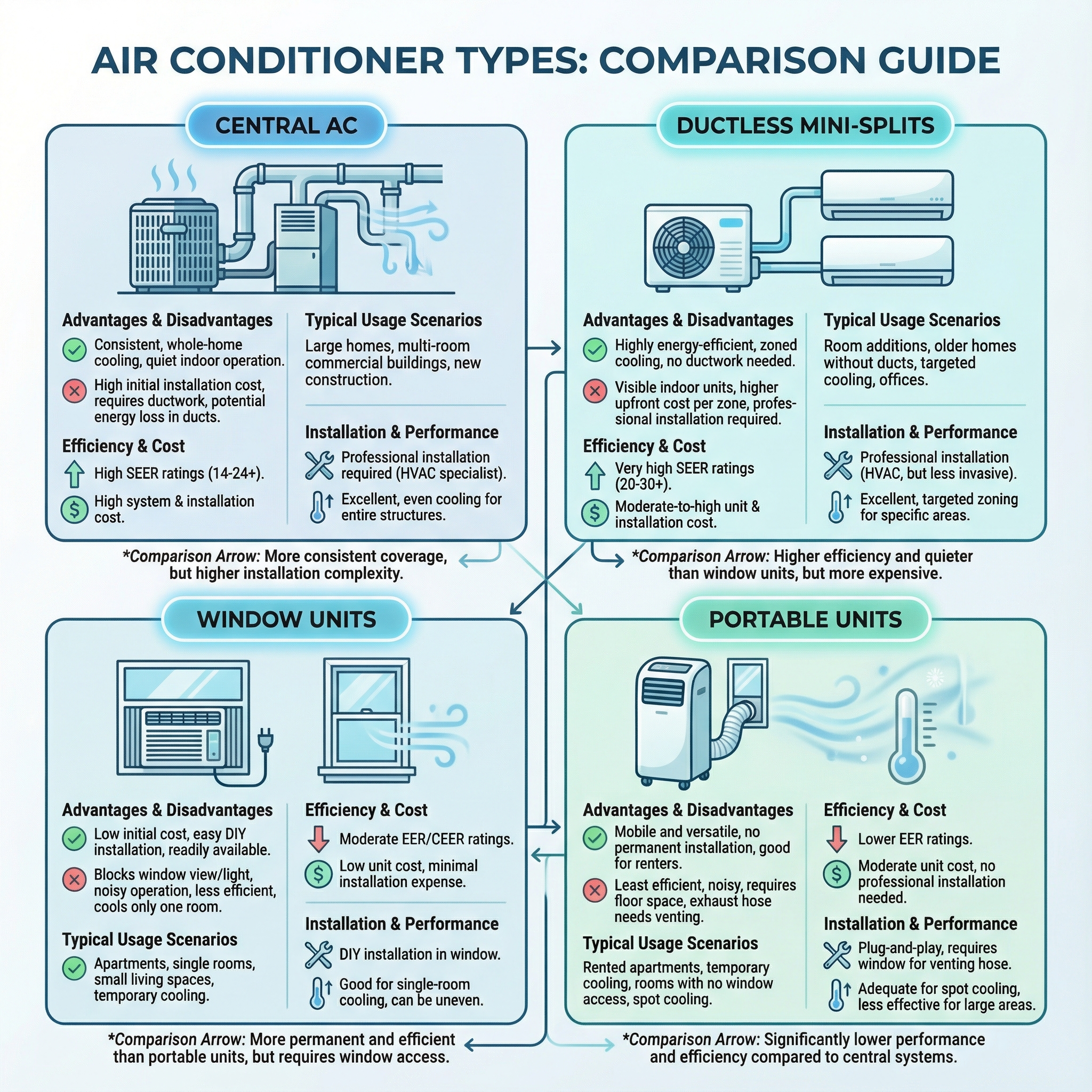
- Condos or light ductwork: large furnaces overpower ducts. Better: right sized 30k to 50k, Manual D duct design, or ductless mini split.
- Propane only or mild loads: runtime cost can spike. Better: high efficiency heat pump or dual fuel.
How to determine the right furnace size for your Houston home (Manual J basics and quick checks)
Sizing a furnace is math, not guesswork. Start with quick checks, then confirm with Manual J and Manual D. Manual J is a room-by-room heat-load calculation that accounts for insulation, windows, orientation, infiltration, and internal gains to determine how many BTUs each space actually needs. Manual D uses those room loads to size ducts, set target CFM, and manage static pressure so the blower can deliver the airflow the furnace requires.
- Confirm conditioned square footage and ceiling heights.
- Use a Texas starting estimate, roughly 25 to 35 BTU per sq ft, only as a sanity check against the calculated load.
- Account for layout: condos and townhomes usually need less; large, two-story, or leaky older homes need more.
- Translate ratings correctly: know INPUT vs OUTPUT. Example: 80,000 BTU input at 80% AFUE delivers about 64,000 BTU output.
- Require a room-by-room Manual J and ask to see the report.
- Inspect ducts with Manual D: verify sizing, leakage, and blower CFM targets.
- Check gas line and meter capacity, and plan venting and condensate for condensing models.
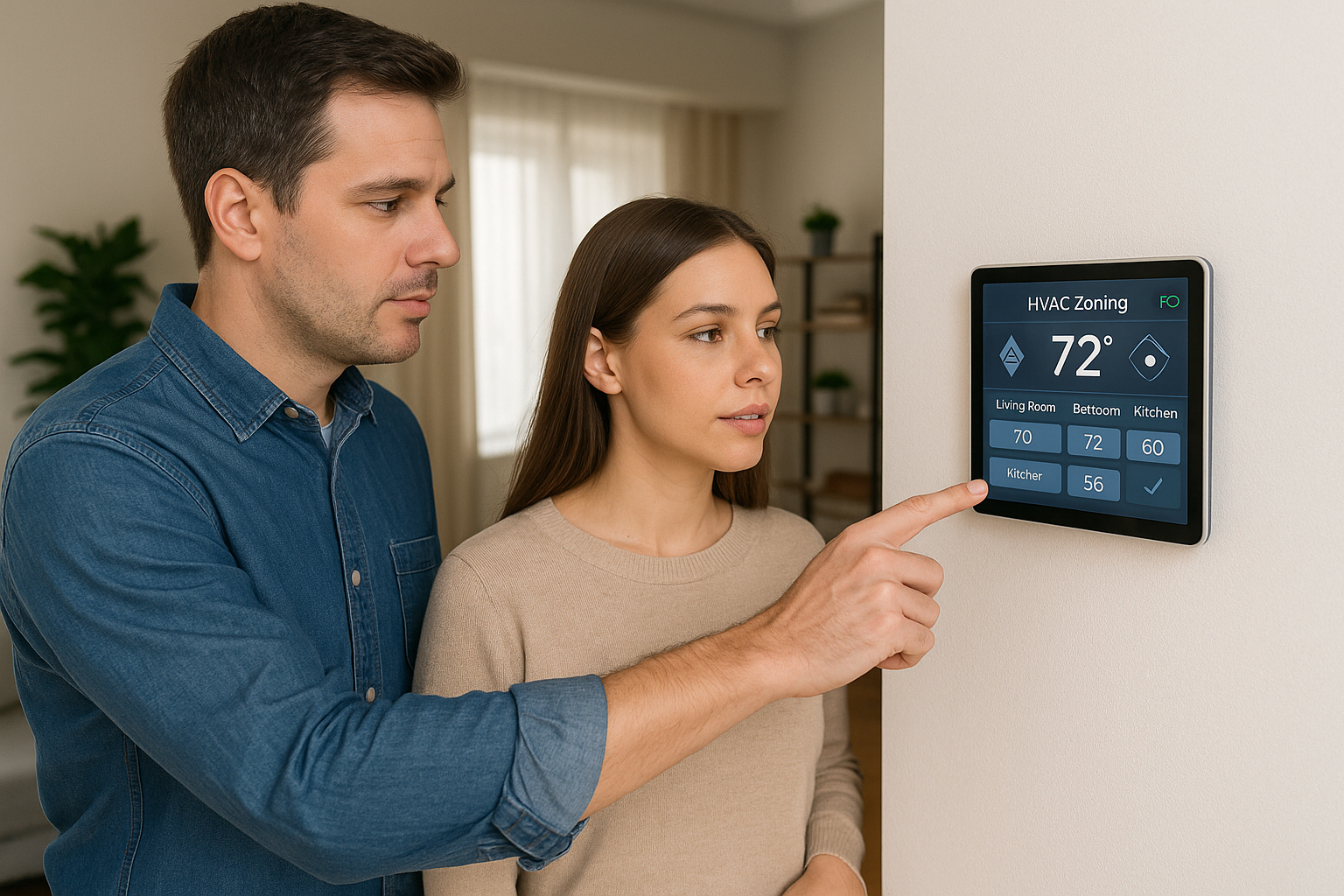
- Consider controls like programmable thermostats or zoning, and plan commissioning, temperature rise, and CO checks yearly.
- Ask for documented answers on Manual J, INPUT vs OUTPUT, gas-line sizing, duct scope, warranty, and available rebates.
Safety and upkeep: What Houston homeowners should (and shouldn't) do
- Replace or check filters every 1 to 3 months.
- Keep supply and return vents clear.
- Test CO and smoke alarms monthly.
- Lightly dust the furnace cabinet, keep combustibles away.
Licensed technicians handle electrical wiring, gas, combustion and venting, refrigerant, inducer or blower motors, gas valves, and commissioning. Schedule annual service before heating season to verify combustion safety, heat exchanger and vent condition, CO, temperature rise, and static pressure. If you smell gas, evacuate and call the utility. If a CO alarm sounds, evacuate and call emergency services and a technician. Never bypass safety controls or run the furnace with panels removed.
Houston context and regulations: Climate, fuel, and upcoming efficiency rules
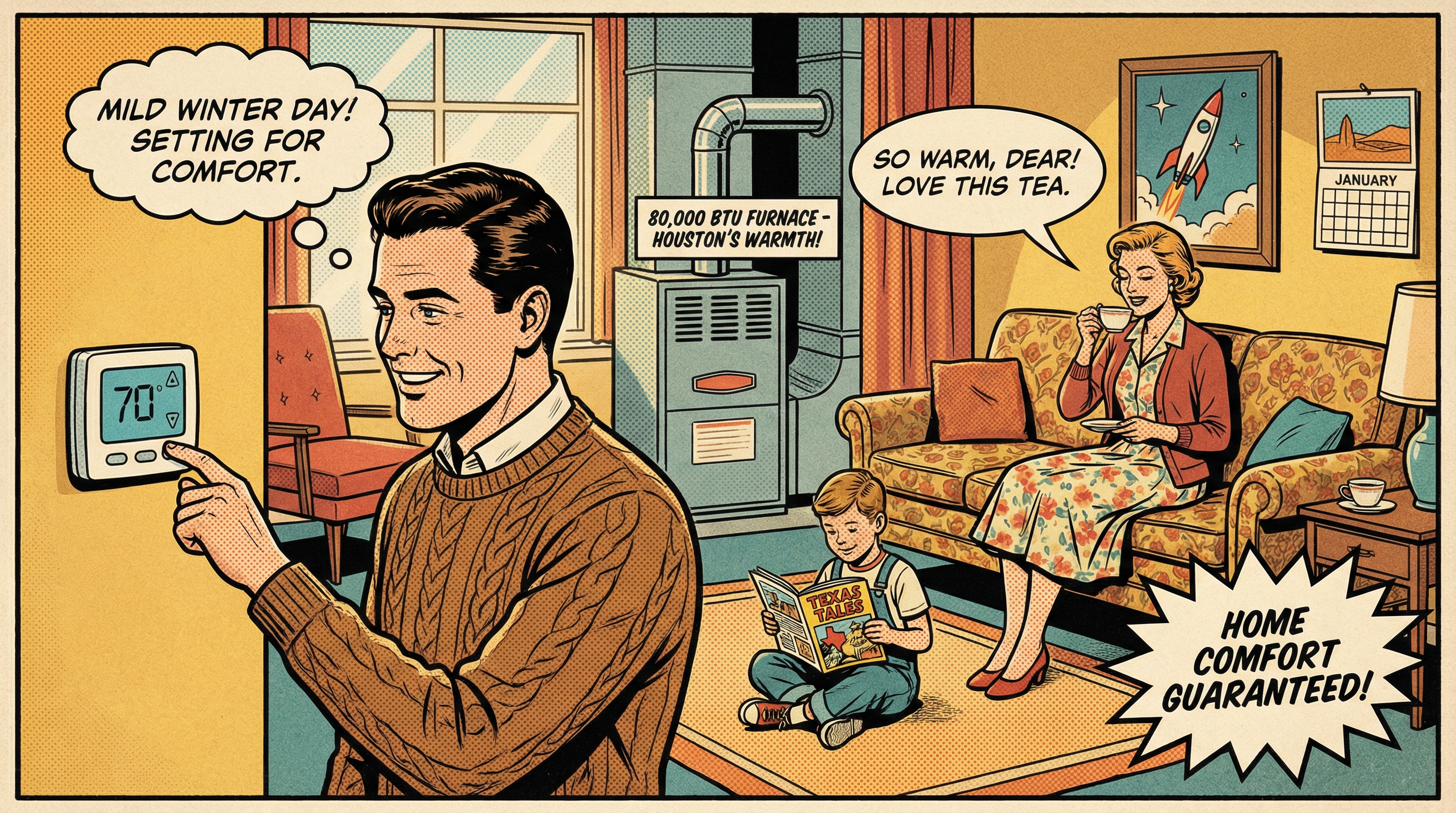
Houston is cooling dominated with humid subtropical weather, mild winters, and occasional cold snaps. Heating demand is modest, so right-sizing matters. Use a Manual J load calculation, because oversizing promotes short cycling and poor humidity control. Natural gas is widely available in the metro area and often the lower cost heat source; propane serves rural homes and adds tank delivery and storage logistics. Southern regional rules set higher AC baselines, about 15 SEER or 14.3 SEER2 for many split systems, which influences matched furnace and coil choices. Gas furnaces today must be at least 81% AFUE, and a DOE rule raises the minimum to roughly 95% in 2028, pushing many replacements to condensing, PVC-vented models.
Efficiency and performance: AFUE, two stage vs single stage, and modulating options for Houston
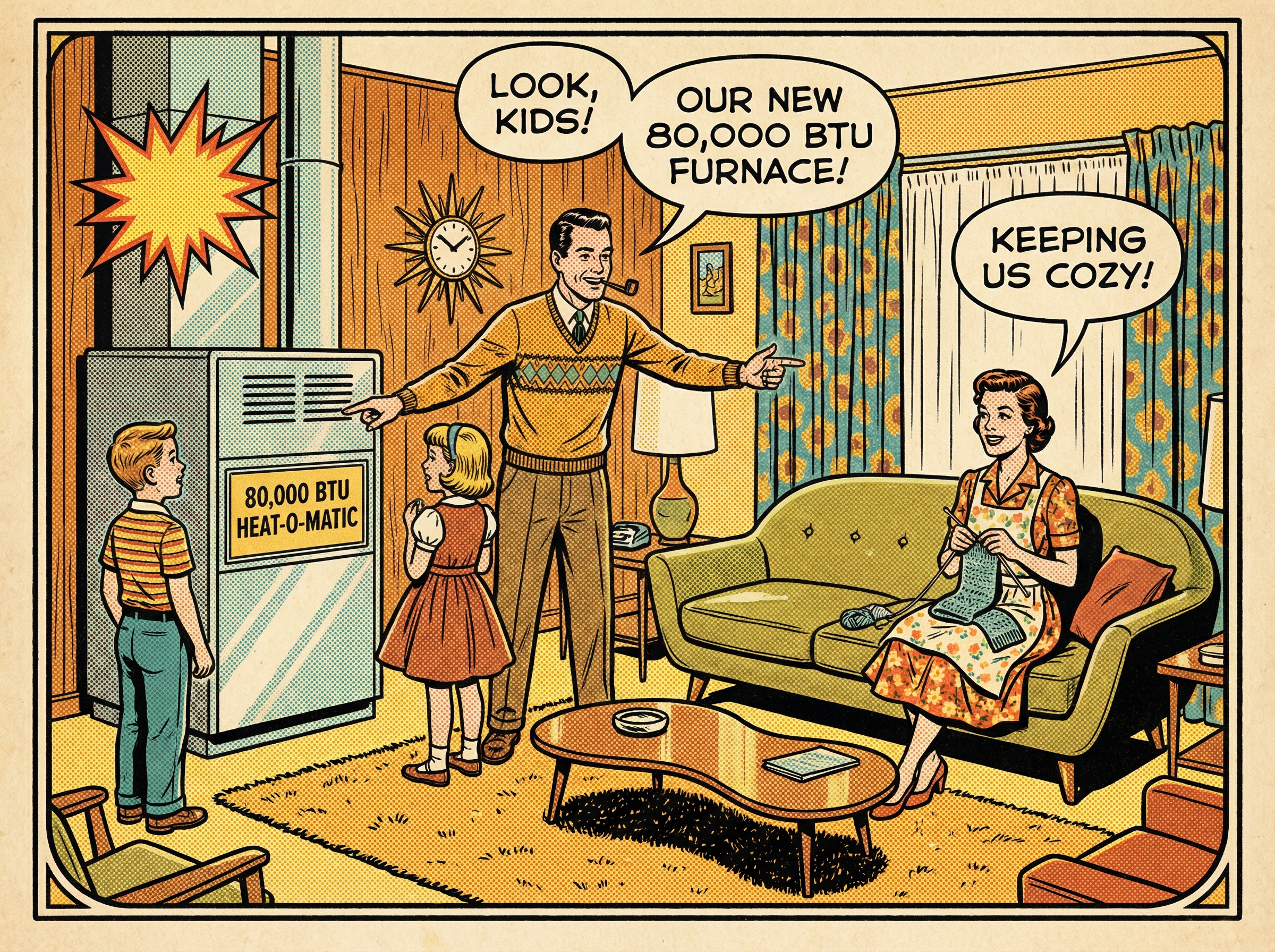
AFUE tells you how much of the gas you buy becomes usable heat. Example: an 80,000 BTU input furnace at 80% AFUE delivers about 64,000 BTU; at 95% AFUE it delivers about 76,000 BTU. That upgrade cuts gas use roughly 16% for the same heat. In Houston's mild winters the dollar savings are modest, but comfort gains can be noticeable.
Burner and blower technology shape that comfort. Single-stage furnaces run full blast, then stop, which can short-cycle in mild weather. Two-stage or modulating burners with variable-speed blowers run longer at lower output. Like a dimmer instead of a switch, they steady room temperatures and pull more moisture, which suits our humid climate. In our experience at Budget Heating (BudgetHeating.com), many Houston homeowners choose two-stage or modulating primarily for comfort, with efficiency as a bonus.
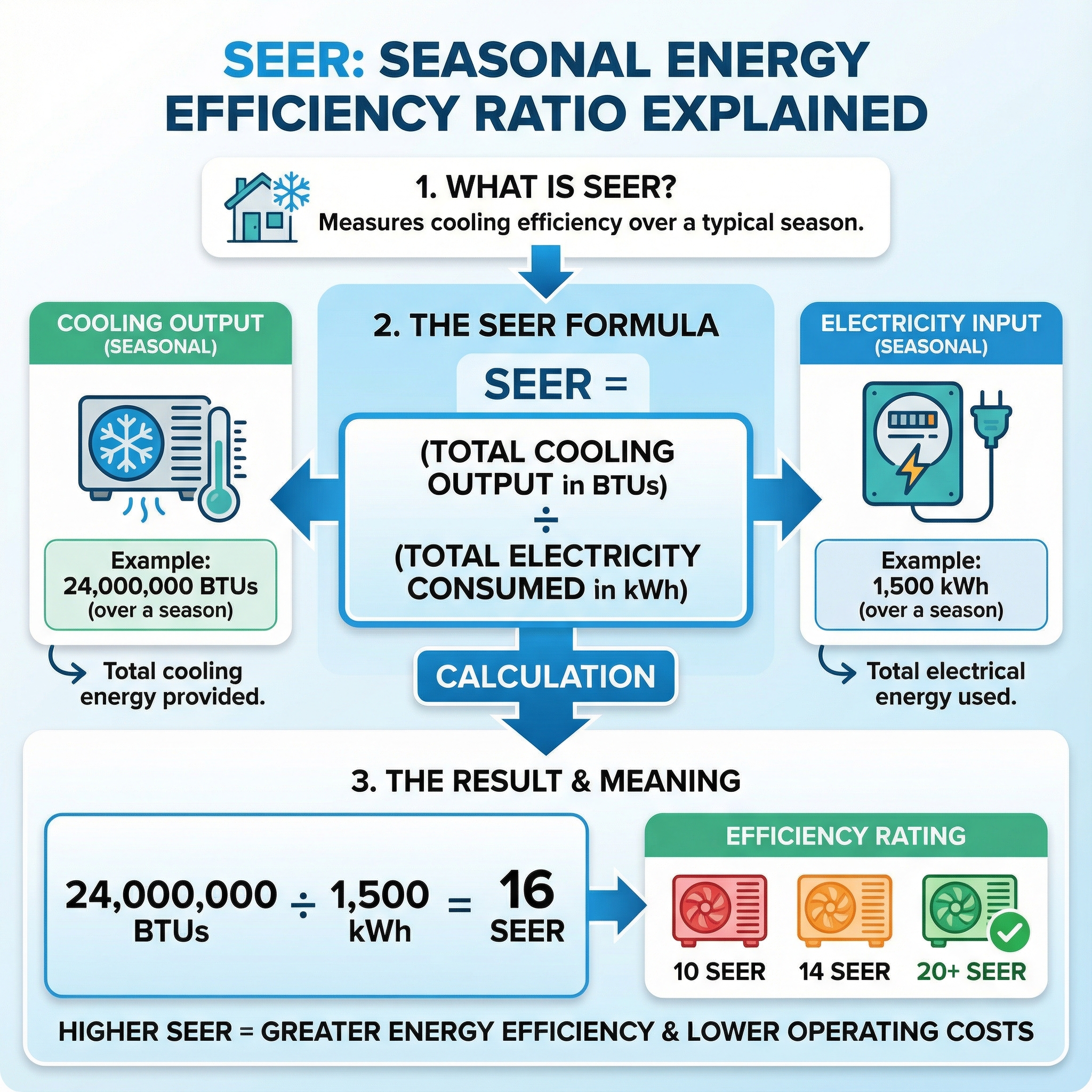
For cooling, SEER and SEER2 matter most here since cooling dominates, and Southern-region minimums are rising along with future AFUE requirements.
Cost considerations in Houston: equipment price, install, and lifetime savings for an 80k furnace
For an 80,000 BTU gas furnace, equipment alone typically runs about $1,400 to $1,800 for an 80% AFUE unit, not including installation, ductwork, or accessories. Installed cost varies widely with brand, local labor, venting or condensate needs, and whether it is a furnace only swap or part of an AC changeout.
Upgrading from about 80% to roughly 95% AFUE cuts fuel use around 16% for the same heat. Over 15 years, that often totals in the low thousands, roughly $3,000 to $4,000. Because Houston's heating season is mild, annual savings are smaller and payback periods are longer. In our experience at Budget Heating (BudgetHeating.com), many Houston homes see better overall utility savings by pairing a right sized furnace with a higher SEER or SEER2 AC, since cooling drives most bills.
Bottom line: balance upfront spend with realistic Houston run hours and utility rates, not just the AFUE label.
When an 80k BTU unit is chosen correctly: practical examples (how installers justify it)
Before accepting an 80k recommendation, ask for proof. Common justified cases: a cold climate two story with original windows, an open plan home with tall ceilings and lots of glass, or a house after a sizable addition. Expect to see: a Manual J summary with design temperature, infiltration, and room loads, a Manual D snapshot showing airflow and static targets, the equipment submittal listing input and net output (note altitude if relevant), start up data for temperature rise, static pressure, and combustion, plus regional compliance notes.
Conclusion: How to decide, get a Manual J, prefer high AFUE and staging, and don't guess
Whether an 80,000 BTU furnace fits your Houston home comes down to design, not guesswork. Many mid sized homes match well with 80k units, but tighter or newer homes often have loads well below that, and oversizing hurts comfort and reliability. The smart path is to confirm required BTU output and pair it with efficient staging and a variable speed blower for our mild winters.
- Get a room by room Manual J and keep the report.
- Size to required OUTPUT, not just input, and confirm the temperature rise range.
- If the load is lower, consider a smaller furnace or an efficient heat pump.
- Prefer high AFUE condensing with two stage or modulating heat and a variable speed blower.
- Verify ducts, gas line, venting, proper commissioning, and plan annual maintenance.
If you are choosing between 60k, 80k, or 100k, a quick load check avoids costly mistakes. Our team can run the numbers, match equipment, and quote at wholesale pricing. With 30+ years in HVAC and 200,000+ orders fulfilled, we back it with U.S. phone support, free shipping, and financing through Affirm.
- Get a Custom Quote
- Talk to Our Team by phone or chat
- Shop Gas Furnaces
- Shop Heat Pumps